6 Exercises to Build a Powerful and Muscular Triangle Head, Enhance Shoulder Joint Control and Stability
Today we've compiled a guide on shoulder muscle strengthening. Shoulders are extremely important for fitness training, and it's crucial to strengthen them specifically before heavy weightlifting for mass gain. This directly affects the safety and quality of subsequent heavy weight training. Whether your fitness journey is successful and safe depends heavily on the strength of your shoulders.

Many of you may be wondering why shoulders are so important in fitness training. First, we need to understand the function of the shoulder joint. The shoulder joint is the link between the arm and the body, transmitting force from the arm. No matter what action you perform with your arms, the shoulder joint will participate. During heavy arm activity, if arm strength is insufficient, it needs to rely on other muscle groups for assistance, and this force is transmitted through the shoulder joint. Similarly, when the arm needs to supply power to other parts of the body, the shoulder joint transmits it. Although joints are very fragile, they play a very important role.
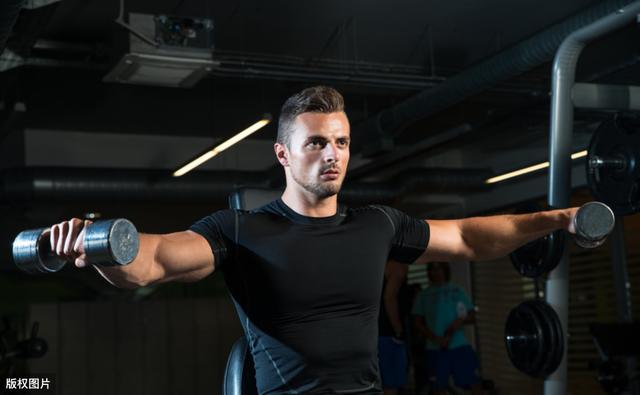
During fitness training, especially heavy weight training, the shoulder needs to transmit force to the arm. If the shoulder muscles are weak, they can cause instability during force transmission. In particular, when controlling heavy equipment with your arms, the weak shoulder muscles will cause tremors in the shoulder joint. Shoulder tremors indicate weak arm strength. When you lose control, it's easy to drop the equipment, leading to training accidents. Serious injuries can occur, such as shoulder joint abrasion, which causes severe pain. In severe cases, it can lead to shoulder joint dislocation. Dislocations are difficult to recover from, and even after recovery, you may not return to your peak condition. We've all heard stories about people dislocating their shoulders due to an accident, and after dislocation, they always dislocate again, sometimes just by moving their arms. This is the result of shoulder joint injury. Even if it heals, it can't return to its previous state. Therefore, as a fitness enthusiast, we must strengthen the shoulder joint early on heavy weight training and protect the shoulder joint. When performing heavy weight training, don't rush to increase the weight. When necessary, have a protective partner to assist you. When doing exercises like bench press and deadlift, having a partner to protect you is crucial. If you don't have anyone to protect you, don't use heavy weight. If you don't have a partner, don't load up heavy weights when you're exhausted in the middle of the set – it's very dangerous. Everyone should be careful.
Below, we'll share a comprehensive set of shoulder training exercises to help you better strengthen your shoulders during the initial stages of training. Unlike other basic exercises, you can use heavy weight to stimulate deep muscle fibers, but you cannot use heavy weights for shoulder training. As mentioned above, the shoulder is very important and also very fragile, and easily prone to abrasion. Therefore, when training the shoulder, we must follow the shoulder training rules: small weight training, multiple sets, and stimulate the shoulder muscle fibers. In other exercises, you can use heavy weights, but for shoulder training, you generally do 15-20 repetitions per set, as you are using light weight. To achieve the effect of stimulating shoulder muscle fibers, you need to increase the training volume. At the same time, make sure that every exercise is executed perfectly. You can perform other exercises with less precision, but you cannot do shoulder training with any deviation. If the action is not standard, it not only affects the training effect but also increases the pressure on the shoulder joint, potentially causing abrasion. Therefore, when training, you need to pay attention to the standard of the posture and try to maintain stability while performing the exercise, using the shoulder muscles to complete the exercise.
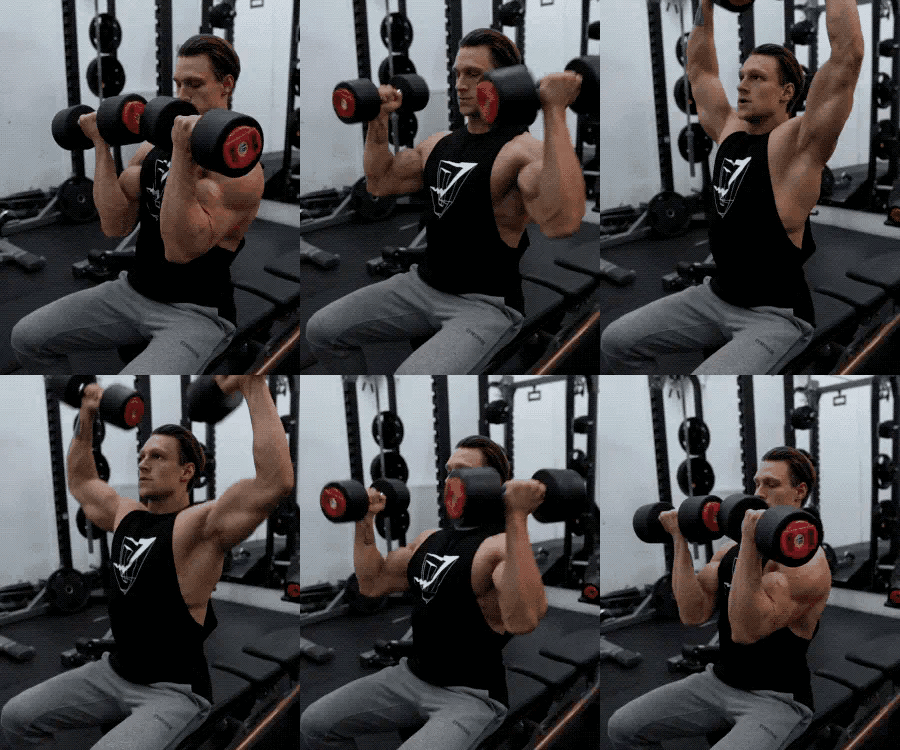
Action One: Arnold Press, Strengthening Target: Anterior and Mid Deltoid Muscles
During Training: Seated position, with feet firmly planted on the ground, back straight, core engaged, arms bent at the elbows, lifting to the chest, palms facing inwards.
Action Two: Reverse Reverse Flyes, Strengthening Target: Posterior Deltoid Muscles
During Training: Lie on an upper incline bench, with knees bent and feet flat on the bench, keeping the lower body firm, with arms extended and slightly bent at the elbows.

Action Three: Seated Dumbbell Lateral Raises, Strengthening Target: Mid Deltoid Muscles
During Training: Legs bent, feet planted on the ground, back straight, core engaged, hands holding dumbbells, arms hanging down the sides.
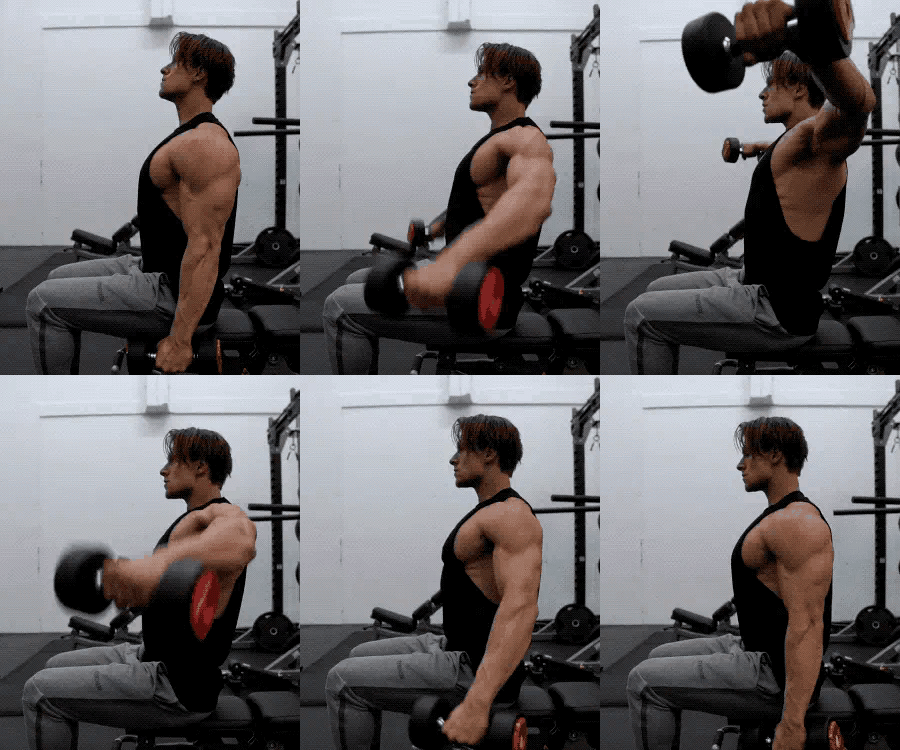
Action Four: Seated Dumbbell Front Raises, Strengthening Target: Anterior Deltoid Muscles
During Training: Legs bent, feet planted on the ground, back straight, belly tightened, hands holding dumbbells, arms hanging down the sides.
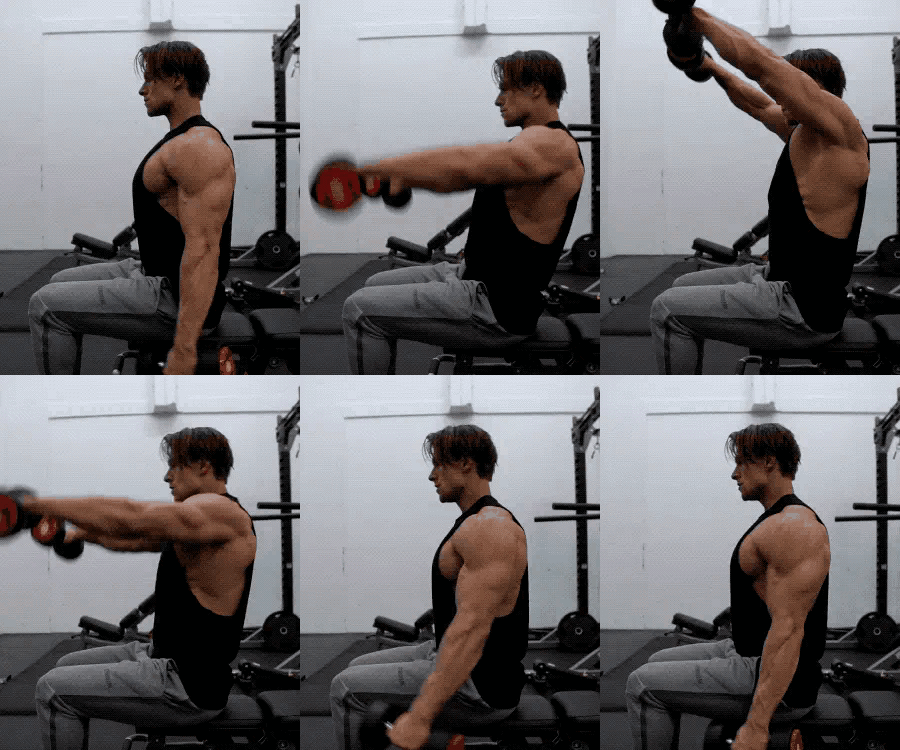
Action Five: Cable Face Pulls, Strengthening Target: Posterior Deltoid Muscles
During Training: Feet firmly planted on the ground, chest upright, core engaged, arms extended forward, hands gripping the handle, elbows slightly bent.
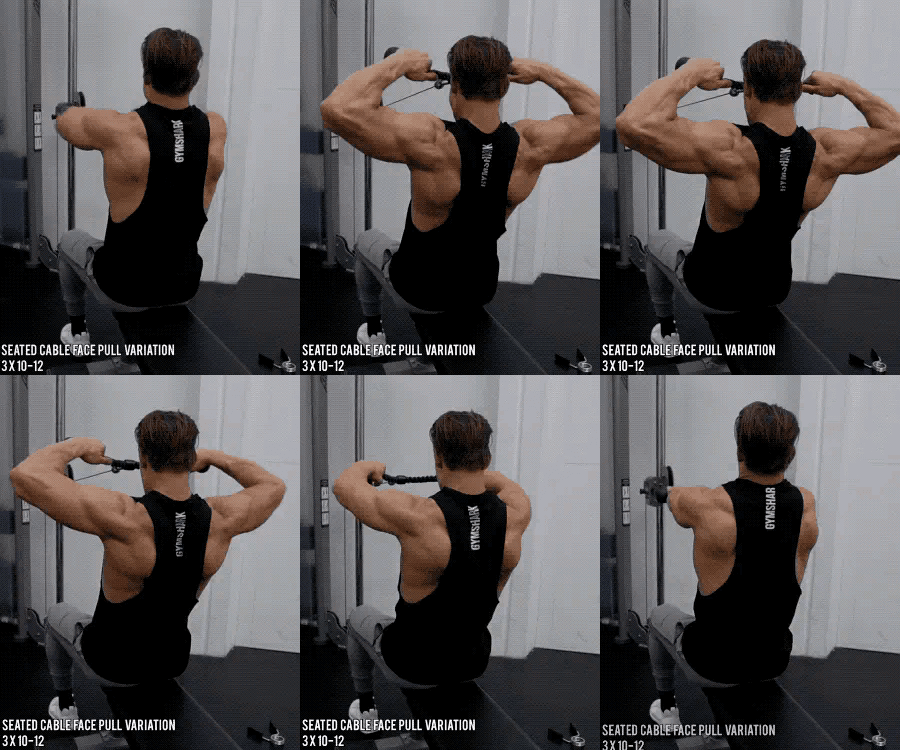
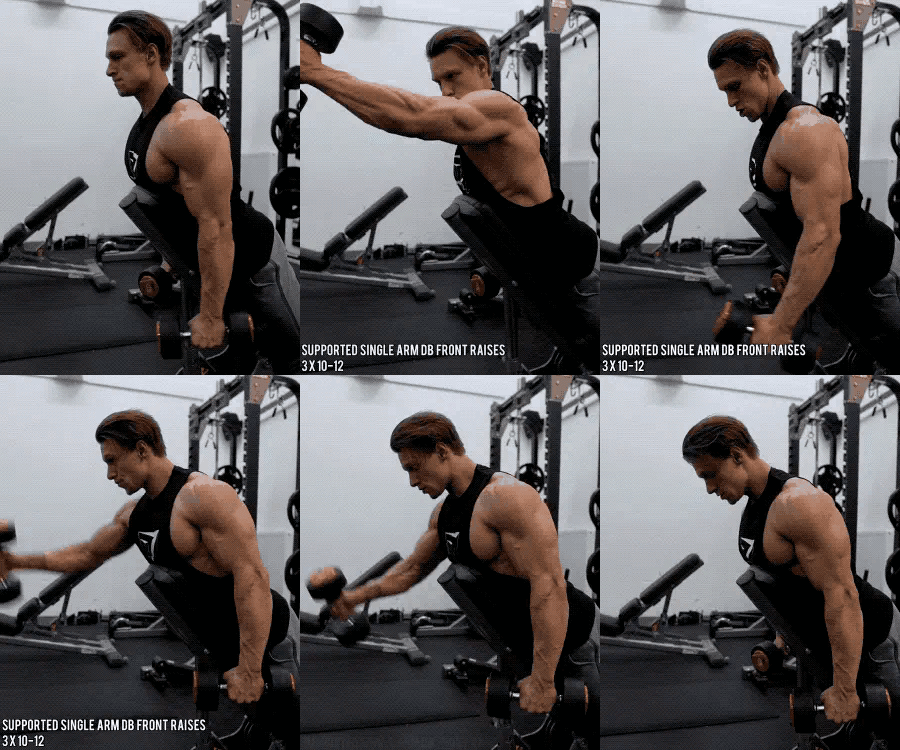
Action Six: Overhead Dumbbell Front Raises, Strengthening Target: Anterior Deltoid Muscles
During Training: Lean forward on an upper incline bench, with knees bent on the bench, keeping the belly firm, hands holding dumbbells, arms hanging down the sides.
The above 6 shoulder training actions should be performed for 3 sets each, with 15-20 repetitions per set, with a rest of 60 seconds between sets and 120 seconds between exercises. When training, always use light weights. The shoulder should never use heavy weights, as heavy weights can cause shoulder abrasion if not controlled properly. Therefore, remember the shoulder training rules: small weight training, multiple sets, and using small weight for stimulation.#Fitness & Wellness Super Team##Fitness Tips Super Team#