Stretching, Pulling Muscles, and Extending Muscles: What Exactly Are We Pulling?
Many people often do activities such as stretching, pulling muscles, and extending muscles. These actions are frequently seen in parks and community activity squares.
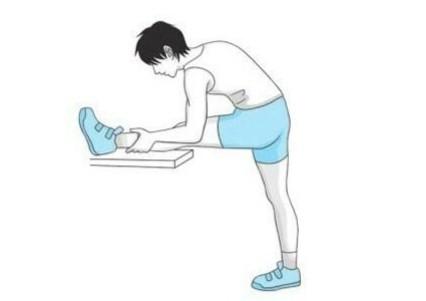
If asked, what exactly is being pulled? Many people also cannot specifically state what it is.
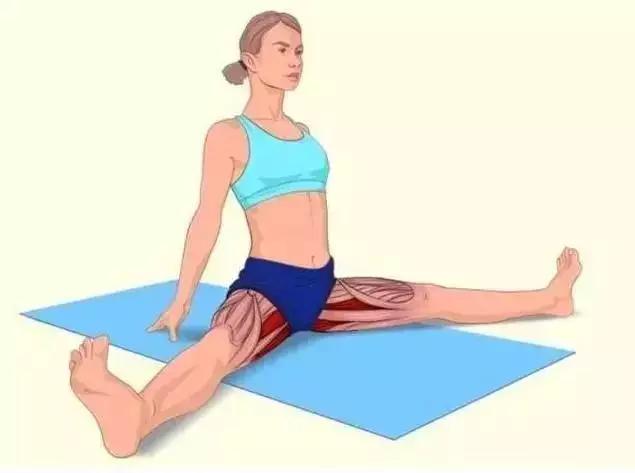
In fact, various stretching actions primarily pull on muscles, through the method of traction, to extend tense muscle fascia, and restore muscle length and elasticity.
Why is this said?
The connective tissue connecting bones and joints is composed of ligaments. Ligaments are dense connective tissues with minimal extensibility. They primarily provide static stability for joints, keeping joints within the normal range of movement. When subjected to excessive force beyond the ligament's limit, it can lead to ligament strains, thus compromising joint stability.
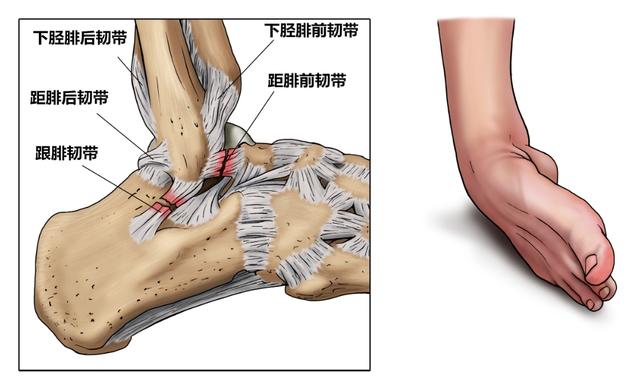
Another tissue is tendons. Tendons are connective tissues at the ends of muscles. Muscles connect to bones and other tissues through tendons. Tendons are hard and small in volume, without contractile ability, and also have minimal extensibility.
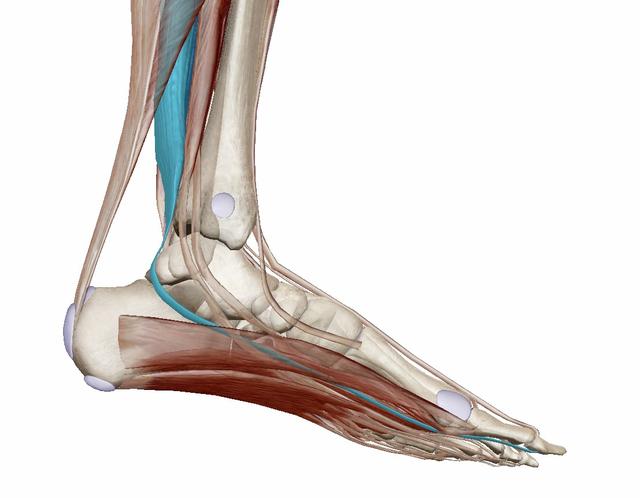
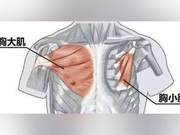
The last is muscle, which is composed of muscle fibers. The primary function of muscle is contraction. Muscle contraction pulls on bones to produce movement, and it is the human body's power system.
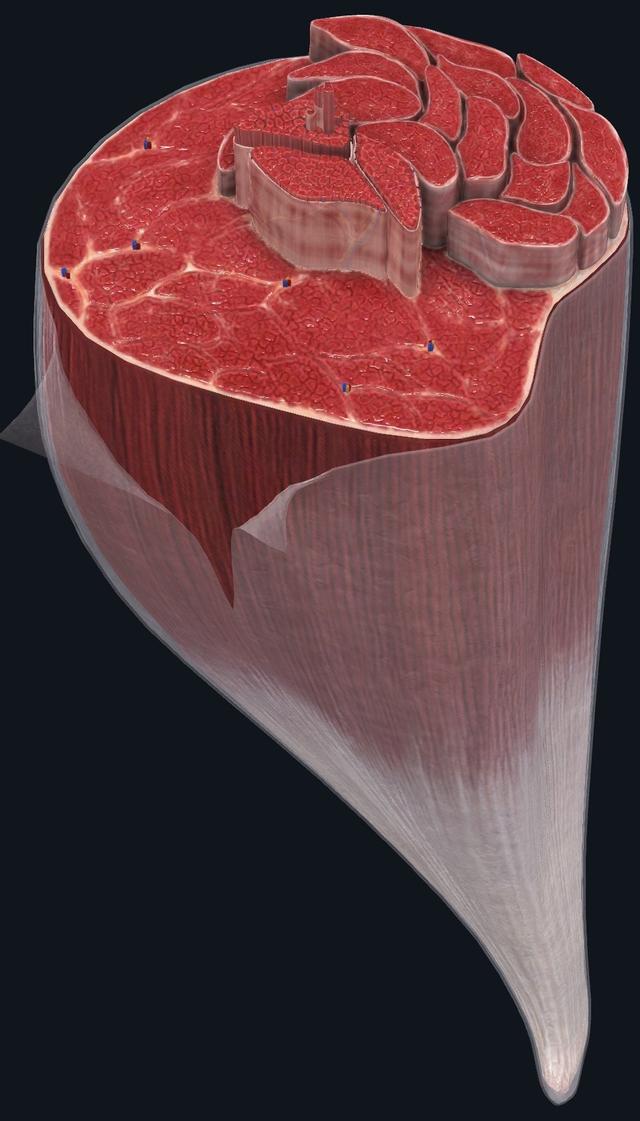
Muscles can become shortened due to various reasons, and they can also be passively lengthened. Under proper and scientific stretching, muscles can be stretched to 1.5 times their initial length within three months. However, ineffective or forceful stretching without proper warm-up can cause muscle strains, ligament strains, tendon strains, and increase joint pressure, causing unnecessary damage to the human body.