Knee pain in different parts of the joint, indicating different diseases, do not treat randomly! (Part 1)
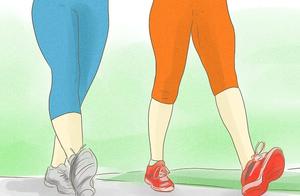
Running is a favorite pastime for many.
However, due to improper running posture or excessive speed, among other issues, it is easy tocause knee joint injuries
@Spine SurgeonReminder:If you experience knee pain, first determine yourpain location then check the following symptoms to determine the cause and choose the most helpfultreatment and exercise methods
01Pain location: outside of the knee
If you feel sharp pain on the outer side of your knee, it may beITBS(also known as Iliotibial Band Syndrome), which is a common injury among runners.
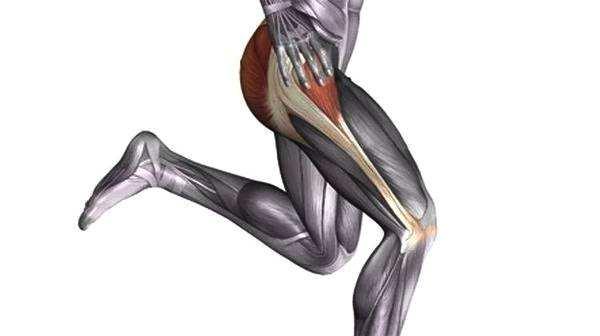
ITB is the band that runs along the outside of your thigh (from the top of your hip to the outside of your knee) and helps stabilize your knee and hip during running.
Over-training is the most common cause.
In addition, insufficient warm-up and cool-down, or certain physical abnormalities can also lead to it.@Spine Surgeon
Reminder: If you have this condition or early symptoms,Please remember these points:
1Reduce training volume, use anti-inflammatory drugs, and wearing softer shoes may help relieve this condition.
2You can continue to run, but immediately shorten your running time if you feel pain. Reduce uphill training and ensure you are running on a flat surface.
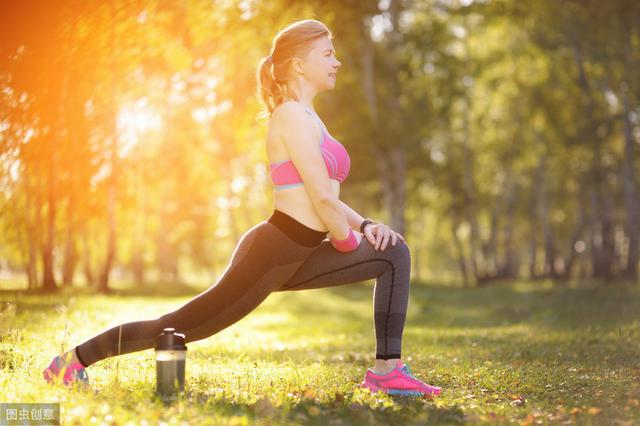
3If you experience early symptoms: such as tightness in your knee, use a massage tool (such as a foam roller) to roll your legs, and you can also perform hip stretches to increase mobility and relieve pain. Of course, you can also consult with a physical therapist for deep tissue massage.
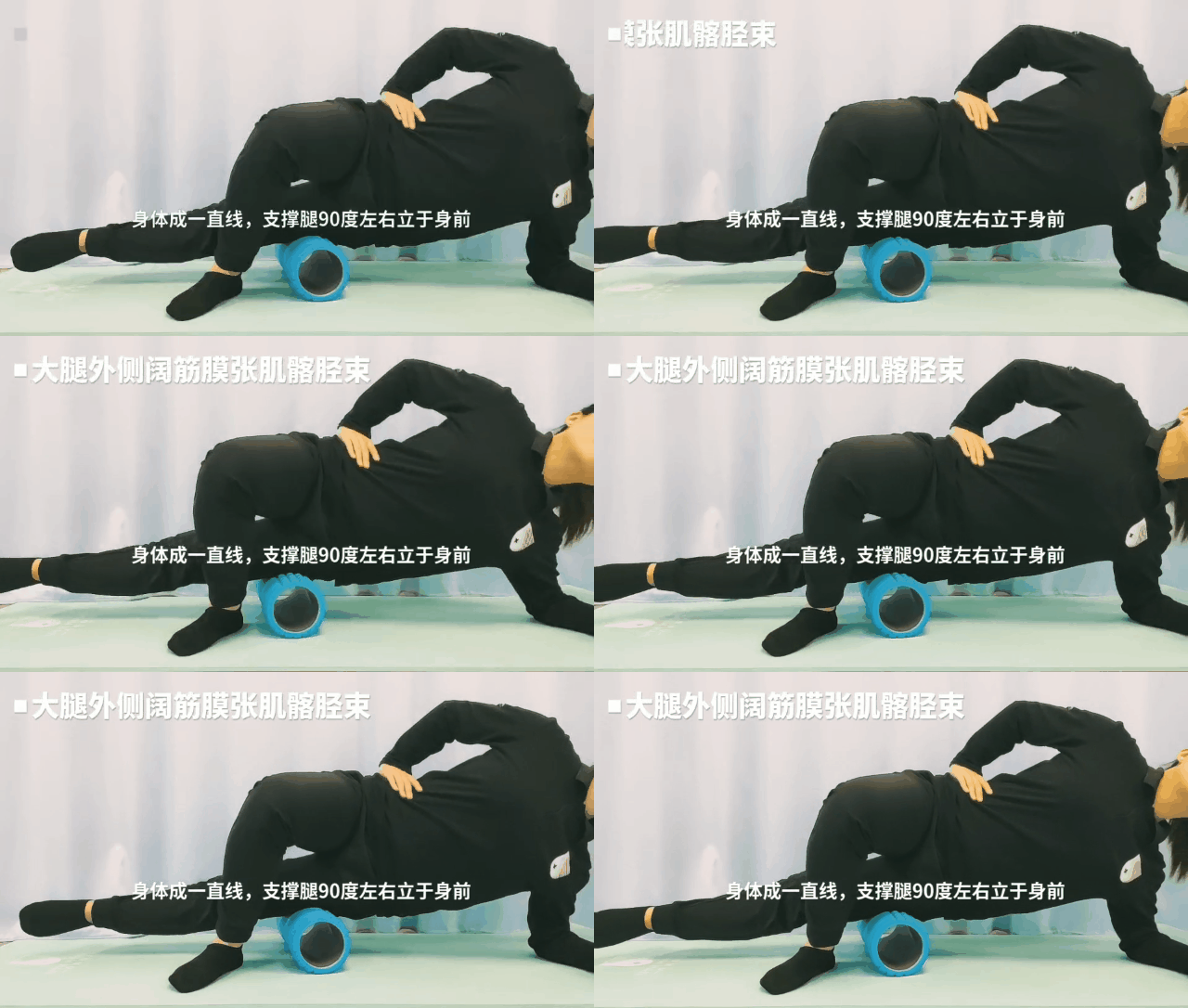
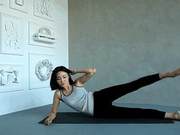
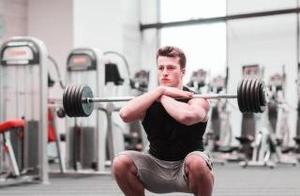
4Try some leg exercises.Single leg squats, balance trainingare particularly beneficial for this group of people.
02Pain location: knee joint
If you havepain in the front or back of your knee it may beRunner's Knee(also known as Patellofemoral Pain Syndrome). Downhill running, squatting, going up and down stairs, or prolonged sitting will exacerbate the condition.
Runner's Kneemay be caused by structural problems in the knee joint or by weakness of the muscles, such as the hamstring or IT band, or by overtraining, poor foot support, or incorrect gait.
One of the most common causes isweakness of the quadriceps muscles.
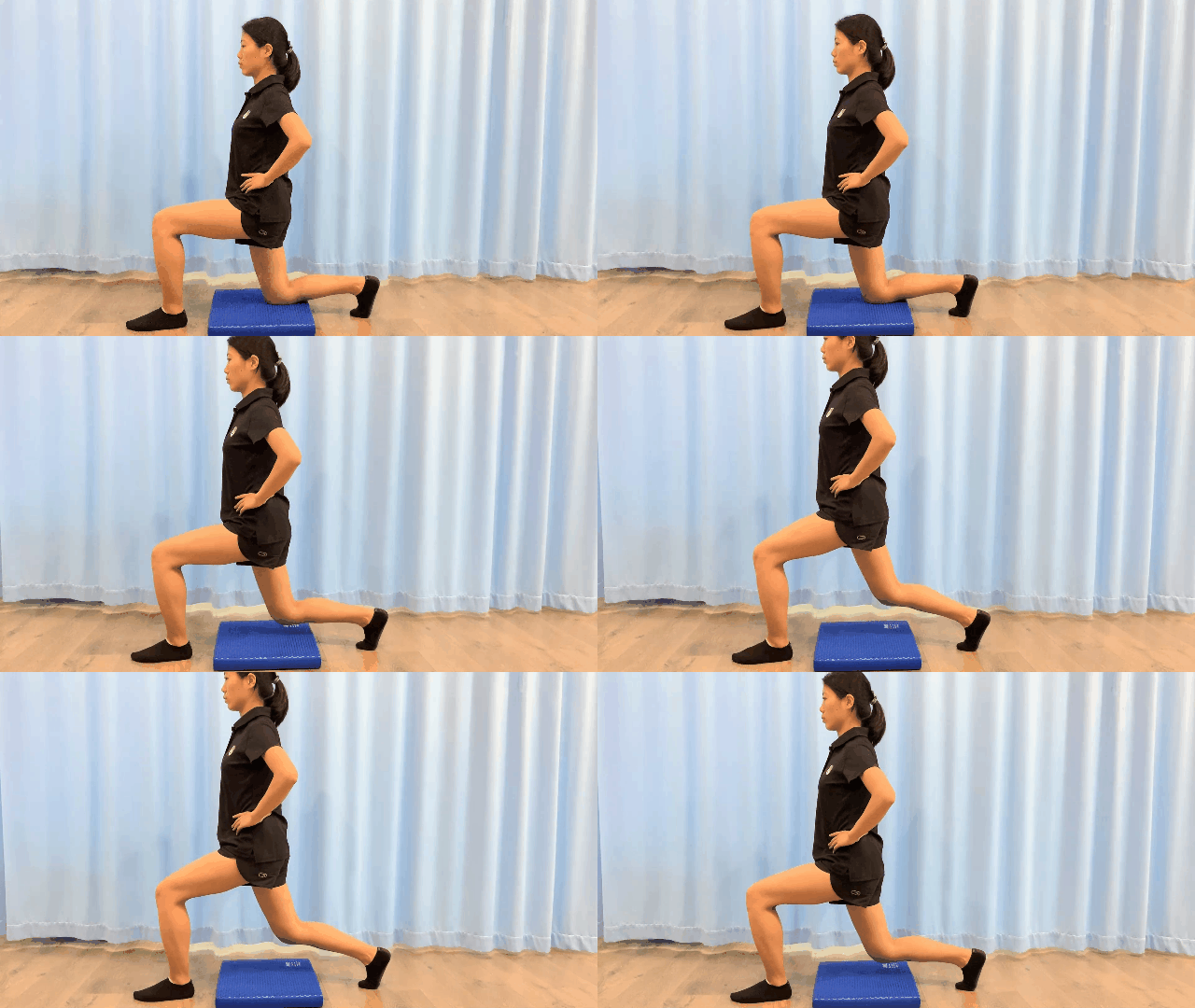
The quadriceps muscles help support and stabilize the knee. Simple exercises such as lunges or straight leg raises can help increase the strength of the quadriceps.
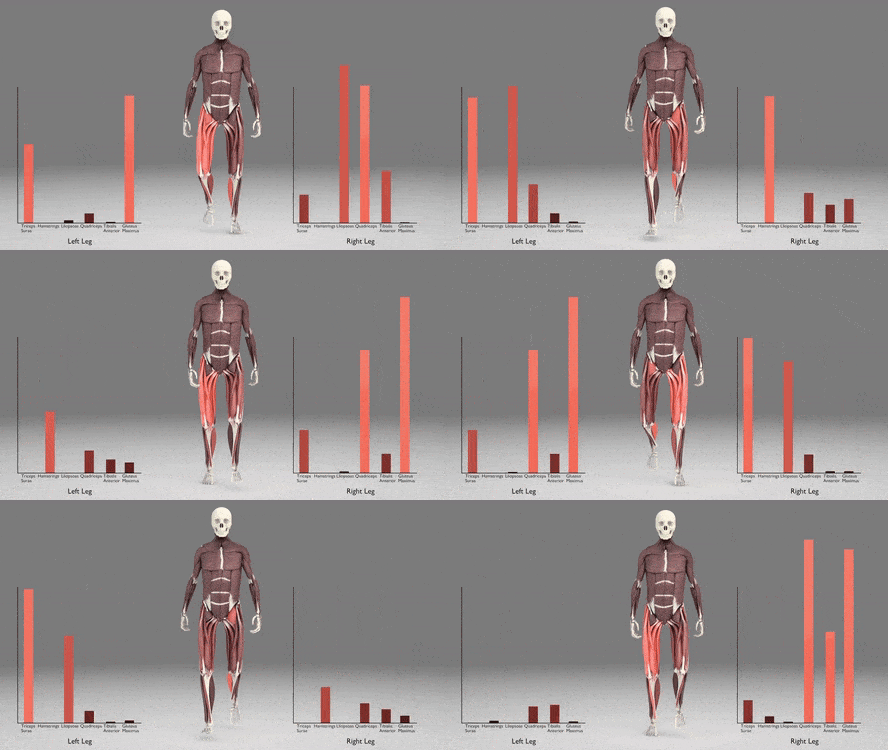
2Stretch thoroughly after exercise.
3As long as your gait is normal and you don't feel pain, you can start running again. If you still have pain symptoms, it indicates that your body is not yet ready to run again. 4A physical therapist can help you accurately diagnose patellofemoral pain syndrome and provide you with appropriate stretching and exercise plans.03Pain location: top of the knee joint to the top of the shinbone
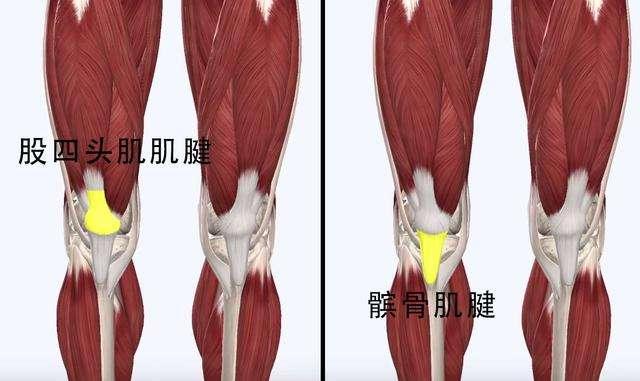
Pain at the top of the knee joint to the top of the shinbone may be a sign ofPatellar Tendonitis(also known as Jumper's Knee), which is a common overuse injury often seen in jumping sports.
Patellar Tendonitis
is caused by repeated stress on the patellar tendon, which connects the kneecap to the shinbone and is responsible for extending the lower leg.
@Spine Surgeon
Reminder:
If you have this condition or early symptoms,Please remember these points:1If you have patellar tendonitis, you may feel
pain, tenderness and may experience swelling near the tendon (where the kneecap meets the shinbone). Early symptoms may only appear during running, but as the condition worsens, you may experience pain even when you are not exercising.2Once diagnosed, stop running until you recover. Ice, take anti-inflammatory drugs and perform stretching and strengthening exercises may be helpful.
3Before exercise, do lower leg stretches and hamstring stretches. Strengthening exercises should focus on movements that lengthen muscles. @Spine SurgeonReminder:
Knee pain can have many potential causes. It is more safe and effective to have a professional physical therapist help you determine the cause and perform targeted rehabilitation treatment instead of guessing.Regarding knee pain, do you have any questions? Welcome to leave a message, and welcome to contact Spine Surgeon to customize a rehabilitation plan for you~
2
3
~