Home Practical 20 Stretching Exercises
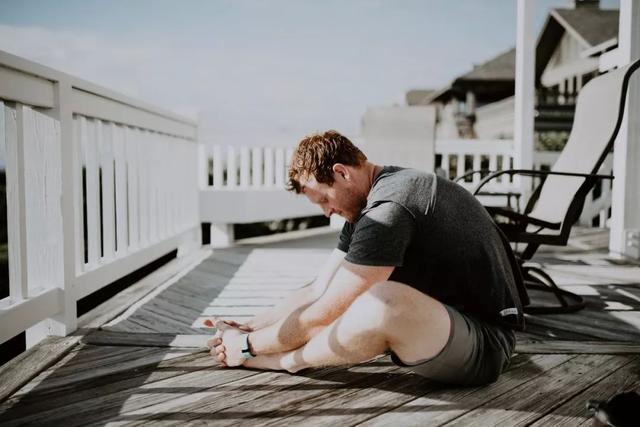
During special times, staying home has become the best time for stretching exercises. Today, we'd like to share some stretching movements that can be easily performed at home, covering various muscle groups and suitable for all kinds of people.
Stretching is widely used in sports as a simple, effective, restorative, and relaxing method. It mainly utilizes the mechanoreceptors within the muscle fibers and muscle sheaths to stimulate the muscle membrane organs, causing the muscles to release through inhibitory impulses, relaxing the muscles.
Stretching is extremely important for preventing injuries and recovering from them. However, due to a lack of understanding of the significance of stretching in sports and insufficient knowledge of its methods, stretching exercises are often ignored in real life, particularly in running training.
Whether after training or in daily life, muscles are often in a state of tension and fatigue. Stretching can help relax and rest these muscles, stimulating muscle growth. It can also prevent potential injuries during exercise, allowing you to participate in subsequent training in a better state and achieve better results.
Shoulder Blade Stretch
(SCARF STRETCH)
This is a simple and effective stretch, especially for stretching the muscles around the shoulder joint. This stretch is particularly helpful for weightlifting and throwing sports.
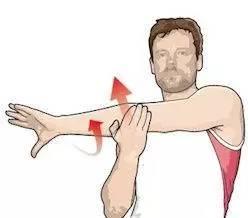
How to do it: Stand with your feet hip-width apart and knees slightly bent. Extend your left arm overhead and bend your left elbow, with your right hand fixed at the elbow of your left arm. Then, lean your left arm towards your body until you feel a stretch in your shoulder muscles. Switch sides and repeat the same action.
Upper Back Stretch
(UPPER-BACK STRETCH)
This simple stretch mainly stretches the muscles of the upper back, which is particularly helpful for throwing sports.
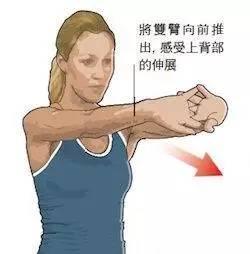
How to do it: Bring your fingers together, palms facing outwards, and raise your hands to chest height, extending your arms. Lock your elbows and tilt your shoulders forward.
Lat Stretch
(LAT STRETCH)
This stretch directly acts on the latissimus dorsi, suitable for weightlifting, rowing and sprint athletes.
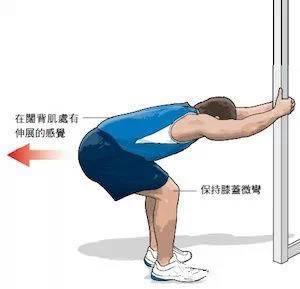
How to do it: Stand in front of a support, leaning your body backwards, bending your knees. Extend your legs and push with your feet to move backwards.
Pec Stretch
(PEC STRETCH)
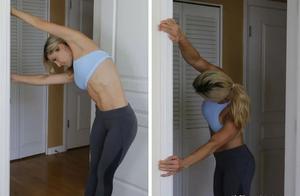
This action mainly stretches the muscles of the upper chest, can relax the muscles and increase their flexibility. This stretch can also help with recovery after throwing sports.
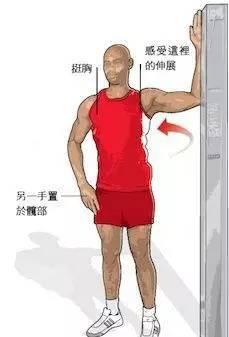
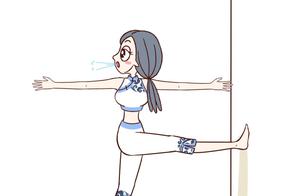
How to do it: Stand in front of a stable support. Place one hand on the support, keeping the upper arm at the same plane as the shoulder. Slowly move forward until you feel a stretch in your chest muscles.
ITB Stretch
(ITB STRETCH)
The IT band is a band-like connective tissue located below the outer thigh. Runners, walkers, gymnasts and dancers should regularly perform this stretch to prevent inflammation (IT band syndrome) and pain.
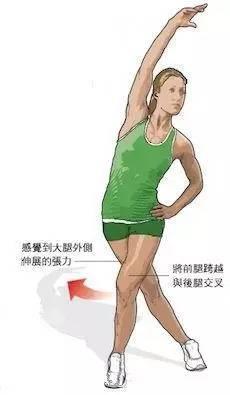
How to do it: Stand upright with your legs opened hip-width apart. Cross one leg over the other while keeping the other leg extended and flat on the ground. Hold your hand on the outside of the crossed leg, and stretch until you feel a stretch in the IT band.
Piriformis Stretch
(PIRIFORMIS STRETCH)
Sitting piriformis stretch is more advanced than standing ITB stretch because it requires greater hip joint flexibility. For runners, walkers, gymnasts and dancers, this stretch can help prevent IT band syndrome.
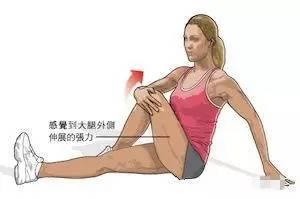
How to do it: Sit with your legs extended and parallel. Bend one knee and cross it over the other leg, keeping the extended leg straight and flat on the ground. Hold your hand on the outside of the crossed knee and stretch until you feel a stretch in the IT band.
3-Point Quad Stretch
(3-POINT QUAD STRETCH)
The purpose of this stretch is to stretch the quadriceps muscles of the leg and increase the flexibility of the knee joint. It's a relatively simple stretch suitable for all leg training after.
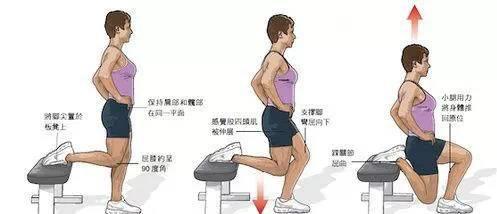
How to do it:
- Stand facing a bench or stable support. Place the back of one knee on the bench and keep both legs parallel. Slightly tilt your hips backwards, feeling the stretch in the front of your left thigh. Hold this position for a few seconds, relax, and switch sides.
- Adductor Stretch 1
- (ADDUCTOR STRETCH 1)
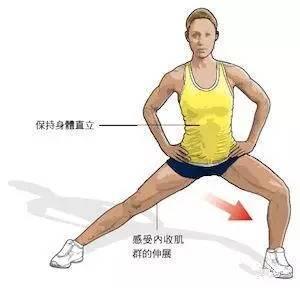
Stretch the adductor muscles or the groin muscles, which is a method to maintain the flexibility of the hip joint.
How to do it:
Stand upright with your hands on your hips. Bend your left knee and place your knee above your foot. Keep your right leg straight and flat on the ground. Move your body slowly to the left side until you feel a stretch in your left groin muscle. Hold this position for a few seconds, relax, and switch sides.
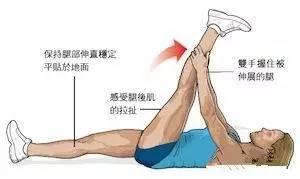
Adductor Stretch 2
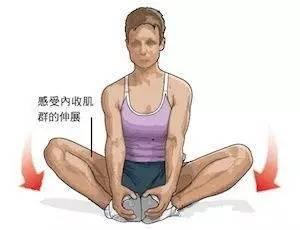
(ADDUCTOR STRETCH 2)
This stretch stretches the adductor brevis muscle. In addition, this stretch is relatively easy to perform and can be performed anywhere.
How to do it:
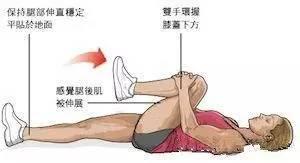
Bring your knees together and place your palms on your feet to ensure they are firmly together. Slowly bend your knees towards the floor until you feel a stretch in your groin. Hold the position for a few seconds, relax, and switch sides.
Calf Stretch
(CALF STRETCH)
When performing activities that require rapid movement (such as short sprints), tight calf muscles are at high risk of injury. For example, stretch your calves before running to prevent tight calf muscles.
How to do it:
Stand with your feet hip-width apart and your knees slightly bent. Extend your left leg and bend your right knee. Slowly move your body forward until you feel a stretch in your left calf muscle. Switch sides and repeat the stretch for your other calf.
Standing Glute
(STANDING GLUTE)
For people with spinal stiffness, this will be a good stretch. It can stretch the hip flexor muscles, especially to strengthen the lumbar muscles. The lumbar muscles are directly connected to the lumbar vertebrae, so maintaining the flexibility of these muscles is important.
How to do it:
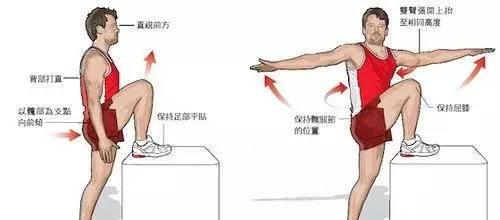
Stand with your feet shoulder-width apart, and your hands on your hips. Bend your left knee and place your knee above your foot. Lean your body forward until you feel a stretch in your right hip muscle. Hold this position for a few seconds, relax, and switch sides.
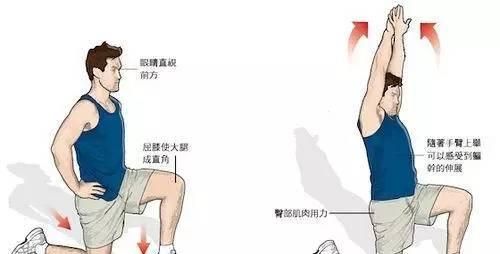
Lancelot Stretch
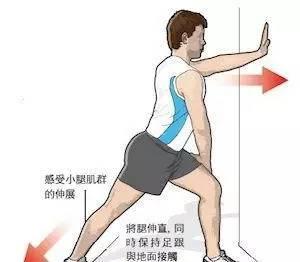
(LANCELOT STRETCH)
For people with spinal stiffness, this will be a good stretch. It can stretch the hip flexor muscles, especially to strengthen the lumbar muscles. The lumbar muscles are directly connected to the lumbar vertebrae, so maintaining the flexibility of these muscles is important.
How to do it:
Stand with your feet shoulder-width apart, and your hands on your hips. Cross your right leg forward in a lunge, bending your knees simultaneously until your right knee touches your right shin, keeping your body upright and staring straight ahead.
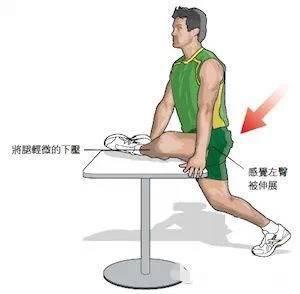
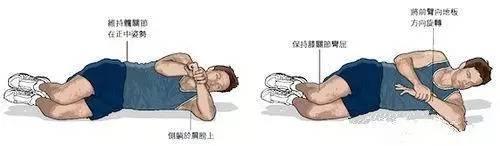
Sleepers Stretch
(SLEEPER STRETCH)
Many people ignore the importance of stretching the muscles of the shoulder joint. To prevent shoulder joint impingement syndrome, it is essential to maintain the flexibility of this area, with the goal of achieving consistent mobility of both shoulder joints.
How to do it:
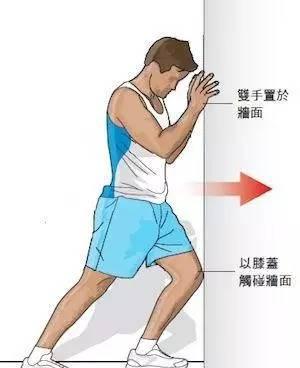
Lie on your left side, supporting your head with a pillow, extending your right arm forward with your right elbow bent at a 90-degree angle, parallel to the floor.
IT Band Foam Rolling
(IT BAND FOAM ROLLING)
Lie on your side with your knees bent and your head turned to one side, with your forearm resting on the ground. Use a foam roller to roll along the outside of your thigh, from just below your hip to just above your knee.
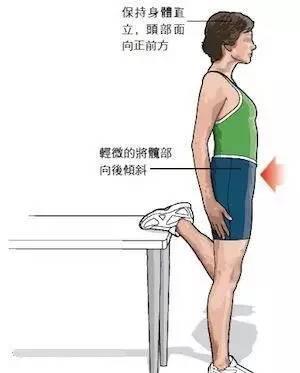
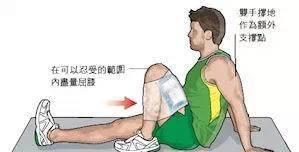
High-intensity or collision-type sports players are at risk of quadriceps tendonitis. When this injury occurs, it is important to stretch the quadriceps muscle with the knee bent. This helps to heal the injury.
How to do it: Bend your knee and apply ice to the injured muscle. Cover the muscle with an elastic bandage or ice pack to fix the quadriceps muscle and the ground.
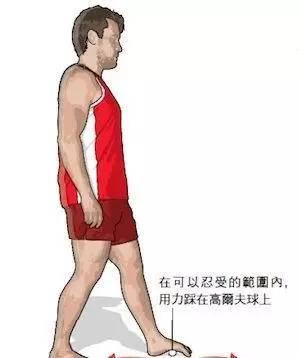
Using a golf ball to massage the soles of the feet is a good method for treating plantar fasciitis. Start with a light massage and gradually increase the force.
- 90
(LANCELOT STRETCH)
(SLEEPER STRETCH)
- 20-30
(ICING OF QUADRICEPS)
2048-721-2
(GOLF BALL FOOT MASSAGE)