Are Your Calf Muscles Thick? 6 Exercises to Eliminate Rabbit Legs and Build Slim Legs
Many beautiful girls suffer from 'rabbit legs', which not only affects the beauty of their figures, but also makes them look bulky. No matter what leg-baring outfits they wear, their legs appear swollen and their figures look shorter, causing great pain for beautiful girls.

The types of 'rabbit legs' include fat type, edema type and muscle type. Let's analyze the causes of these types of 'rabbit legs' below.
1The formation of fat-type 'rabbit legs' is caused by excessive body fat. The fat volume in the legs is too high, accumulating in the calf, making the calf appear very thick.
2The formation of edema-type 'rabbit legs' is caused by poor blood circulation. It is usually affected by occupation, pregnancy, leg activity, genetics and drugs. The leg shape is swollen at the leg or ankle, the muscles are lacking elasticity, and serious cases can cause varicose veins.

3The formation of muscle-type 'rabbit legs' often appears in people who exercise regularly. Long-term exercise makes the calf muscles develop, the calf muscles become like spherical balls, and the muscles are strong and powerful. The calf muscles are very developed.
How to eliminate 'rabbit legs'

Home exercise methods for the calves
Method 1: Bent-toe lying down
▪ Lie on your stomach on the ground, extend your arms and support them under your shoulders, palms facing down, legs extended downward, keeping the body stable.
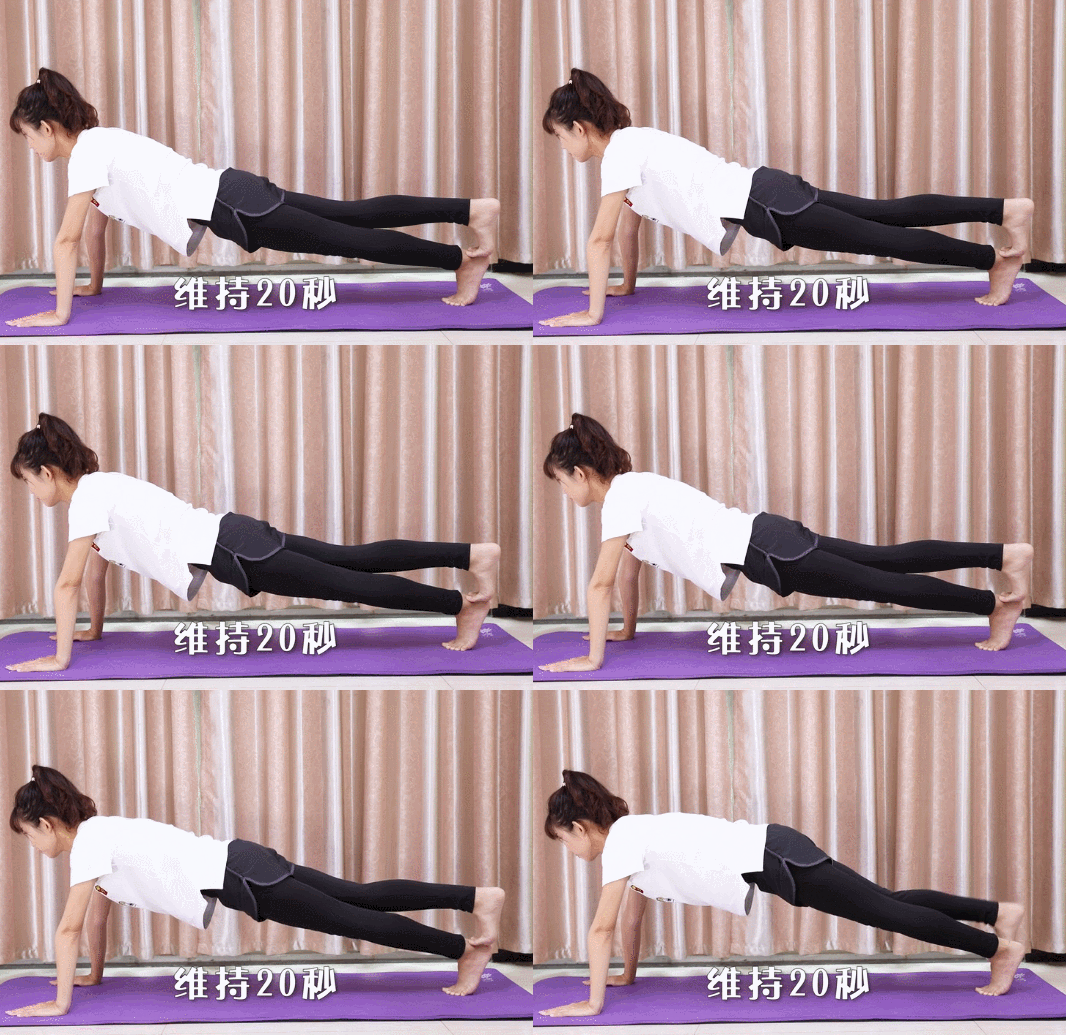
▪ When exercising, move one leg's toes to the position under the heel, contract the calf muscles, and use the toes to press against the ground, with a strong tension in the calf muscles.
▪ Maintain the posture for 30 seconds, then relax and return to the original position, repeat the exercise on the other leg and foot.
Method 2: Alternating leg stacking
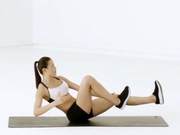
▪ Sit with your knees bent and raised, ensuring that your thighs are perpendicular to each other, your arms are slightly bent to support the ground, your fingers point downward, and your body maintains stability.
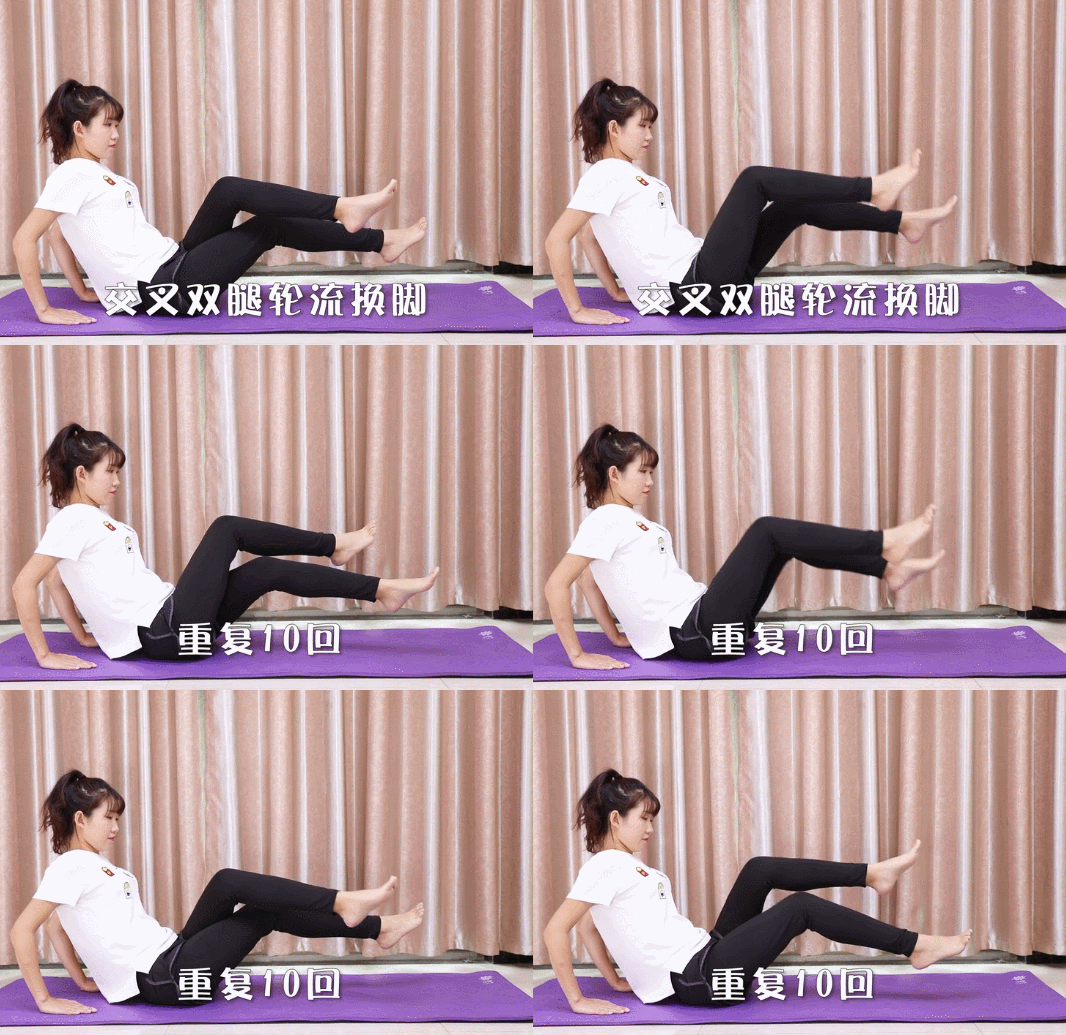
▪ Contract the core muscles, and the calf muscles move alternately to stack the legs, maintaining the stability of the legs and the separation of the legs. Complete 30 seconds of exercise, then relax and return to the original position, repeat the movement.
Method 3: Lying down calf lifting
▪ Lie on your stomach, ensuring that the part above the knee is close to the ground, your arms are bent and placed under your head, and your legs are tucked under a sofa cushion to lift the cushion.
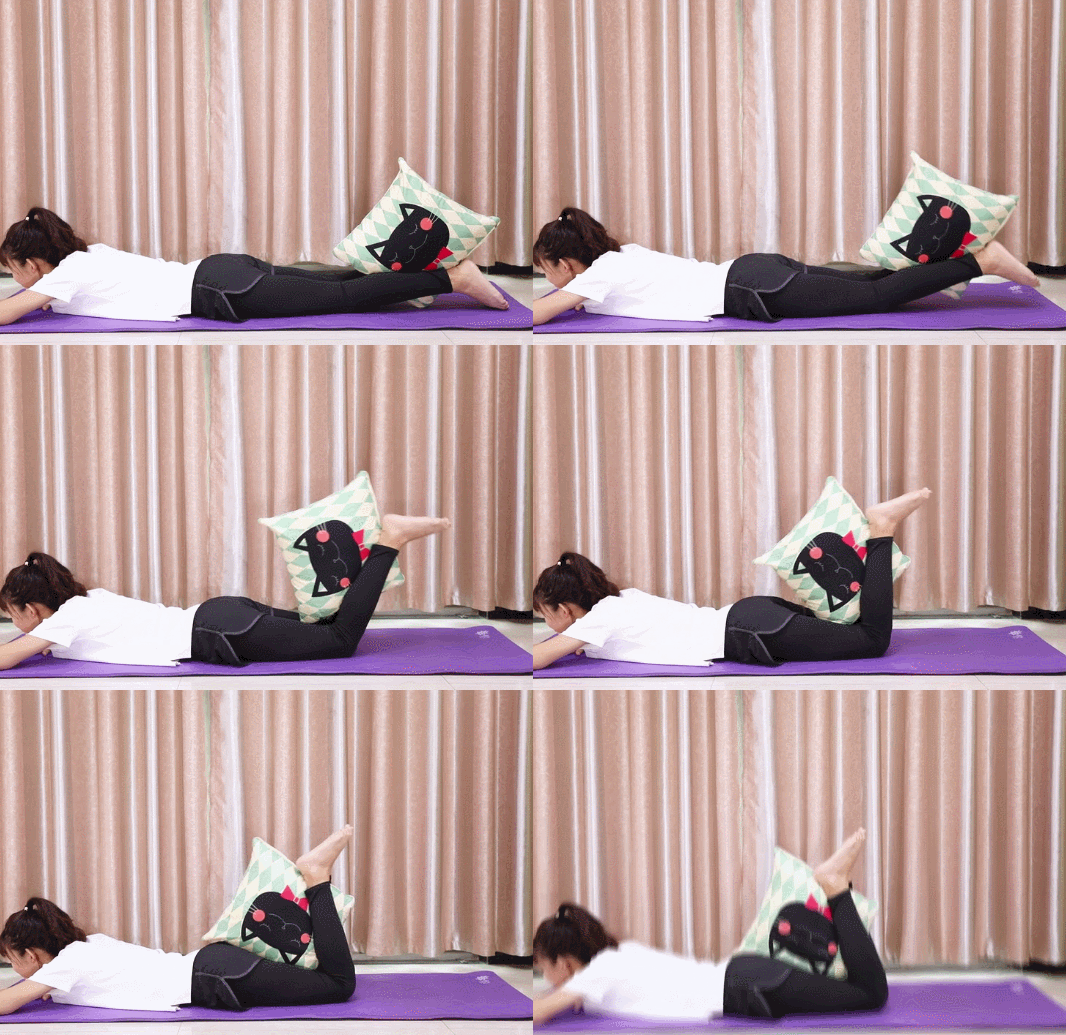
▪ Contract the core, and use the calf muscles to lift the cushion upwards.
▪ Maintain the highest point for 30 seconds, then relax and return to the starting point, repeat the movement.
Office exercises for the calves
▪ Select a fixed chair, slightly bend your arms to hold the back of the chair, stand behind the chair, keep your chest up and your head up.
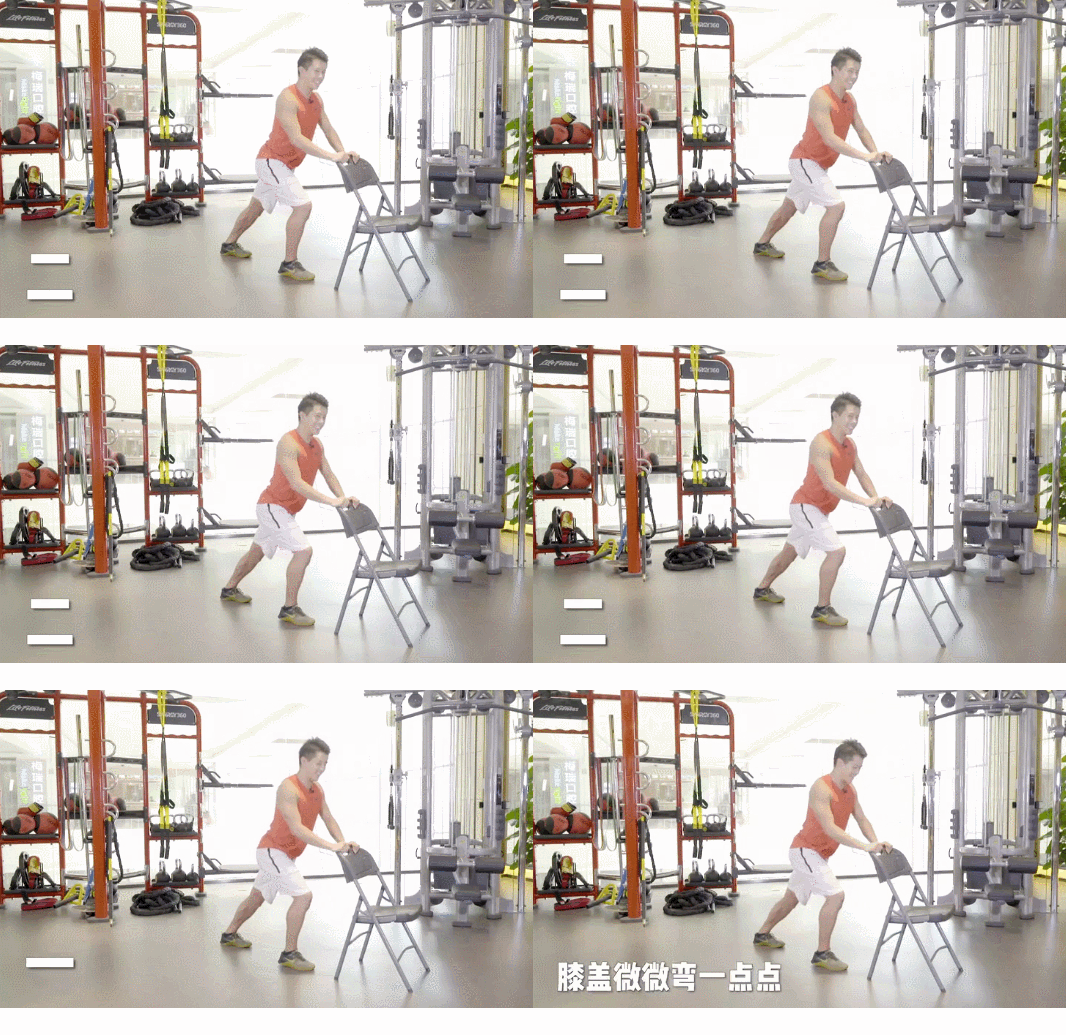
▪ Shift your weight forward by moving your feet to create a split-leg stance with one leg bent and the other extended, with the sole of the front leg pressing firmly against the ground, creating a strong pull on the calf muscles.
▪ Maintain the posture for 30 seconds, then return to the original position, repeat the movement.
Gym exercises for the calves
Movement 1 – Leg extension with equipment
▪ Lie on the equipment, choose a light weight, adjust your body sitting position.
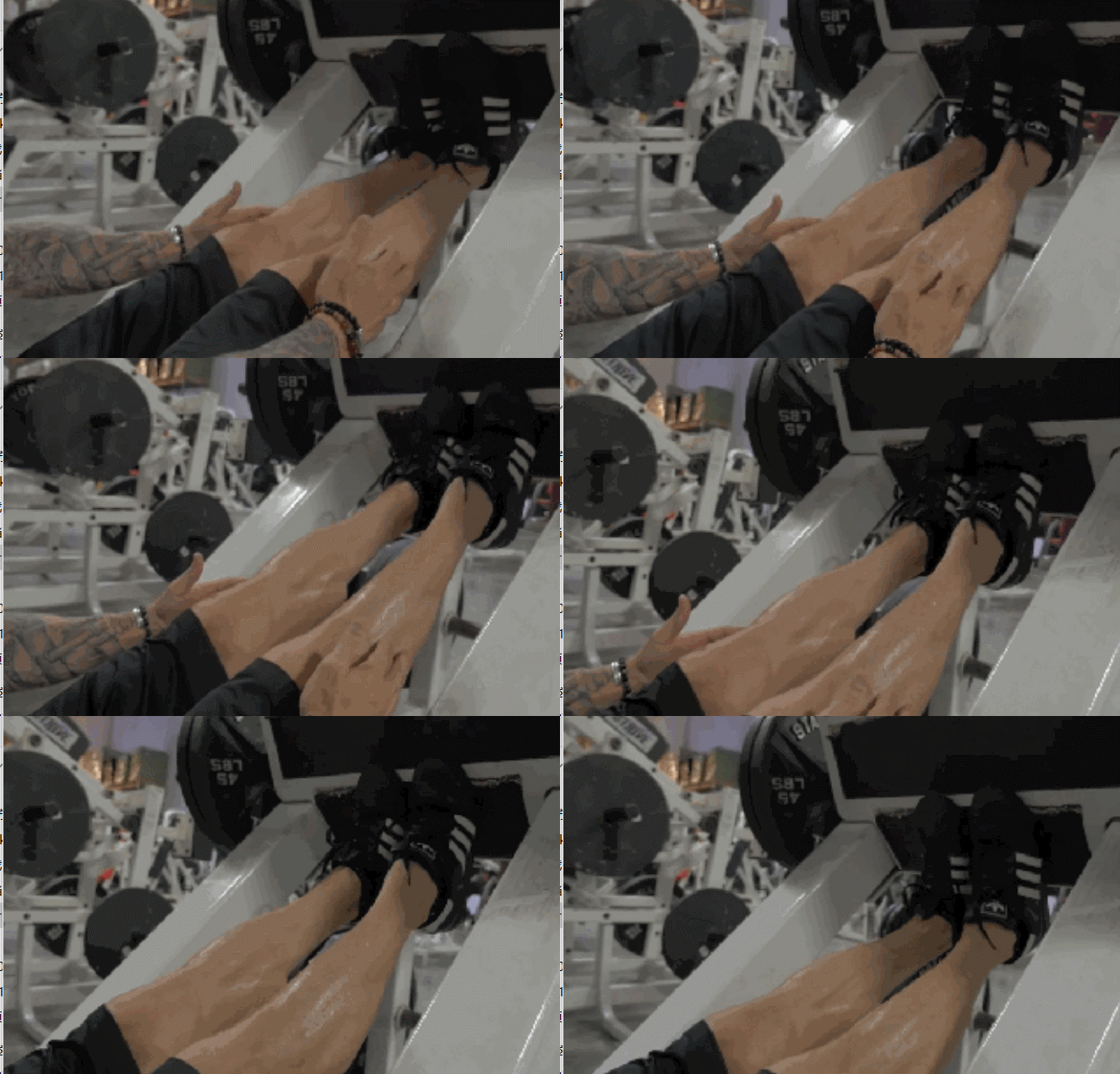
▪ Use the toes to support the weight, extend the legs but do not lock the ankles, and tilt the forefoot outwards to stimulate the inner head of the calf muscles, or tilt the toes inwards to stimulate the outer head of the calf muscles.
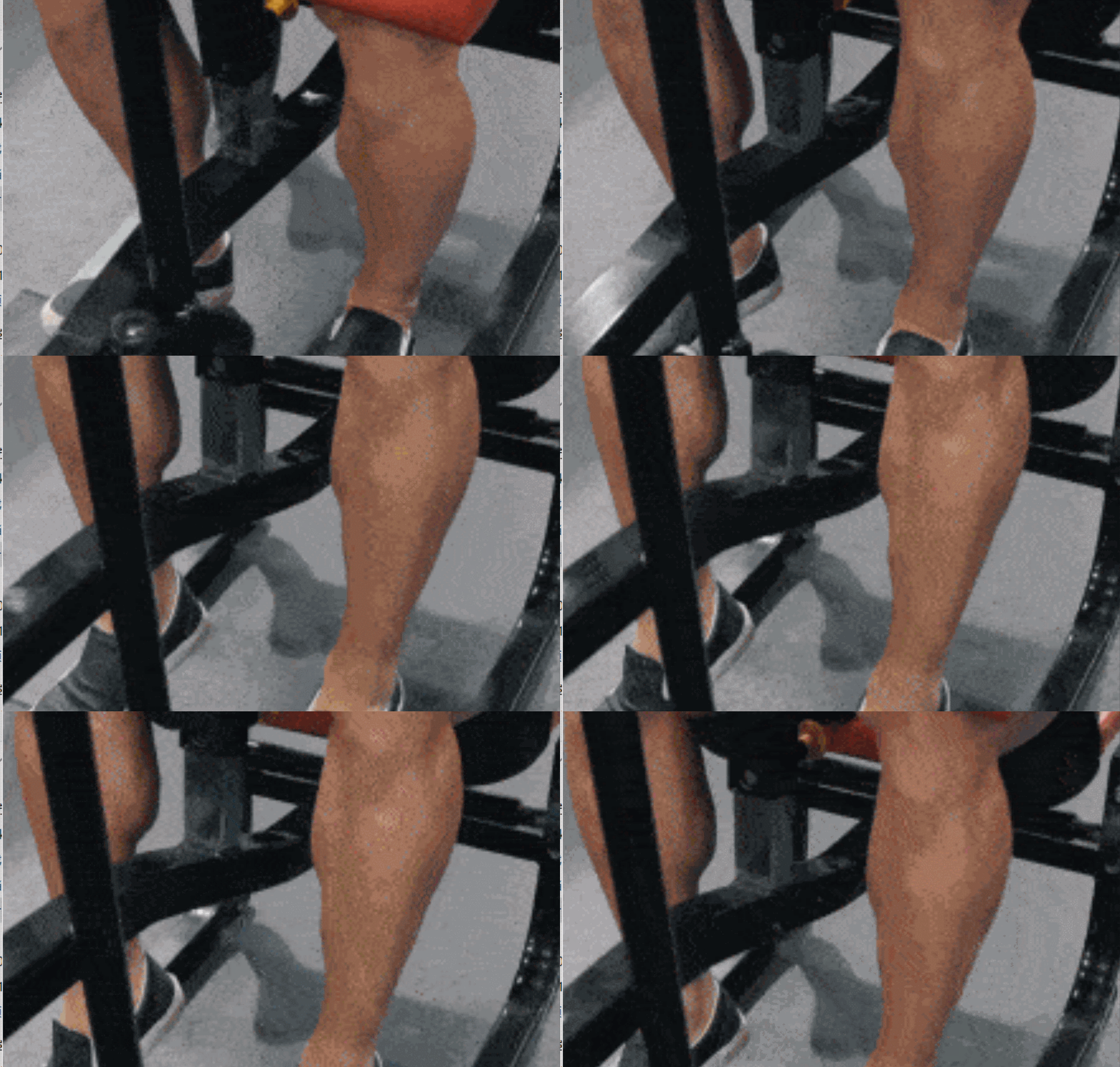
Movement 2 – Seated leg lift
▪ Sit on the equipment, place your toes on the pedal, and your heels outside the pedal, your thighs rest on the bar, and your hands hold the bar tightly.
▪ Use force to lift the bar with your toes, maintain the maximum contraction of the calf muscles for a few seconds at the highest point.
▪ Return to the starting point and repeat the movement.
▪
▪
▪