Why Does Weight Rebound After Losing Weight? Because Your Basal Metabolism Has Decreased
Original content, unauthorized copying is punishable!
Many people who succeed in losing weight often encounter a problem, that is, weight will rebound, and figures will also regain weight, which is the most distressing and unacceptable.
Why does weight rebound after losing weight? This is because during weight loss, your body metabolism decreases, and you can't consume as many calories as before. Once you return to normal eating, the body will produce a surplus of calories, and weight will increase very quickly, leading to figure rebound.
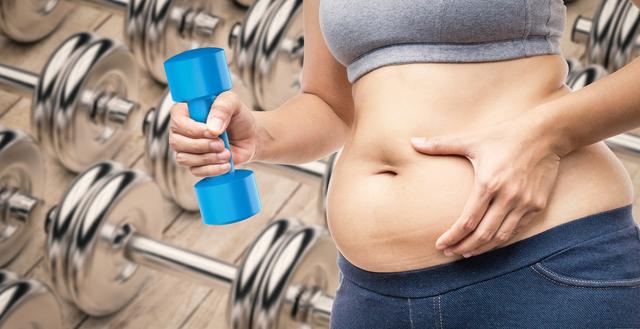
What factors can lead to weight rebound and obesity after losing weight? We can understand them from these factors.
1, During weight loss, you only think about weight loss, without considering the harm that rapid weight loss can cause to the body.Many people think that weight loss is the success of weight loss, and most people initially adopt dieting methods. Although the weight loss process is the fastest, it also harms the body's basic metabolism.

When the body's metabolism decreases and weight loss slows down, people often think that they have succeeded in weight loss and return to normal eating, at which point their weight will rebound. Within 2 weeks, their weight may exceed their previous weight.
Suggestion:When losing weight, don't pursue speed, control a reasonable range. Losing 1-2 pounds per week is reasonable. Only by controlling the speed can you reduce the risk of rebound.
2, In the weight loss exercise process, only single aerobic exercises are adopted.For example, persistently running, starting with running to lose weight. Although aerobic exercise can effectively help the body burn fat, long-term persistence of aerobic exercise can easily lead to muscle loss and a decline in the body's basal metabolism. After successful weight loss, due to the decline in the body's metabolism, if you return to normal eating, weight is likely to rebound, leading to the waste of hard-won dieting efforts.
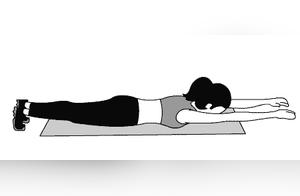
Suggestion: To prevent muscle loss, in addition to aerobic exercise, we also need to add strength training to build muscle dimension and improve metabolism, so that you are less likely to gain weight after weight loss.

3, After successful weight loss, most people stop exercising immediately. This is often the reason why they gain weight.Because most people think that they will not gain weight after successful weight loss, so they immediately stop exercising.
Since the body has not yet adapted to the new weight, when you stop exercising and return to normal eating, the calorie intake will increase and the calorie consumption will decrease, which easily leads to the body absorbing calories frantically and gaining weight. By the time you realize it, your weight may have rebounded.
Suggestion:Don't stop exercising after successful weight loss, but ensure a certain frequency of exercise. For example, maintain 3 workouts per week.

4, After successful weight loss, most people immediately return to normal eating, and even start eating high-calorie foods.For example, when friends have a party and have a barbecue, because people's self-discipline is limited. Many people after successful weight loss think they can indulge themselves and no longer need to be disciplined, so they start eating carelessly. At this time, weight gain is the fastest.

Suggestion:Don't rush to return to normal eating after successful weight loss. You can gradually increase the calorie intake by 200, but don't indulge in eating. You need to monitor your weight in real time and manage your weight.
You can gradually transition from low-calorie to normal eating, but don't recover at once, so that the body can adapt slowly. When you find that your weight is increasing, you need to control your diet, eat less high-calorie food, otherwise you will rebound and gain weight quickly.

Successful weight loss doesn't mean you can stop exercising.
After successful weight loss, you can continue to maintain the exercise time, for example, if you previously exercised 5-6 days a week, you can gradually reduce the exercise time, for example, 3-4 days a week is okay. It’s also good to do strength training during weight loss, as increasing muscle mass can improve personal metabolism and prevent rebound and obesity.