Mid-Stream Swimming: Some Basic Principles of Wave Butterfly Training
Developing a reasonable training plan is crucial for freestyle butterfly, where technical requirements are highest among the four strokes. However, an inappropriate training plan not only risks damaging your butterfly technique but also significantly increases the probability of injury. A knee injury can even threaten your entire swimming career, therefore, establishing a rational training plan is essential. Adhering to the following basic principles during training will make your butterfly training more scientific and reasonable,
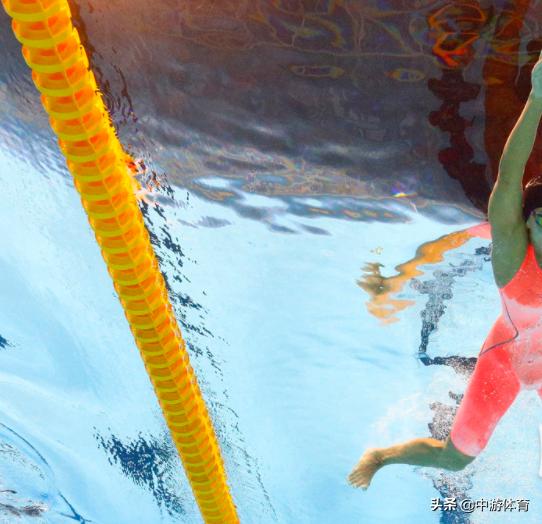
One, do not complete the entire combination to finish all the training.
You might believe that completing the entire technique combination will improve your butterfly skills, but you need to know that butterfly, in the four strokes, is one of the most decelerating and energy-consuming strokes. At the same time, it causes rapid depletion of physical fitness, generates more lactic acid, and increases heart rate compared to other strokes. Therefore, in high-intensity training sessions, it's difficult to guarantee the correctness of all techniques, and correcting errors is more troublesome than learning from scratch,
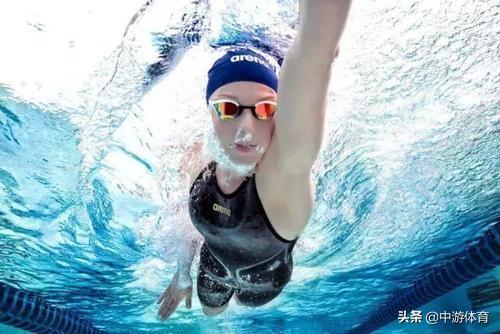
Recommendation:,In basic endurance training, incorporate some other relatively easy strokes appropriately. Butterfly training should not cover the entire training, but all butterfly-related training should not be less than 50% of the overall training plan. If you insist on training with butterfly for all endurance training, breaking up the butterfly into leg kicks, arm strokes, and complete combinations will be more reasonable,

Two, the rest time during intervals under excessive load should be longer,
Compared to other strokes, butterfly reaches the heart rate required for excessive load training faster, because continuous deceleration and acceleration lead to a higher energy consumption for the butterfly swimmer at the same speed. Therefore, you cannot use the training intensity of other strokes to demand butterfly swimmers. The rest time for butterfly training intervals should also be greater than other strokes, to avoid the athlete's rapid fatigue and overtraining,
Three, short-distance butterfly swimmers should avoid long-duration endurance training,
Short-distance butterfly swimmers emphasize anaerobic metabolism and lactic acid resistance. Prolonged endurance training can lead to a lack of power and speed, affecting short sprint training and anaerobic capabilities. However, this does not mean that short-distance butterfly swimmers do not need endurance training. Short-distance athletes should avoid prolonged, excessive load training during endurance training, and should start anaerobic training when the exercise intensity reaches the threshold training requirement,
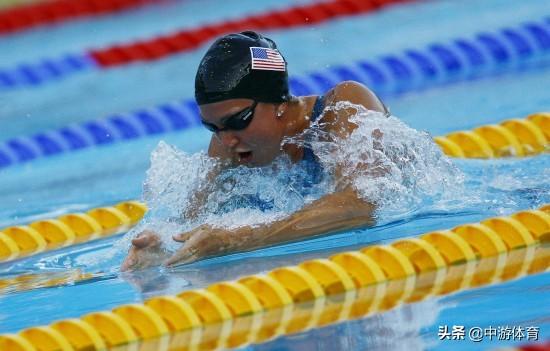
Four, do not overdo leg kicks,
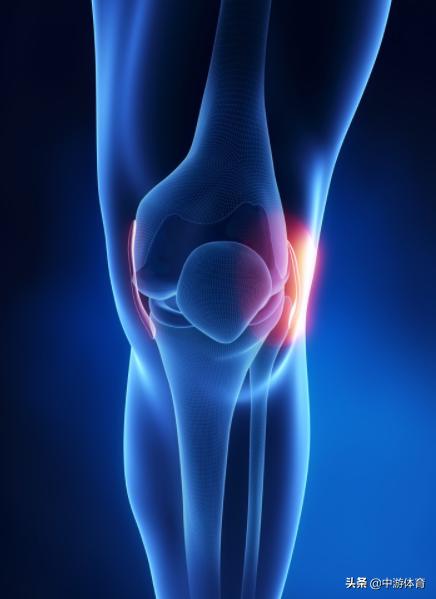
Among the four strokes, the leg propulsion force of the butterfly stroke accounts for the highest proportion. Therefore, butterfly swimmers should theoretically perform more leg kicks than other strokes. However, it's important to note that butterfly leg kicks are very easy to cause knee injuries. Excessive leg training can cause irreversible sports injuries, so avoid high-intensity training by doing leg kicks alone, even in individual endurance training, follow the principle of the first item to conduct leg kicks, arm strokes, and complete combinations to allow the knee to get appropriate rest throughout the entire training,
Two Training Items Notes,
1, Floating Leg Kicks: For leg training, floating leg kicks can achieve very good training effects, but this doesn't mean that all leg training should be done with a board. Untethered leg kicks are very beneficial for athletes to improve their upper body streamline,
2, Do not excessively use butterfly-hand butterfly training: Although butterfly-hand butterfly training helps athletes master the waves and arm techniques, seemingly it is primarily to practice arm techniques, but athletes who are good at butterfly-hand technique often compensate for poor hand strokes, thus not improving hand stroke techniques,
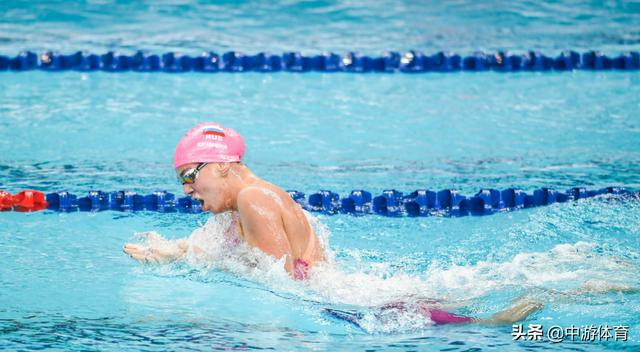
The above is some of the basic principles that need to be followed for butterfly training. Correct and reasonable training plans will help you improve your butterfly technique and avoid unnecessary influences.