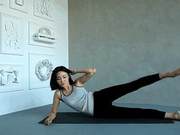
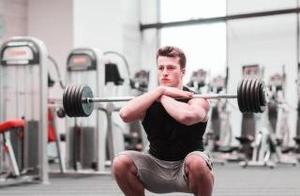
If knee joint pain is not suitable for quadriceps muscle exercises, comprehensive training such as stretching should be performed.
In outpatient settings, almost all orthopedic doctors guide patients to perform quadriceps exercises, as described in the preceding article's four-step method. However, in practical experience, this represents only a small fraction, without specifying situations where quadriceps exercises are contraindicated. Besides strength training, hamstring stretching, flexibility training, and endurance training should also be included.
Firstly, there are certain situations where quadriceps exercises are not suitable.First, individuals with a history of obvious lumbar disc herniation, lumbar spinal slippage, and lower back pain are likely to exacerbate their symptoms with straight leg raises, even without using weights. Secondly, some individuals with severely displaced patellas, severe patellofemoral arthritis, and patellofemoral external pressure on the outside of the joint may experience anterior knee pain even with static quadriceps exercises.
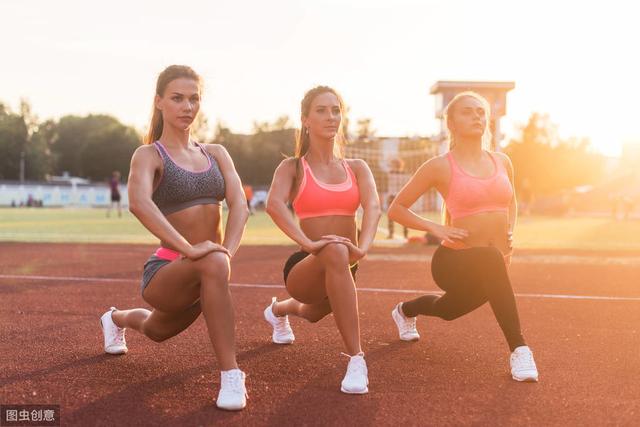
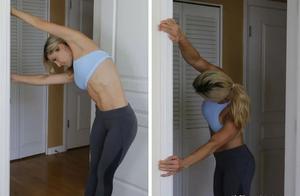
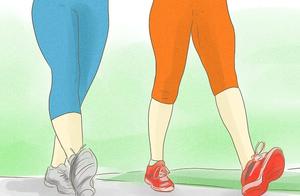
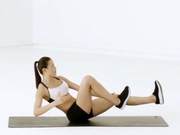
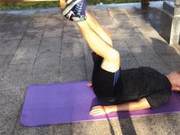
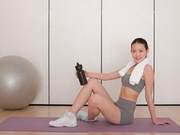
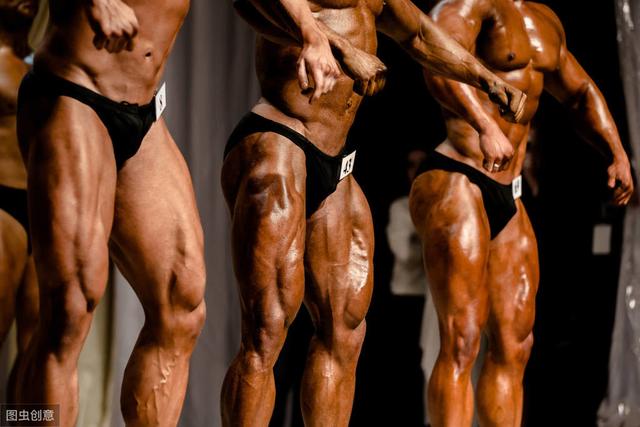
Secondly, it's important to understand that the primarily introduced exercises mainly focus on increasing muscle strength.However, knee joint surrounding soft tissue exercises are comprehensive, including muscle belly, muscle tendons, ligaments, and joint capsules. Besides strength training, there are other forms of exercises.Hamstring stretching, also known as 'stretching,' aligns with traditional Chinese fitness theory, where 'each inch of muscle lengthening adds one year to life.' While perhaps not fully scientifically proven, it suggests a beneficial effect. For example, lying on one's side and reaching forward to touch the soles of the feet can stretch the posterior joint capsule, potentially preventing its shrinkage in osteoarthritis and relieving posterior pain. Stretching the outer knee ligaments, including the iliotibial band and the lateral femoral collateral ligament, such as crossed-leg stretching, can effectively reduce pressure on the hip outside. Flexibility training, such as lying on your back and kicking your feet, can increase flexibility and alleviate stiffness associated with arthritis.Endurance training, including sustained straight leg raises and static squats, can increase muscle durability and be beneficial during long-distance walking.Proprioception training, such as alternating heel-to-knee-shin exercises, can improve the proprioception of the knee joint, enhancing joint stability.Finally, several practical issues need to be highlighted:One, strength training exercises are particularly important for women, while men seem to require more rest, as many heavily muscled men suffer from severe osteoarthritis, suggesting that the two relationships are not strong. However, women, after consistently practicing for a period, can experience a gentle reduction in pain. However, the monotony of strength training makes it difficult for women to sustain. If the exercises can be arranged into a set, with alternating postures and methods, women may find them more acceptable.Two, through comprehensive training of the knee joint, some individuals experience a sense of control over their knee joint, including pain, from a physical and psychological perspective. Three, whether it's quadriceps or posterior calf muscles and hamstrings, increased blood supply through the tendon-bone joint interface can be transmitted to the bone, such as the medial popliteal muscle, supporting the nutrition of the patella joint surface, which provides an explanation from the anatomical perspective for the influence of muscle training on the joint.#knee joint care##quadriceps##muscle training#
#endurance training#
#healthy living#
@CCTV Health China@Toutiao Health This article is copyrighted by Dr. Jiang Ke Wei. Please do not reprint without authorization. ## ## ## @CCTV@