Want a Better-Looking Chest Muscle Shape? Target the Lower Pectoral Muscles with This Exercise
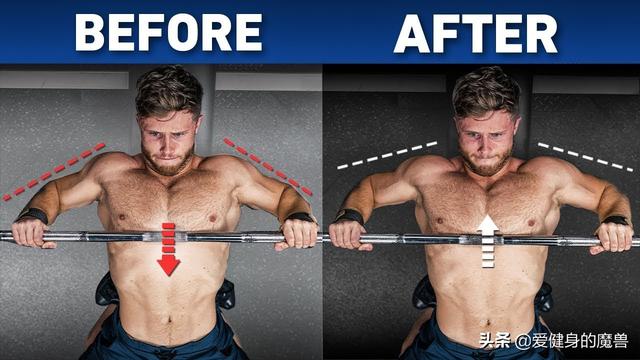
Still remembering that we introduced reverse decline bench press before, many friends have forgotten about it. A comment below the article said, 'It's not that friends deliberately ignored it, but the gym owner didn't take it seriously.'
Think about it, 10 people doing flat bench press, 5-6 also do reverse decline bench press, and only 1-2 remain in reverse decline bench press. Which boss would buy a useless piece of equipment that doesn't get used? It's not just the boss's fault; the head-down-foot-up posture increases the risk. Even Schwarzenegger would 'feel dizzy!'
Correctly recognizing the benefits of reverse decline bench press
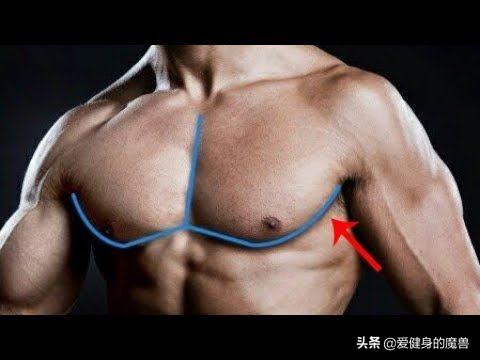
Reverse decline bench press is just a variation of barbell bench press, it's just at a different angle. When you lie on the reverse decline bench, your head is closest to the ground, it mainly stimulates the lower part of the sternum of the chest muscles.
Benefit 1: Muscle Growth
The obvious benefit of this exercise is to stimulate the lower part of the chest muscles, stimulate more muscle fibers in this area. Nevertheless, according to research, compared to flat bench press, this exercise for overall chest muscle and anterior deltoid muscle hypertrophy is similar.

Research using two different bench press exercises, determined chest muscle in different areas of the movement unit relationship. Found 15 young, experienced male volunteers did 6 sets of incline and decline bench press (relative to the horizontal direction, respectively +30° and -15°), observe muscle activity in the upper and lower chest muscle area electrodes, incline and decline bench press for upper and lower chest muscle activation has no obvious difference.
Therefore, in terms of angle, reverse decline bench press can more specifically target the lower part of the chest muscle, while flat bench press and incline bench press have no significant change in stimulating the upper chest.
Of course, in different studies, there are different variables to consider, and the research also shows that at a specific time point in the incline angle, there is also a special activation of the upper chest. However, in the first study, the subjects had experience with weight training, which gives us more credible evidence.
Reverse decline bench press also has a significant effect on the triceps, because the triceps work through elbow extension to push the barbell and control the eccentric phase.
Benefit 2: Increase Strength
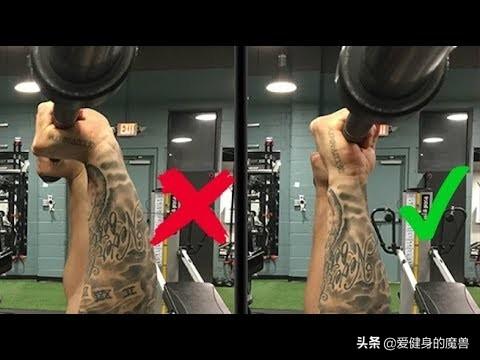
When doing compound multi-joint exercises, if you can frequently perform progressive overload exercises, the stimulated muscle strength will increase.
This can be done with any variation, and barbell is the easiest to obtain maximum strength.Benefit 3: Reduce Pressure on Back and Shoulders
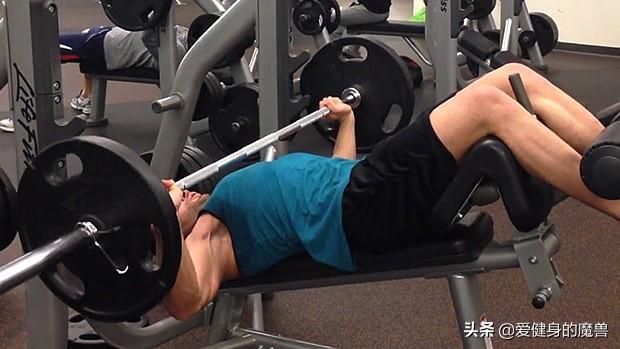
Because of the decline angle, reverse decline bench press will shift the load to the lower part of the chest muscles, compared to flat and incline, it can reduce the pressure on the back and shoulders.
Therefore, you can use a relatively large weight to train this exercise, and you should know that the main focus is on the lower chest muscles.
How to correctly perform reverse decline bench press
If the gym doesn't have a reverse decline bench, you can achieve it with an incline bench and dumbbell. However, the following details can be used.
First, it is important to note that the angle of the reverse decline bench press may cause dizziness, especially after completing a set and getting up. This is because normal blood flow is disturbed.
You must make the best judgment based on your feelings, but for your safety, it is recommended to have someone protect you during the exercise. Also, it's important to be aware of the risks.In addition, during the reverse decline bench press, you will obviously feel that the weight moves backward and downward. Only by using equipment with a rack and leg support cushion to ensure safety can you use the barbell exercise.
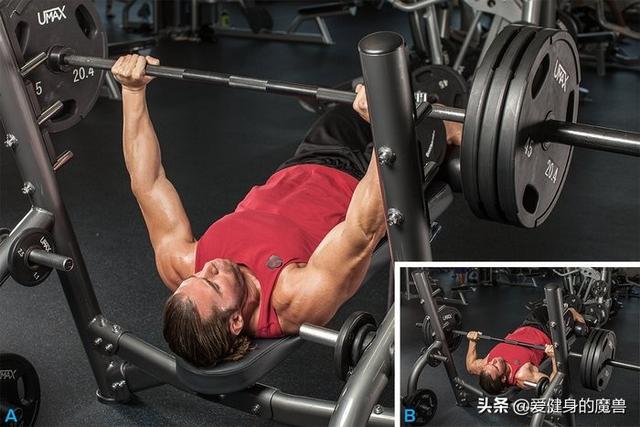
If you only have a simple decline bench, dumbbell is a safer choice. But it's still not recommended to use heavy weight without complete equipment.
Specifically, the details are as follows:
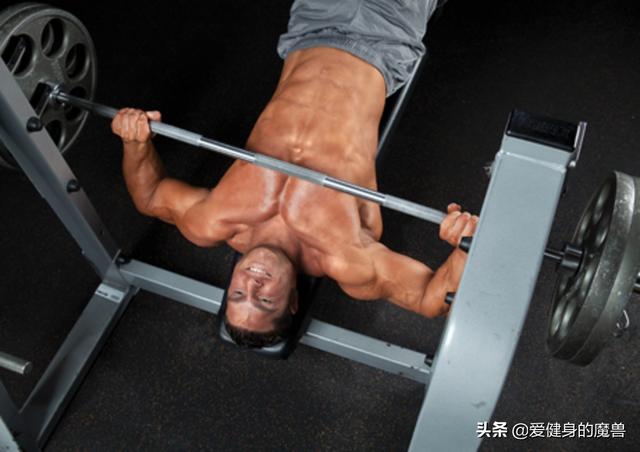
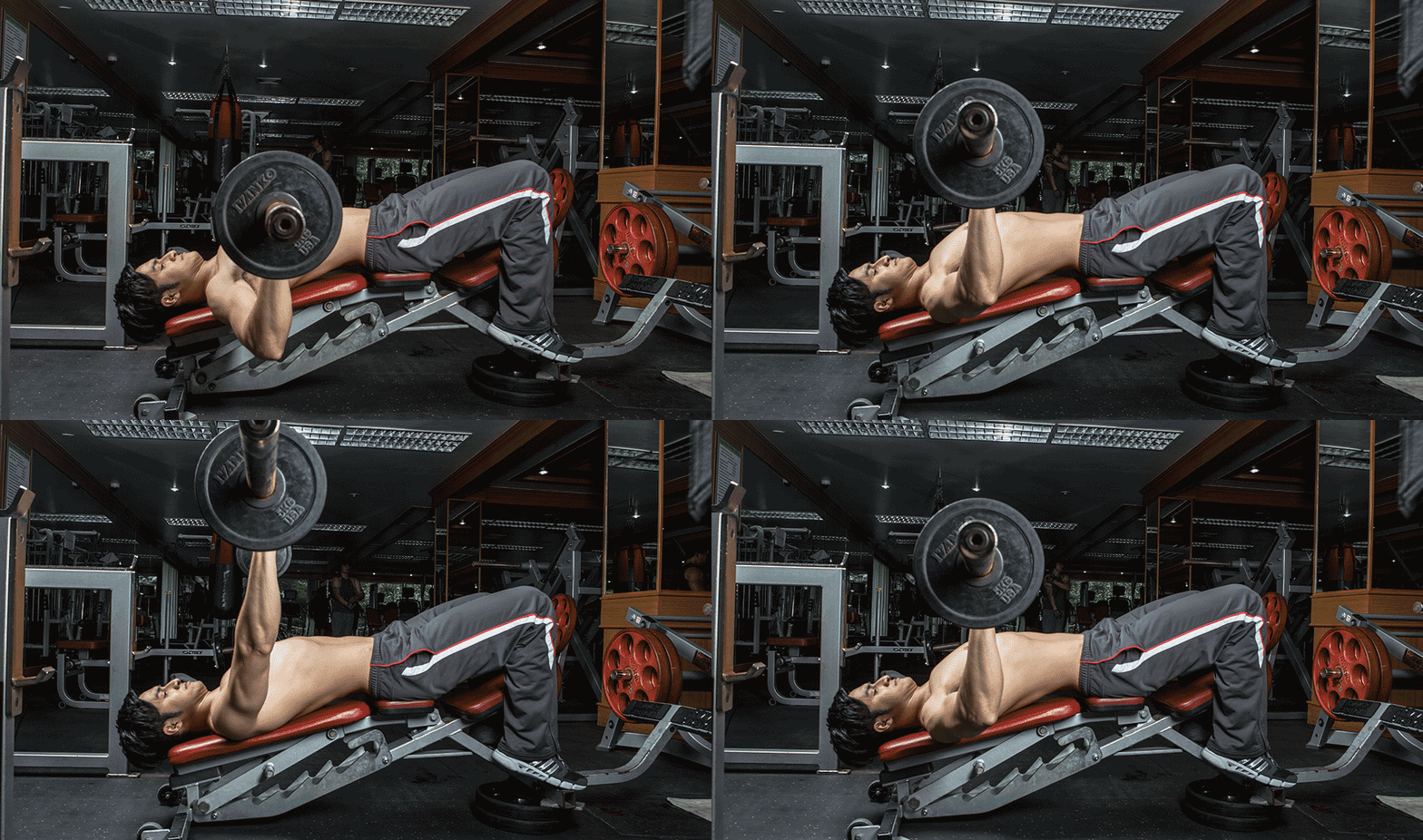
First step: Lie on your back on the long bench, secure your ankles under the pad.
Second step: Hold the barbell, with a grip wider than your shoulders but not too wide (otherwise it's not good for the shoulder and chest muscles), adjust your body to a comfortable position.
Third step: Slightly retract your arms, the arms at a 45-degree angle with the torso, contract the shoulder blades, tighten the back deltoids, straighten your wrists.
Fourth step: Lift the barbell, then move the barbell to the upper part of your sternum, arms straight.
Fifth step: Inhale, lower the barbell, and exhale while contracting the chest muscles to push the barbell up.
Keep your core tense, don't overextend your chest to push outward and avoid excessive involvement of the anterior deltoids. You can find a point in the ceiling and push towards it.
Variation 1 – Reverse Decline Dumbbell Bench Press
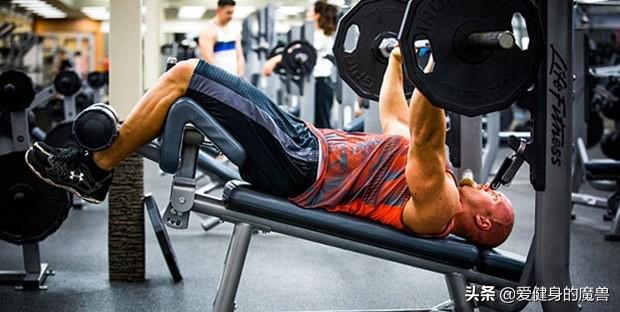
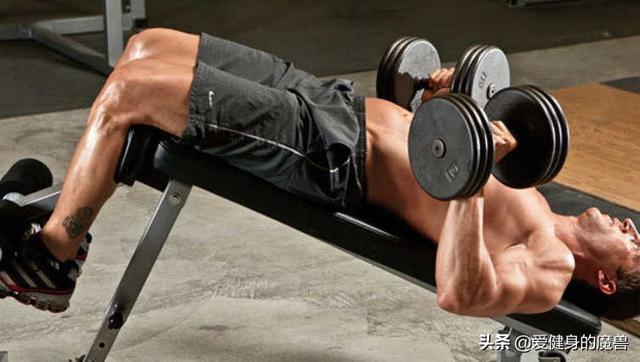
The most effective training tool is besides barbell, it's dumbbell. Reverse decline dumbbell bench press can really bring the muscle a strong contraction and a thorough stretch, because you can grasp a larger movement range (you can also use a supinated grip to achieve better contraction), dumbbell requires more stability.
If you can't fix your feet, choose lighter dumbbells. Since the angle of the bench is difficult to sit in properly, sometimes even dangerous. Want to train with heavier dumbbells, it is recommended to ask someone to help you lift the dumbbell, you have to lift the dumbbell at the decline angle, which is very difficult.
Variation 2 – Reverse Decline Rope Bench Press
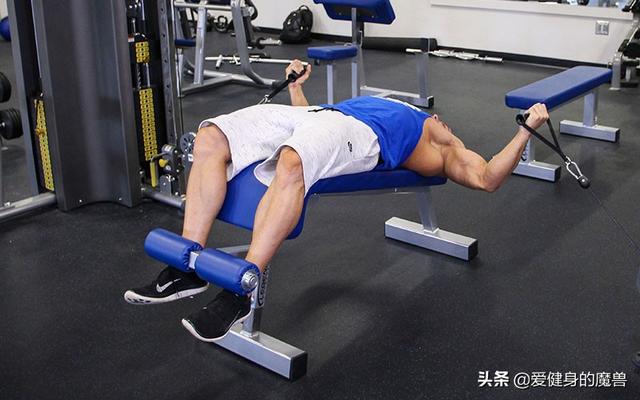
Rope is another magical tool, it can continuously keep the muscle tense, also allows for relatively free movement range. Add more rope training to your plan to maintain continuous progress. The way to keep making progress is to add rope training.
In the middle of the dragon gate frame, put a decline bench, here you can't use heavy weight, the stability of rope action is less stable, you can also use a single handle, or even connect a straight rod on the rope to make the action closer to barbell bench press.
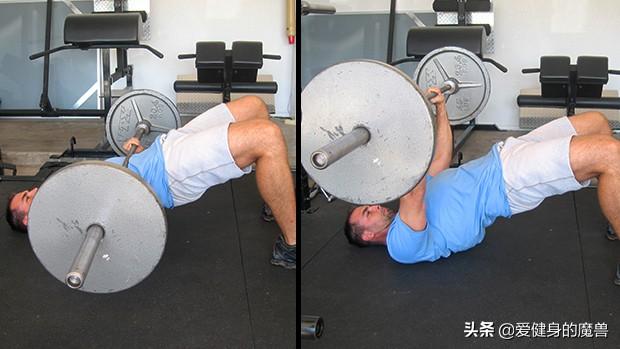
Variation 3 – Floor Bench Press
This is a feasible option for those who don't have a decline bench. You will use the hips to create a decline position. However, for this exercise, it is recommended for beginners to train with light to moderate weights, and experienced trainers can train in a power rack with heavier barbells.
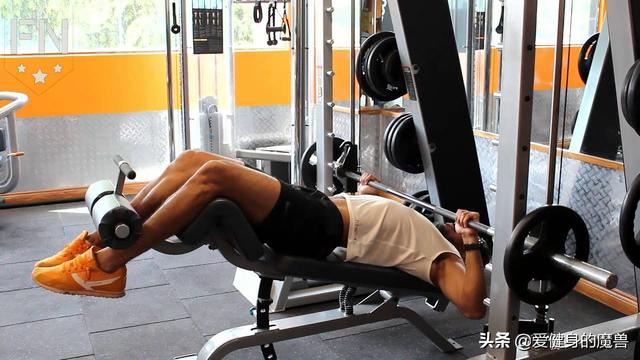
Variation 4 – Decline Equipment Bench Press
Smith machine and other equipment can be used for reverse decline bench press, it's also a very effective variation.
Variation 5 – Other Lower Chest Exercises
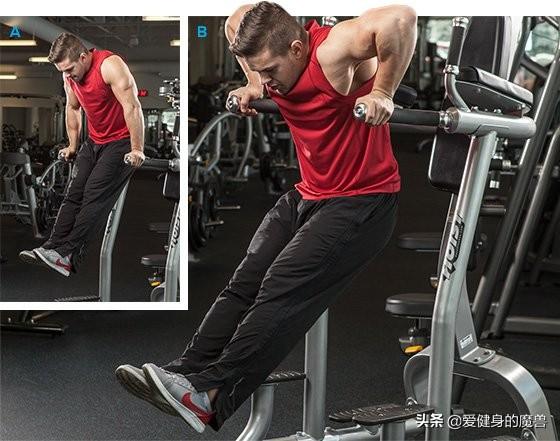
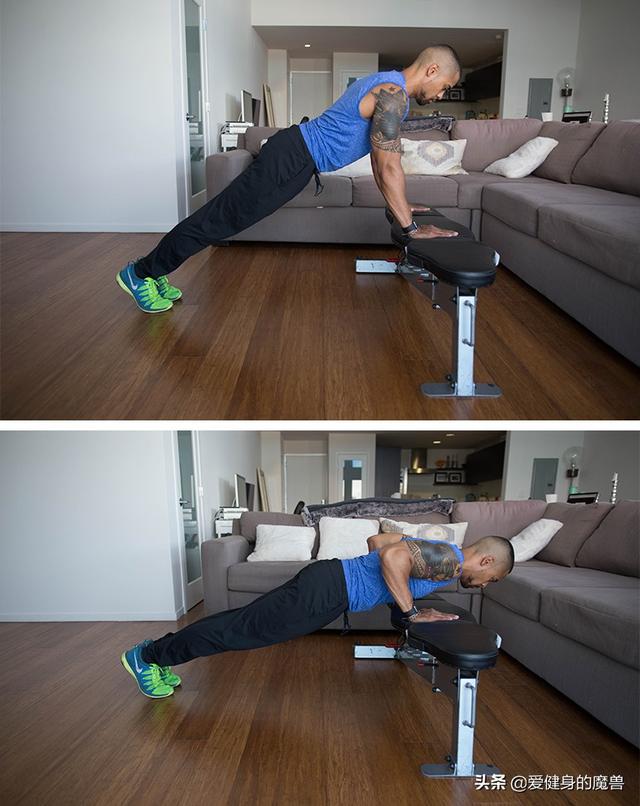
Below are the same exercises that target the lower chest. 1. Barbell chest press, 2. Push-ups, 3. Incline push-ups
It's better to lean forward instead of keeping a straight posture. Focus on stimulating the lower chest, but don't eliminate the involvement of the triceps.
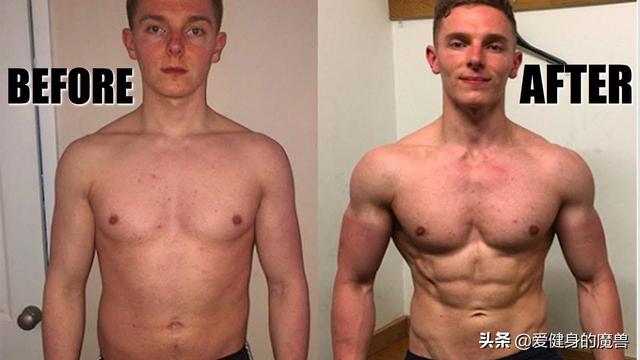
It's a good way to improve the muscle development, and it can help improve the chest development. We suggest that you add 3-4 sets of reverse decline bench press after flat bench press and incline bench press!
##
##
3-4