How to Get Started with Fitness for Beginners?
Many people say that I am a beginner, I don’t know how to exercise, how should I start? Today, let’s share some basic knowledge for beginners when starting fitness, so that you have a better idea.
No matter fitness or anything else, to do well, we must first learn and start to do, which is a process of improvement.
Today, let’s share how to learn fitness for beginners. Below is divided into three parts to explain. 1: According to your training goals, first learn basic fitness knowledge. 2: Basic nutrition knowledge learning. 3: Take action.

1: According to your training goals, first learn basic knowledge
Training goal introduction: Some people want to gain muscle, some want to lose fat, and some want to shape their bodies. So, it’s important to have a clear understanding of your training goals.
According to your fitness goals, learn the most basic fitness knowledge
Here, let’s take muscle gain as an example to explain the whole idea.
1:First, we must understand that the basic principle of muscle gain is to destroy muscle fibers and then repair muscle fibers, so that muscle fibers become thicker. Therefore, training is only for destroying muscle fibers, and rest is when muscles truly grow. Usually, large muscle groups need 72 hours of rest, and small muscle groups need 48 hours. (Note: Of course, there is the issue of over-recovery, which will not be discussed here. It will be mentioned later).
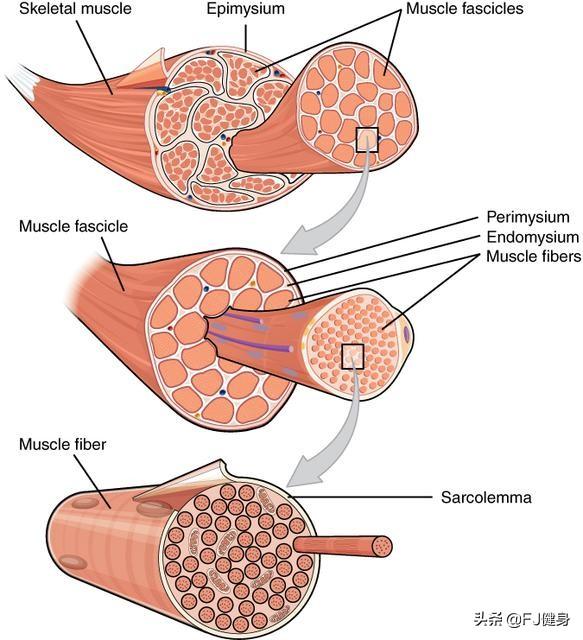
From this knowledge point, we know that we cannot train the same muscle group every day, and we should split training to give muscles rest and recovery time.
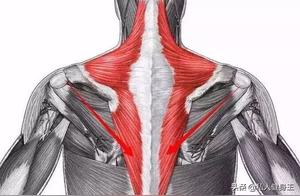
2: Understanding different muscle groups. The human muscles are divided into cardiac muscle, smooth muscle, and skeletal muscle. We mainly exercise skeletal muscle.
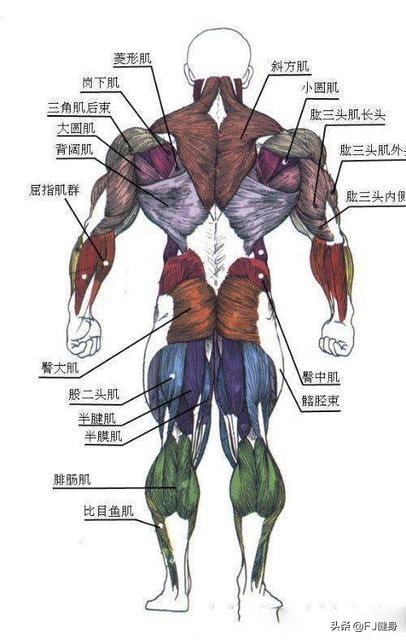
The main skeletal muscles we exercise are: pectoralis major, back muscles, arms (biceps, triceps, forearms), deltoids (shoulders), abdominal muscles, glutes, and thighs.
From this point, we know which muscle groups to train according to our training goals, and then split training.

3: Which exercises train which muscle groups? For example, the exercises to train the pectoralis major are: push-ups, bench press, dumbbell bench press, dumbbell fly, and butterfly machine.
From this point, we learn which equipment or exercises are used to train which muscle groups.
4: Understanding training volume and training weight. Training volume, we generally increase it gradually, following the principle of progressive overload, to achieve over-recovery. That is, gradually increase the intensity and volume, and your muscles will adapt to such intensity, so that they become stronger.
Training volume usually includes these factors: weight, the number of exercises, the number of sets for each exercise, the number of repetitions for each set, and the rest time between sets. These data changes all affect the training volume.It is particularly emphasized that regarding training weight, training weight is generally expressed using the RM value. RM value is the weight that can be repeated in a standard exercise technique. For example, a 10kg dumbbell.Biceps
Bicep curls, you can do 10 repetitions, so your 10kg bicep curl RM is 10. And RM value between 0-5 focuses on improving muscle strength, RM value between 8-12 focuses on improving muscle hypertrophy. RM value, above 15 focuses on improving muscle endurance.
From this point, we know that when exercising a muscle group for the first time, we can choose 2-3 exercises, and each exercise can be done 3-4 sets.
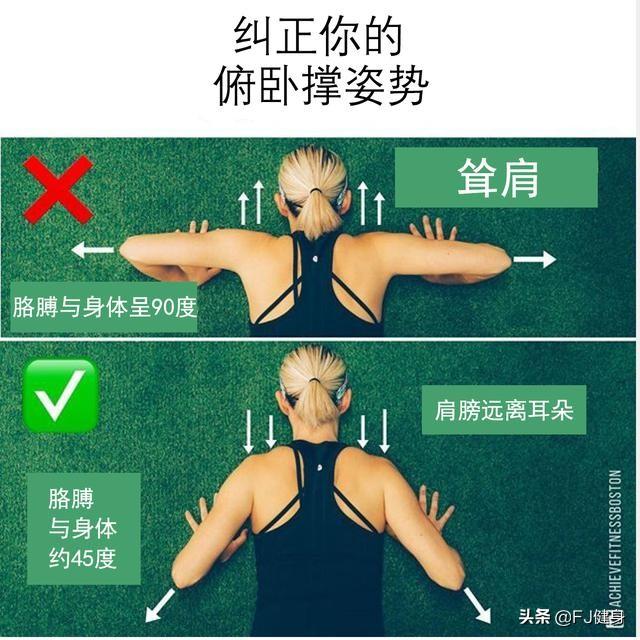
5: Learn standard fitness movements. Learning standard movements will be explained in more detail here. Whether it’s learning from online instructional videos or observing people in the gym, learning standard movements is a process.
Two: Basic nutrition knowledge learning
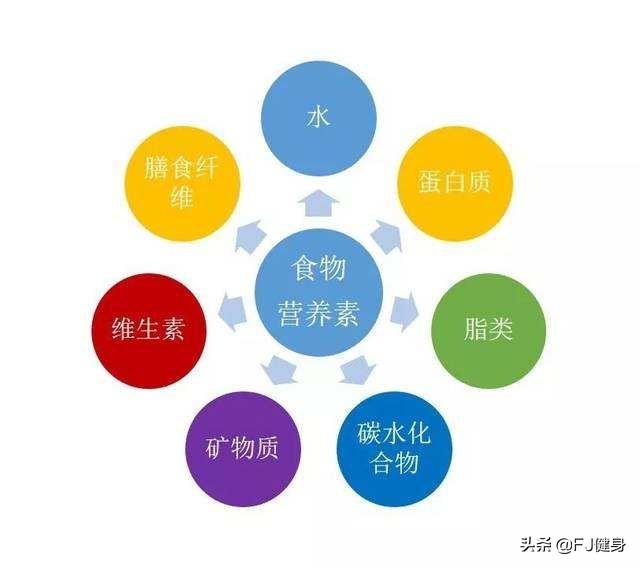
1: There are seven major nutrients in the human body: protein, carbohydrates, fat, vitamins, minerals, dietary fiber, and water. Protein, carbohydrates, and fat are the three main energy sources. Whether it’s fitness or healthy eating, we should pay attention to nutritional balance.
2: The relationship between muscle gain and total calorie intake. Muscle gain should be energy surplus, eat more, usually 10% more than daily consumption. The extra energy is used for muscle synthesis.

3: Protein intake for muscle gain. Muscle is made up of protein, so when we meet the energy surplus, we also need to meet sufficient protein intake to better achieve muscle gain. You can calculate it as 1.5-2 grams per kilogram of body weight.
Three: Take action
The above introductions are just basic fitness awareness, just to give you a basic understanding. 'Paper gains are always shallow, and only by doing it yourself can you truly understand.' Having a basic understanding, you can start fitness, and in the fitness process, you continuously learn and improve yourself. Also, in fact, exercising is the key to building muscle.
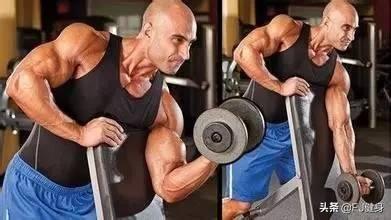
Summary: How to start fitness? Fitness should start with action, including learning fitness knowledge, and taking action in fitness. Even if you have a coach to train you, it is still a learning process, including knowledge learning. And actually exercising is the key to building muscle. So, if you want to do fitness, start action!