Dumbbell Bench Press: Changing Grip to Avoid Shoulder Pain
You love close-grip bench press, but your shoulders refuse to cooperate. In fact, shoulder pain has become a limiting factor, and many people suffer from shoulder pain during bench press.
Exercise training requires technique. Correct technique helps you avoid injuries while simultaneously enhancing your training results!
Shoulder discomfort during close-grip bench press is the most common problem. Today, we're going to introduce some tips and details that, once mastered, will have your shoulders thanking you.
Changing the dumbbell angle:
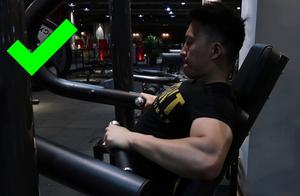
Most people like to position the dumbbells so they form a straight line (aligned) as shown in the figure. However, I don't recommend doing this.

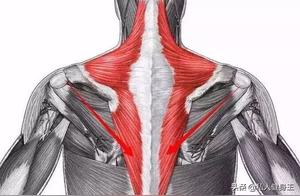
We all knowDuring close-grip bench press, maintaining the stability of the shoulder blades (depression, slight retraction) is crucial. Slight external rotation of the shoulders can help you move the shoulder blades back and down, returning them to the neutral position, which provides torque to the shoulder joint groove (avoiding shoulder internal rotation, excessive abduction, and shrugging!), and also prevents the rotator cuff muscles from being squeezed and injured by the acromion.
A barbell is a straight bar, so we need to imagine bending the barbell to maintain the shoulder stability. With dumbbells, we don't need the same grip as a barbell.

Consider your angle when pressing with dumbbells. I recommend slightly rotating your shoulders outwards, forming a V-shape with the dumbbells, and then performing the bench press. You'll love it!