Six Pack Abs Are Only for Showing Off; True Core Strength Is What Matters

Since the emergence of tank tops and bikinis, particularly with many celebrities showcasing their six-pack abs, people have been obsessed with having a flat, toned midsection. Many fitness coaches hear the most common client request is: 'I want abs!' Looking around a gym, you might see half the people (especially women) doing sit-ups, crunches, planks, using ab rollers, and other exercises that will make your stomach hurt tomorrow.

Don't misunderstand us, these ab workouts aren't bad, but having a strong core is more important. But it's time to understand the difference between abs and core. And appreciate the true function of this often-overlooked muscle group.

These reasons will tell you not to view abs as a matter of bragging rights, but to start seeing the deeper benefits of core training.
Your core is your entire body's support system
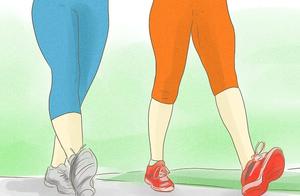
Your core muscles play an important role in your everyday activities, from getting out of bed, to walking down the street, to bending down to grab your wallet. But most importantly, they really help you maintain an upright posture.

That's because your core muscles form the foundation supporting your entire body. They completely surround and support your spine and pelvis, and connect your upper body to your lower body, effectively transferring power.
Let's review the anatomy.
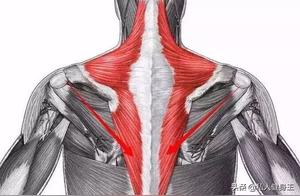
Your abs aren't just a surface muscle. The deepest abdominal muscles can also be considered the most important – your transverse abdominis, which stabilizes your spine and pelvis. Then you have the obliques, which control side bends, rotation, and other spinal movements. Finally, the most superficial muscle, the rectus abdominis, runs vertically along your abdomen front and is what you see as the six-pack. It allows your torso to flex forward.
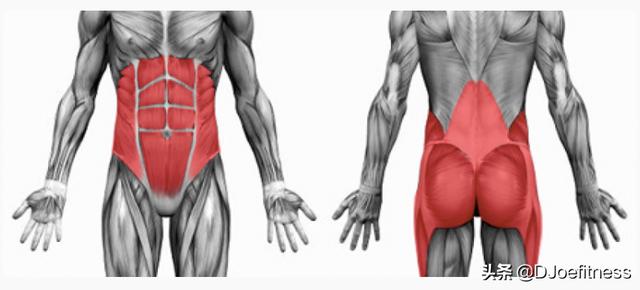
When you talk about the entire core muscle group (rather than just the abs), you're referring to muscles that include the pelvic floor, back muscles stabilizing the spine, and the diaphragm (the primary breathing muscle).
Regardless of whether you're actively exercising or simply sitting at your desk, strong core muscles help you maintain a more upright posture. Think of it like the trunk of a tree – it must be firmly rooted to the ground so that your branches (arms and legs) can do whatever they want.
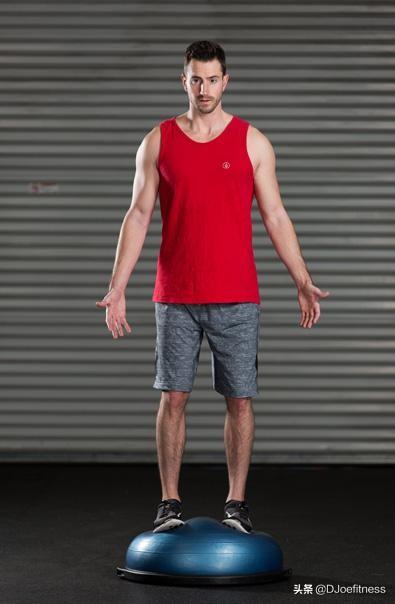
Core strength is essential in every movement you make.
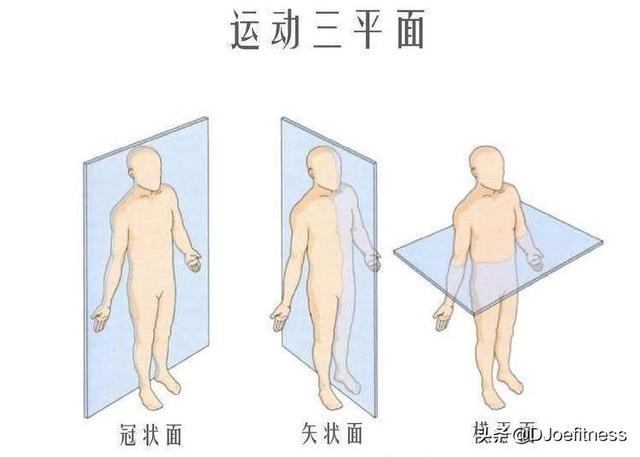
When you start exercising, a stable base is important: 'The abs play a dominant role in movement in all three planes (generally there are three planes) – sagittal (forward and backward), frontal (left and right), and transverse (rotation)'.
Typically, core muscles activate before a specific activity. Our nervous system anticipates the activity and prepares to support it. When you do anything, if you don't have core stability and strength to support your spine, you might use other muscles to compensate.
A weak core is a leading risk for lower back injuries. Research shows that core strength training (particularly training of the deep trunk muscles) can help alleviate back pain.
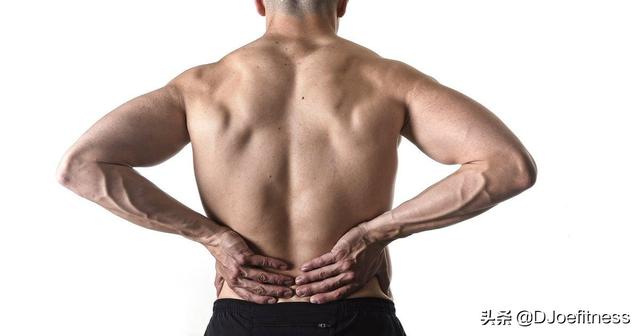
While back injuries are common in people with weak cores, you can also injure other areas of the body, such as the shoulders, hips, and knees. Even if core weakness isn't the sole cause of an injury, it's often a significant factor, which is why core strength improvements are incorporated into many injury rehabilitation training programs.
You need to build enough core strength before you can improve other muscle strengths.
In large part, core strength is what prevents you from completing or continuing a movement (or fitness exercise). Even in exercises that don't appear to have a visible six-pack,
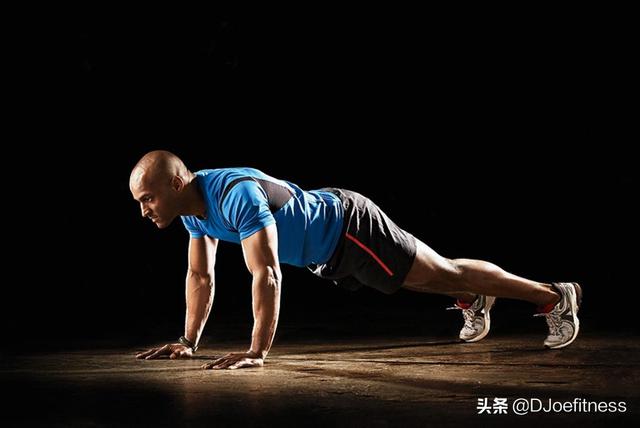
For example: When doing push-ups, does your hips drop? Is your lower back arched? Are you initiating with your abs? In a push-up, does your lower back extend and your ribs jut forward?
In a deadlift, do you feel pain in your lower back? Or are you forced to arch your back or lengthen your spine?

In any of these cases, your core strength may be weak.
That's why many exercises require core stability and joint mobility. Building a proper foundation not only helps you avoid injury but also allows you to progress faster. A study on runners found that runners who completed six weeks of core strength training improved their speed by 5000 meters.

You need to activate correctly.
However, having a strong core is only part of the equation; you also need to know how to use it. Most people come to core training with weak cores, but that's not necessarily a core problem. Their bodies aren't in the optimal position to use them, and they may not even know how to 'activate' them. This is often due to prolonged sitting, slouching, or excessive stretching (many people think good posture is like this).

It's more about raising awareness of muscles. Once people can activate muscles, it becomes much easier to activate them in all movements. Use these techniques to learn how to use your core and follow these instructions to ensure your core is working in all your training.
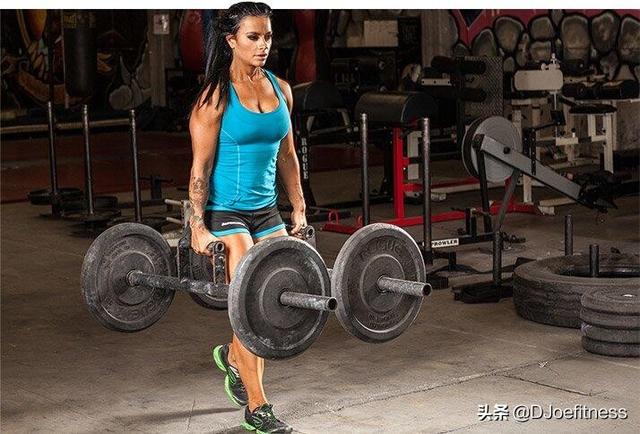
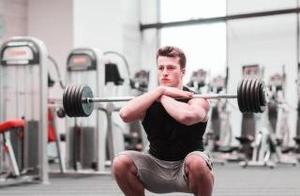
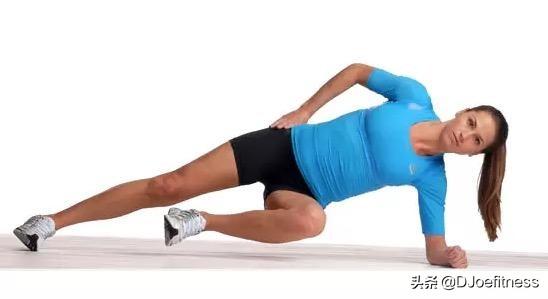
But before you add a lot of Russian twists and leg raises, note: 'If the repetitions are too frequent or performed incorrectly, such as spinal flexion and rotation (e.g., sit-ups or ball twists), the risk of injury increases. Instead, you should focus on stabilizing or anti-rotational movements, which prevents spinal extension, such as planks. Surprisingly, squats, farmer's walks, and push-ups are also good ways to improve core strength because the core is the primary stabilizer and must actively engage and maintain stability throughout the training.'
Folks, do you have anything else you'd like to know, you can leave a comment in the comments section.
Thank you for reading, please subscribe to this channel.