Injuries are inevitable during fitness, and how to train after injury? You need to pay attention to these
During the fitness process, after a long time, we all have encountered injuries. However, you need to know that long-term walking along the riverbank will inevitably get your shoes wet, and injuries are not frightening, the key is to figure out the cause and how to train during the pain period.
1Knee Meniscus Injury
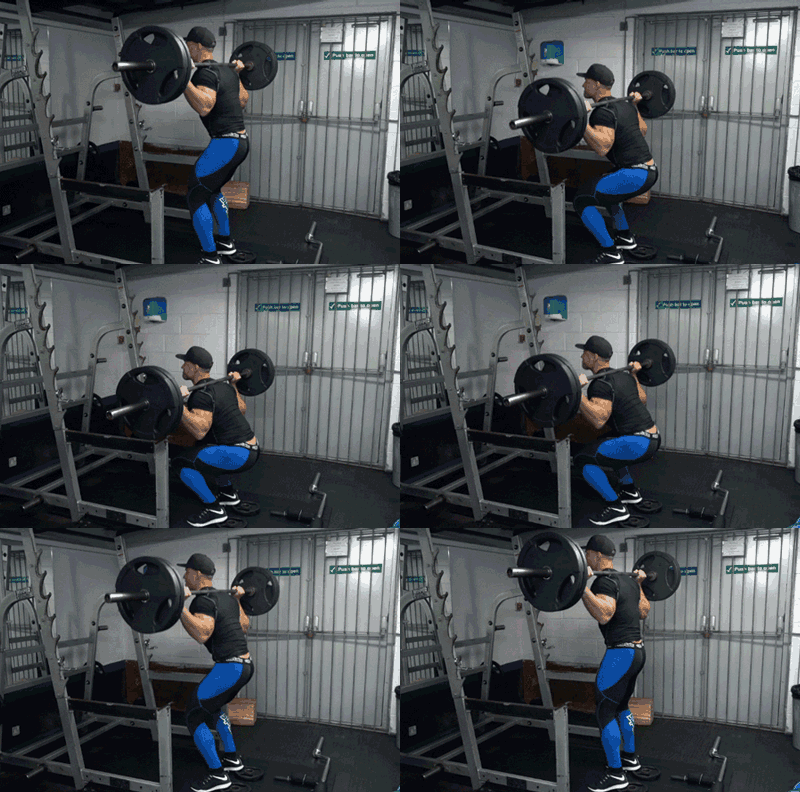
When it comes to meniscus injury, many people will think of barbell squats and believe that only squats can injure the meniscus. In fact, I have been in the gym for many years, and rarely have people injured their menisci solely due to squats.
Most people encounter meniscus injuries when engaging in other sports, especially in contact sports such as wrestling, judo, and combat.

However, this does not mean that squats will absolutely harm the knees. If the physical foundation is poor, the movements are incorrect, and excessive weight training is performed without proper guidance, it can also lead to meniscus injury. Therefore, as long as these factors are avoided, squats are still safe.
My right meniscus injury was caused by previous participation in contact sports, which had no impact on walking, but caused it when squatting.
The methods I took were:
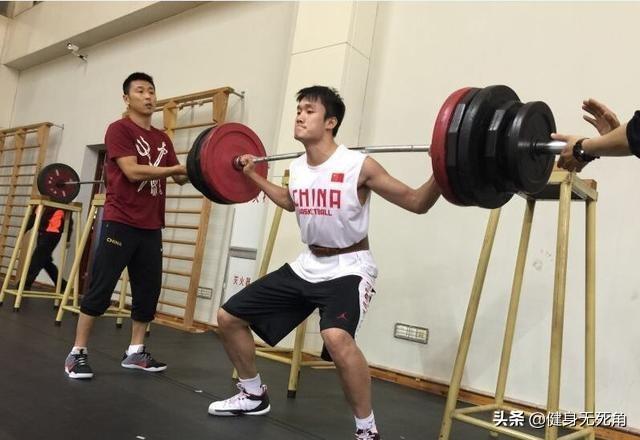
First, you need to provide comprehensive protection. If the weight of the squat exceeds 80kg, you should wear tight-fitting pants.
Second, we should do a thorough warm-up. My personal limit squat weight is 175kg, but I will do 20 reps/set * 3 sets on the bar.
Then, you need to rationally adjust your weight, don't squat to the limit every time, the greater the weight, the greater the impact on the meniscus!
Basically, I only do extreme training twice a month, and all other training is 80% of the extreme squat, and then do small group training with 50% of the weight. This can maintain absolute strength while protecting the knees.
Finally, pay attention to the details of the exercise, the toes and knees should be in the same direction, the knees should not be bent inward, the waist should be upright, the center of gravity of the load should be close to the instep, and do not lean forward.
Of course, the most important thing is that the squat technique must be perfect, which is the key to reducing injury.
2Lumbar Disc Herniation
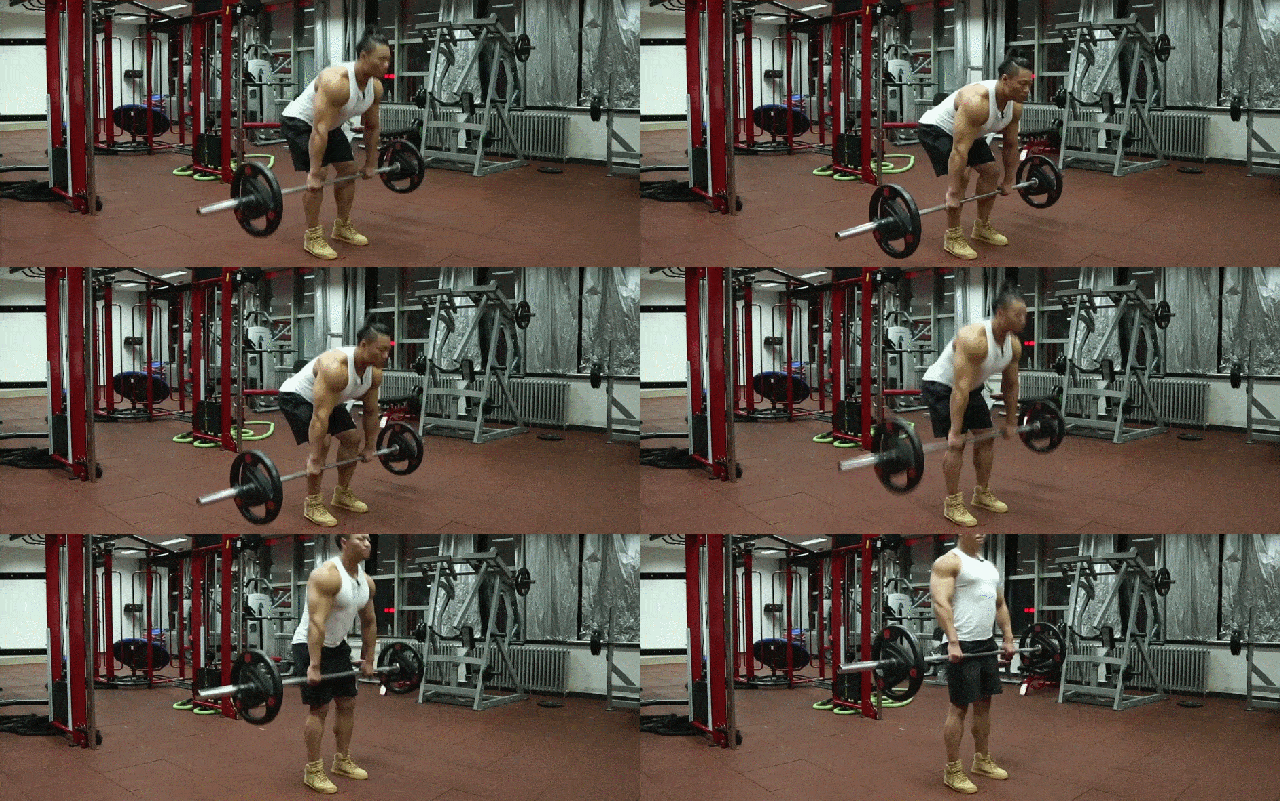
When you see this disease and injury, many people think that exercise is too dangerous. But the fact is not that way.
My lumbar disc herniation was not caused by training, but it brought many troubles to my training, so I want to focus on talking about how to train after lumbar disc herniation.
The key is to bed rest for 28 days, then gradually recover, and it took almost a year to return to normal, which refers to normal life, but it still affected training.
Especially when performing barbell deadlifts, you cannot squat, let alone goat push-ups, if your body relaxes during pull-ups and hanging from the bar, it will cause pain, which is very annoying.
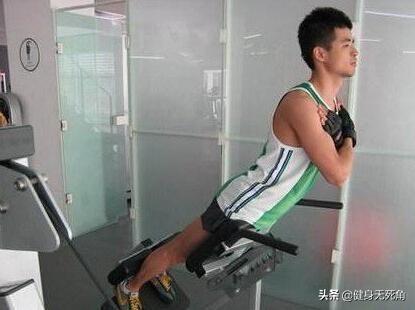
But gradually, I found that if I didn't do relevant exercises, the lumbar disc wouldn't improve!
So after half a year of lumbar disc herniation, I slowly started to try goat push-ups, and practiced once every day for a month, which felt better, and my waist strength gradually recovered.
Then I started to do barbell squats, and my squat movements were still relatively standard, but I always hesitated to try heavy weights. After about a year of training, I started to do half-deadlifts and then full-deadlifts, and now I have almost recovered to a level of 170kg.
Generally speaking, lumbar disc problems heal slowly, but increasing appropriate exercise at different stages can help recovery. In addition, it is important to do thorough warm-up before training, protective equipment during training, and stretching and relaxation after training.
Summary:
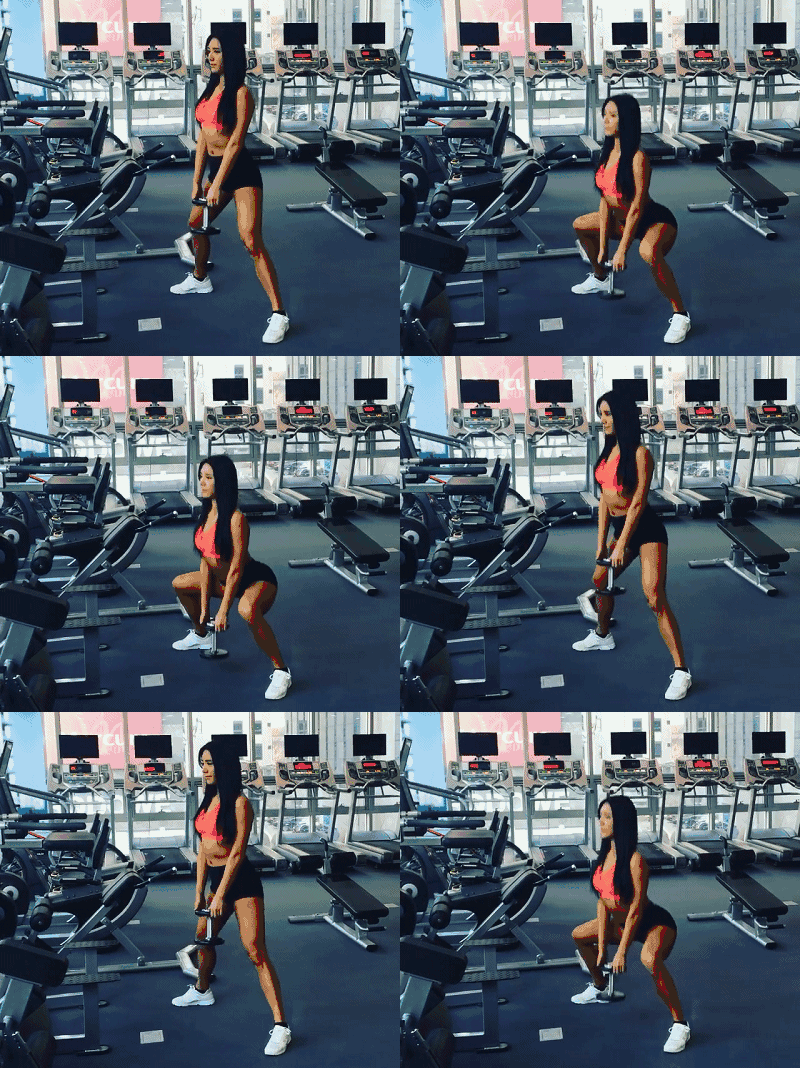
If you especially like fitness and have conditions, it is best to hire a personal trainer. Although the level of personal trainers is different, as long as they can teach you the correct training movements.
Do not worry after injury, the correct approach is to immediately stop training. If the situation is serious, go to the hospital as soon as possible. You must make the injured part completely recover before training.