Why Do Men Build Legs and Women Build Waists?
Fitness has become very popular now, and more and more men and women are entering gyms. You can see people of all ages, from young girls to fifty-year-old uncles, almost every age group is present in the gym. There's a saying circulating among those who exercise – 'men build legs, women build waists.' On the surface, it seems like men are focusing on leg exercises and women on waist exercises, but in reality, they are actually focusing on something else, don't you understand?
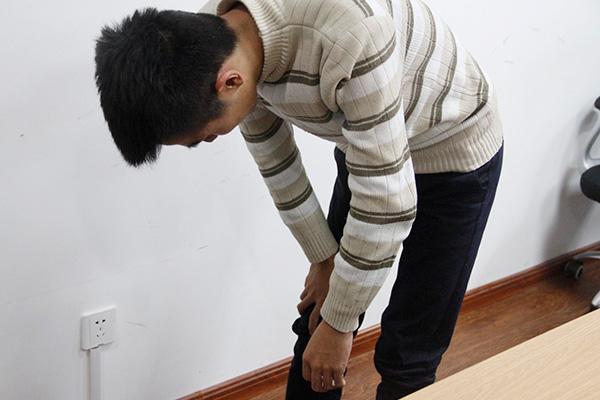
Why do men build legs?
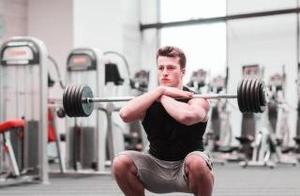
In the old days, men didn't have such comfortable jobs, if you weren't a wealthy nobleman, you basically spent your days working in the fields, enduring the scorching sun and sweating profusely. Simply put, men were primarily laborers, and how could laborers leave their legs behind? Building legs was a necessity.
People's legs are prone to aging due to weakness, which is a widely circulated saying. Legs are the support for the human body, and if the legs fail, the body loses its support, and aging will naturally accelerate. However, legs don't directly affect a man's health or aging speed; they do so through the vascular system. The legs are covered in many blood vessels, especially in the calves, which are often called 'the second heart,' and their impact on blood vessels cannot be ignored.
Men, due to their work, have developed habits like smoking and drinking, and, combined with the lack of protection from estrogen, their blood vessels are prone to problems. Protecting blood vessels is urgent, and building legs naturally becomes a way to do so. Through leg muscle exercise, blood flow can be accelerated, promoting vascular health. Once leg blood vessels are healthy, men are less likely to have problems with them.
Therefore, men outwardly build legs, but in reality, they are 'building' blood vessels, making their vessels clean and elastic.
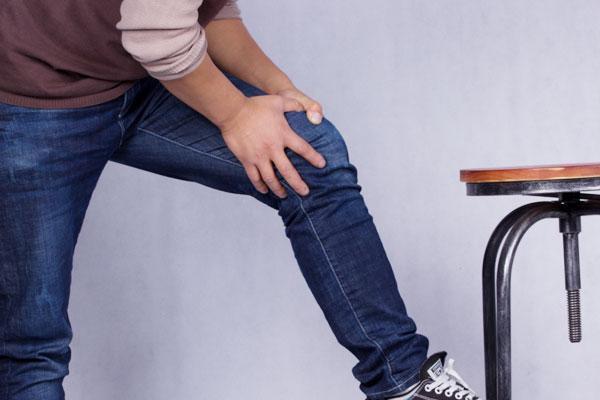
And why do women build waists?
Man farmed, woman wove – this was the primary way of life in agricultural civilizations. Weaving required long periods of sitting, and prolonged sitting is detrimental to the waist. At that time, people also recognized that a woman's waist and abdomen were related to childbirth, although they hadn't realized that the uterus was located in the waist and abdomen. The saying that women build waists might have originated from this.
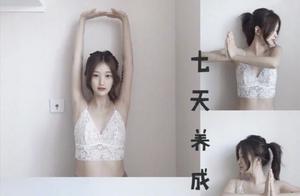
The waist is also a symbol of a woman's beauty. Now, people exercise their waists, mostly for the flexibility of their waist and simultaneously tightening their hip muscles. While exercising their waists, they also shaped their hips, which can be considered a double harvest. This is still superficial, it's not about the fundamental reason for building a waist.
Women are afraid of blood stagnation or blood stasis. Due to prolonged sitting and lack of movement, the waist is where blood circulation is the worst, and blood stagnation is likely to occur, leading to various problems. Through waist exercises, stagnant blood can be dispersed, which benefits a woman's skin, appearance, and overall health.
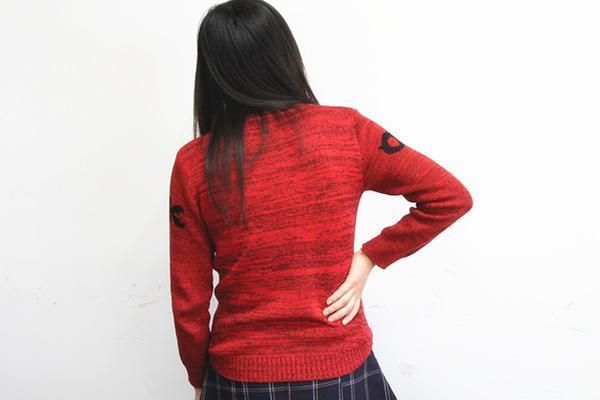
Therefore, women outwardly build waists, but in reality, they are 'building' qi and blood, allowing qi and blood to flow smoothly, keeping people young.
Men's vascular health is not only about building legs; they also need to help clear and clean their blood vessels by eating apples, buckwheat, dark tea, kelp, and eggplant. And women's qi and blood conditioning is not limited to waist exercises; they also need to sleep more, avoid staying up late, and eat pumpkins, dates, sugarcane, spinach, and mulberries. All sorts of restorative methods are employed together, which is the fundamental basis for the health of men and women. If it's just about exercise, proper posture and appropriate strength are essential.
After reading the article, you should have a deeper understanding of the old saying 'men build legs, women build waists,' instead of just stopping at the surface. What they really focus on is not just the shape of legs and waists, but rather the 'inner' things like blood vessels and qi and blood. Achieving both inner and outer beauty is the key to being both beautiful and healthy.