Seriously, you need to be full to lose weight
Many people have such experiences: they starve themselves tirelessly, lose weight, but once they return to their normal diet, their weight quickly rebounds. If you had known the result would be like this, why would you have endured such hunger?
In fact, relative to dieting, eating some foods with a strong sense of satiety is more conducive to weight loss and also more helpful for the sustainability of weight loss.

What is satiety?
Satietyis the feeling of being full during eating, ultimately reaching a point that makes a person stop eating. This feeling determines how much food you eat each time. Satiety is controlled and regulated by the human brain. There is a satiety center and an appetite center in the human hypothalamus. Blood sugar levels in the body, gastric emptying state, hormones secreted by the gut and lean body mass secreted leptin, all converge on the appetite center and satiety center of the hypothalamus, to consolidate our desire for food.
So how can we make ourselves eat less while eating more?
1. Chew slowly and thoroughly

Thorough chewing allows small amounts of free amino acids and glucose in the food to be quickly absorbed into the blood, which in turn promotes the release of peptide-1, glucose-dependent insulinotropic peptide and cholecystokinin, thereby increasing satiety.
Therefore, when eating, eat small mouthfuls, chew thoroughly, and give your body about 20 to 30 minutes to process the information to the brain's satiety center, so that the satiety center can form a sense of fullness, and then feedback to you, enough, full, don't eat anymore. Thorough chewing can prevent overeating before satiety is felt.
2. Eat at fixed times and in fixed amounts

Fixed-time, fixed-amount eating is also beneficial for regulating satiety. If you feel hungry but haven't eaten, your blood sugar level will drop, even to normal levels, and all the information will be consolidated on the appetite center, making us strongly crave food. At this time, eating will be quick and intense, especially those high-energy, high-sugar, high-starch foods.
3. Eat a balanced diet
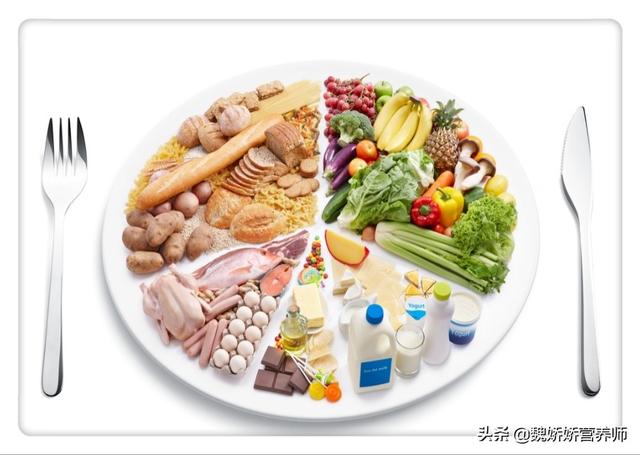
When eating a balanced diet, you will consume a certain amount of coarse grains, legumes, vegetables and a moderate amount of meat and eggs. Such natural foods are generally large in volume, high in water content and rich in dietary fiber, which can make the stomach expand, so the nerve receptors on the stomach wall will send a signal to the brain, indicating that the stomach is full and stop eating behavior.
A moderate amount of meat and eggs can also provide a rich source of protein, which can help the brain form a satiety impression and reduce the amount eaten the next time.
If the diet is not balanced, it is easy to cause excess energy, such as many people are often eating chocolate, biscuits, fried foods, and large dishes covered in oil, which often makes the stomach not feel full, but has already exceeded the energy intake.
Are you still starving yourself? Try it now.