Which staple foods have low calories and are suitable for weight loss?
Friends who are losing weight will all consider whether to eat staple foods and which staple foods are more conducive to weight loss, as well as the issue of lower calories.
First, staple foods are still recommended to be eaten, and the main nutrients of staple foods are carbohydrates, which can finally be broken down into glucose for energy. Glucose is the energy source that the human body utilizes most efficiently and has the fewest 'green' byproducts.In order to meet the body's physical and physiological needs, the appropriate intake of staple foods is necessary. Staple foods are the bottom layer in the Dietary Pyramid, and they are included at the highest level.Daily 250-400g
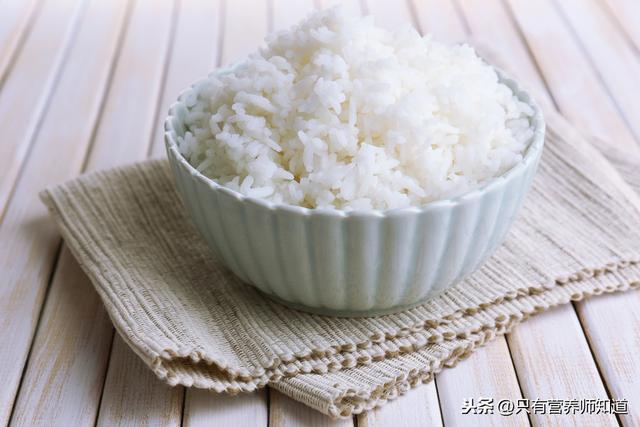
This also shows that staple foods are the foundation of the human body. Without this base, it would be difficult for the pyramid to be built.
Many friends will 'not eat staple foods' to achieve weight loss. What are the hazards of completely abandoning staple foods?If staple foods are completely abandoned, we will have less glucose energy, and the body will turn to decompose more stored energy - fat to supply energy. Although this seems like a good thing, it may not be so. The decomposition of fat cannot be done in large quantities, because the energy substance produced by fat is - ketone bodies. Ketone bodies cannot exist in large quantities in the body, otherwise it may cause 'ketosis and acidosis', and the body will protect itself by indirectly decomposing protein to provide energy. But protein is more important for the human body. Protein participates in many internal processes, such as maintaining the immune system, synthesizing protein carriers, synthesizing enzymes, hormones, muscles, hair composition, organ maintenance and composition, etc. The large-scale decomposition of fat also means the large-scale decomposition of protein, which may ultimately lead to protein deficiency and cause hair loss, organ atrophy (such as reproductive system atrophy, causing amenorrhea), muscle reduction, reduced immunity (irreversible). Therefore,
Glucose also has the advantage of protecting protein from excessive decomposition.
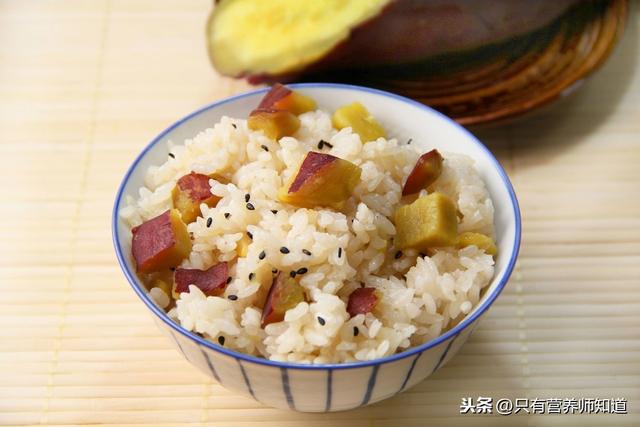
Since we need to eat staple foods, what staple foods should we choose to eat to reduce calories and help with weight loss?People's choice of staple foods may only stop at rice, steamed buns, and noodles. However, any food that can provide carbohydrates can be considered a staple food, such as tuber crops, purple sweet potatoes, yams, potatoes, etc.,
such as starch vegetables, such as pumpkin, corn, taro, etc. Tuber crops are good substitutes for staple foods. They have lower calories than rice, steamed buns, and a lower starch content. They also retain more 'dietary fiber' components. Dietary fiber is an indigestible component. It helps to slow down the digestion of food when mixed with food and can also make starch decompose more slowly into glucose entering the blood. This not only increases satiety but also helps stabilize post-meal blood sugar, which is a good help for weight loss.
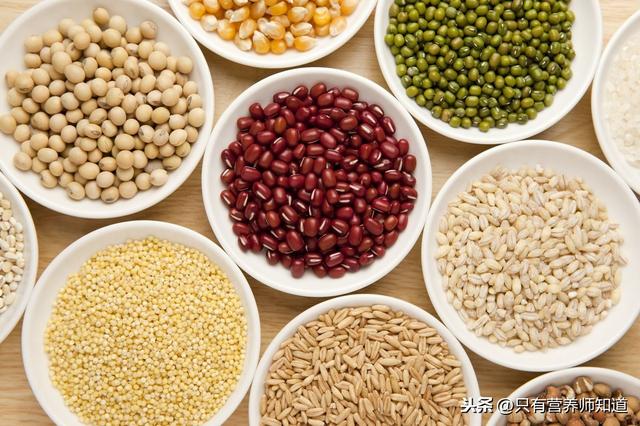
In addition, rice and noodles are not necessarily not to eat. We can use 'coarse and fine combination' methods, adding coarse grains and mixed beans to white rice to make up for the loss of dietary fiber. 'Fine grains' such as white rice, white noodles, and white steamed buns are processed finely before leaving the factory. Although the impurity removal effect is good, for example, wheat flour is white, and the noodles made are fluffy, soft, and white, with a good taste. For example, rice does not need to be washed before cooking, and it can be steamed and cooked directly. However, they also have obvious shortcomings, that is, the loss of dietary fiber is very serious, the digestion speed is fast, and the starch is easily converted into glucose for absorption, which has a greater impact on blood sugar, and satiety is not good. Mixing coarse grains and mixed beans can make up for the loss of dietary fiber, which can increase satiety, delay food digestion, and improve the stability of post-meal blood sugar.