Basketball Jump Power Training
Jump power is also known as jumping ability or jump fitness, which concentrates the athlete's coordinated movement, burst strength and overall flexibility, and includes:Take-off, arm swing, burst, cushioningfour basic technical links.
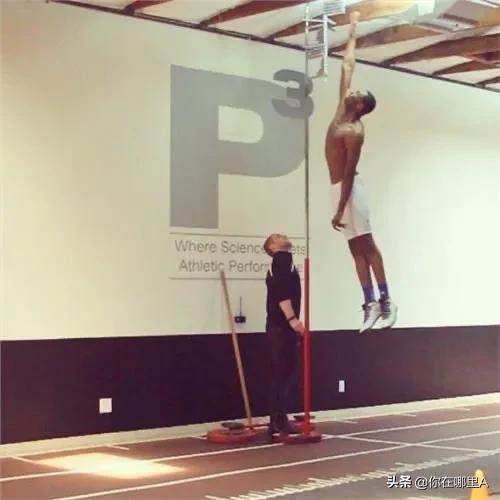
Jump power is a very important physical quality for basketball players. Good jumping ability is a guarantee for shooting and rebounding, and it is the key to winning the final match.
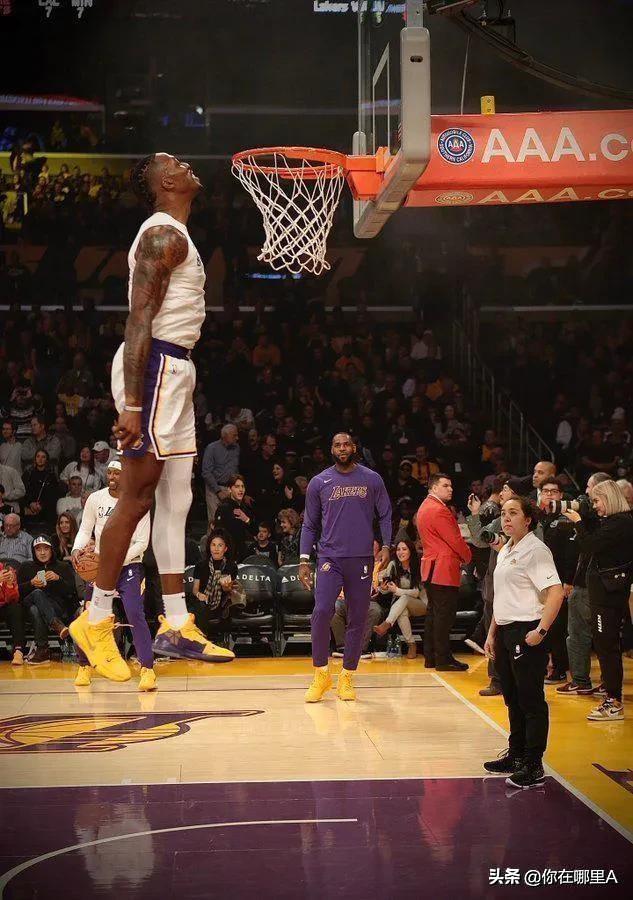
Basketball players' jump power training and practice methods
To improve the jump power of basketball players, the training includes three aspects:
1. Burst strength training
2. Practice of complete jump technique
3. Improving athlete's jump power endurance
1. Burst strength training
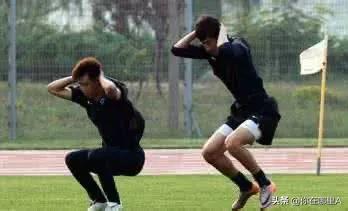
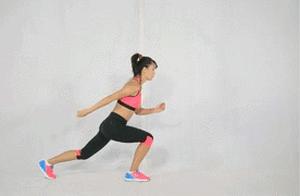
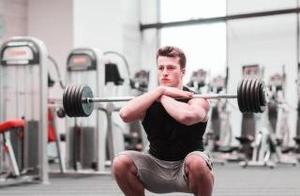
Through heel raises, weighted squats, switch leg jumps and high jump practice to promote the development of the athlete's large muscle groups in the legs.
2. Improving athlete's jump technique
The athlete's jump is not only related to the athlete's burst strength but also to the athlete's jump technique. Therefore, in jump power training, it is necessary to strengthen the coordinated use of limbs to practice jumping, which can improve the technical level and, on the other hand, reduce the amount of movement, reduce the risk of injury during the competition process, and better protect themselves.
3. Improving athlete's jump power endurance
Jump endurance refers to the ability to repeatedly repeat jumping. However, endurance and burst training are contradictory, and endurance training will hinder the improvement of burst power. Here, jump endurance refers to strengthening the ability of continuous jumping under burst conditions.
4. Vertical jump training plan
The innate conditions of jump power are important. Through the most famous vertical jump training plan in the United States, athletes can increase their vertical jump ability by 20 to 30 cm. The training process is very arduous, and the whole process takes about three months. For each action, it should be performed for three sets, and the interval between sets should not exceed two minutes. If completed, directly perform the next item. It consists of five contents:
Half squat jump
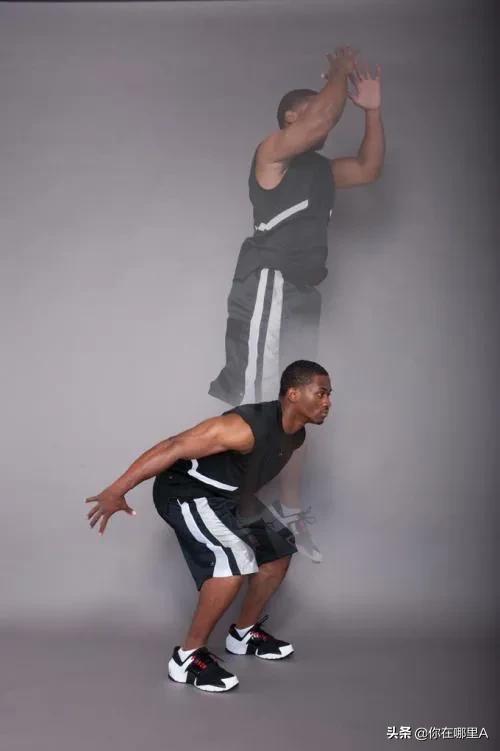
At the beginning, the athlete squats to a certain position, hands placed in front, upward jump off the ground at least 20 to 25 centimeters. (If the athlete finds it easy, they can jump up to 25-30 centimeters). When the athlete is in the air, the hands must be placed behind, and when landing, complete one, then repeat the above steps.
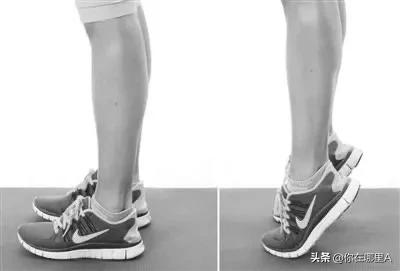
Heel raise exercise
First, find a step or wood block to put your feet on, then only put your feet's toes on it, your heels should not touch the ground or rest on it, your toes raise to the highest point, and slowly lower it to complete one time, pay attention to complete the action with both feet.
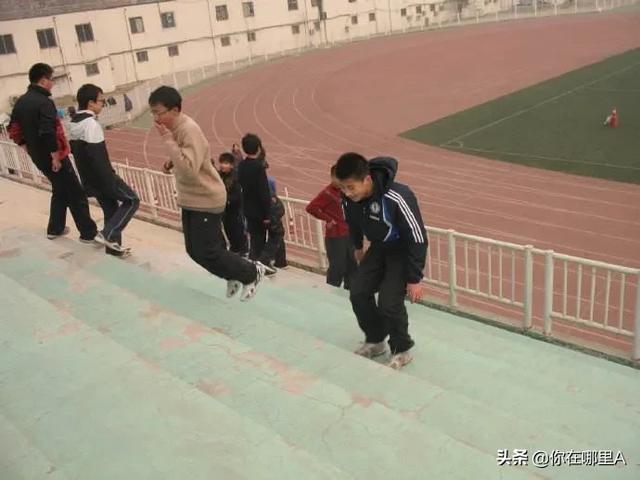
Step jump exercise
Find a chair and put one foot on it, the athlete's knee joint is at a 90-degree angle, and jumps outwards with all their strength, when in the air, put the foot back on the chair, repeat the above steps, to complete another jump.
Vertical jump exercise
Both feet are straightened with the same width as the shoulders, and the athlete’s knees are locked. Only use the athlete’s small legs to jump, and the knees should not bend much, and land when the knees bend as much as possible, and quickly jump up to complete one time.
Toe jump exercise
Lift your toes to the highest point, the athlete jumps quickly with their toes, and should not exceed 2.5 cm. Frog jumps are necessary to help improve jump power because they are a way to train speed and strength. It