Yoga for Beginners: How to Easily Achieve the Double Lotus Pose

However, forcing yourself into a lotus position with your legs extended is one of the most dangerous things you can do in yoga exercise.
Each year, countless knee injuries occur among yoga practitioners as a result.
Incomplete thigh rotation can lead to compression of the meniscus and excessive stretching of the outer collateral ligament.
Long-term incorrect practice can cause pain on the inside and outside of the knee joint and overall joint instability.
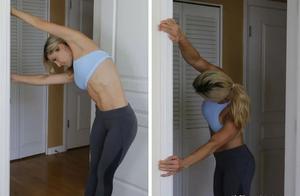
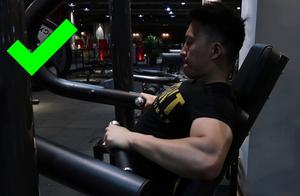
This diagram shows the correct position for the lotus pose.

Yoga beginners
How to practice the lotus pose
01
Forward Bend with Spinal Twist Pose


02
Hip Opening Pose
03
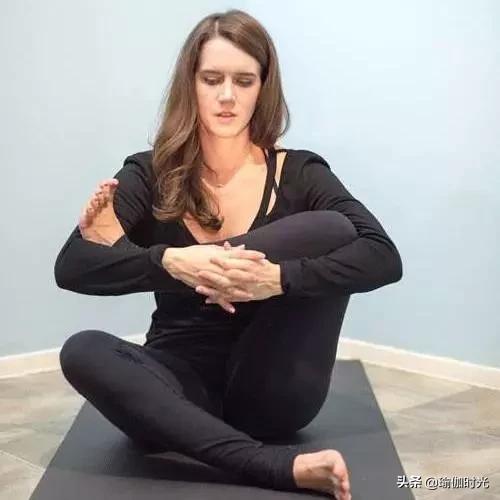
Half Lotus Pose + Full Lotus Pose
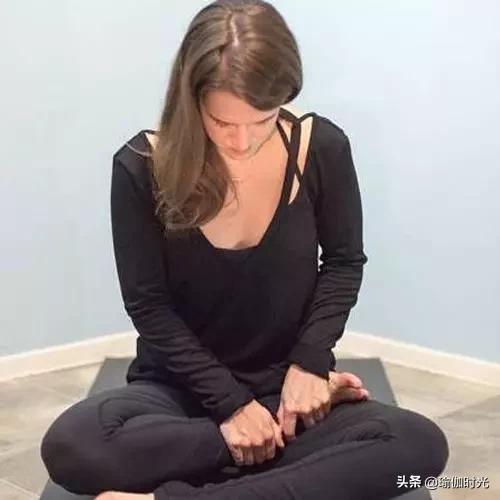
If these poses don't completely incapacitate you, the lotus pose is close at hand!
Try bending your right knee and placing the sole of your right foot at the base of your left thigh, then bend your left knee.
Hold this for 5 breaths, allowing your hips to adapt to the stretch.

If possible, lift your left foot and place it at the base of your right thigh. Take it slowly, following your body's sensations, and don't force it. Eventually, you will be able to do it!
Return your left foot gently to the ground, slowly unraveling your feet, and allow the blood flow to return before attempting the reverse exercise.
Benefits:The lotus pose is one of the most important and useful poses in yoga, commonly used by yoga practitioners to practice meditation.
Once you overcome the initial pain, it will become one of the most relaxing poses for you.
It not only treats stiffness in the knees and ankles, promotes blood circulation in the waist, abdomen, and spine, but also elevates you on a spiritual level, keeping your mind focused and alert. You will get rest during practice without feeling lazy.

Contraindications:Not everyone can do it, so if you have knee or ankle injuries, friends, be cautious when practicing, and it is best to practice under the guidance of a teacher!