Pickled Vegetables are a Beloved Treat for the People of Zhangjiazhuan
Pickled vegetables are a delicacy enjoyed by households in Zhangjiazhuan. For every Gansu person, winter is the most difficult, not only due to the bad weather but also due to the problem of food and drink. Vegetables are the most crucial. Unlike the north, we cannot get fresh greens, we rely on pickling to get through the winter.
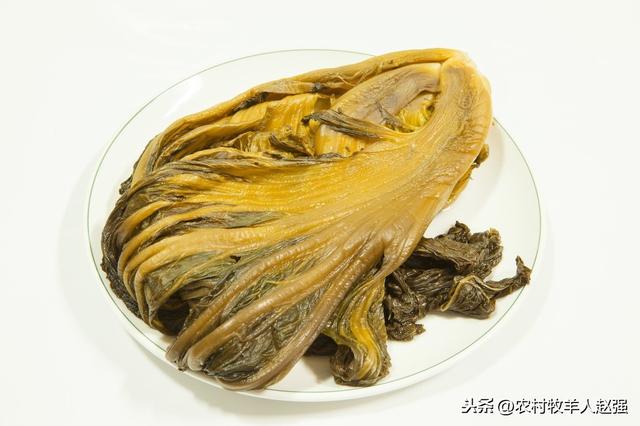
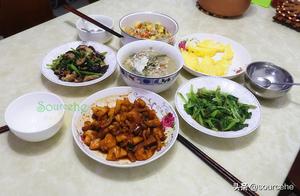
The people of Zhangjiazhuan especially love scattered meals in winter, so scattered meals inevitably include pickled products, pickled salty vegetables, long vegetables, or spicy pickles. Every time we eat scattered meals, these products are indispensable. With a dish of pickled cabbage, the feeling is truly unforgettable.
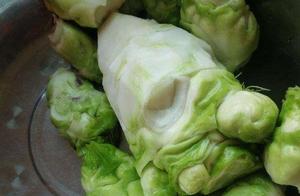
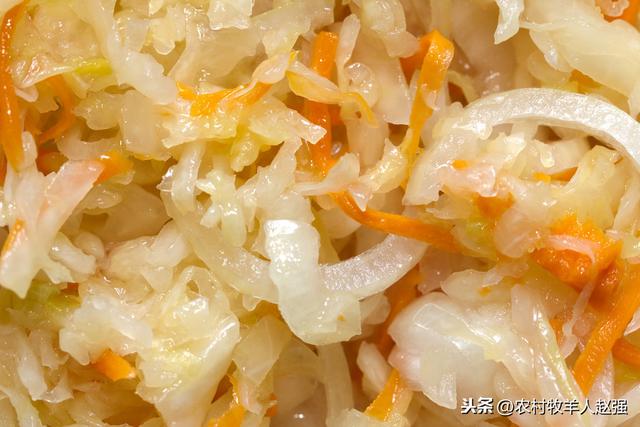
Every autumn, the women of Zhangjiazhuan begin to busy themselves preparing for winter vegetables. They buy large quantities of white cabbage, savoy cabbage, chinese cabbage, chili peppers, scallions, carrots, celery, etc., from the market. Usually, the women of the household divide the work of pickling. Some chop and press the cabbage leaves for spicy pickles, others clean the white cabbage hearts for long pickles, large pots and small pots are all moved to the courtyard to wash brightly. White cabbage is pickled in large pots and called 'long vegetables' or 'yellow vegetables', chopped cabbage leaves are pickled in two earthenware jars called 'sour cabbage', carrots, cabbage, celery and chili peppers are sliced into strands and pickled in pots, called 'flower vegetables'.
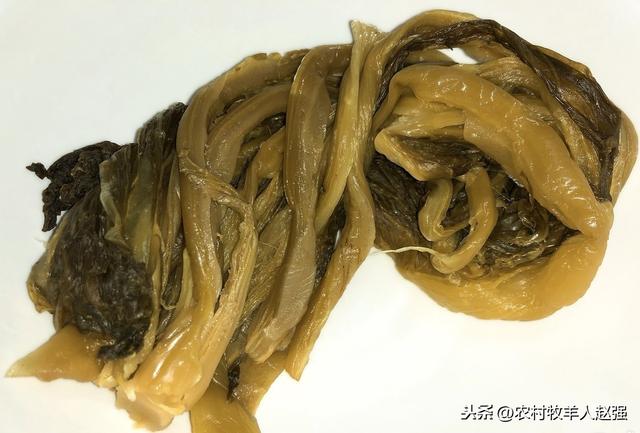
Various pickled vegetables have the functions of aiding digestion, reducing oiliness, and regulating the spleen and stomach. The pickling methods are first to wash and dry the pickled vegetables, waiting for them to appear in a puffed state, then pickled in cool white water. A layer of vegetables is sprinkled with salt, the amount of salt must be appropriate, not too much, or the vegetables will become too sour and rot. The cleanest, flat stones must be used on top to press the vegetables, and the vegetables must be submerged in water. Finally, the jar mouths must be sealed with film. After half a month, they can be taken out for stir-frying, accompanying dishes, or eaten directly.
The Zhangjiazhuan area is relatively cold, and in the past there were few fresh vegetables. Every household pickled several pots of winter vegetables. Although fresh vegetables are now plentiful, people can't change their habit of eating pickled vegetables, and they have well preserved the pickling making skills.
This content was originally published by Rural Shepherd Zhao Qi