Sweet Potatoes are Delicious and Nutritious: A Bowl of Sweet Potato Noodles Fully Satisfies Palate Needs
Sweet potato, known as “di gua” in our area, and “red tiao” in some places, is a very common and widely cultivated agricultural crop. Due to its simple cultivation, high yield, and good taste, it is widely cultivated. ‘One year’s plan in the spring,’ spring is the time of renewal and blossoming, with warm and humid environments, allowing sweet potatoes to have a better start.
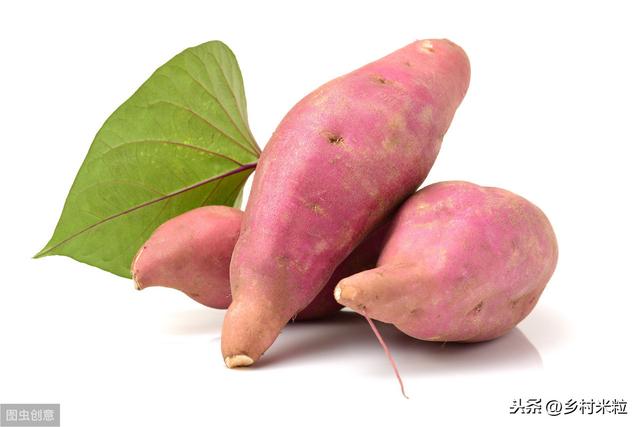
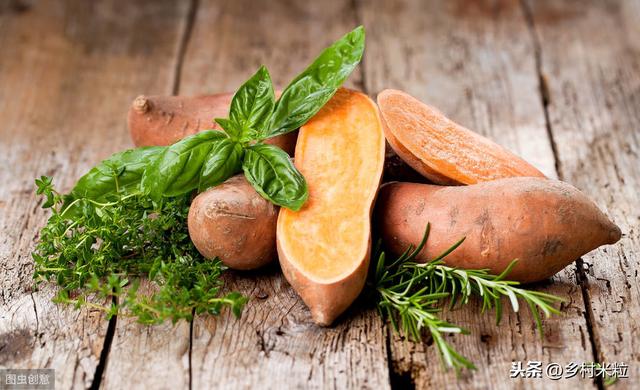
I'm sure most people have eaten sweet potatoes. Sweet potato rice, roasted sweet potatoes, sweet potato dried strips, sweet potato noodles, and sweet potato vermicelli are just a few of the many ways to enjoy them – truly a delightful variety.
Sweet potato propagation
Sweet potato propagation methods include both rootstock and vine propagation. Here, we will focus on rootstock propagation.
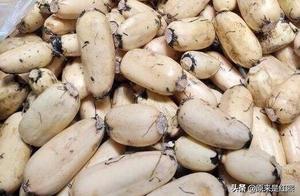
Sweet potato rootstocks are simply the sweet potatoes we eat, but we keep some to allow them to grow roots and shoots, becoming the ‘new recruits’ for the next generation of sweet potatoes.
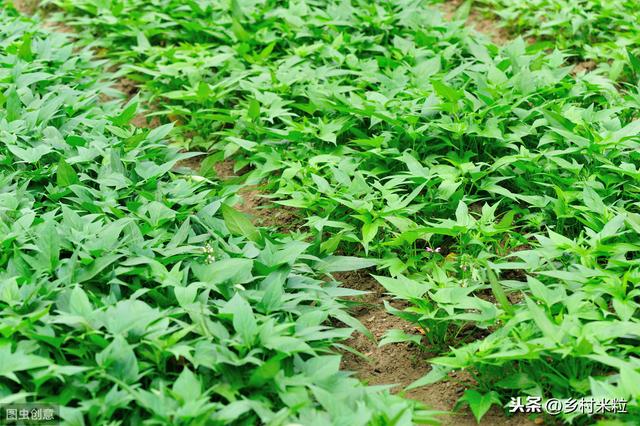
To propagate sweet potatoes using rootstocks, the following steps are involved:
1. Select rootstocks:The reserved sweet potato rootstocks should first be checked for normal color, normal shape, and absence of pests and diseases. Rootstocks with obvious insect holes or disease spots are not recommended to be kept. The size of the selected sweet potatoes should be relatively uniform, without significant differences.
2. Soil preparation:Choose well-drained, loose, and fertile sandy loam as the propagation substrate. Before use, it is advisable to fine-tillage the soil and then mix in fungicides such as multi-fungicide or potassium permanganate to give the soil a ‘thorough cleaning’ against diseases and pests.
3. Rootstock treatment:The hygienic condition of the rootstocks will affect the success of propagation. Before cutting, the knives, the venue, and the rootstocks should be disinfected to prevent pathogens from taking advantage of the opportunity and impacting the propagation success. Spray a layer of 75% medical alcohol on the cutting site, and soak the rootstocks in a 5% carbonated solution or 0.1% Disinfecting Ning for 5-8 minutes.
4. Transplanting and relocation:When sweet potato rootstocks grow roots and emerge 5-8 true leaves, transplanting can be carried out. In the selected soil, incorporate well-rotted organic fertilizer and create raised beds for cultivation, and during cultivation, train the vines 1-2 times, which will help improve the yield and quality of the sweet potatoes.
Sweet potato-based sweet potato vermicelli – a must-try!
Sweet potato is rich in protein, starch, pectin, cellulose, amino acids, vitamins, and various minerals, earning it the reputation of ‘longevity food’.
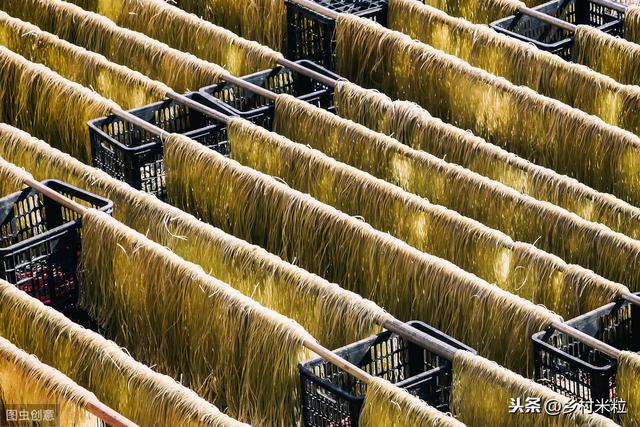
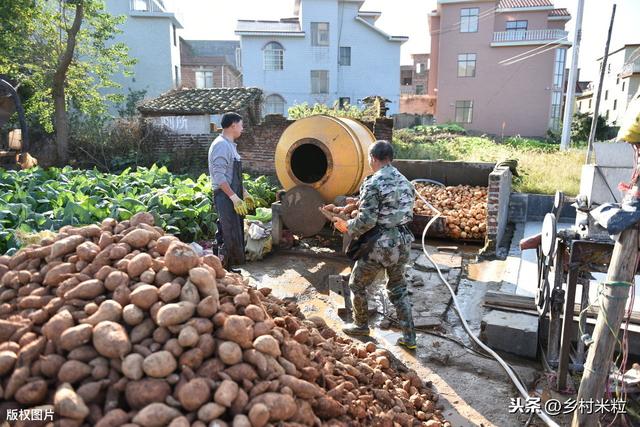
From sweet potato to sweet potato vermicelli is not a single step, but a process involving selection, washing, grinding, filtering, drying, pressing, draining, and drying – a series of processes.
Once the sweet potato vermicelli is made, add chili, vinegar, peanuts, and scallions according to your personal taste, and it will be delicious!