Panda-Width, Chopsticks-Long Meat
Panda-width, chopsticks-long dragon eel.
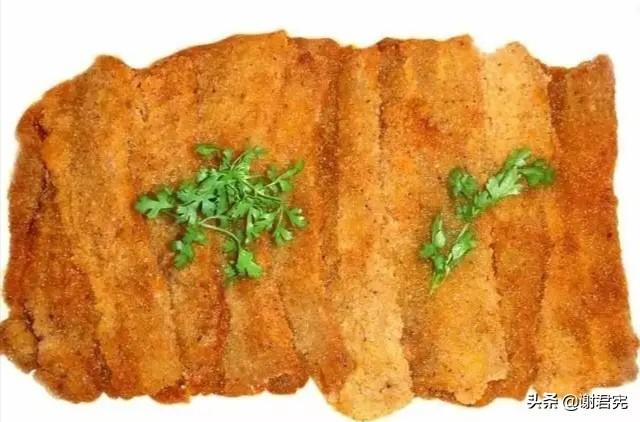
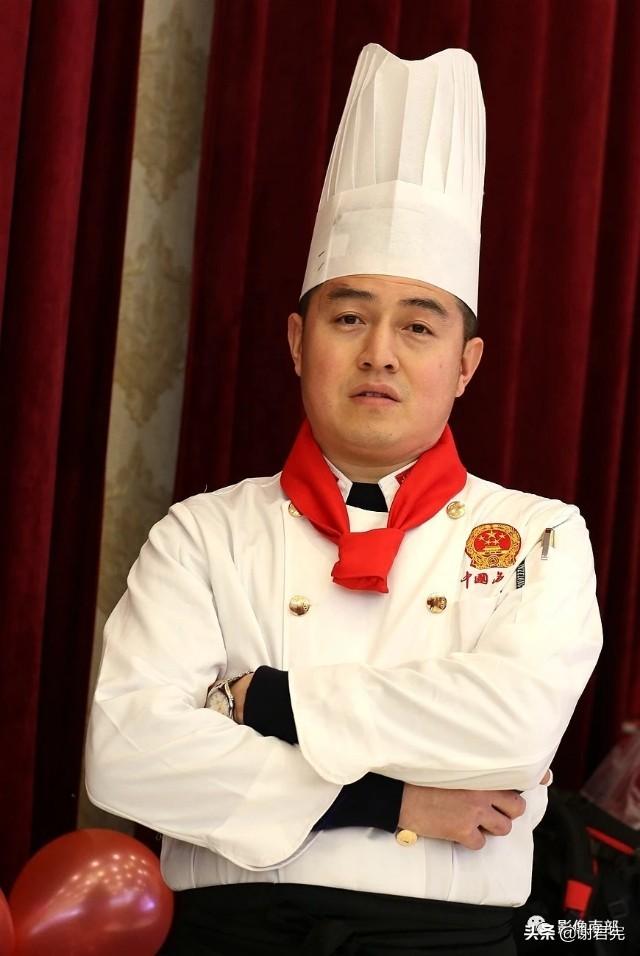
According to Liu Hongzhen, Vice Chairman of the Nanchong City Nutrition and Dietary Health Association and Executive Chef of Nanbu Deyi Millennium Hotel, dragon eel is a landmark traditional delicacy of Nanbu County, Nanchong City, Sichuan Province.
'Dragon eel' consists of half a jin (approximately 7.5 ounces) of pork belly slices, combined with ginger, eggs, white sugar juice, sweet rice wine juice, liquor, scallions, garlic and other seasonings with premium rice noodles, mixed and steamed in a bamboo bed until cooked. It belongs to the Sichuan cuisine system and is a type of steamed meat noodles. The finished dish, 'panda-width, chopsticks-long dragon eel,' has a length no less than 18-25 centimeters and a width of about 12 centimeters.
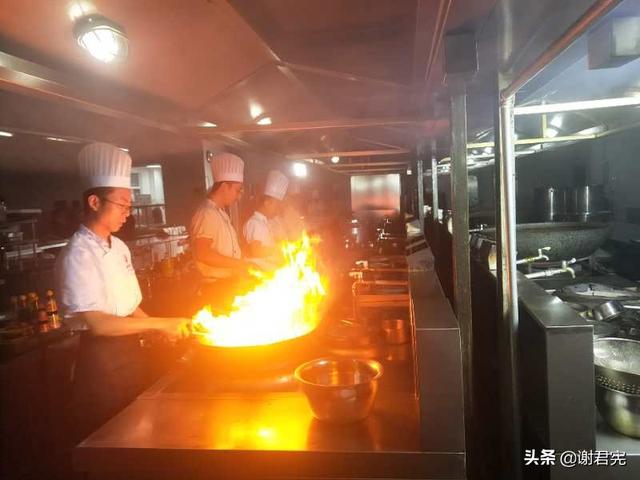
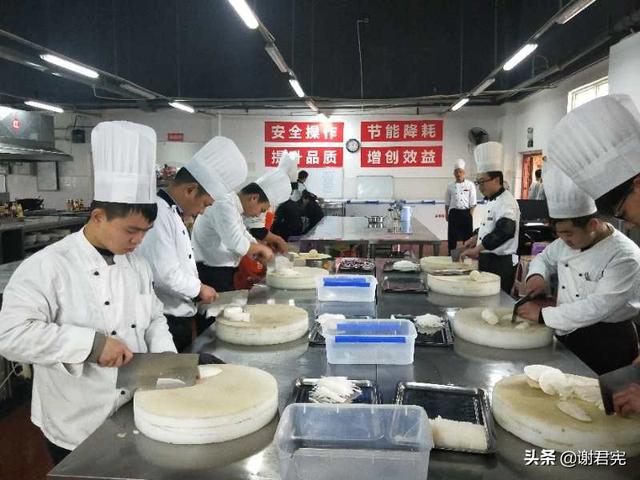
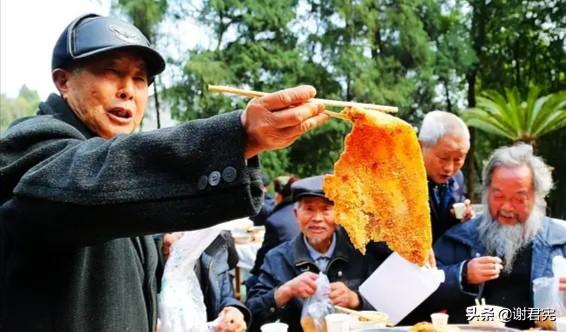
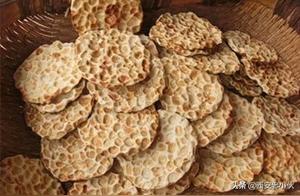
(Image selected from the internet)
Production outline:
1Cut pork belly into slices.
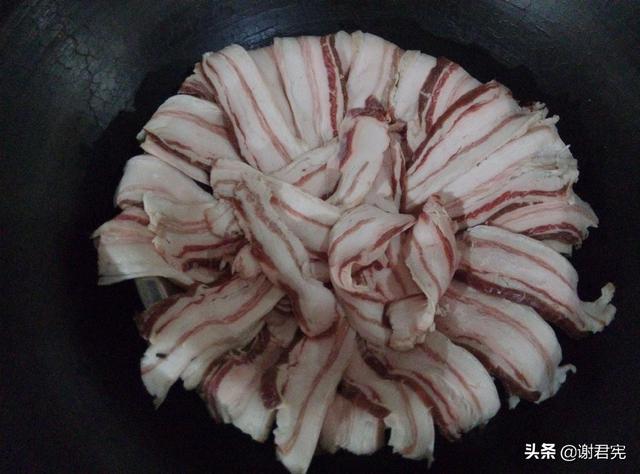
2Place the cut pork belly slices in a bowl, then add chopped scallions and minced ginger on top to enhance flavor.
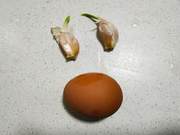
3Then sprinkle pepper, salt, liquor, and other seasonings into the pork slices with scallions and ginger.
4Add two eggs, and mix thoroughly.
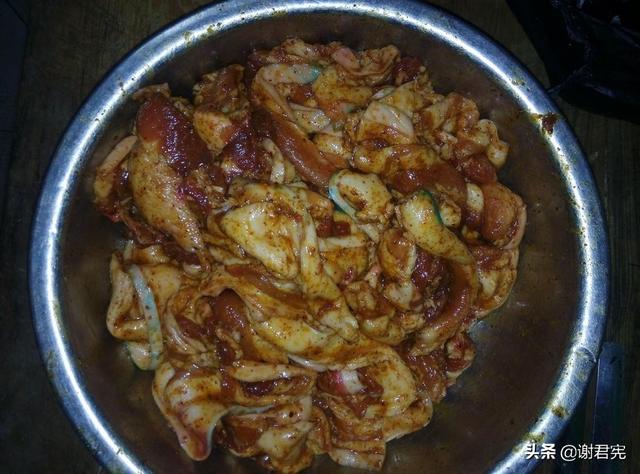
5Add pea powder and steamed meat powder.
6Finally, place the seasoned pork slices on a bamboo steamer and steam for about 50 minutes.
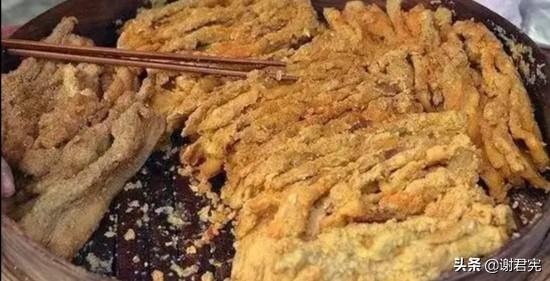
7Besides using steamed meat powder and pea powder to make dragon eel, local residents also use corn powder made in their own homes for cooking.
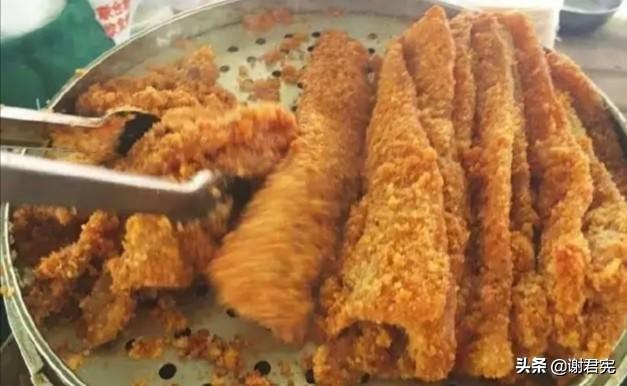
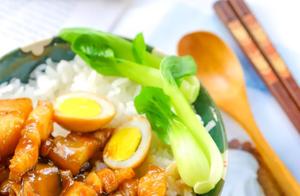
Finished 'dragon eel'.
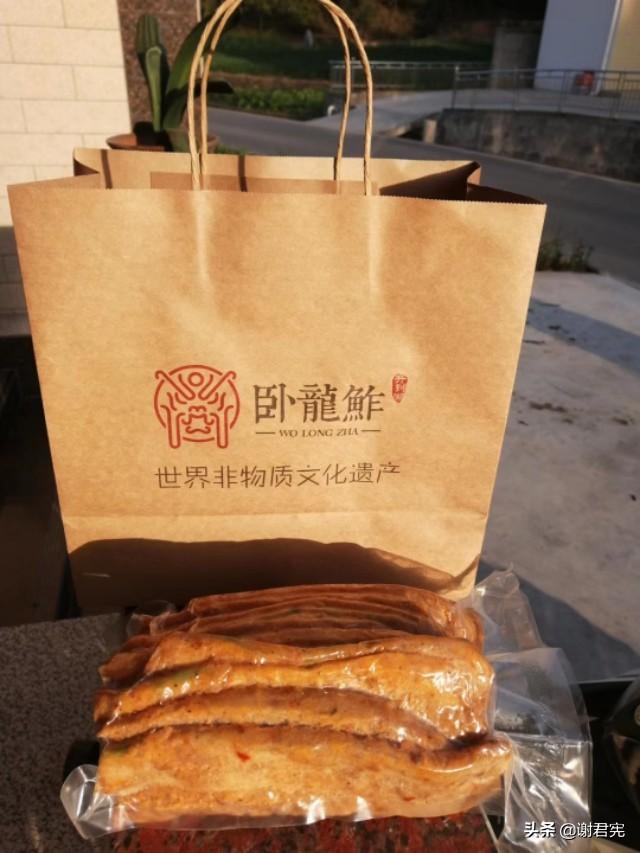
'Panda-width, chopsticks-long dragon eel' is a non-heritage product and a tourism food product of Nanbu County.
The province of Nanchong, Sichuan, known as 'Qizhou' (Fruit Prefecture) over 2000 years ago, has inherited and developed its culinary culture. 'Dragon eel' is an indispensable dish for wedding banquets in Nanbu County (including some townships in Sichuan County, Langzhong, and Changxi). According to Chen Yun, a well-known writer and food connoisseur from Nanchong City, 'Dragon eel' is said to have been eaten by the three armies by Zhuge Liang during the Three Kingdoms period, which has been passed down ever since. Therefore, it is called 'Dragon eel.' It is considered a masterpiece of Sichuan cuisine in Nanchong 'Qizhou'.
Written by: Xie Junchen, Vice Secretary of the Catering Heritage Committee, Chinese Food Culture Research Society.
Illustration: Hong Zhen.