How to Choose High-Quality Cream: Here's What You Need to Know
While pursuing deliciousness, we also prioritize the health of food. Even when baking cakes at home, we should learn to select high-quality cream, which will result in more beautiful and flavorful cakes. We can identify good quality cream through the following methods,1 Color
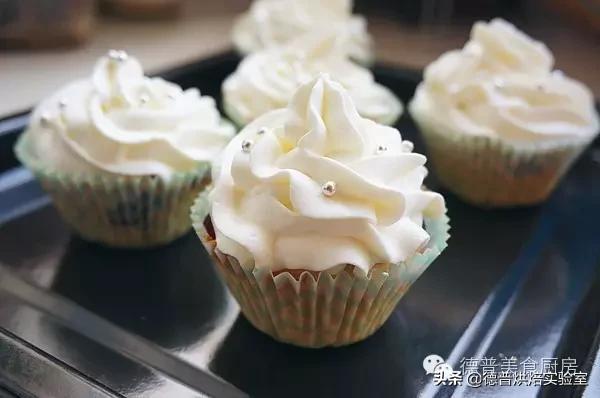
Good quality cream is pale yellow in color, with a normal hue. Uniformity is preferable. Cream that is too dark or too light is undesirable. Patterns or streaks on the surface are also a sign of poor quality.
2 Smell & Taste
Cream with a pleasant aroma is the best. Cream with a neutral or bland flavor is not good quality. If you detect a faint feed odor or any unusual odors, such as sourness, beefy odor, or moldy flavor, do not purchase the cream.
3 Smoothness
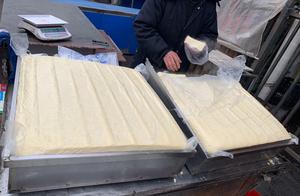
When cutting cream with a knife, the cut surface should be smooth and dense, without water droplets. Soft and pliable cream is undesirable. Cream with prominent water droplets on the cut surface is also of poor quality. White, cloudy water droplets indicate that the buttermilk has not been sufficiently washed, making it prone to spoilage and poor storage.
4 Texture
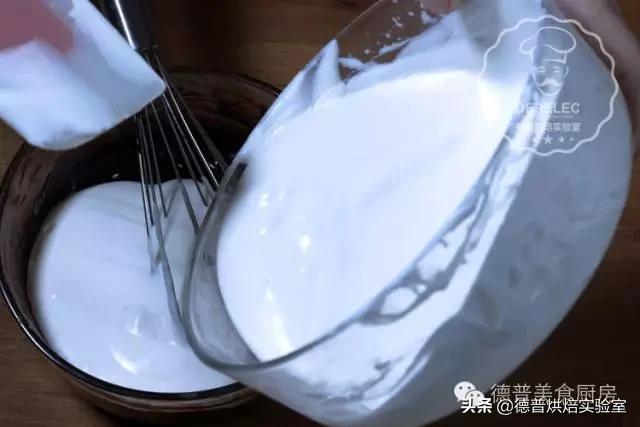
Good quality cream has a certain viscosity. When put in the mouth, it should melt smoothly and, when pressed with the tip of the tongue and the upper palate, should not feel coarse or sticky. Otherwise, it is inferior cream.
5 Appearance & Packaging
The shape and packaging should be tight, without gaps. After opening the package, it should maintain its original shape, without oil leakage, and a smooth surface. If it is deformed, with oil leakage, uneven surface, skewness, and surrounding depressions, it is inferior cream.
In addition, we must refuse trans fats.
Trans fats are converted from liquid vegetable oils into semi-solid fats through hydrogenation. There are also natural trans fats, present in small amounts in the meat, oils, and dairy products of ruminant animals. Natural trans fats are not much of a concern, but if the cream is labeled as plant-based and has been processed artificially, it is not recommended to purchase.
So, how should we store the cream we buy?
The best storage temperature for cream is 2-4℃. If used quickly, cream can be stored in the refrigerator at the bottom layer for about 45-60 days. For long-term storage, it needs to be sealed in a freezer and can be stored for 6 months~1 year.
2-4℃45-606~1