Mastering the Three Core Steps of Braising
One, Pre-braising
1, Most animal ingredients require pre-braising before braising. Because some ingredients have a lot of blood stains, some ingredients have a strong odor. Blanching is a common method for removing impurities and odors before braising. Blanching refers to placing fresh ingredients into a boiling water pot to heat, until the ingredients are partially cooked or just cooked (ingredients with small blood stains and less odor should be blanched with hot water, ingredients with heavy blood stains and odor should be blanched with cold water heated), then take them out before braising. Especially for ingredients with strong odors such as beef, lamb, internal organs, wild game, the amount of water should be large, cold water down, the ingredients with the gradual increase of temperature, the blood stains, the odor slowly discharged, can also add a moderate amount of scallion, ginger, yellow wine for de-odorant and fragrant. After the ingredients are treated like this, they are then put into the braising pot for braising, the finished product is smooth and shiny, the taste is fragrant and mellow, the braising juice is of good quality, and it is easy to preserve. Otherwise, the finished product will have foamy impurities on the surface, the color is not beautiful, the taste is not good, and the braising juice will easily rot.
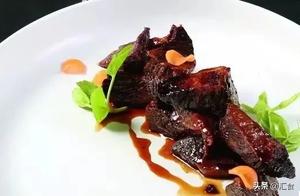
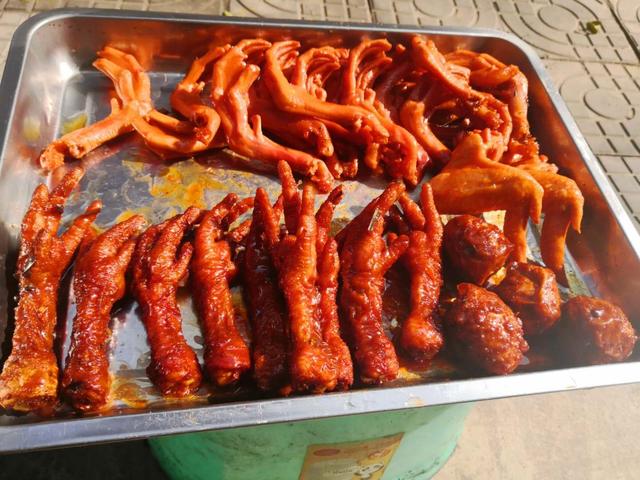
2, Some ingredients are used to make the finished product have a rosy color, translucent, fragrant and deeply permeated muscle, and a rich taste. Before braising, they need to be salted or pickled with nitrate. For example, braised beef, because the ingredients have a strong odor, the muscle structure is tight and solid, the texture is hard and dense, a large amount of connective tissue, it is difficult to penetrate the flavor in a short time, so it needs to be pickled with salt, that is, after the beef is cut into pieces, add an appropriate amount of salt, ginger, scallion and pick for a period of time before entering the braising pot. Nitrate pickling is also a good method, it not only makes the ingredients penetrate the flavor, but also makes the finished product have a rosy and beautiful color, and exudes a special fragrance. For example, duck tongue is a case. First, the wind claw is blanched, then put into a hot oil pot to fry, then braised. The finished product is red, shiny, crispy and chewy, and has a very good flavor.
3, There are also some ingredients that must be oiled before braising, making the dishes have more flavor, enrich the texture, beautify the color. For example, braised wind claw, first wash the wind claw and then blanch, then put into a hot oil pot to fry, then braised. The finished product is red, shiny, crispy and chewy, and has a very good flavor.
Two, Braising in the Middle
1, After the ingredients enter the braising pot for braising, in addition to adding appropriate flavoring materials, the key is to master the braising temperature. In terms of fire use, the ingredients are put into the pot when they are boiled, and then transferred to medium or small fire or low heat, so that the braising juice always maintains a slight boil. This is to prevent the ingredients from becoming overcooked and raw, and the meat becomes hard. If you always use a large fire, the braising juice boils vigorously, the ingredients are difficult to penetrate, and the meat becomes aged. In addition, the boiling of the braising juice will constantly splash on the pot wall, forming a film, after carbonization falls into the soup, attached to the ingredient, affecting the quality of the finished product. Using a large fire will also cause a large amount of braising juice to vaporize and quickly consume, affecting the long-term use of red braising. In terms of heating time control, it should be based on the difference in texture and size of the ingredients, the amount of material, and the specific timing, such as chicken, duck, pork, etc., about 1~2 hours, using a chopstick to determine whether it can be pierced.
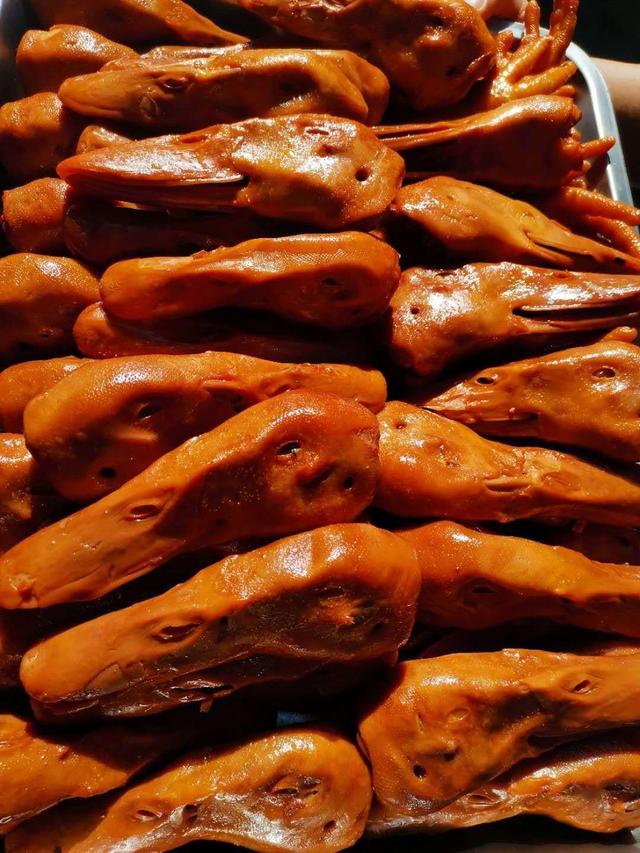
2, In addition to mastering the fire and heating time, during braising, it is also necessary to pay attention to the ratio of braising juice and the amount of ingredients. Generally, the amount of braising juice is better to be submerged in the ingredients, so that the ingredients are fully immersed in the braising juice for cooking. During braising, it is necessary to frequently turn over, so that the ingredients are heated evenly, especially red braising, a funnel, bamboo sieve can be placed on the bottom of the pot to prevent sticking to the bottom and pot.
Three, Out of the Pot
1, Out of the pot at the right time is the last link in the production of braised dishes. Mastering this link is to meet the basic requirements of color, aroma, taste and shape, and correctly judge the maturity of the ingredients. Generally, animal ingredients change as they heat up, from raw and soft to hard, then from hard to soft, and finally from soft to mushy. The ingredients are in a raw and soft state before heating, and after blanching, the protein on the surface is solidified and hardened. During braising, due to prolonged heating, a large amount of water-soluble protein, vitamins and minerals are dissolved into the soup, and the connective tissue is damaged and broken down into a certain extent, and the gel is dissolved into the braising juice, making the braising juice viscous and the ingredients become soft. Continue to heat, the material will become rotten, and finally mushy. The braising of the ingredients, no matter the texture is old or tender, the maturity time is long or short, the maturity should generally be grasped at the softening or before softening stage to take it out of the fire.
2, Some braised products such as eggs, bean products, vegetables, dried products, etc., the timing of out of the pot is not based on the maturity of the ingredients, but mainly based on the color, aroma, taste, and shape of the finished product. For example, braised dried bean curd, once cooked, it must not be taken out immediately, it needs to be stirred with sugar, oil, spices for a period of time, so that the flavor is absorbed and the braising juice is condensed before taking it out.