Successfully Fermented Purple Sweet Potato Steamed Buns - Not Collapsed, Not Sticky, Healthy, Nutritious, and Delicious
Due to the special period, the number of times people go out has decreased, so most people stock up on items that have a longer shelf life, such as potatoes, radishes, sweet potatoes, and purple sweet potatoes. They also buy more of these when they go to the supermarket. Today I'm sharing a purple sweet potato steamed bun – it's not only beautiful but also very nutritious and delicious.
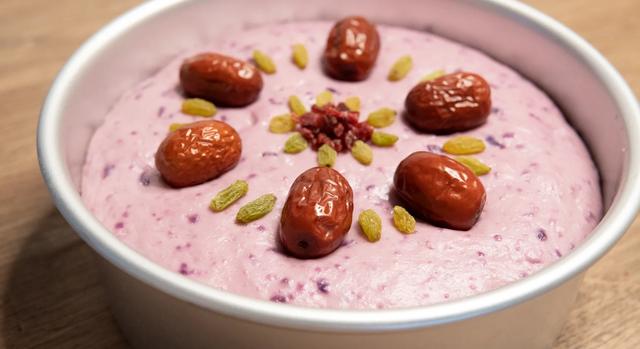
Ingredients:
200g peeled purple sweet potato, 1 egg, 150g milk, 3g yeast powder, 30g white sugar, 200g flour
Instructions:
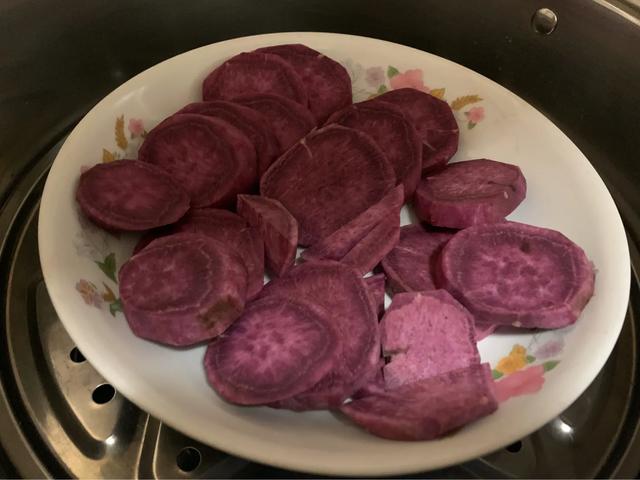
1. Peel the purple sweet potato and cut it into thin slices. Steam until cooked. Then, mash it into purple sweet potato puree.
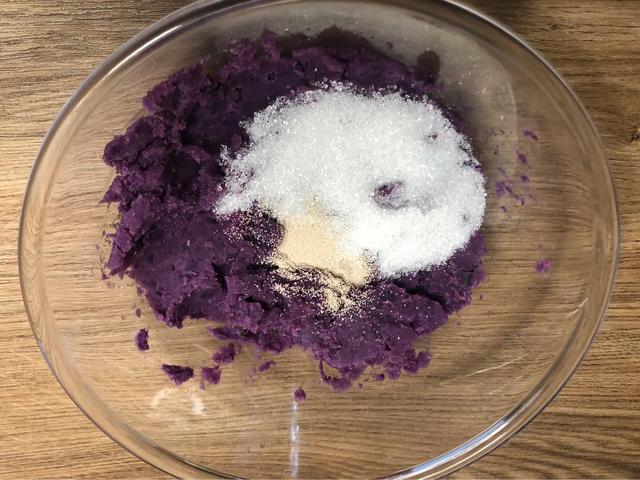
2. When the purple sweet potato puree has cooled to a warm temperature (approximately 30°C), add the yeast powder, white sugar, and egg, and mix well.
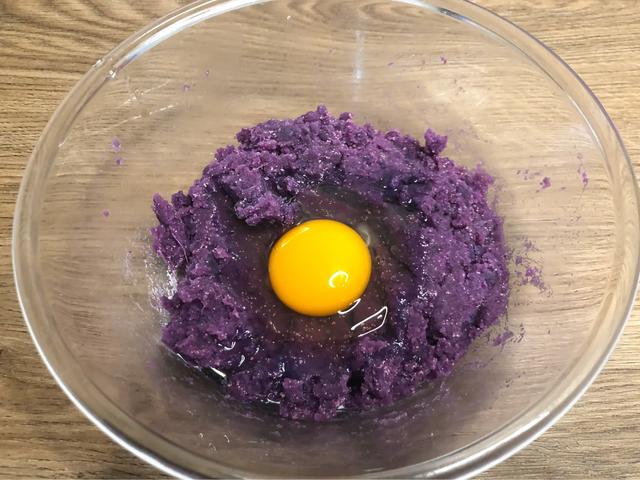
3. Pour the flour into the purple sweet potato puree, then add 150ml of milk and mix until the flour is completely dissolved, with no granules remaining.
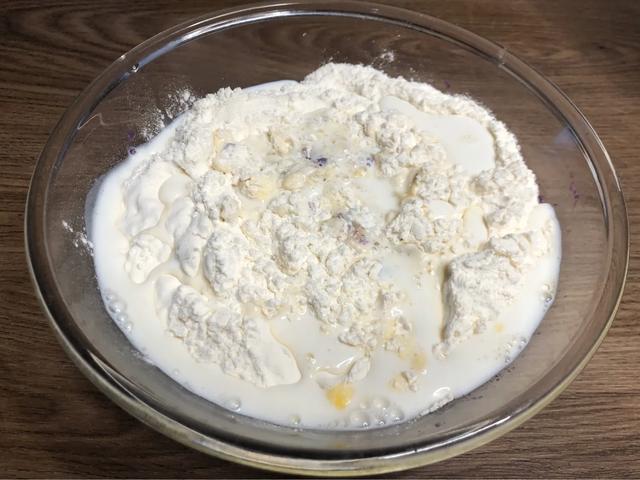
4. The resulting flour paste is quite viscous, similar to this consistency.
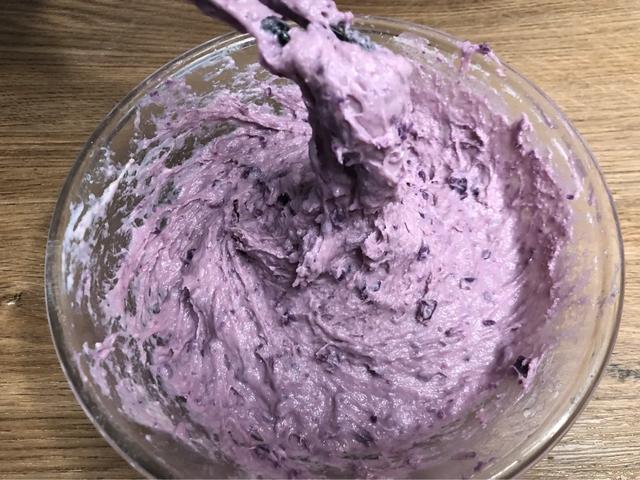
5. Grease a mold with oil to prevent sticking, then pour in the flour paste. Use a spatula to smooth it out, cover with plastic wrap, and let it ferment until it doubles in size.
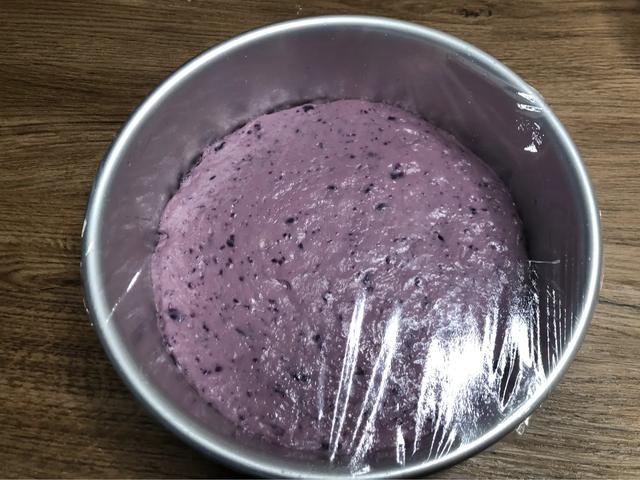
6. After fermentation, you can arrange your favorite dried fruits on top. I'm using dried red dates, raisins, and cranberries.
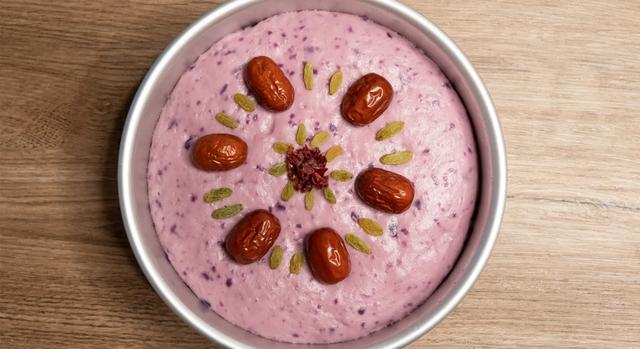
7. Once the dried fruits are arranged, place the mold in a steamer and steam for 35 minutes. Let it sit for 3-5 minutes before opening.
Tips:
1. The purple sweet potato puree must be at a warm temperature (approximately 30°C) before adding the yeast powder. If the temperature is too high, it will kill the yeast powder and prevent it from rising.
2. The flour paste should be quite thick to prevent the steamed bun from collapsing.
3. Steaming in a pot is a slow, gradual heating and fermentation process, which prevents shrinkage due to high temperatures.
4. Using a pot also ensures even heat distribution and consistent fermentation.
5. I'm using an 8-inch live-bottom mold. If you don't have a live-bottom mold, you can line it with parchment paper for easy removal.
6. The amount of white sugar can be adjusted according to your preference.
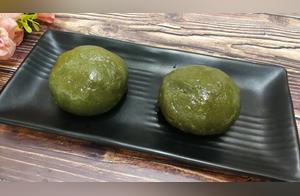
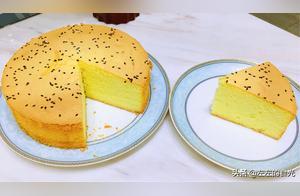
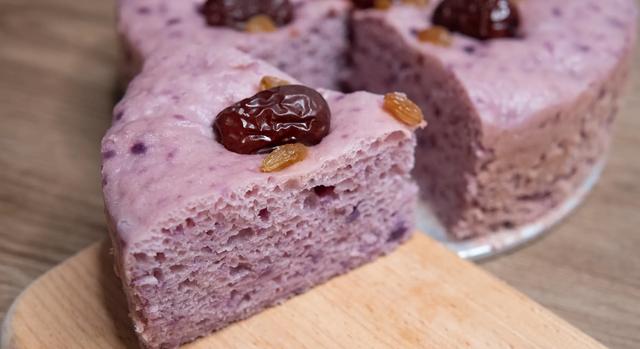
The finished steamed buns have uniform and fine air holes, bounce back quickly when pressed, are particularly elastic, and are soft and chewy with a slight chewiness, without being sticky, and are healthy and nutritious. Master these points, and you can adapt them to make various flavored steamed buns.
Food is an art, and I'm on a journey to learn this art, sharing it along the way. Original content. If you like it, don't forget to follow, like, comment, and share. Thank you for your support!