Why Some People Say It's Not Recommended to Use Yeast Powder for Steamed Buns
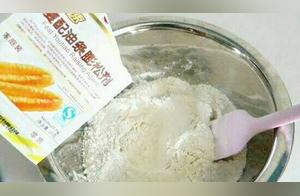
It makes sense not to encourage using yeast for making steamed buns. It's not that yeast cannot be used, but that steamed buns made with yeast lack flavor and are not as fragrant as traditional, naturally fermented buns.
1 Two Fermentation Methods
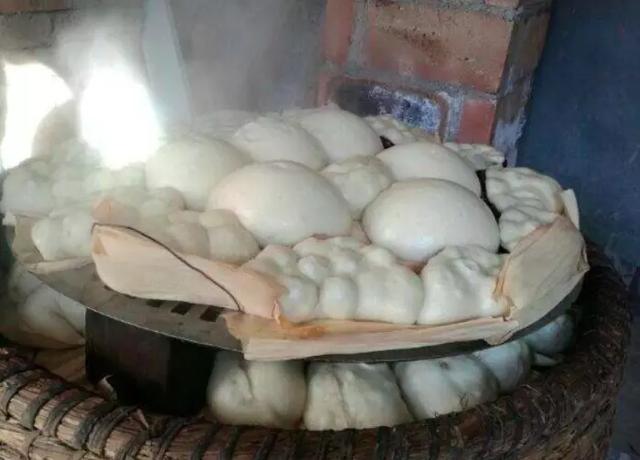
First of all, the mainstream methods for steaming buns currently are two: one is yeast powder fermentation, simple and easy to operate, with zero errors; the other is traditional old-face fermentation, which is also easy to operate. However, during the fermentation process, there is a link that needs experience control, and if not done properly, there may be a failure, such as a lack of puffiness or excessive alkalinity. But if done well, the taste is much richer than the former, and it's truly the aroma of a bun.
2 Old-Face Fermentation Concept
Here we are not talking about yeast powder fermentation, but only old-face fermentation.
Old-face fermentation also has two methods. One is fresh fermentation, and the other is old yeast head, which is old-face fermentation.
Fresh fermentation uses sweet rice wine, directly mixed into the dough, and let it ferment. This takes a longer time. Old yeast head fermentation is based on this, completely fermented, when making bun dough, leave a dough, put it away for next time, and then make it, which can greatly shorten the fermentation time of the dough.
3 Sweet Rice Wine Fermentation Method
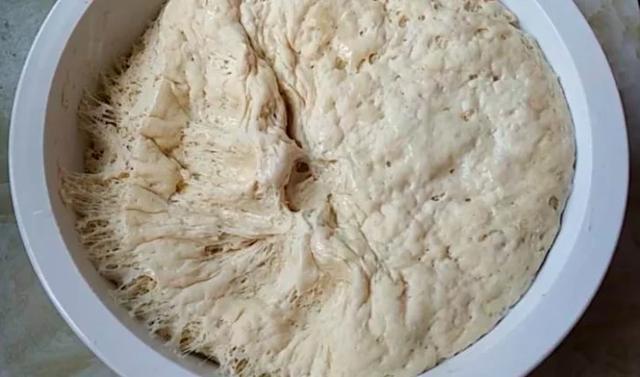
Sweet rice wine fermentation method:
⒈ First-culturing yeast method.
● Take 50g of sweet rice wine, 50ml of warm water, and 50g of flour, and mix them well.
● Wait until the dough mixture foams and expands to twice its size, then mix it into 450g of flour, and let it ferment.
● Wait until the dough expands to twice its size, knead and proof it twice, and then make bun dough and steam it.
⒉ Direct Fermentation Method
● Take 100g of sweet rice wine, 200ml of warm water, and 500g of flour, and mix them directly.
● Wait until the dough expands to twice its size, knead it.
● After kneading thoroughly, proof it, and then make bun dough and steam it.
4 Old Yeast Head Fermentation Method
Old yeast head fermentation method:
Warm water to dissolve the yeast head, when it foams and expands to twice its size, directly mix into the dough. Other steps are the same as above.
5 Precautions
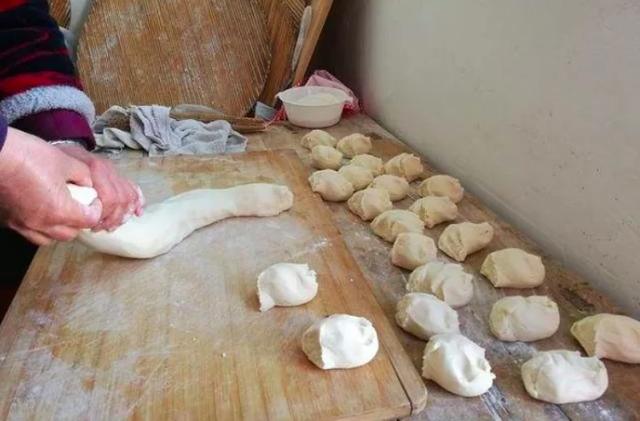
Pay attention to a few points:
● Use your own homemade sweet rice wine. It's very simple and won't fail, as you can see in my previous articles. Don't use the one sold in the supermarket.
● The ratio of flour to water is 2:1.
● The fermentation time can be extended appropriately. When the dough smells sour before kneading into a dough, add appropriate amount of alkaline water to make a traditional bun flavor.
●