How Important Are Nail Clippers for Dogs? What Types of Nail Clippers Are There? How to Trim Your Dog's Nails
Nail clippers are an indispensable grooming tool for dogs. But because of dogs' extreme resistance and the cumbersome process, many owners still haven't mastered how to use nail clippers to help dogs with grooming. Here, we'll share the importance and steps of using nail clippers!
About the importance of dog nail clippers
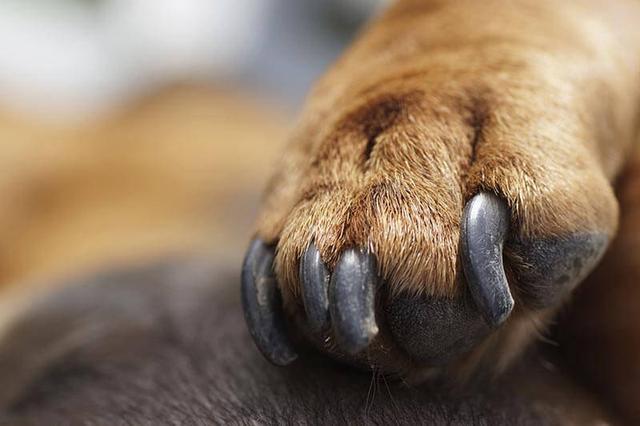
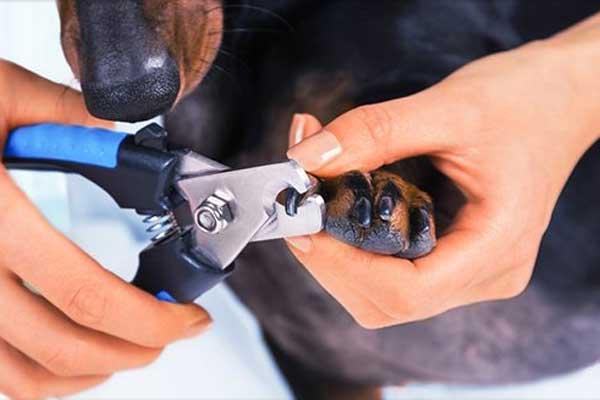
First, let's talk about why dogs need dog nail clippers. Like human nails, if left unchecked, they will continue to grow. Taking your dog for a walk outside, although the ground will thin the dog's nails, the big toe nails that won't touch the ground will continue to grow. Long-term neglect will turn into a 'horn'. Neglecting to trim your dog's nails, nails may be accidentally caught by some things, or puncture the paw pads, causing injury to the dog. At the same time, dogs use their paws to support their weight. The longer the nails, the harder it is for the paws to contact the ground, thereby hindering smooth walking.
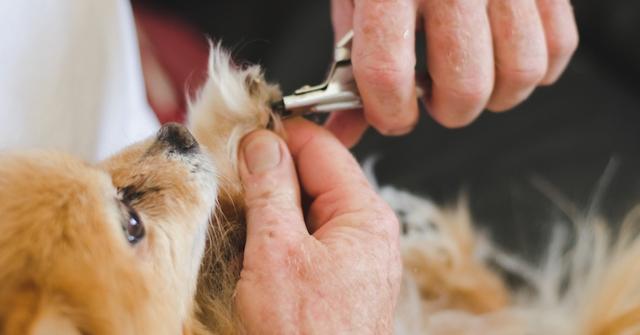
Unlike human nails, dog nails protect blood vessels and nerves. If the nails grow too much, the blood vessels and nerves inside them will also grow, and it is easy to bleed when the nails break. The longer the nails, the more difficult it is to cut with a nail clipper, creating a vicious cycle.
Introduction to nail clippers
You must use dog-specific nail clippers! Because dog nails are different from human nails, nails will not be easily cut, so using human nail clippers is not applicable to dogs. There are several types of dog nail clippers, including those with a circular section that cuts nails by sliding the blade up and down, 'notch-shaped', scissors-shaped with curved blade tips, and 'curved blade' types with a curve at the blade tip. The most commonly used type is the notch type, and the curved blade type requires a period of adaptation. When helping large dogs cut nails, curved blade types are more convenient.
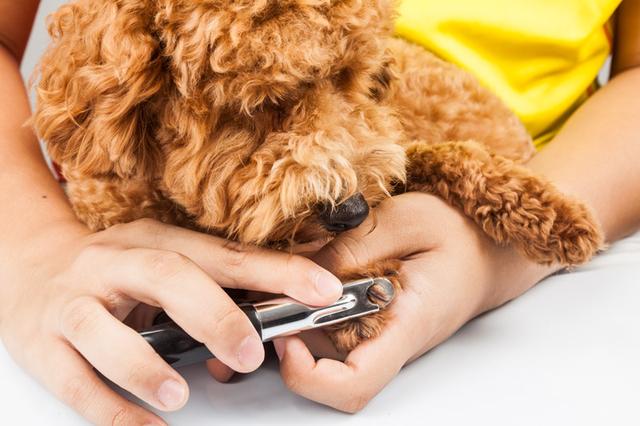
Nail growth will vary depending on the individual dog's differences and different lifestyles. As mentioned earlier, dogs who walk for a long time will have faster nail growth and slower growth. However, it is necessary to form the habit of checking your dog's nails once a month. Judging from the appearance, if the dog's nails haven't reached the ground when it's touching the ground, it doesn't need to be trimmed. If the nails make a 'crunch' sound when walking on the floor, it needs to be trimmed.
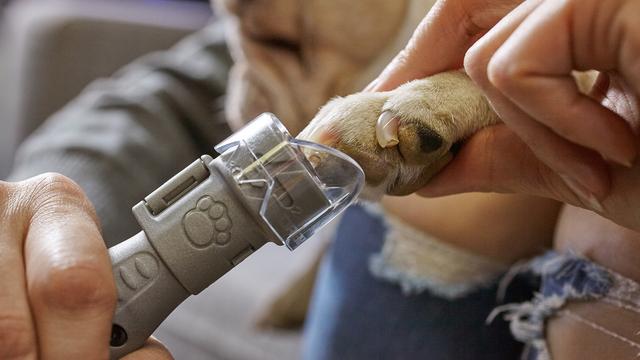
Steps for trimming nails
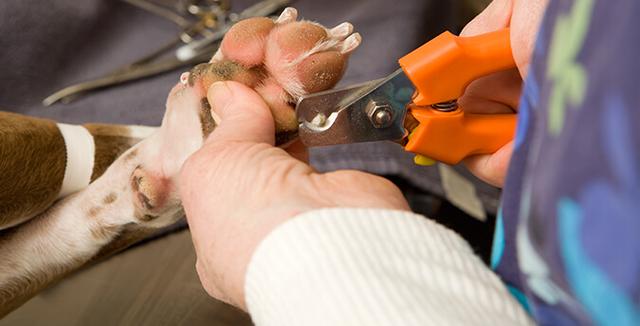
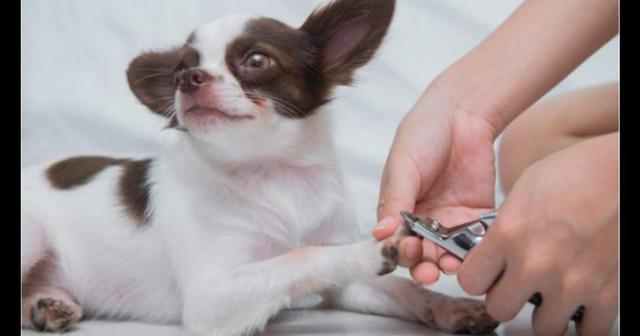
Although there is no particular order to trim nails, because many dogs don't like to start cutting from the front paws, it is best to start cutting from the back paws. When cutting, slightly pull the dog's foot back and cut upwards with the palm facing up. Because letting the dog not see itself being cut makes it less scared, the nail clipping will go smoothly.
Ways to cope with dogs that hate nail clipping
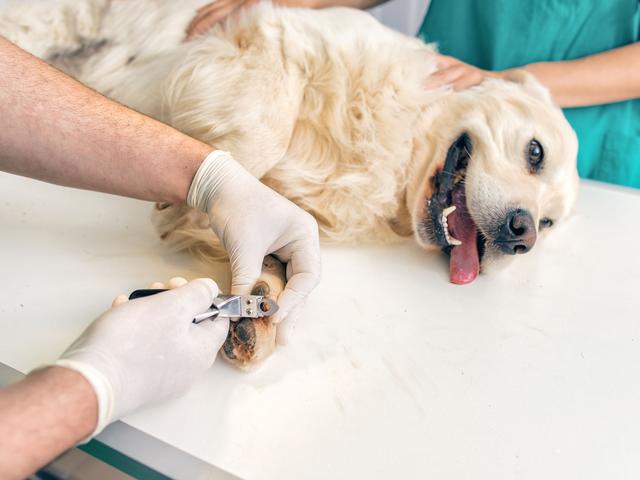
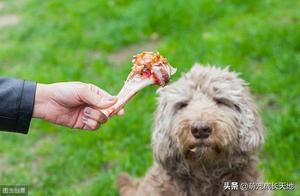
Dogs originally dislike being touched on their feet. So, as part of making the dog relax, you can first gently stroke the dog's nails and skin. When trimming nails, pull the dog's foot back slightly as mentioned earlier and don't let the dog see it. Holding the dog's back side or hugging the dog's body is also a reassuring choice. If you encounter difficult nails, don't force it to cut, because it's easy to injure the dog and make the dog even more afraid of nail clippers. If the dog can tolerate it, you can reward it with a snack. If the dog or owner accidentally gets injured while clipping nails, the trust relationship between the dog and the owner may also collapse. So, if you can't help the dog cut its nails yourself, it's best to ask a professional for help!
Helping your dog cut nails is a painful thing that every owner has to do once a month. In fact, helping your dog cut nails is not so difficult, as long as you master the correct method, you can quickly master it!