10 Hours! Croatia Performs First Dental Repair Surgery on Lynx, Releasing It Back into the Wild
Have you ever heard of spending 10 hours repairing a lynx's teeth?
In November 2019, a lynx cub was discovered near a village in Croatia. The cub might have lost its mother for some reason and looked very weak; without rescue, it might not have survived three days. After receiving the news, wildlife officials urgently dispatched staff to capture it, which took a whole day, and then sent it to the Risnjak National Park.
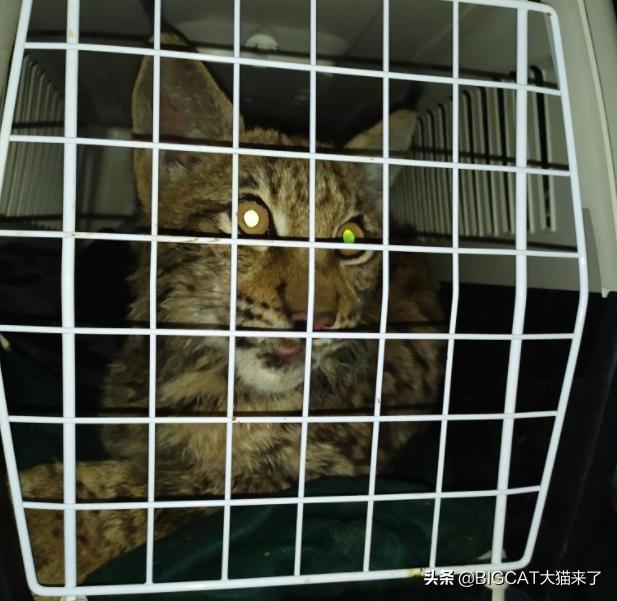
Upon examination, the lynx was about 6 months old, female, and they named her Martina. Under the careful care of several feline experts, veterinarians, and keepers, lynx Martina's body gradually recovered. In February 2020, its weight had increased from the initial 3 kilograms to 6 kilograms, and wildlife experts believed it was time to release it into the wild.
Before releasing lynx Martina, the veterinarian found that its upper canine teeth were broken. Animal experts speculated that this was due to prolonged nutritional deficiency, which had not allowed the teeth to develop sufficiently.
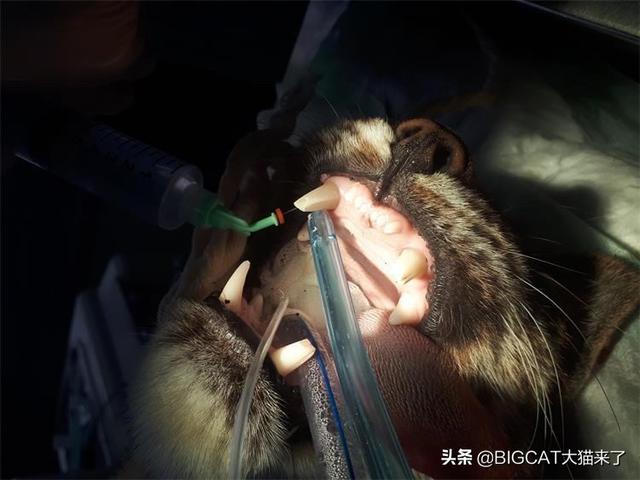
Feline animals all have sharp canine teeth, which are essential weapons for killing prey. If the canine teeth are damaged, hunting will be greatly affected, and they may eventually starve to death in the wild. Therefore, wildlife experts postponed releasing lynx Martina into the wild and contacted several well-known veterinarians and dentists to consider the possibility of repairing lynx Martina's canine teeth.
Shortly thereafter, lynx Martina was taken to the University of Zagreb, Croatia’s oldest university, veterinary school. The expert team developed a detailed treatment plan, prepared the necessary dental equipment, and then anesthetized lynx Martina to perform the canine repair surgery.
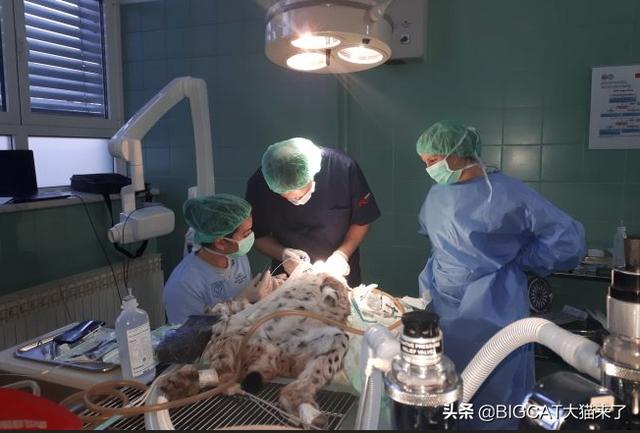
The surgery took a full 10 hours. This was the first time a lynx had undergone dental repair surgery in Croatian history. After the surgery, the experts observed lynx Martina for several days, and saw that its teeth and body condition were good, and in March 2020, it was released into the wild.
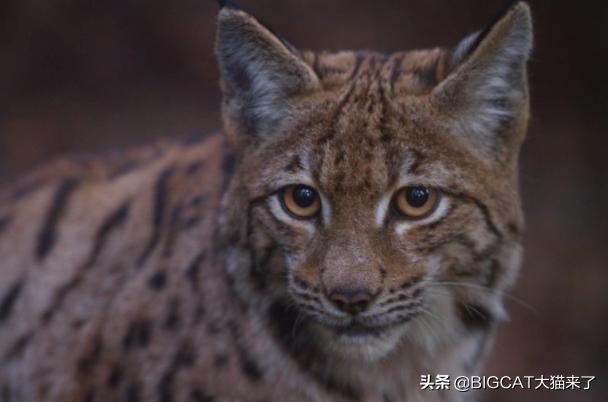
Figure: Lynx Martina
According to the confidence and infrared camera photos transmitted by the GPS collar worn by lynx Martina, animal experts learned that it is currently living relatively smoothly, and it mainly feeds by hunting small animals such as birds, rodents, and small mammals, and occasionally scavenges the carcasses of large animals. In a few months, when lynx Martina has accumulated more hunting experience, it can hunt larger prey.
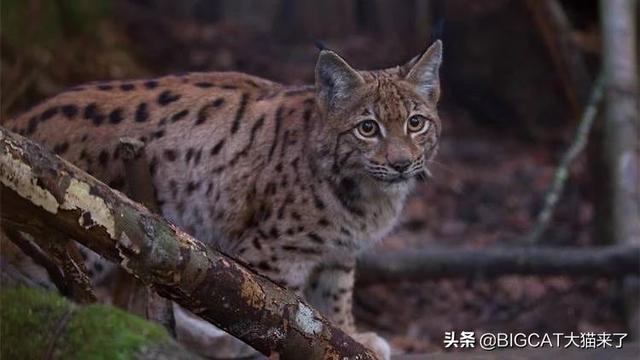
Lynx, also known as the Eurasian Lynx, is a species of feline Lynx belonging to the Lynx genus, distributed in Asia and Europe, and plays an important role in maintaining ecological balance. Due to long-term poaching and indiscriminate killing, lynx has been extinct in many European countries. After the disappearance of the lynx, the ecological situation in many places became very bad, and in recent years, some European countries have begun to reintroduce lynx in order to help restore the ecosystem. In Croatia, there are currently only 40 to 60 lynx living in the wild, and they are also the largest wild feline in Croatia, and their importance is self-evident.
Currently, researchers are continuously monitoring lynx Martina to ensure that it can live healthily in the wild and contribute to the increase of the population.