Lumps on Dogs: What Causes Them? This Could Be a Sign of a Serious Illness
When petting a dog, have you ever felt lumps on its body? There are many reasons why dogs develop lumps, which could be a sign of a serious illness, or it might not require treatment. However, in the most severe cases, it could be diagnosed as cancer.
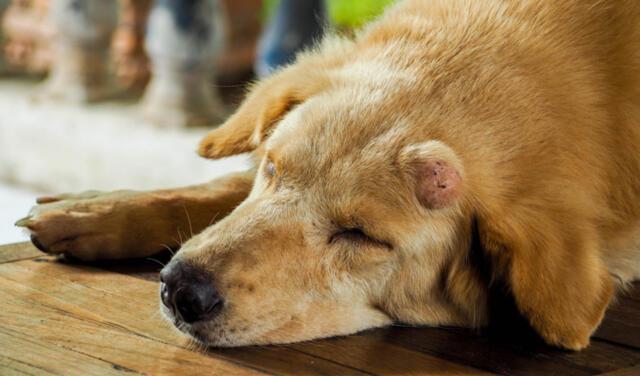
What causes lumps in dogs?
The causes of lumps are broadly divided into two aspects:
① Tumor
Many tumors present lumps on the surface of the body, and skin tumors are one of the most common cases. Similarly, internal tumors such as lymphoma will cause swelling of the lymph nodes, eventually being diagnosed as cancer.
② Inflammation
Due to skin irritation and injuries, inflammatory substances and pus can accumulate under the skin, eventually forming lumps. In addition, injections during treatment can also leave lumps on the dog's skin, which is one reaction of inflammation to the liquid.

Dog lumps may react to diseases
① Tumor
Lipoma
A portion of fat, which may become cancerous, forms a lump. Lipomas are common in areas with a lot of fat, such as the abdomen, chest, armpits, and heels. They are usually benign.

Breast tumor
This tumor is affected by estrogen, and is common in unspayed female dogs who have had multiple heat cycles. As estrogen increases, the risk of malignancy increases.

Anal gland adenoma
This tumor is usually benign, but can become malignant in rare cases. It is common in male dogs. Uncastrated dogs' tumors will grow due to the influence of male hormones, and their daily life will also be affected.

② Inflammation
Due to bacterial infection, pus will form and accumulate if it cannot be discharged. When the amount of pus exceeds a certain limit, it may suddenly rupture, causing severe pain. Especially common in elderly dogs, dental problems cause swelling under the jaw, which is a tooth root abscess.
Inflammation-induced lumps are mostly like soft water balloons. If there is no pus, it may also be due to some stimulation, the accumulation of liquid.

Lump examination methods
When there is a lump, the first examination is fine needle aspiration biopsy (FNA). A very thin injection needle is used to penetrate the lump to collect cell samples for examination. Most of the time, this examination does not require anesthesia. The examination time takes about 30 minutes, which is a relatively acceptable method. If the lump is due to a tumor and becomes hard or rapidly enlarged, it may become malignant. However, it is difficult to judge whether it is good or bad just by looking at the surface and palpating, so it is recommended to do some examinations.
Lumps look like small things, but they can also pose a danger to dogs, so owners should not ignore lumps found on their dogs!