Why Do Animals Need to Have Mating Seasons, While Humans Can Reproduce at Any Time?
As everyone who has watched 'Animal World' knows, most animals have relatively fixed mating seasons, and these animals generally mate and reproduce offspring during their mating season. However, humans are completely different from these animals; we do not have fixed mating periods. Human women ovulate every month, which means that it is much easier for humans to reproduce than it is for other animals.
Why do animals have fixed mating periods?
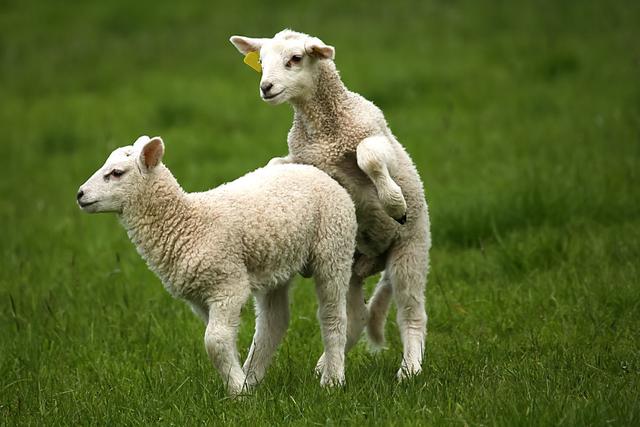
Now, including humans, most animals' behaviors are evolved for survival and reproduction. Therefore, animals have mating periods, mainly to increase the survival rate of their offspring. Only when the survival rate of the offspring is improved can the population expand.
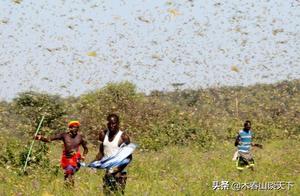
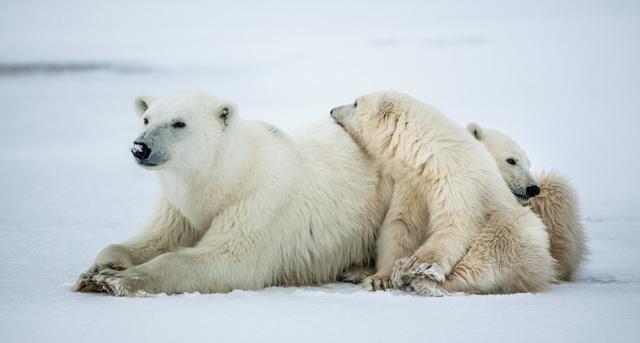
For example, herbivores on the African savanna often give birth to offspring when grass is abundant, and some predators also give birth when herbivores give birth, because it is easier for herbivores' offspring to be caught, and food is abundant. Polar bears generally give birth to cubs in winter, allowing the cubs to grow up drinking milk in the hibernation caves when summer comes, and when summer comes, the polar bear cubs have a certain survival ability.
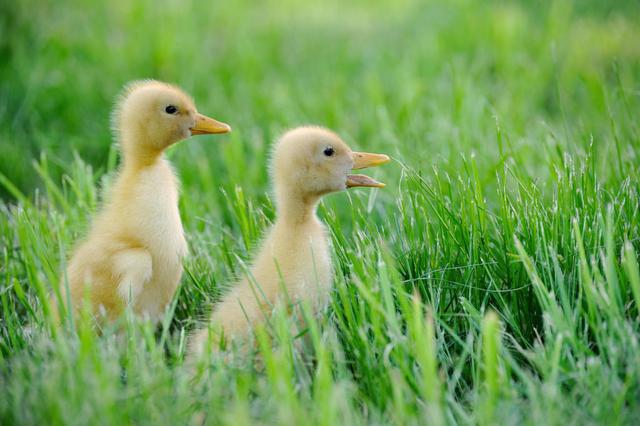
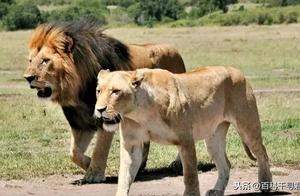
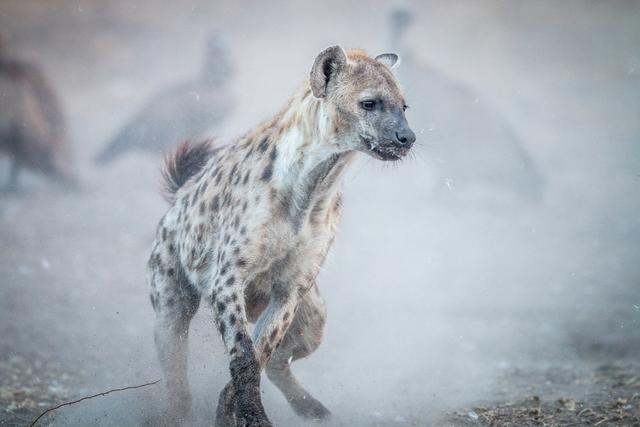
In fact, some animals are like humans and do not have fixed mating periods, such as lions and hyenas. These animals are mostly social groups, and a whole group can sustain the cubs, so they don't need to mate at a fixed time. However, even though these animals do not have fixed mating periods, they often choose to give birth when food is abundant.
Why can humans ovulate at any time?
As mentioned earlier, animals evolve mating periods, and the main purpose is to improve the survival rate of their offspring. Therefore, most animals' mating periods are determined by the amount of food. However, humans are different from animals; humans do not rely on nature to obtain food. Relying on humans can provide abundant food sources, so they don't need mating periods.
However, in ancient times, humans also chose to have children when food was abundant. Now that humans basically don't worry about eating, they can give birth whenever they want. However, not considering food problems, humans now need to consider more problems, such as cars, houses, quality of life, baby formula, and children's education, all of which will affect when humans give birth.
With the modern human pursuit of living quality, more and more young people choose to marry late and have children, or even become childless. This has led to a decrease in the marriage and birth rates in many countries in recent years, and an increasing aging population.

In conclusion, whether animals or humans, the main factors affecting when to have children are environment, food, and predators. In the natural world, these conditions depend on the four seasons, while human society has already developed to the point where we don't need to look at the sky to eat, so humans don't have mating periods, while animals do.