Why Don't Animals in Nature Wipe Their Bottoms, While Humans Do?
Using paper to wipe one's bottom is entirely a human-invented cleaning behavior. Other animals also have ways to clean their fur and bottoms, and some animals don't even need to do so. Undeniably, humans are the only ones who really hate their own waste products – there's no animal that's as averse to its own excrement as we are. Other animals will even engage in a friendly interaction with their own feces, haha. Let's talk about this topic.
Herbivorous animals rarely have the need to wipe their bottoms, basically there's no such concern.
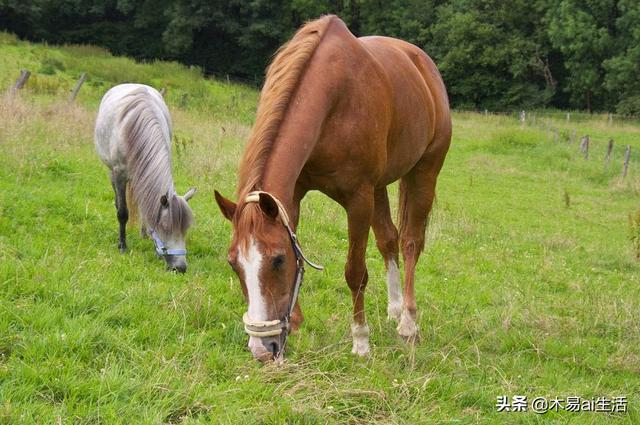
First of all, other animals not wiping their bottoms doesn't mean they're not clean, because in the natural world, most animals are herbivorous. Herbivores consume large amounts of fiber, and their feces usually form fecal balls, which are dry. For example: Sheep poop is dry and compact, like little egg stones, and they rarely stick to other places. However, herbivorous animals sometimes get sick or have diarrhea, which can also make their fur dirty and irritate their bottoms. But the advantage is that other animals' buttocks have muscles on the outer side, and the anus is completely open, making it easy to dry and less prone to bacterial growth. Their tails and running can clean the stuck feces. In general, herbivorous animals don't get sick, so they don't need to wipe their bottoms – it's a needless effort.
Animals' feces don't stick to their buttocks, muscles clamp and break! Haha! If the feces aren't dry enough, animals have other tricks.
Birds like chickens, ducks, and penguins will their little bottoms when they poop, spraying the feces away.
Rhinos don't make the butt-lifting action, they simply lift their tails up, then extend a small part of their intestines to defecate, and retract the intestines after defecation to ensure the buttocks don't stick to feces.
Horses, sheep, hippos, etc., after finishing, they will shake their tails, that is, they will use their tails to sweep the feces away. Hippos are especially outstanding, they use the 'fecal-sweeping technique' to fight!
Humans: Whether from diet or body structure, every time we eat, we have to clean up.
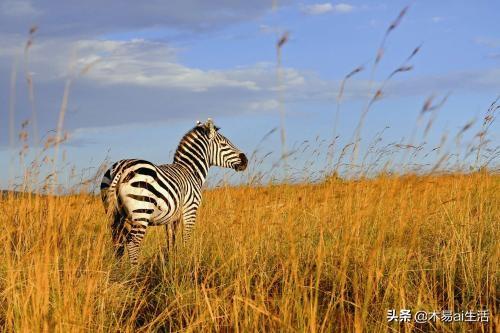
Humans are omnivorous animals, we are able to fly, run on the ground, and swim in water, we don't reject any food that can be placed on the table. So our feces are only slightly more than that of carnivorous animals. Most people often eat high-protein, high-carbohydrate food, which means that our excrement is already prone to sticking to everything. But some people prefer to eat coarse grains and vegetables, which are rich in fiber, so they will also experience the situation that after defecation, the feces don't stick to the anus, and they feel like they don't need to wipe it. Think about it, you should also have such a situation.
The last reason is the structural problem of humans. We are bipedal animals, our buttocks muscles are developed, and the muscles are inward, which encroaches on the space of the anus's operation. This is like playing basketball in a narrow alley – you will constantly bump into the walls. While quadruped animals have muscles in different directions, their muscles are on the side, which provides a large area for the anus to operate, rarely bumping into walls.
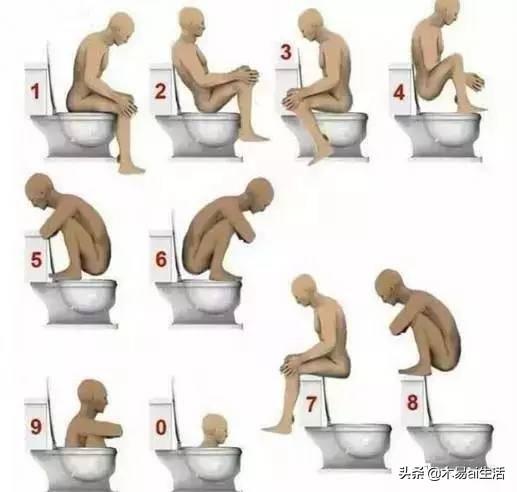
However, we can bypass this anatomical obstacle by squatting. When we squat, the buttock muscles will be moved to the outer side, providing a space for the anus to operate. But considering the quality of our feces (high water content) and the fact that our anus is always in a sealed environment, and we are very disgusted with our own waste, how do we deal with it? We can only wipe it after finishing to avoid the situation.
Therefore, if you don't want to wipe your bottom, you can eat more vegetables, try to squat, relax your buttock muscles, and open a way for the anus!