Black Larvae! Desert Locusts Emerge in East Africa and South Asia, China to Dispatch Work Group to East Africa
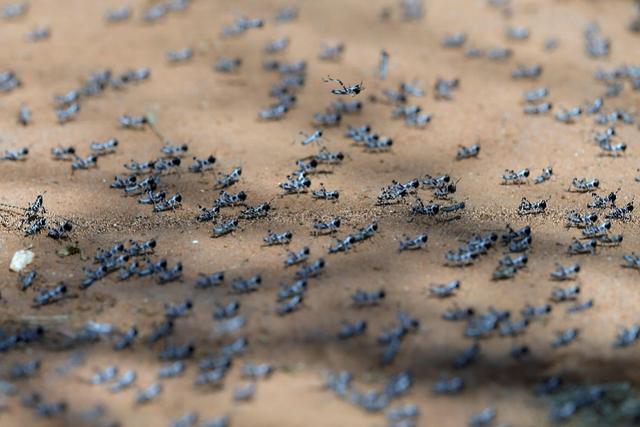
This is a desert locust larva photographed in Esiolo, Kenya, on February 25th. The life cycle of the desert locust is divided into three stages: egg, larva, and winged adult. When larvae appear in groups, their color changes from green to yellow and black, and adults change from brown to pink (immature) or yellow (mature). Xinhua/AFP
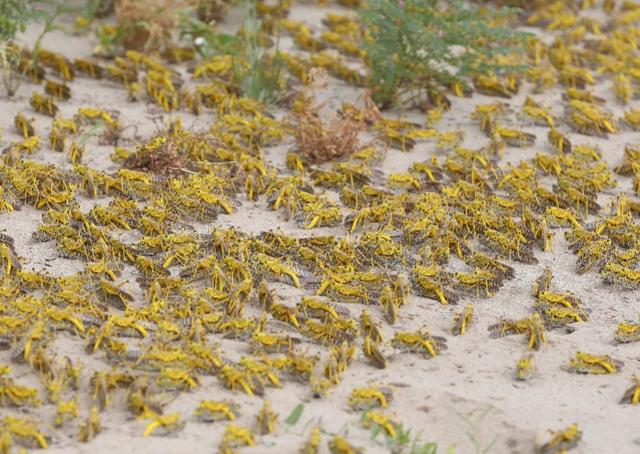
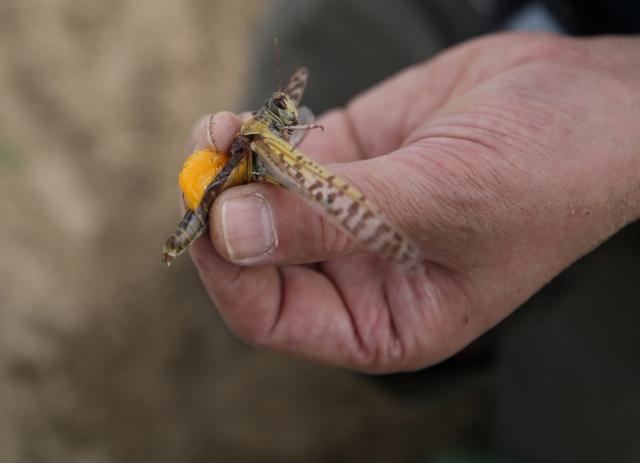
This is a desert locust photographed in Husaib, Central Punjab Province, Pakistan, on March 1st. Pakistan recently suffered from severe desert locust plagues, and large numbers of locusts in the central Punjab have entered the mating and breeding period, and the locust plague is expected to continue. Xinhua News Agency
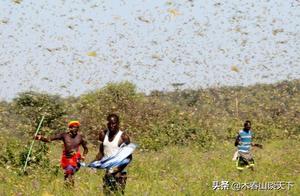
According to a statement from the Ministry of Agriculture and Rural Affairs of China on October 10th, this year, desert locusts have broken out in East Africa and South Asia, posing a serious threat to local food and agricultural production. The Ministry of Agriculture and Rural Affairs will dispatch an emergency locust plague control work group to relevant African countries in mid-March to jointly study and formulate control measures with non-party. And at the request of non-party, it will provide technical and material support to the best of its ability
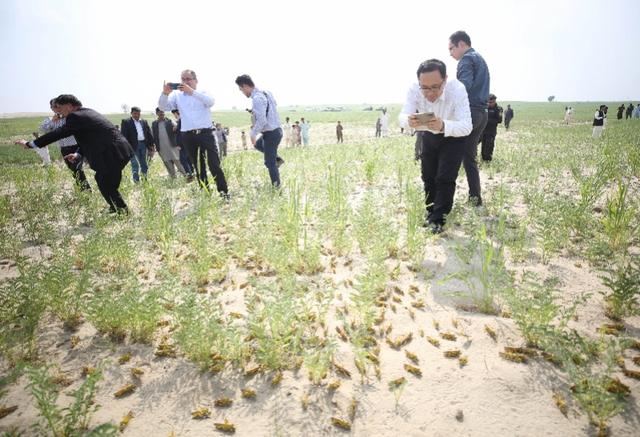
On March 2nd, a Chinese locust plague control work group inspected the desert locust disaster situation in Husaib, Punjab Province, Pakistan. Xinhua News Agency
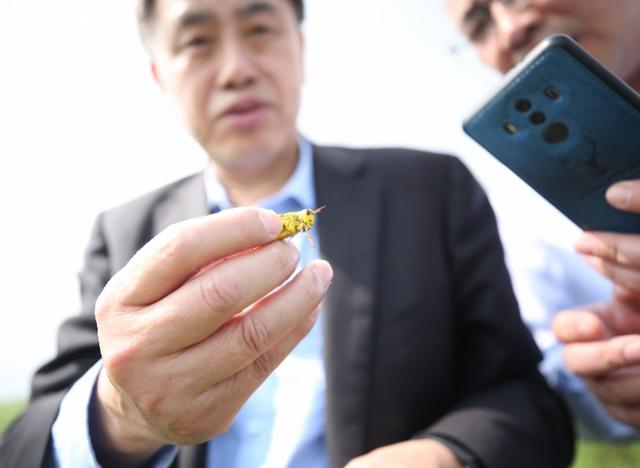
On March 2nd, Chinese locust plague control work group expert Wang Fenglu demonstrated the captured desert locusts in Husaib, Punjab Province, Pakistan. Xinhua News Agency
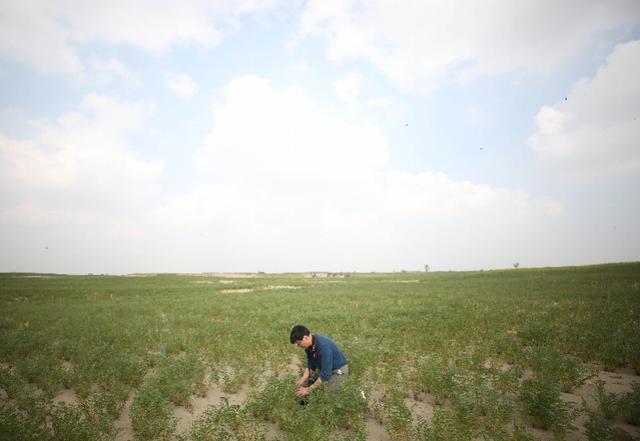
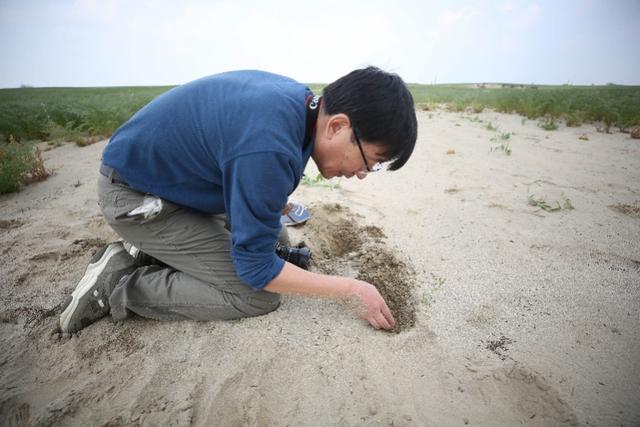
On March 2nd, Chinese locust plague control work group expert Zhang Long was checking the desert locust disaster situation and looking for desert locust eggs in Husaib, Punjab Province, Pakistan. Xinhua News Agency
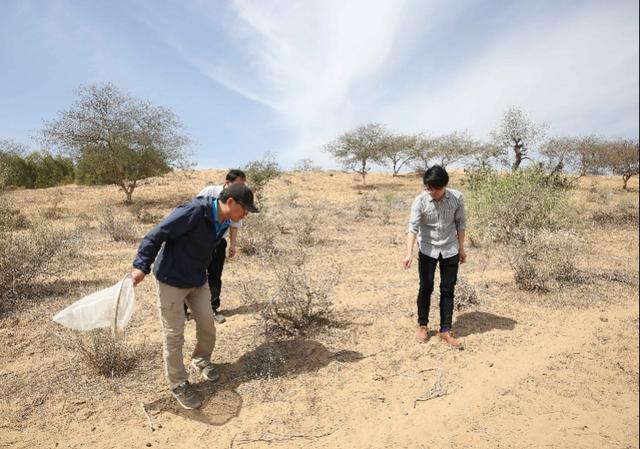

On February 26th, Chinese locust plague control work group experts collected desert locusts and locust eggs in Sind Province, Pakistan. Xinhua News Agency
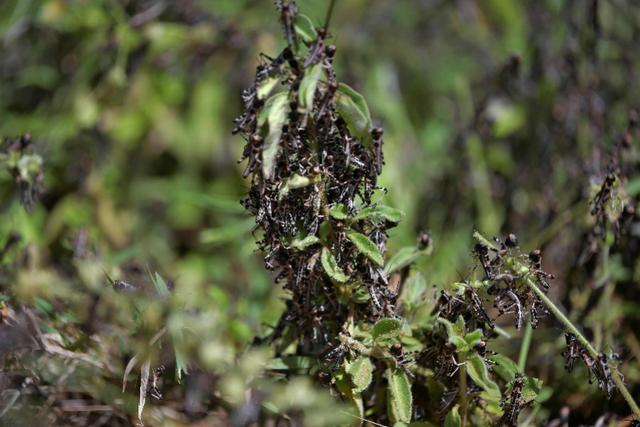
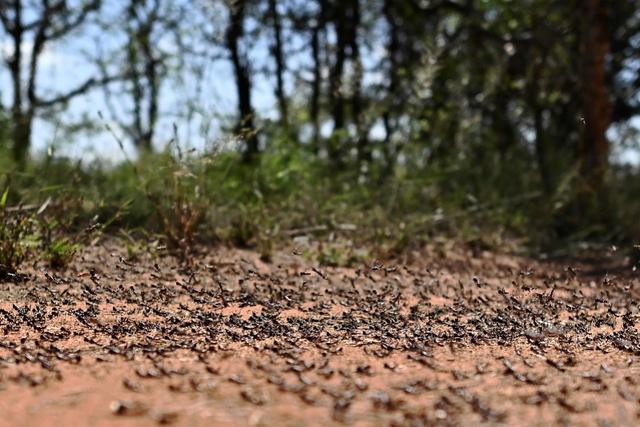
This is a locust larva photographed in Esiolo, Kenya, on February 25th. In recent months, many countries have suffered from desert locust plagues. According to a report released by the Food and Agriculture Organization of the United Nations, this locust plague has swept across 20 countries from West Africa to East Africa, from Asia to South Asia, with a total affected area of over 16 million square kilometers, with Africa being the most severe. The UN agency called on the international community to provide more funding to respond to the raging locust plague