Do Sharks Need to Sleep? How Do They Sleep?
Previously, it was widely believed that sharks never sleep. According to the records of the Florida Museum of Natural History, great white sharks, tiger sharks, and bull sharks actually sleep, spending their days sleeping and coming out to hunt at night. Other species, such as nurse sharks, use spiracles to force water through their gills, providing oxygen-rich water to allow them to breathe while stationary. However, most shark species need to maintain continuous movement to ensure a constant flow of water over their gills, otherwise they will suffocate. Therefore, the central control device—the central test signal generator—appeared, located in the spinal cord, allowing sharks to swim unconsciously.
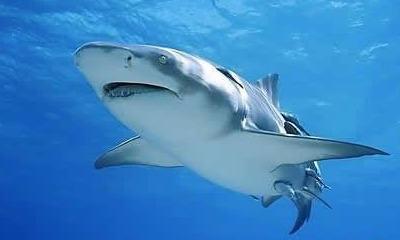
But because fish have no eyelids, it's impossible to determine whether sharks are sleeping. Unlike dolphins that have powerful brains that can switch between the left and right hemispheres, sharks rely entirely on low-level reflex actions in the spinal cord. Therefore, when sharks swim unconsciously, they are less sensitive to external stimuli than dolphins.
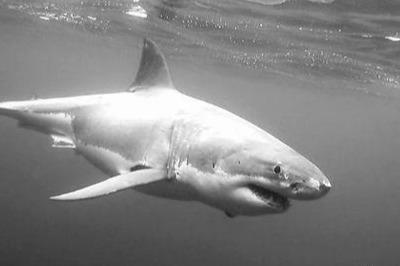
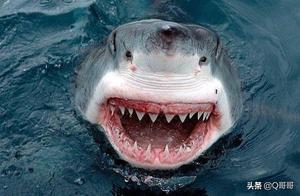
A great white shark opens its mouth while sleeping, likely to maintain oxygen intake into its gills with minimal energy expenditure.
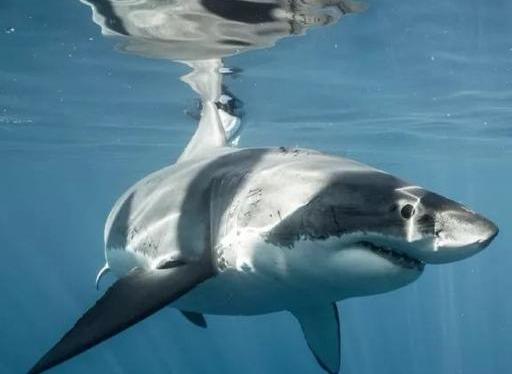
At night, a great white shark swims toward shallow waters, which seems terrifying, but in reality, it's the great white shark's safest time, although it continues to swim, it appears to be in a state of hypnosis. Researchers believe this state is when the great white shark is sleeping.

Do any of you little friends have ever seen a sleeping great white shark? Or have you ever seen one that you didn't know was sleeping? Little friends, you have the opportunity to observe when you go diving! Source: Magic Dive