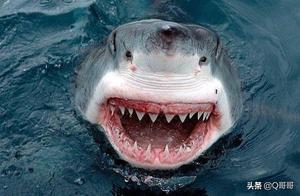
Why Do Sharks Move Their Tails Side to Side, While Whales Move Them Up and Down? Which Method Is Faster?
Why do sharks and whales have such different tail movements? Sharks move their tails side to side, while whales move them up and down. This difference seems puzzling, but it’s actually quite straightforward. Let’s explore the reasons behind these distinct movements and which one might be faster.
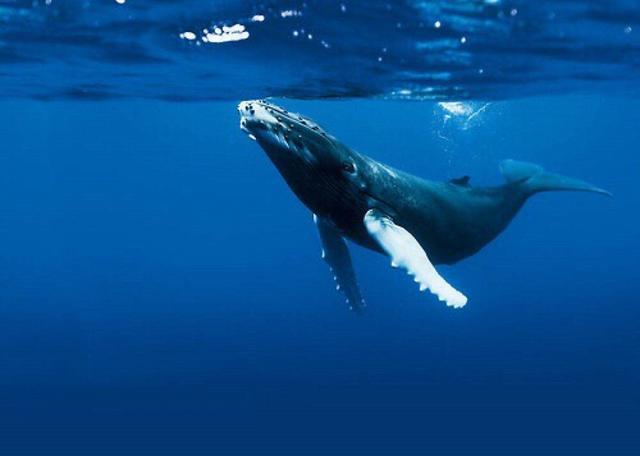
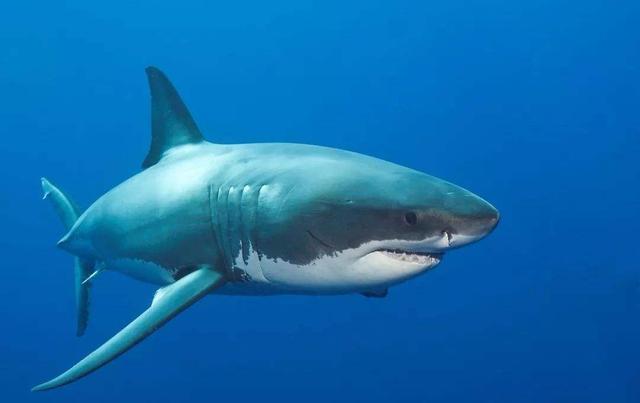
First, let's consider why sharks move their tails left and right, while whales move them up and down. It’s all about the shape of their tails. Sharks have horizontal tails, while whales have vertical tails. This difference in tail shape increases the contact area between the tail and the water, thus enabling the body to be propelled forward. Isn’t this a simple explanation? Why do sharks have vertical tails, and why do whales have horizontal tails?
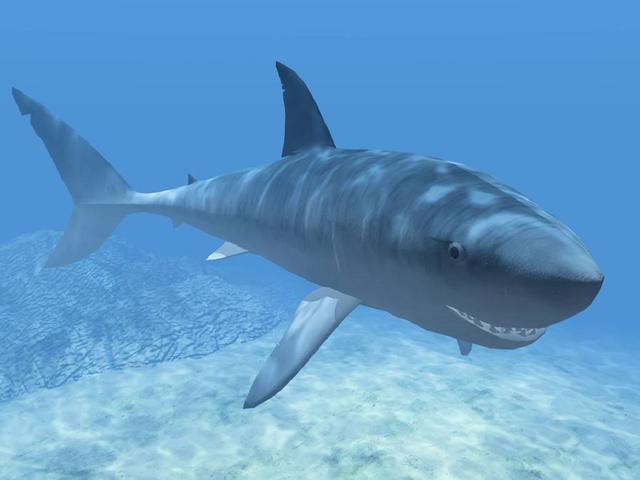
It's important to first recognize that sharks and whales are fundamentally different types of animals. Sharks belong to the fish class, and whales, despite their common name 'whale', are actually marine mammals. Marine animals include dolphins, sea cows, seals, and sea lions. This distinction is crucial to understanding their evolutionary adaptations.
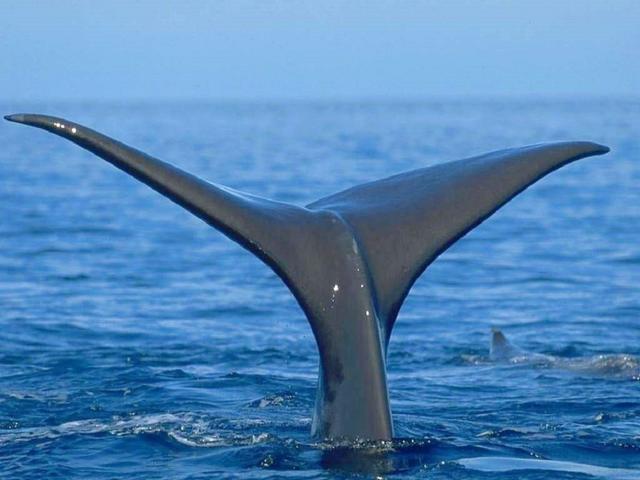
Once we understand this, the question becomes much clearer. Fish originated very early in Earth's history, appearing before humans even existed. Fish were first discovered 400 million years ago. From their inception, they possessed a slightly elongated and flattened body with a vertical tail, continuously adapted to aquatic life. Over four hundred million years of evolution, they maintained this vertical tail shape because it was sufficient for survival and movement in water. Therefore, the shark’s vertical tail is innate.

However, the whale's situation is different. As previously mentioned, whales are a secondary return to the sea, evolved from hoofed mammals on land approximately 50 million years ago. The ancestors of whales spent a long time living on land; to adapt to the underwater environment, their forelimbs evolved into fins, and their hind limbs were reduced.
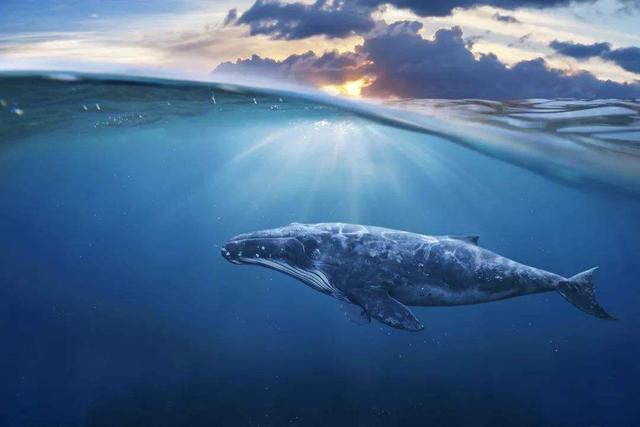
When whales were land mammals, they had four limbs, necessary for movement on land. Mammals moving forward require four limbs to swing back and forth. Over long periods of evolution, this formed a spinal column that swung up and down. When they returned to the sea, their tails needed to move in sync with the spinal column, resulting in horizontal tails. This tail shape was perfectly suited for underwater life and swimming, so it remained horizontal.
Moreover, the whale's horizontal tail movement has an additional benefit: it facilitates breathing. When whales dive to hunt, they need to surface to exchange gases; their nostrils are located at the top of their heads. Therefore, the up-and-down movement of the tail aids in respiration and swimming.
Now, let’s discuss which tail movement is faster. It turns out that swimming speed has nothing to do with the tail movement. Fish have survived in the ocean for hundreds of millions of years, and they remain abundant. Although whales have only been living in the sea for a few million years, they have fully adapted to the marine environment, and neither has been eliminated, indicating that both horizontal and vertical tails can adapt well to aquatic life, so there’s no difference in which tail movement is faster.
Watch more science and popular science fun facts, please follow the Toutiao channel ‘Guoqian Science’.