Revisiting Hongcun
Hongcun and Xidi, two ancient villages, are the pride of Anhui, and have been included in the World Heritage List. They represent the essence of architecture.
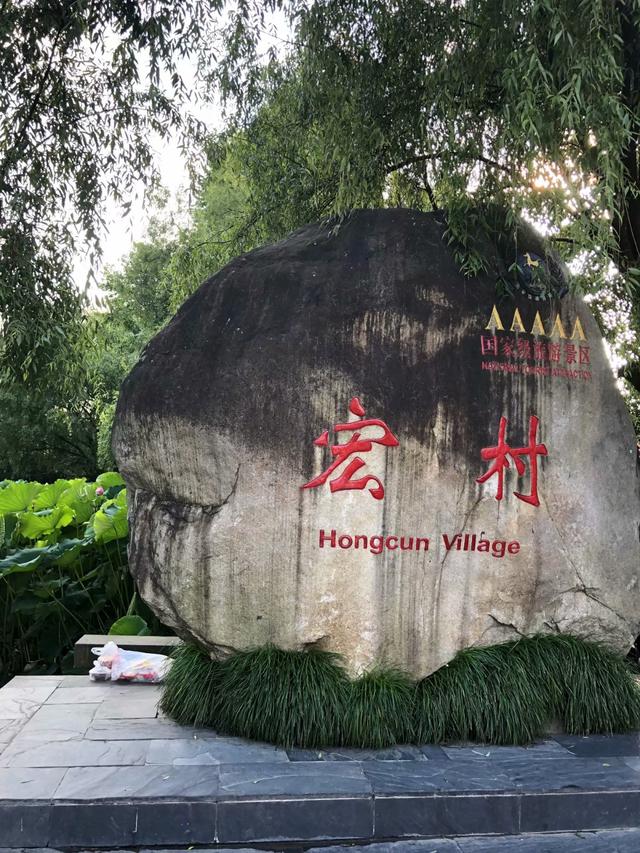
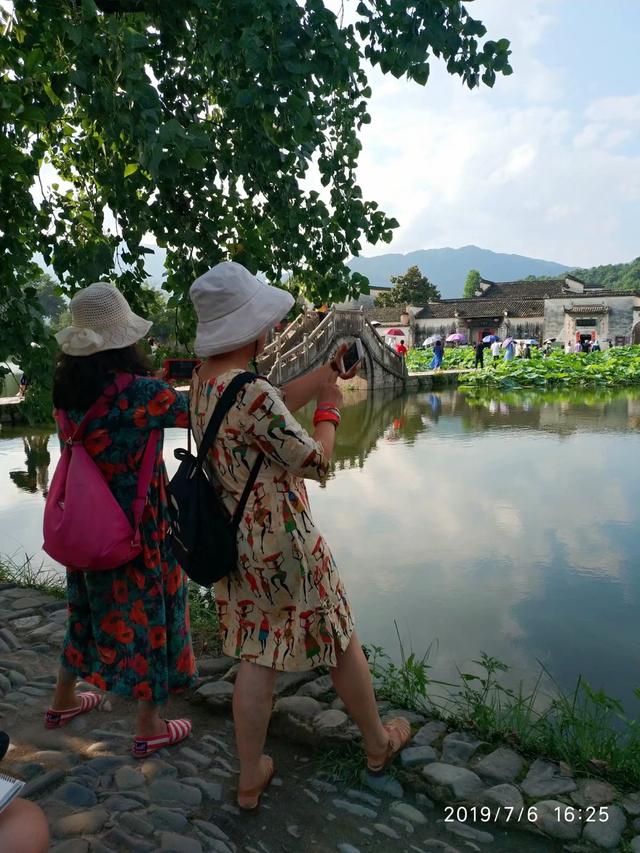
Hongcun is known as ‘a picturesque village in a Chinese painting,’ and UN experts have praised it as ‘a uniquely wonderful small town with a water street landscape.’ The main entrance to Hongcun is the small bridge featured in the movie ‘The Cracking of a Mirror’ starring Jet Li.
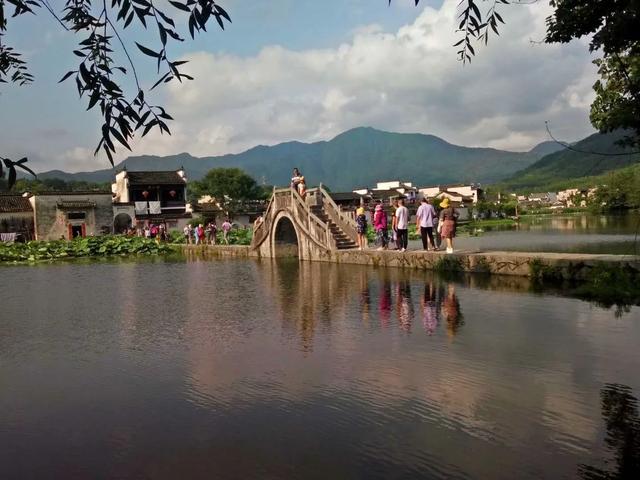
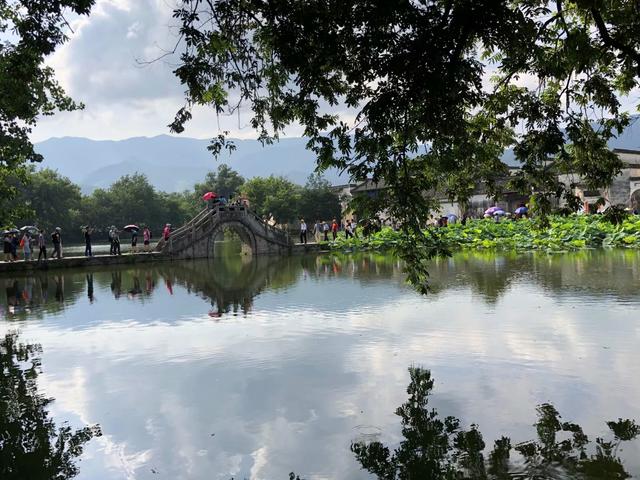
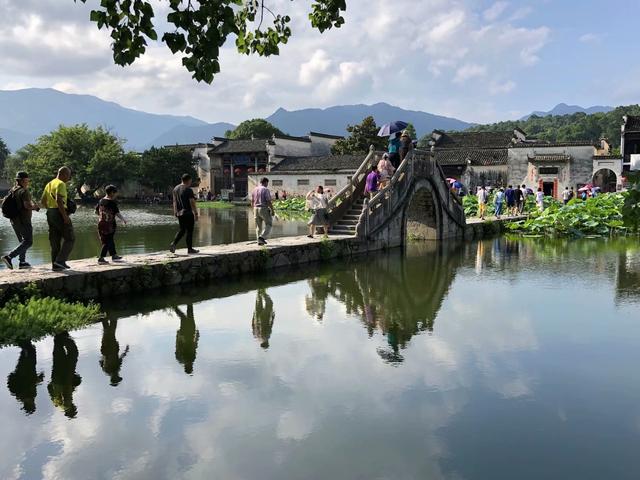
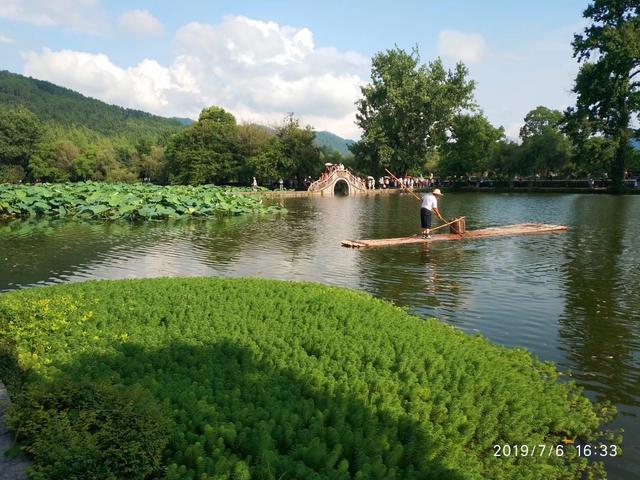
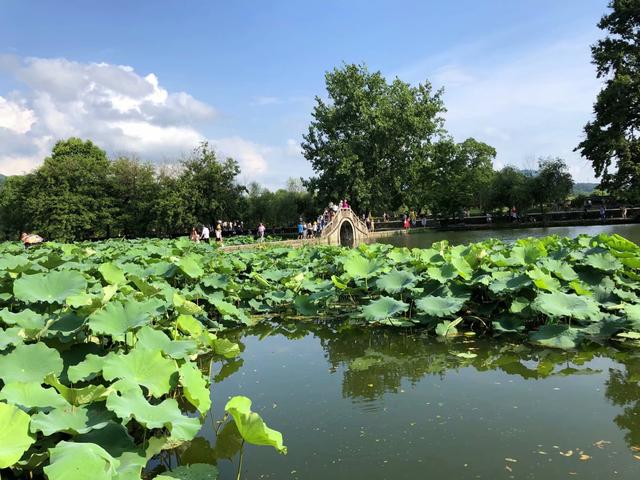
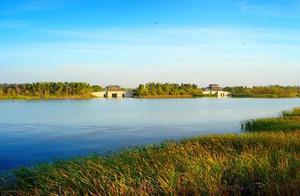
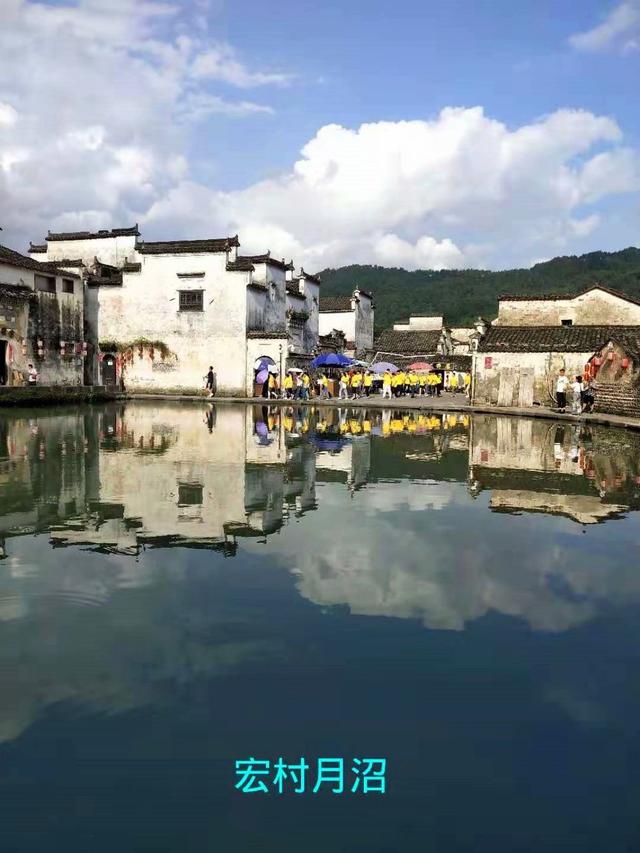
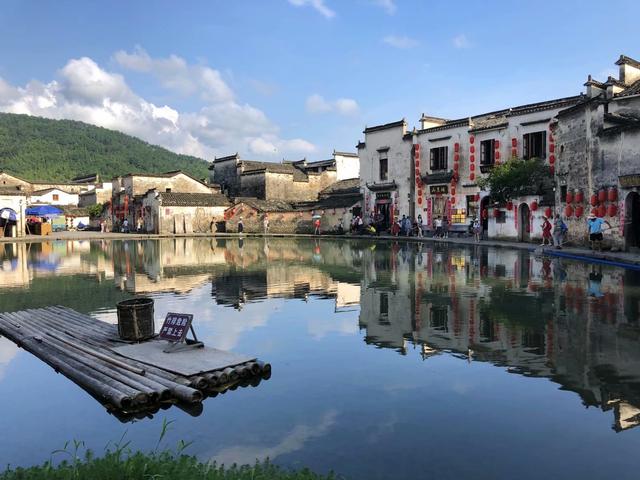
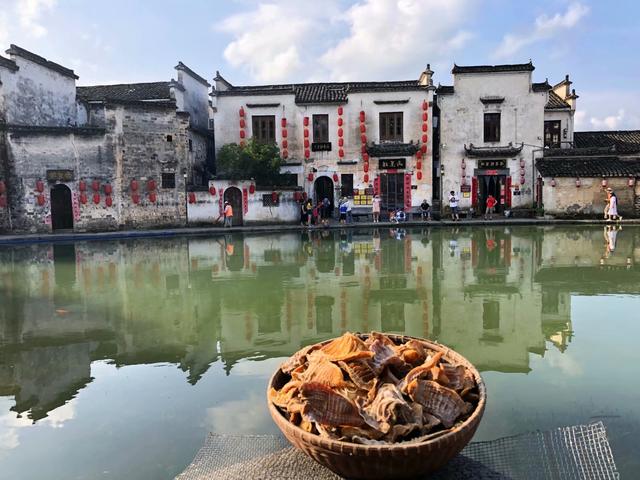
The beauty of Hongcun: Beauty lies in the water, with a wide expanse of water in front of the village, commonly known as ‘Nanhu Lake,’ which separates the village from the outside world. A clear stream surrounds the ancient village, like a moat around an ancient city, protecting this peaceful mountain village.
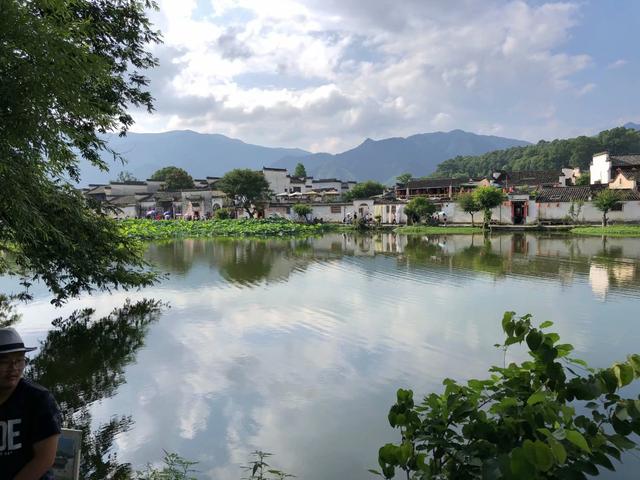
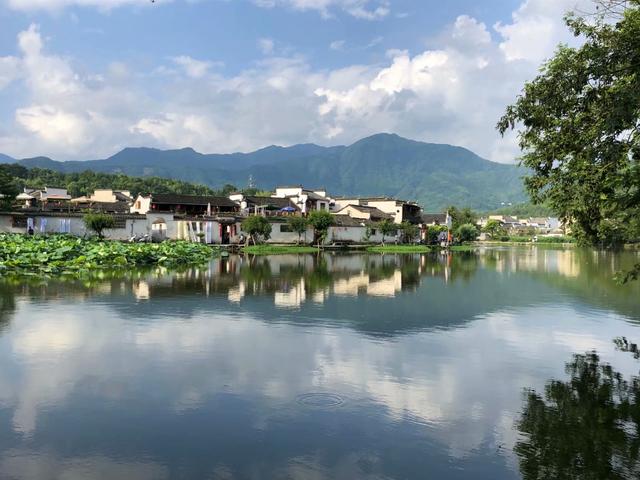
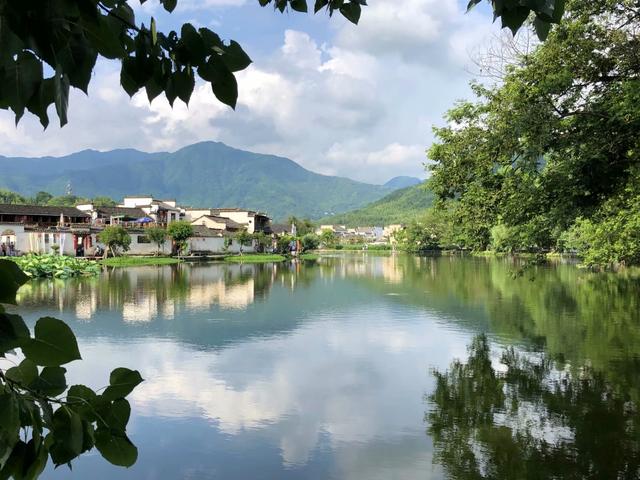
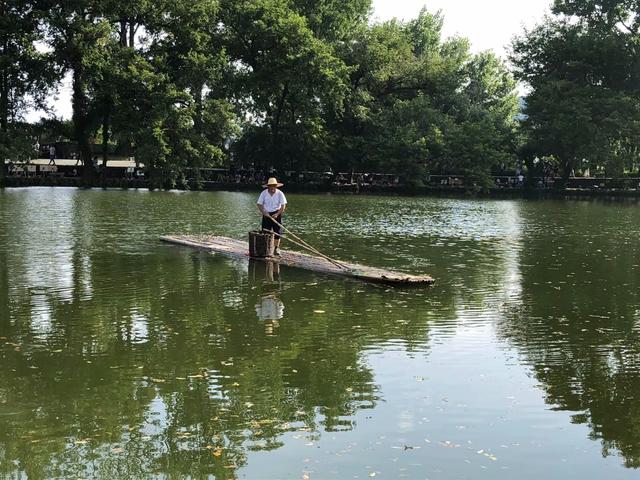
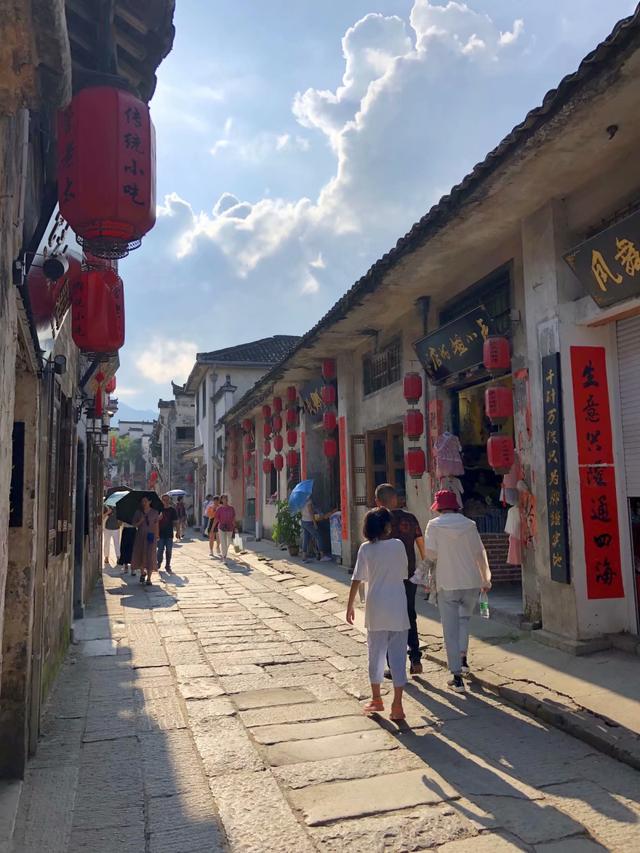
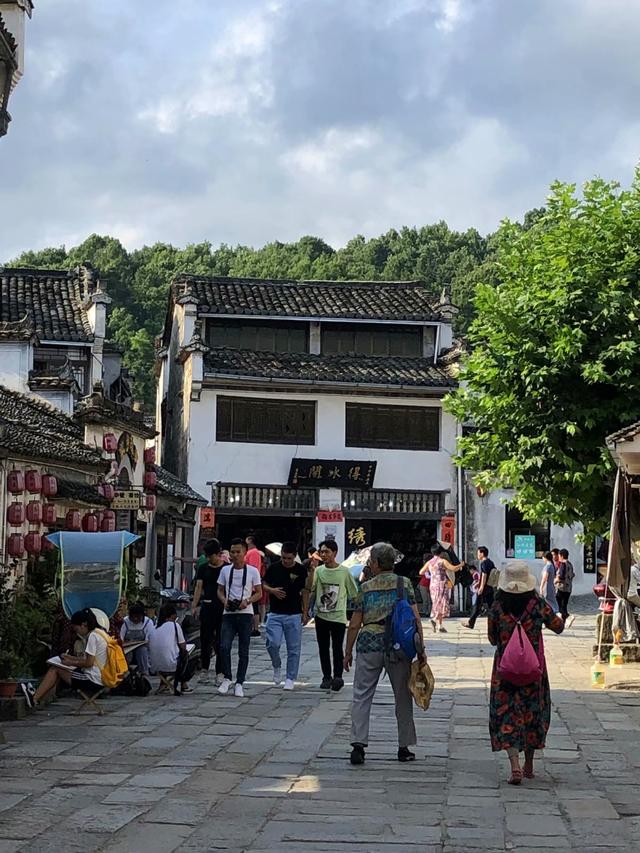
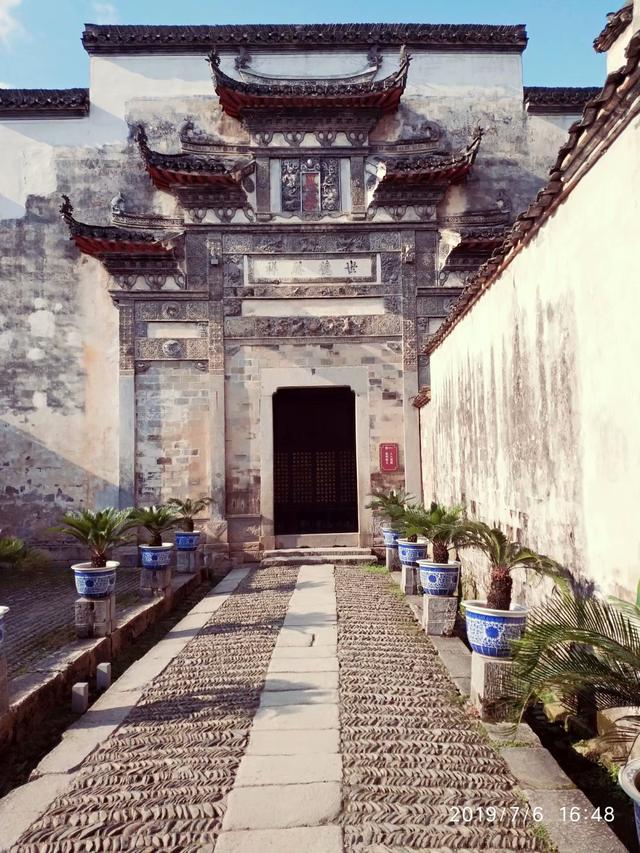
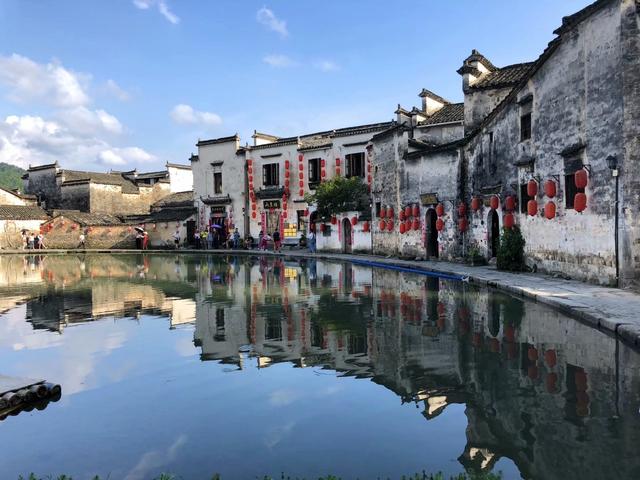
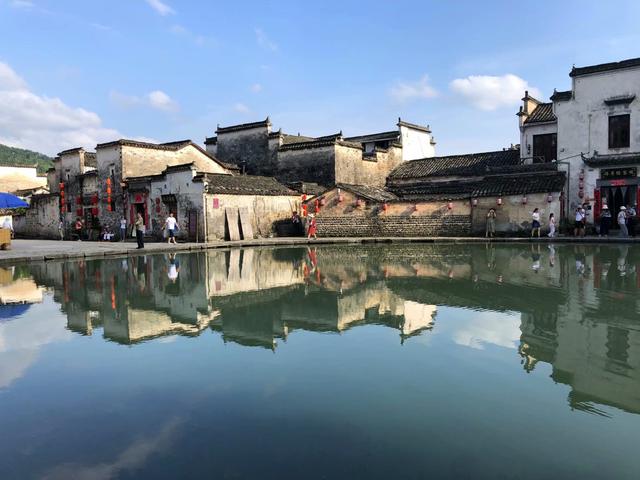
The beauty of Hongcun: Beauty lies in architecture, with white walls and black roofs, buildings arranged in neat rows, with horse-head walls and soaring eaves, high and low, staggered.
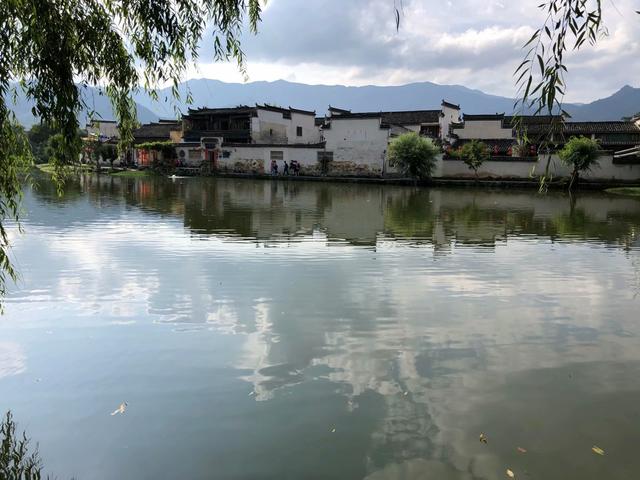
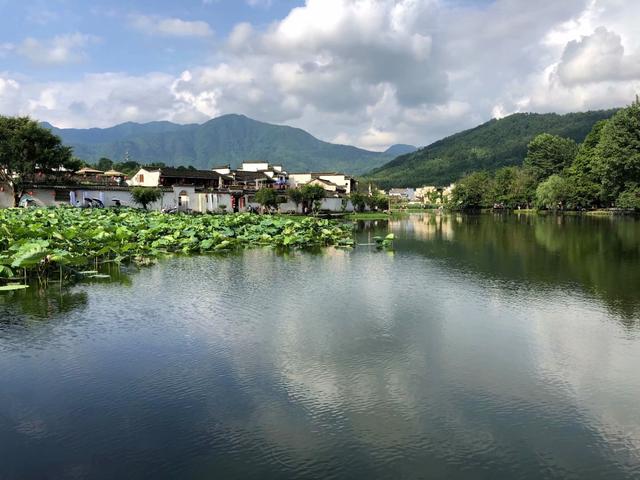
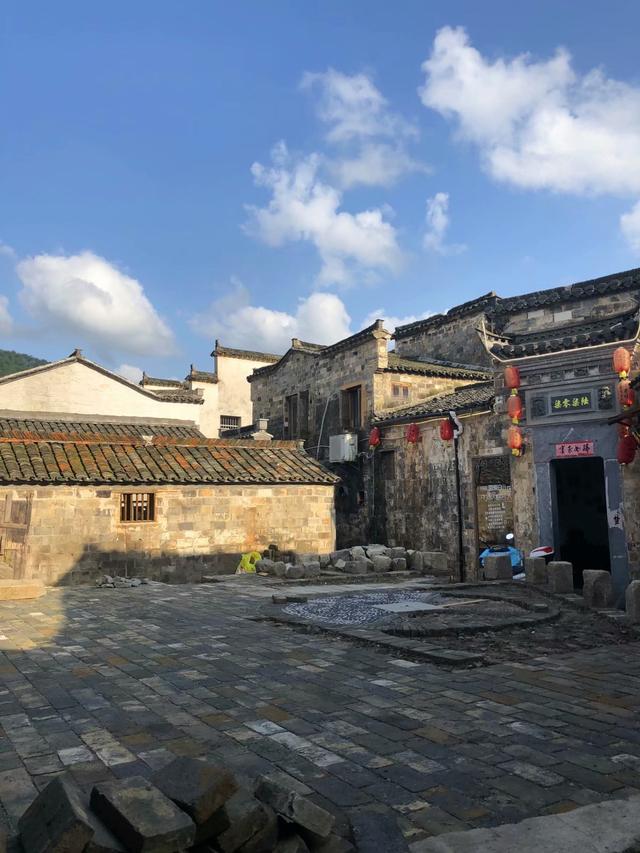
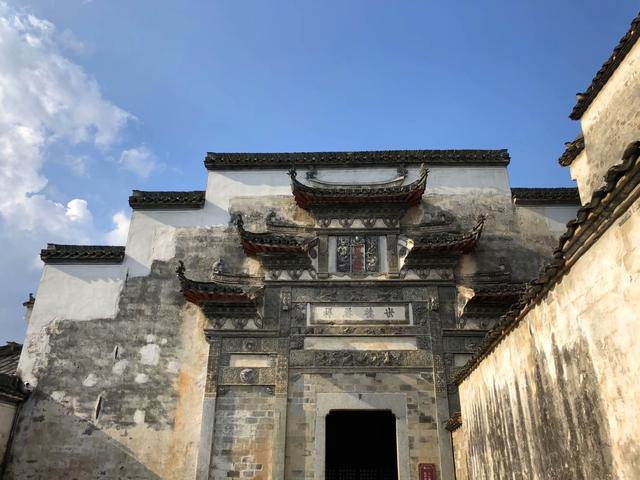
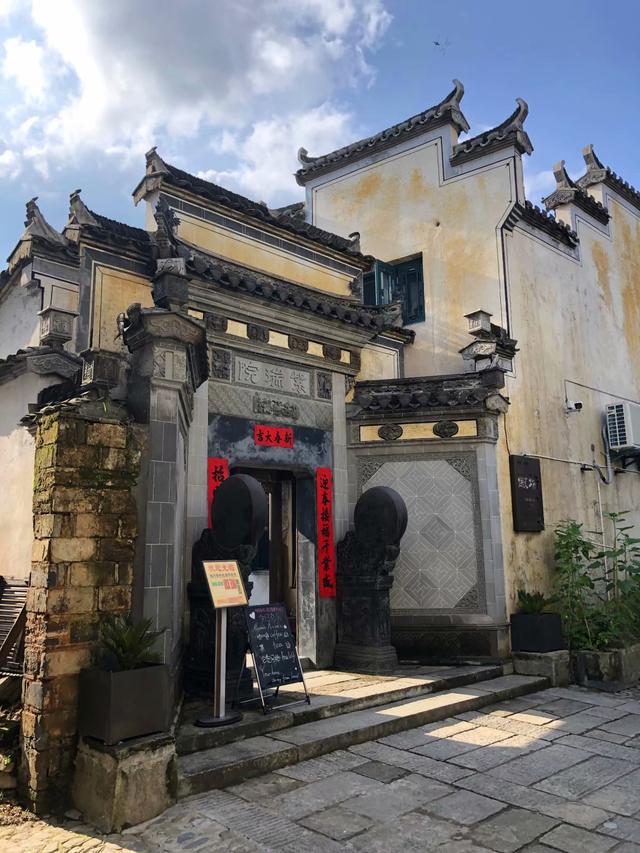
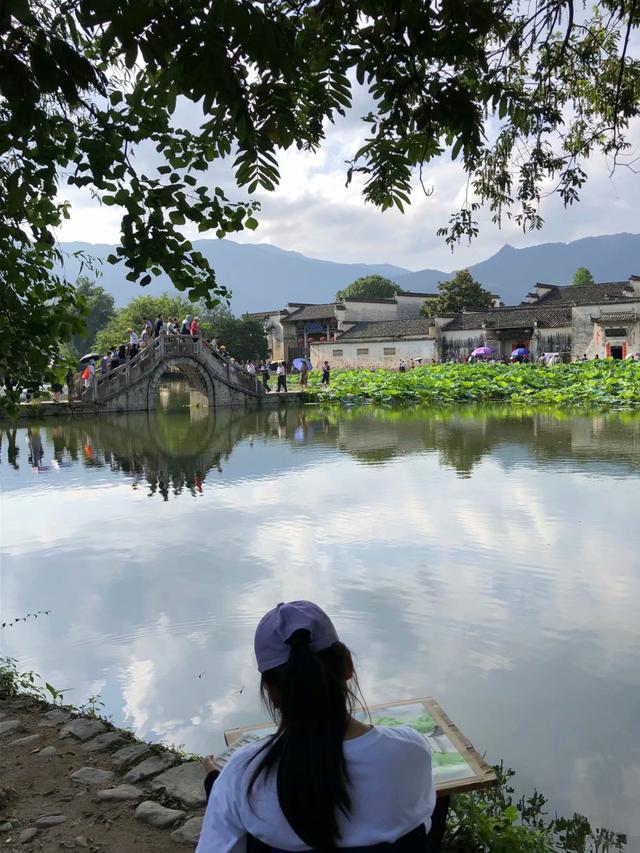
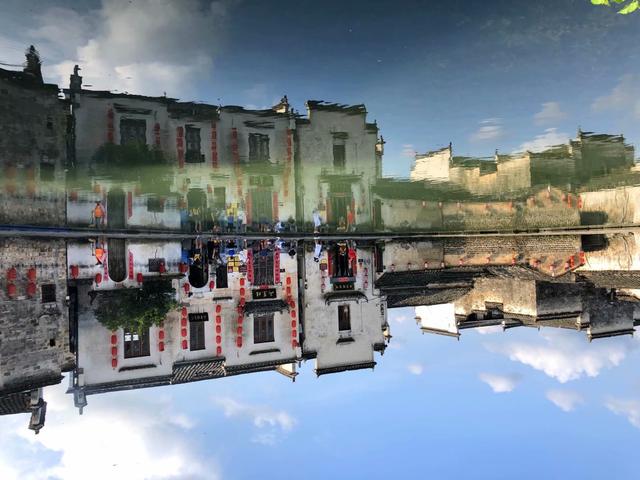
Looking at the village from the side of the pond, the houses are reflected in the water, creating blue skies, white clouds, and white walls and gray tiles in the water. The water is shimmering and rippling, with faint outlines, resembling a Chinese ink painting. Stepping into it, it’s elegant, refined, and quiet, making you lose yourself in it, as if you’ve stepped into a painting.
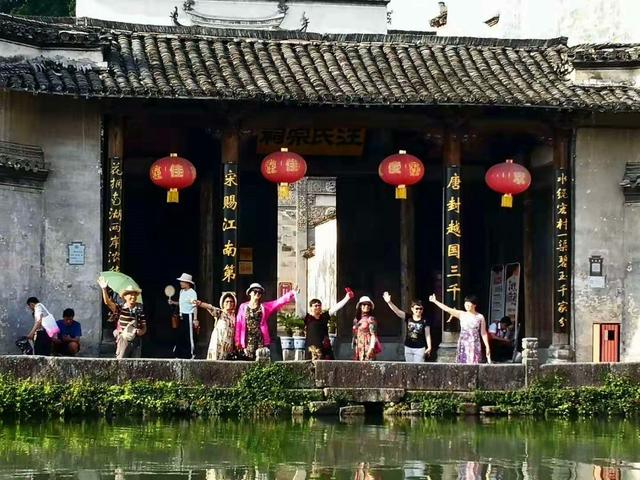
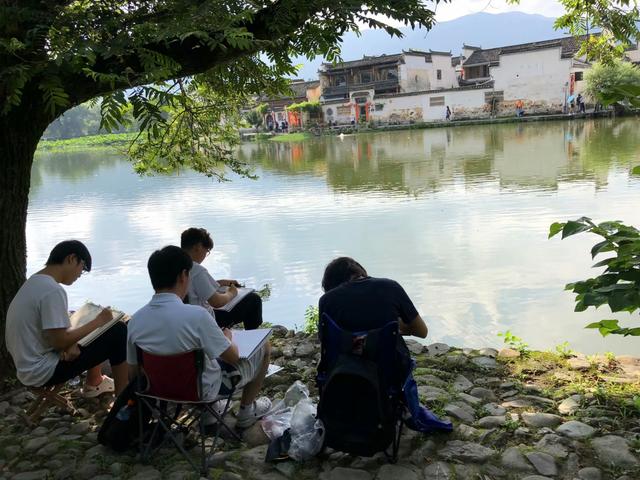
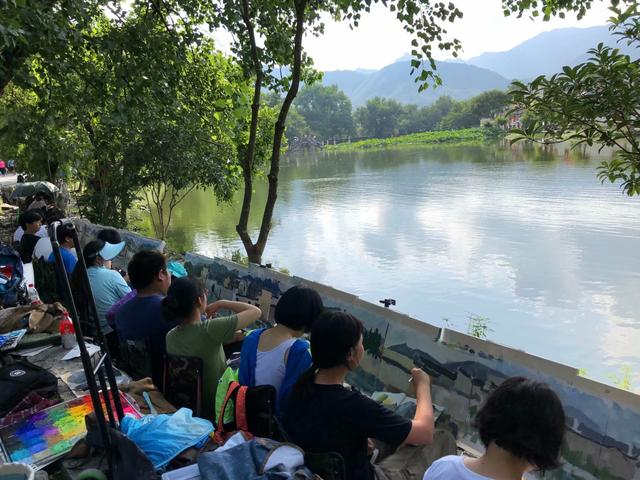
Under the trees, an artist sets up an easel and meticulously draws the distant mountains and the clear water nearby, and also the houses along the water's edge.
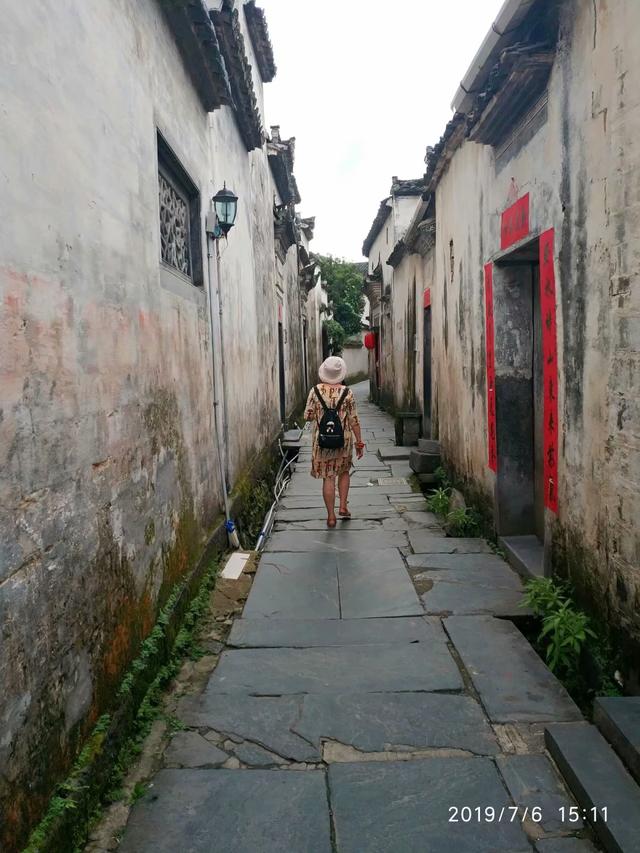
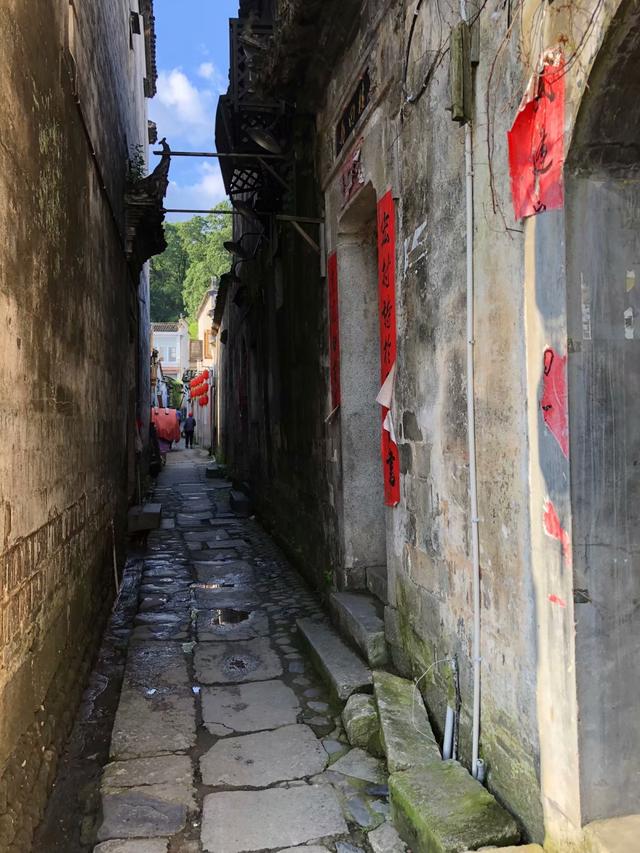
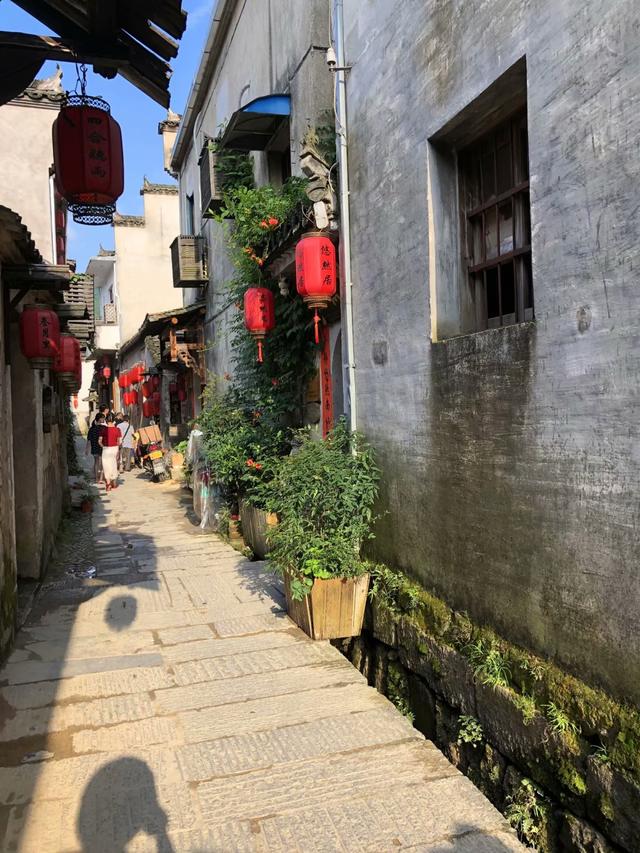
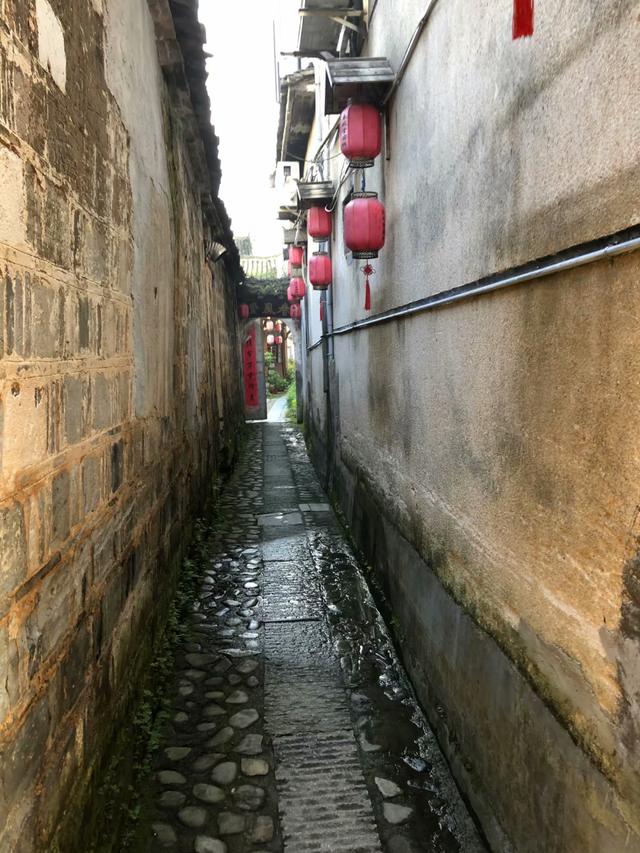
Walking through the narrow, secluded lanes, I thought of Ouyang Xiu's ‘The Butterfly Lovers’: ‘The courtyard is deep, how many times have I looked at it, the willows smoke, the curtains have no count.’
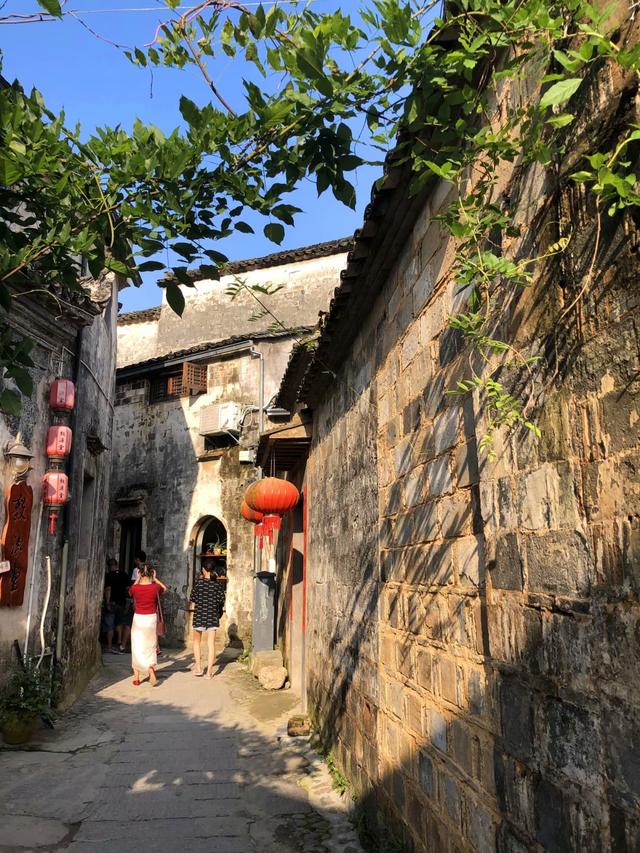
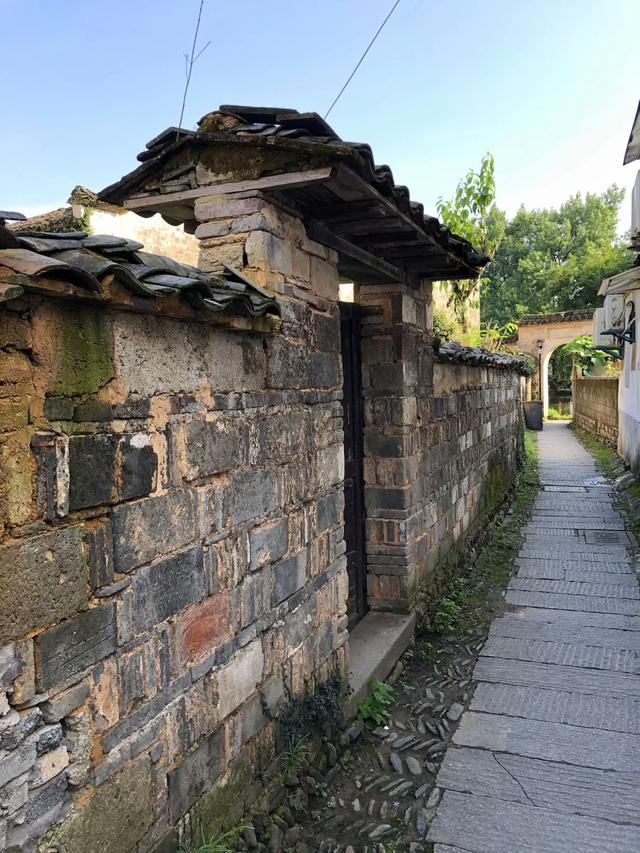
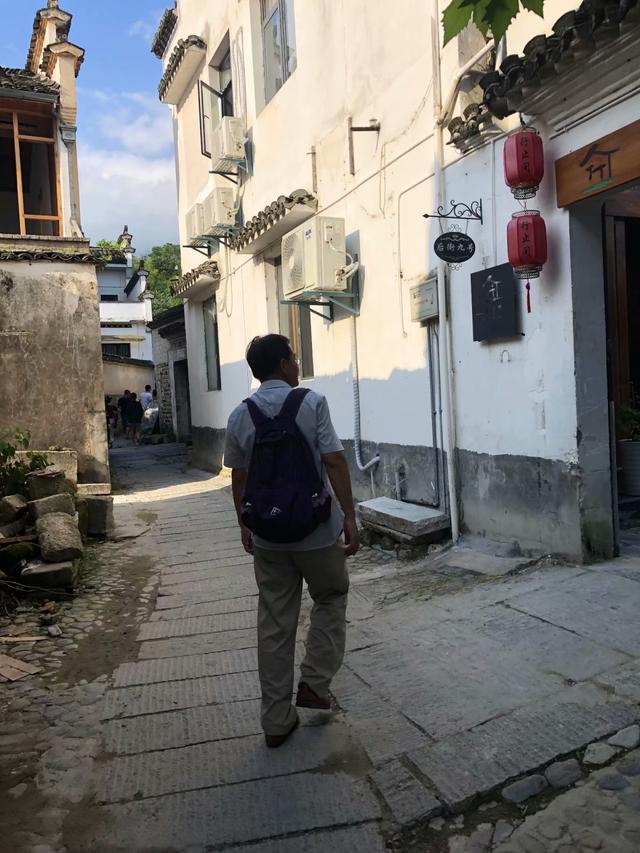
The water is clear and visible to the bottom, with blue bricks and gray tiles and horse-head walls reflected in the water. When the wind blows, the water surface ripples, like a beautiful and rustic mountain painting, beautiful beyond description.
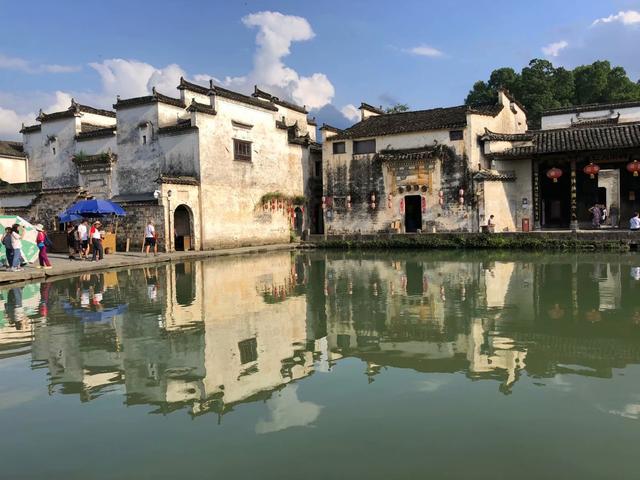
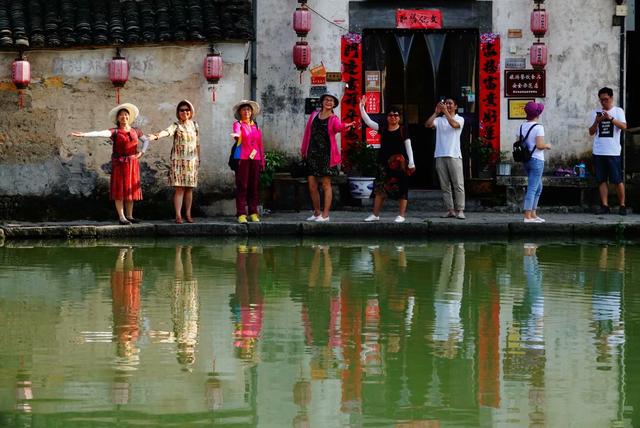
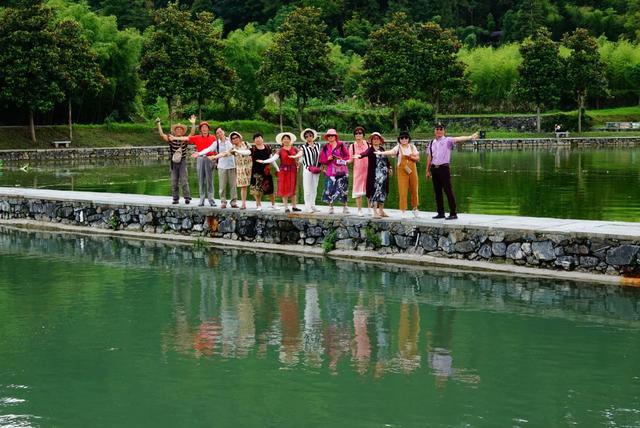
Looking back at Hongcun, there are still countless tourists, and the flow of people never ceases.