Cycling Ilili and Narati, Overnight Stay in Yangquan
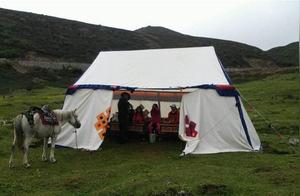
It was raining heavily at night, falling on the tent, dropping drop by drop, and it was a sleepless night. The rain didn't stop until around nine in the morning, so I used a towel to wipe off the water droplets from the outer tent, and then started to cook breakfast. After I finished eating in the outer tent, it was dried, and I packed up at 11 o'clock sharp.
We traveled about two kilometers to Cambusu Township and ten kilometers to Narati Town. Although it was Sunday, the town wasn't bustling. We found a supermarket to replenish some food and left.
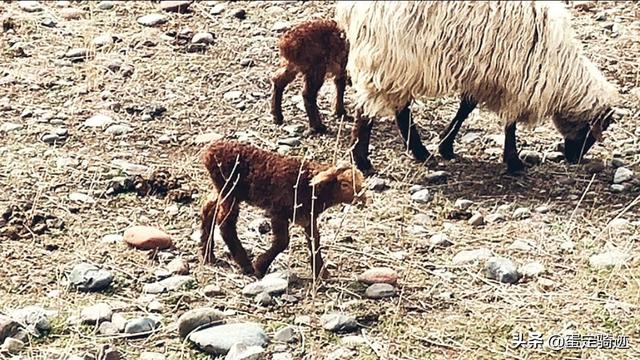
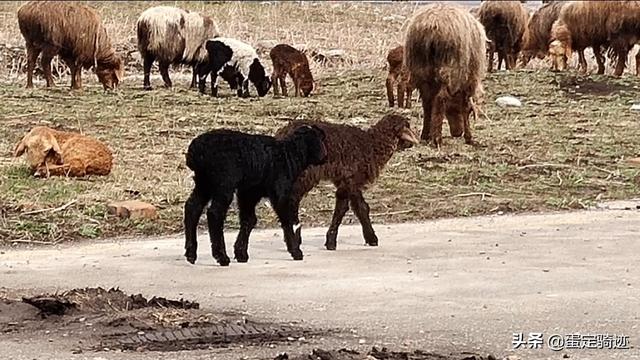
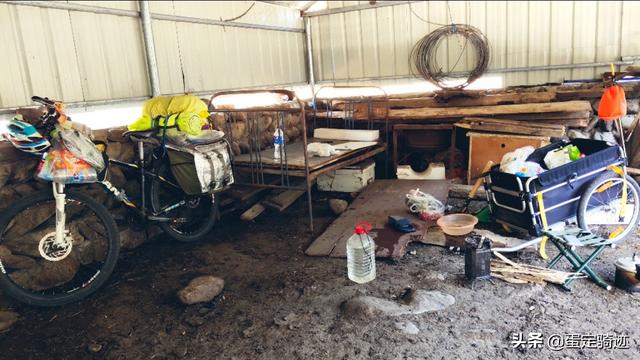
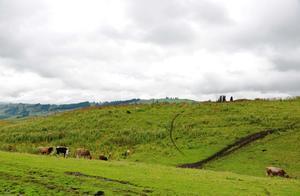
About two kilometers out of town, we saw a wooden hut. Besides having no windows, the interior was quite clean. It was only two thirty in the afternoon, and I was starting to feel like giving up cycling. I parked next to the hut and chatted with a shepherd aunt, a construction worker, and a young cyclist who happened to be passing by. The aunt raised sixty-plus sheep, producing fifty-to-sixty lambs every year, without farming. The uncle was doing construction work, telling me that the road to Kuerle was difficult. The young man was a native of Narati, running a guesthouse himself, having driven all over China a few years ago. Because of a car accident, he no longer travels far. He told me that accommodation in Narati during the summer cost at least two or three hundred yuan, and most tourists were from North, South, East and West. The aunt said that Narati used to be quite cheap for accommodation, but it became so expensive because of the development of tourism.
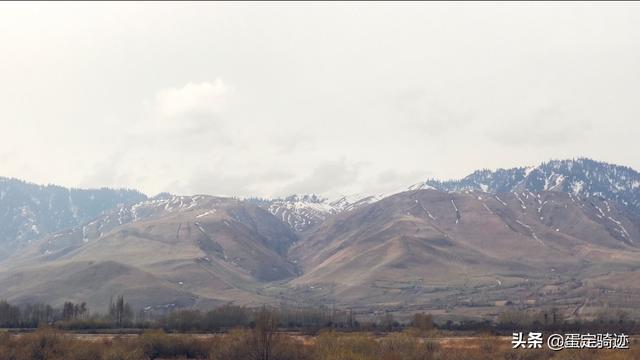
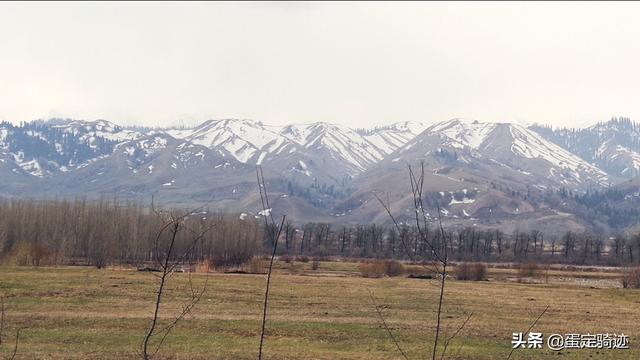
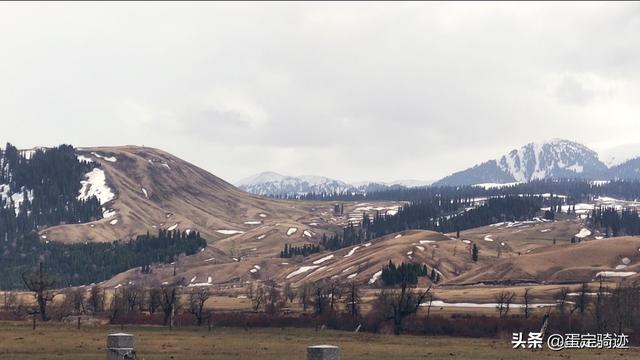
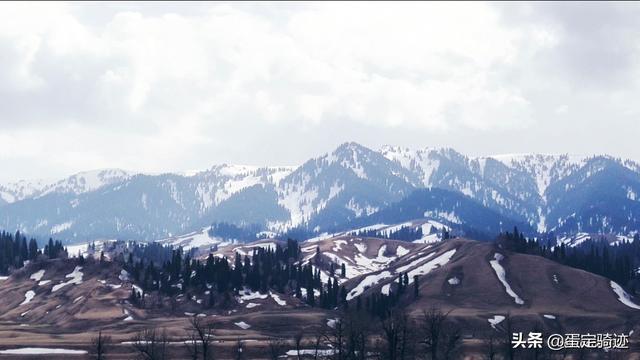
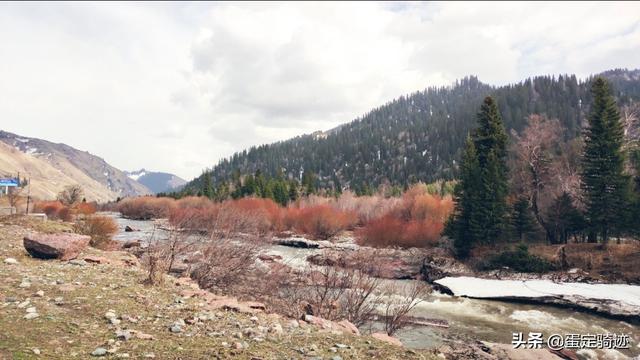
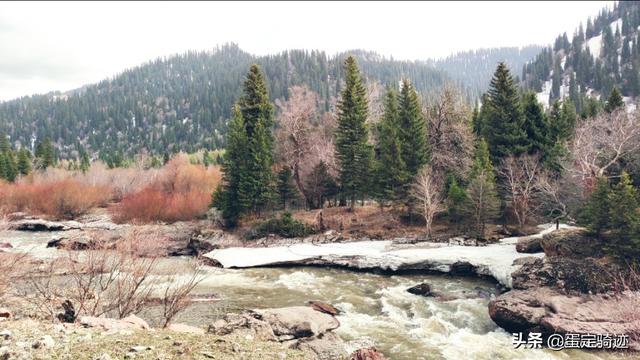
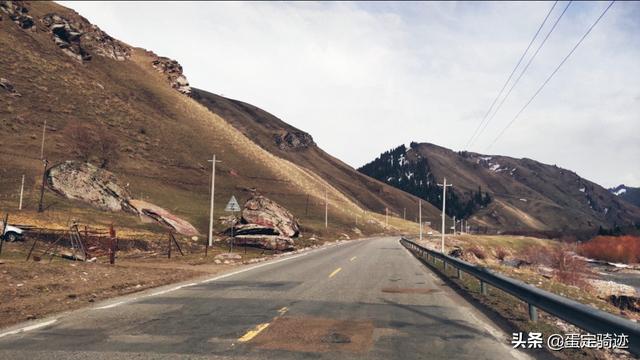
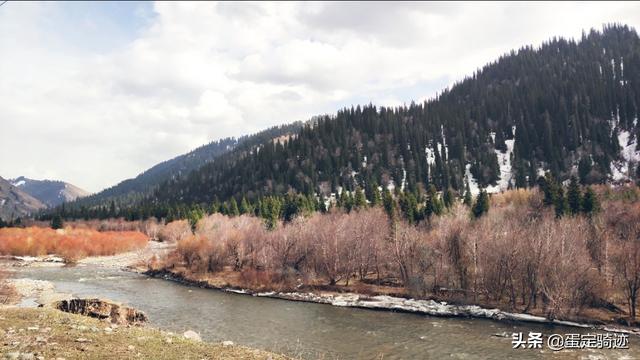
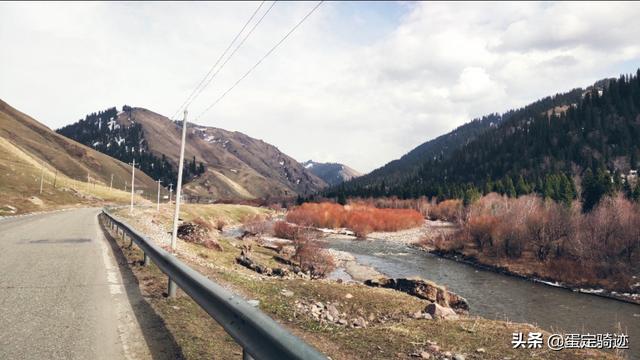
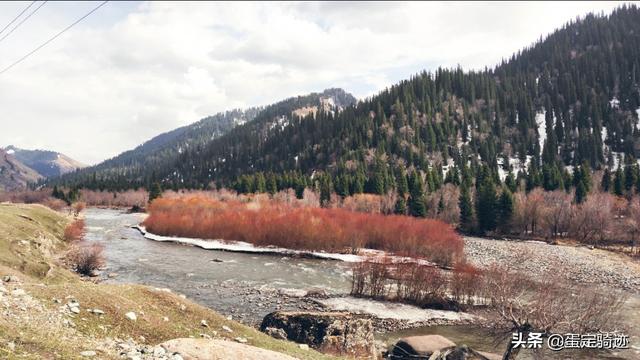
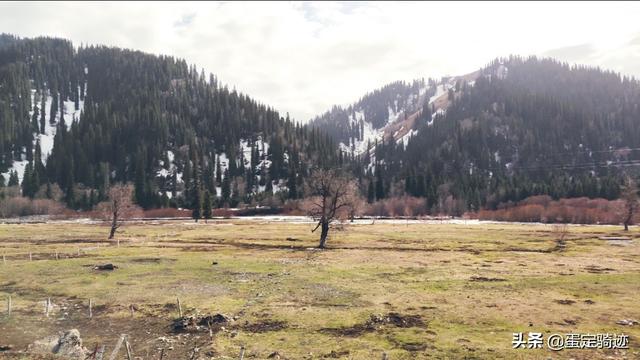
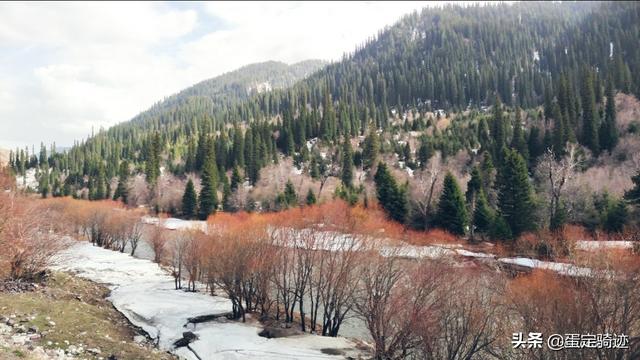
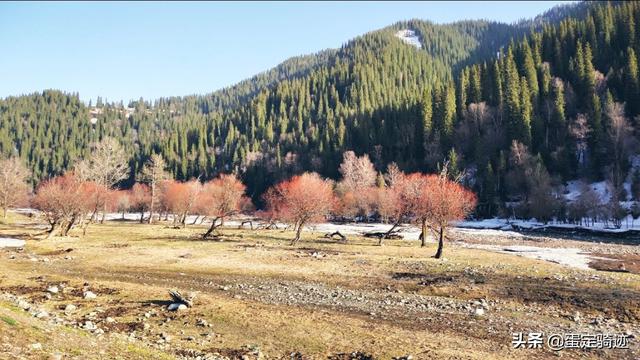
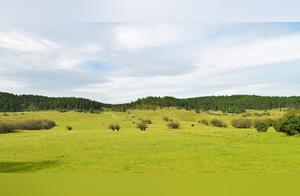
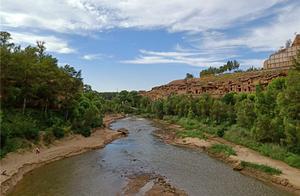
We chatted for over an hour, and finally decided to continue forward. Ten kilometers later, the road entered a valley, and the scenery was much more beautiful. We rode upstream, with the valley having many unknown trees, now in bud, yellow and red, and also snow cedar in the valley, which was a dark green, making the valley have a sense of layers!
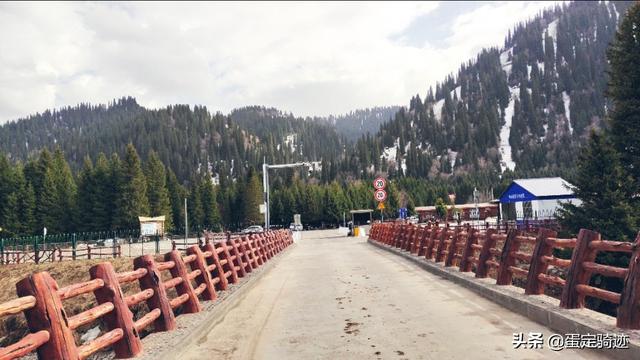
At six in the afternoon, we arrived at the intersection of National Roads 217 and 218 at Narati Checkpoint, which was the 'East Gate' of Ili. We waited in a dragon of about two or three kilometers, almost all trucks. Leaving Ili for inspection was a little faster, with no vehicles delayed.