Deep Spring Apricot Blossoms: The Kalahrin Banner Prince’s Museum Reopens
March 21st, the Wangfuzhi Museum in Chifeng City, Inner Mongolia, has fully reopened, with daily operating hours from 8:30 to 17:00 and a daily visitor limit of 2000 people. Starting from today until December 31st, all medical personnel (including those from Hong Kong, Macao, Taiwan, and overseas) with valid identification cards can enjoy free admission to the scenic area.
Kalahrin means 'Guardian' in Mongolian. The Kalahrin tribe was one of the 'Four Mastiffs' under Genghis Khan, and was a prominent hero of the Mongolian Empire. In 1628, the leader of the Kalahrin tribe, Subeidi, led his people to submit to the Later Jin Dynasty, marking the establishment of the Kalahrin Banner. Subeidi's son, Gulu Sichib, was appointed as Zasak. In 1679, the Kangxi Emperor pardoned the construction of the Kalahrin County Prince's Mansion, and in 1783, the Qianlong Emperor elevated the Kalahrin Zasak to the rank of Prince after expanding it into a Prince's Mansion. For twelve generations, the Princes of the Kalahrin Mongols have successively inherited this residence, which at the time was the second largest Mongolian Prince's Mansion, second only to the Darhan Prince's Mansion of the Khorchin Tribe. It is also the largest extant Mongolian Prince's Mansion.
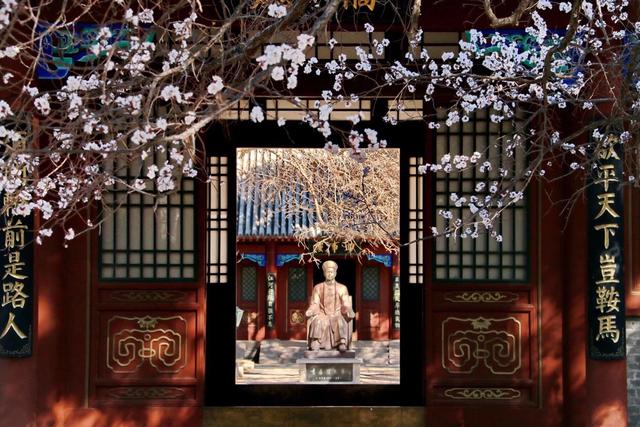
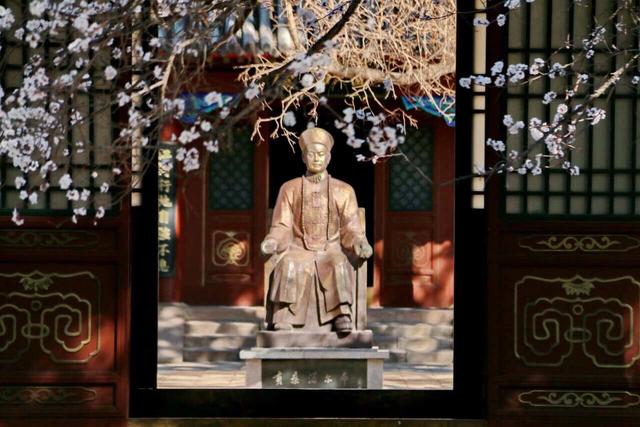
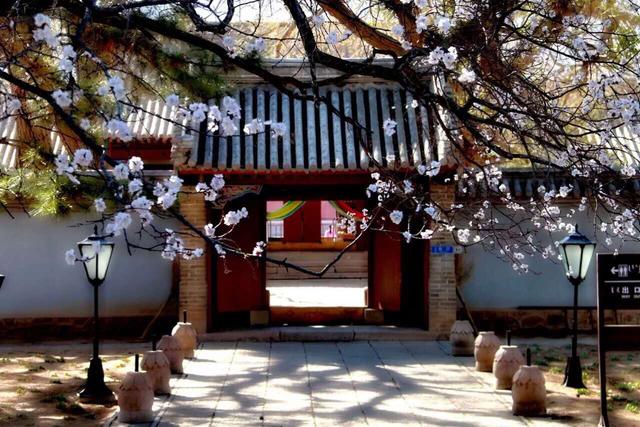
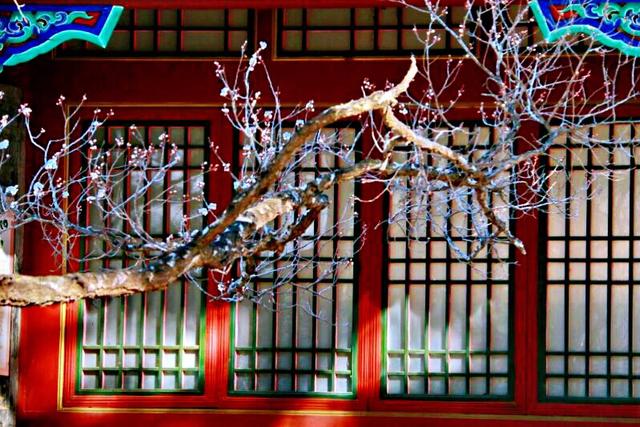
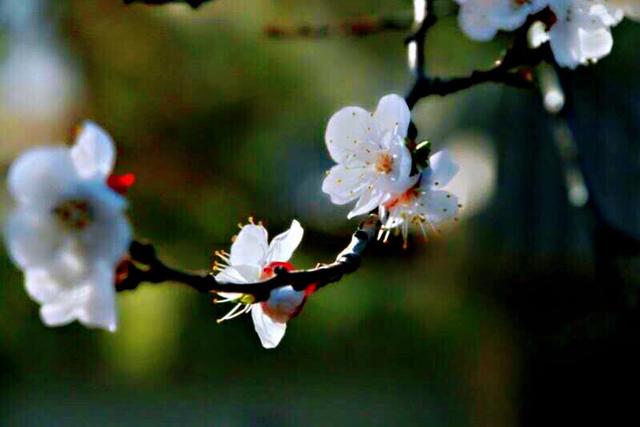
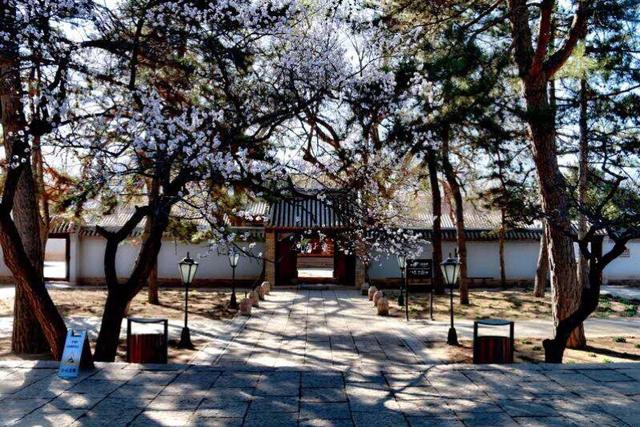
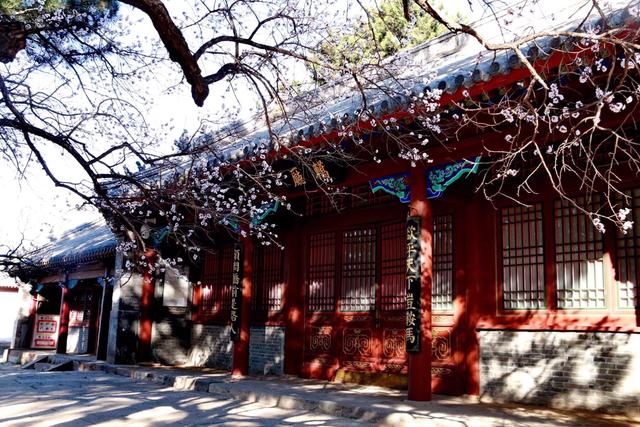
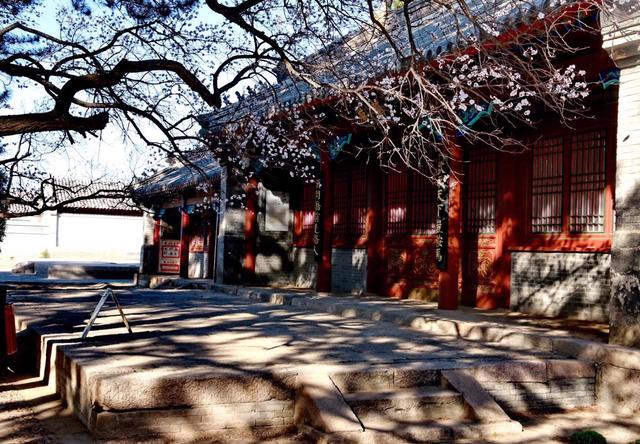
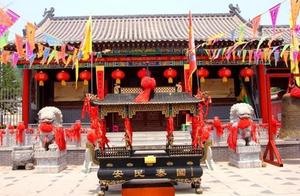
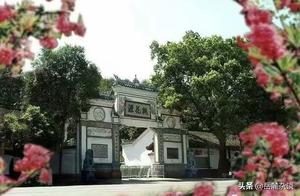
On the banks of the Xixing River, with ancient pines and cypresses, pavilions and halls, it is solemn and tranquil. This is also the residence of one of the most outstanding Mongolian thinkers, politicians, reformers, educators, poets, and the last Kalahrin Prince, Gonsan Norbul.In springtime, the hundred-year-old apricot blossoms in the Prince's Mansion bloom profusely, casting shadows on the scattered ancient buildings. Gonsan Norbul's statue stands quietly in the deep courtyard, watching the flowers bloom. Peace and tranquility come at a great price. (Photography: Liu Wei)