Guangyuan Jiange, Liangshan Township: Filming the Cuiyun Lang Barrier Wall, Visiting Ancient ‘Highways’
Tax can, male, writer, traveler
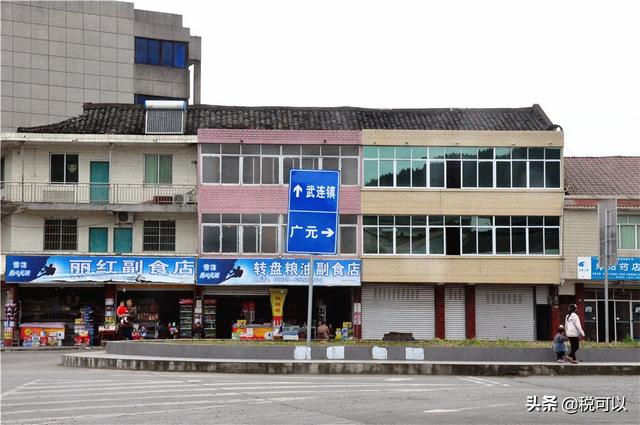
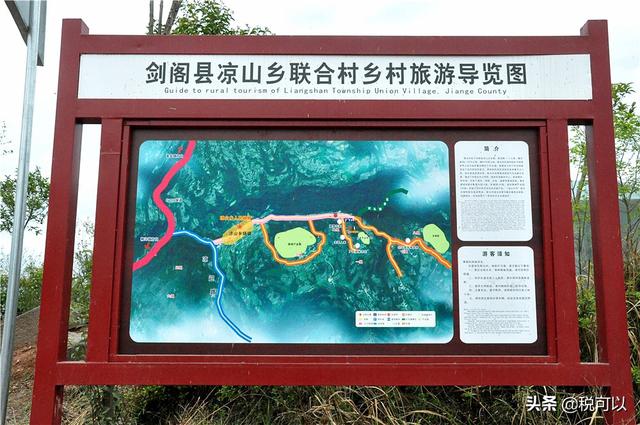
Starting from Puan Town, an old county town in Guangyuan Jiangkou County, departing from the lower Puquan Expressway along the old No. 108 National Road, driving for one or twenty kilometers, you will arrive in Liangshan Township, Tax can and tiger will go to Cuiyun Lang to see the famous Longma Wall.
This place in Liangshan was established as Liangshan Post during the Three Kingdoms, and was converted into Liangshan Shop during the Ming Dynasty’s De reign, because of these old names, in 1952 when townships and towns were set up, it was named Liangshan Township.
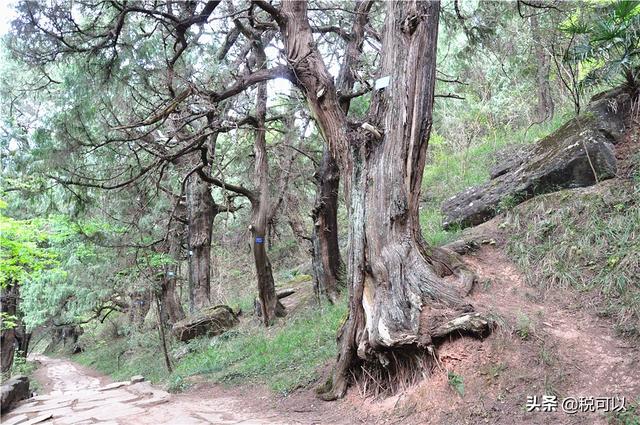
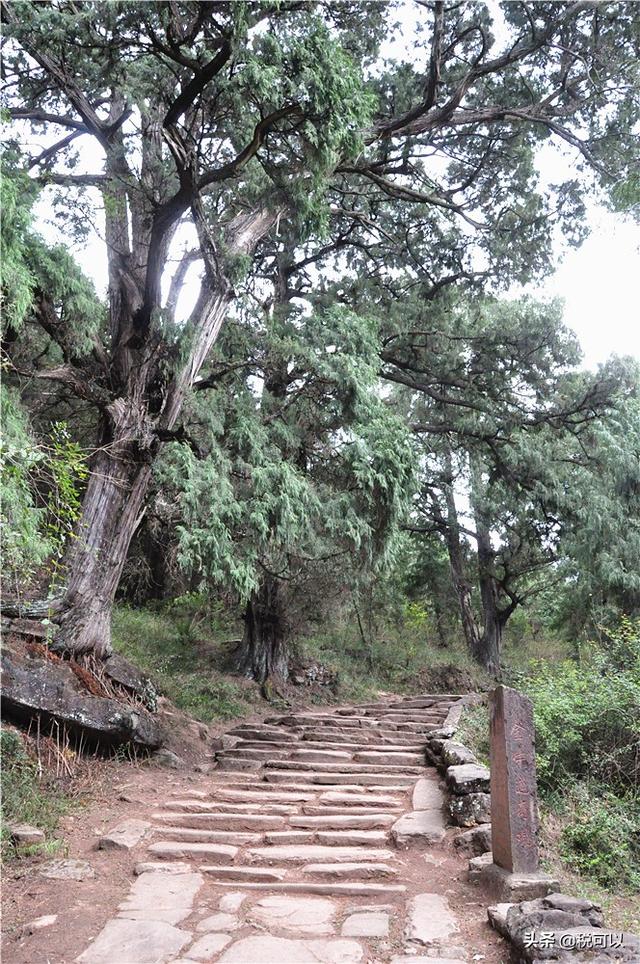
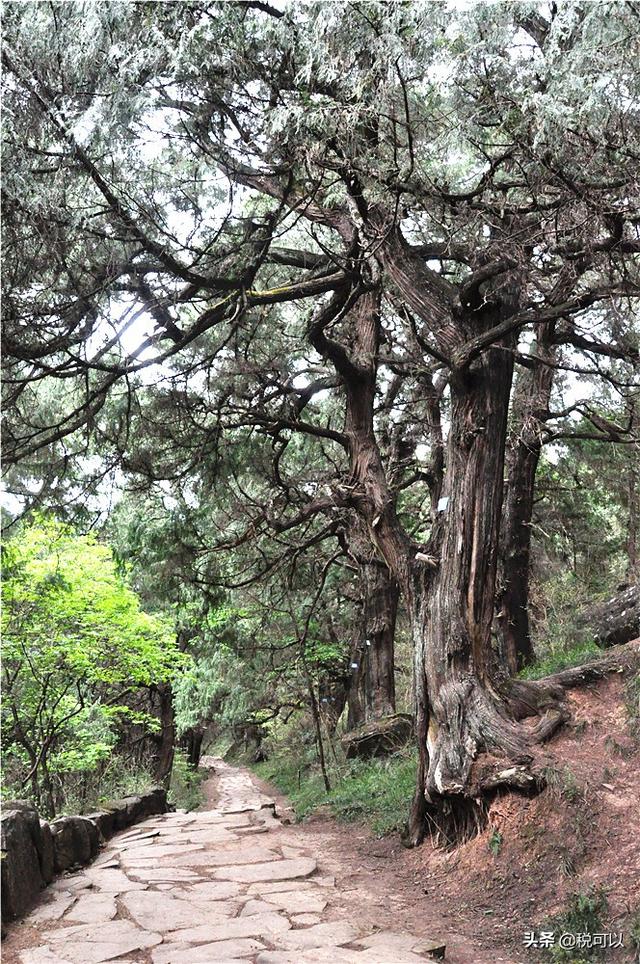
Cuiyun Lang is located on the Ancient Tea Horse Road, it is a section of the Jianmen Shu Road, known for its danger. Cuiyun Lang is centered around Jiangkou, north to ZhaoHua, south to Langzhong, west to Zitong, winding through the majestic mountains and ridges for over 300 miles, with ancient cypress trees lining both sides of the road, many of which are over 2300 years old. It is reported that the existing ancient cypresses on Jianmen Shu Road currently number over 10,000, most of which are over 1,000 years old, and among these 10,000 cypresses, there are more than 7,000 located in Jiangkou County.
Walking through Guangyuan Jiangkou Cuiyun Lang
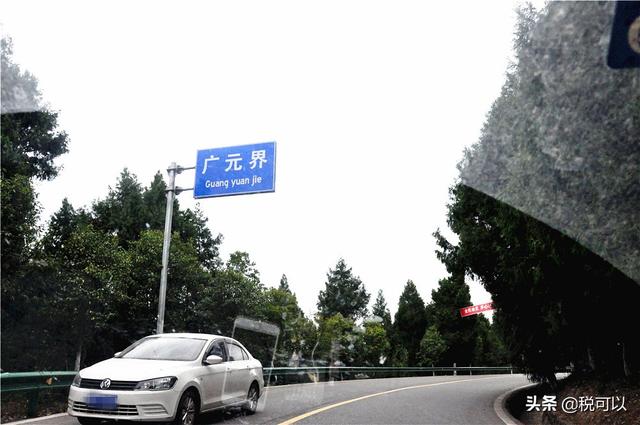
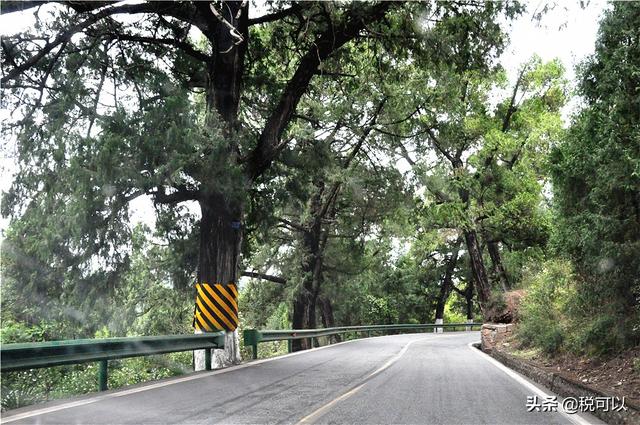
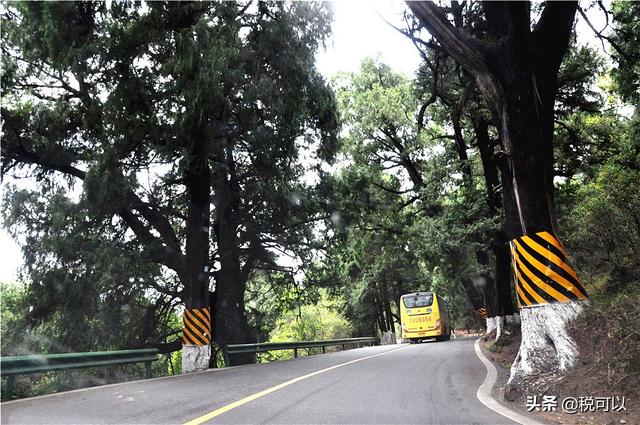
These cypresses can be traced back to the Qin Dynasty, when Emperor Qin unified China and ordered the construction of highways centered around Xianyang to reach all parts of the country, including the highway from Xianyang to Bashu. This highway is considered the earliest ‘national highway’ in Chinese history, and is also known as China’s earliest ‘highway’.
When these roads were built, cypress trees were planted on both sides of the roads to show the emperor’s dignity, so originally this road was also called ‘Imperial Cypress Road’. Later, with the continuous opening and improvement of the Ancient Tea Horse Road by successive dynasties, the cypress trees along the road gradually formed a shaded avenue of hundreds of miles long, and today’s Cuiyun Lang has been formed after more than 2000 years.
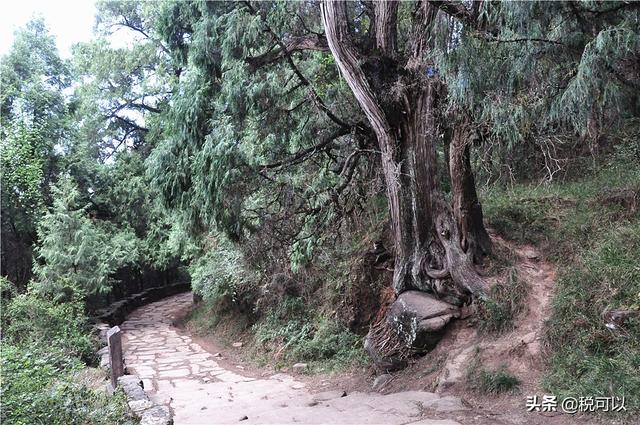
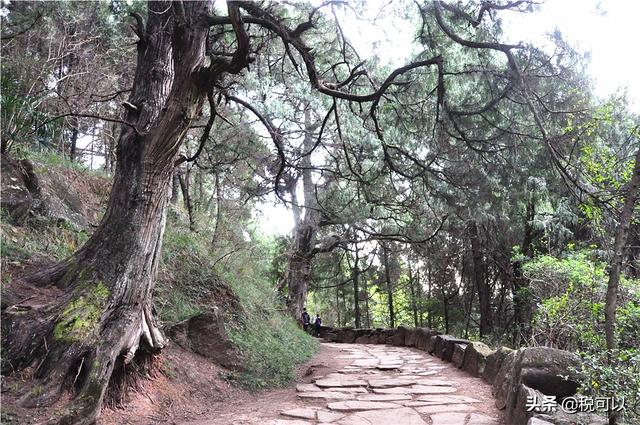
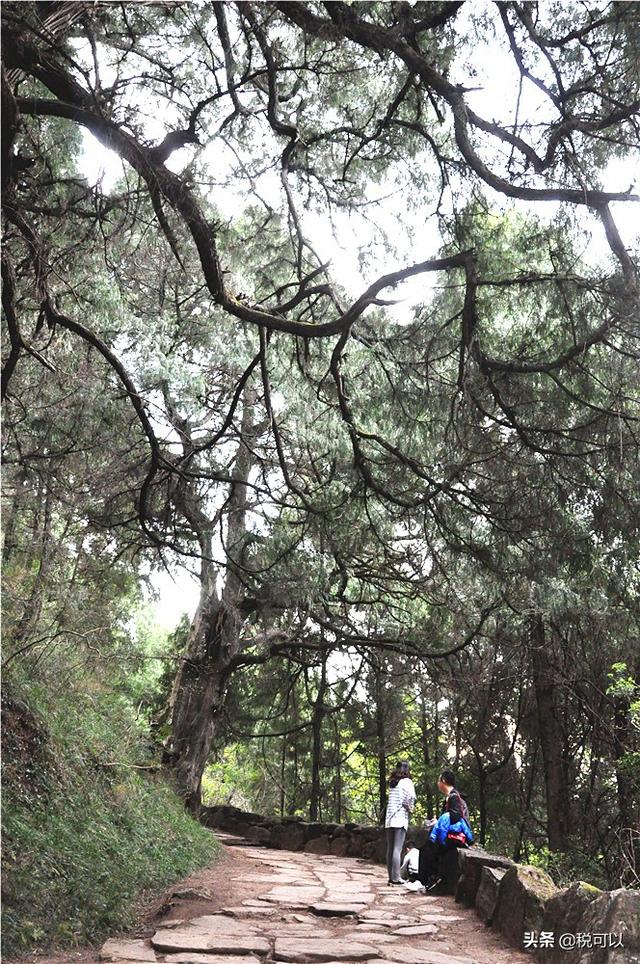
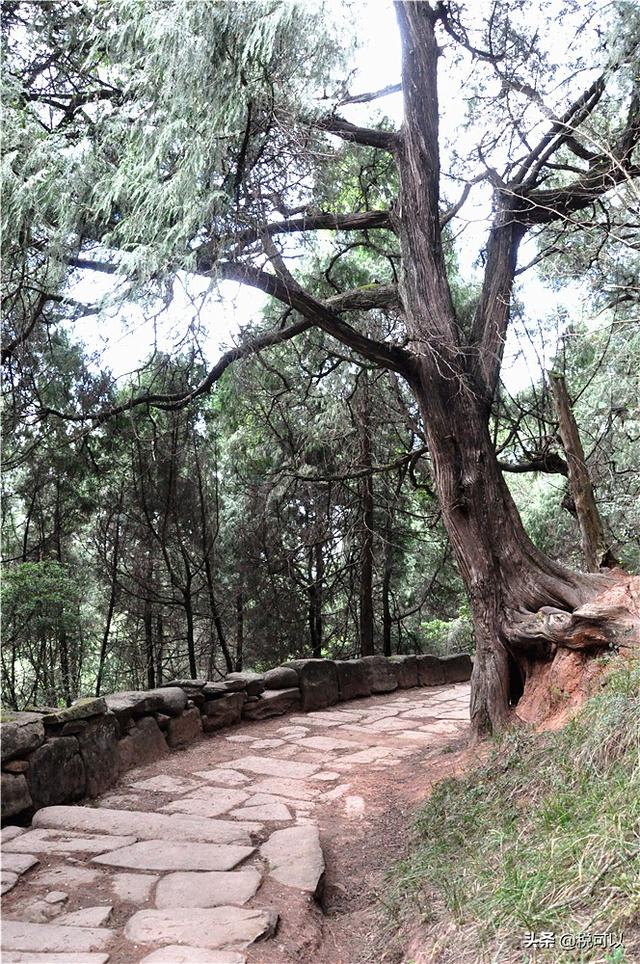
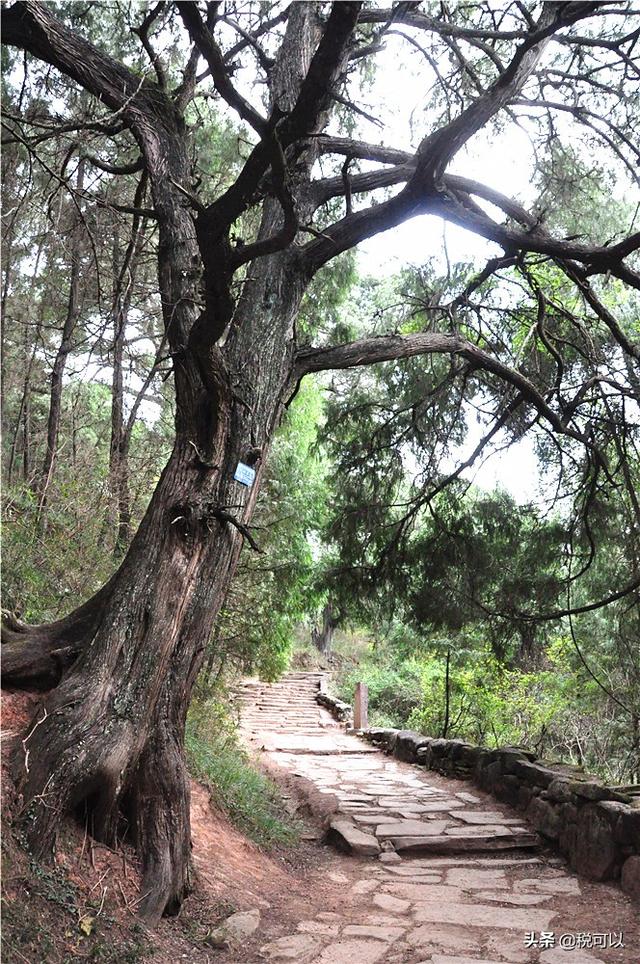
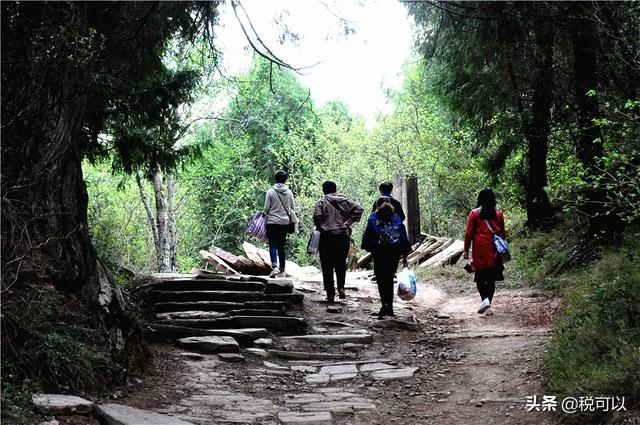
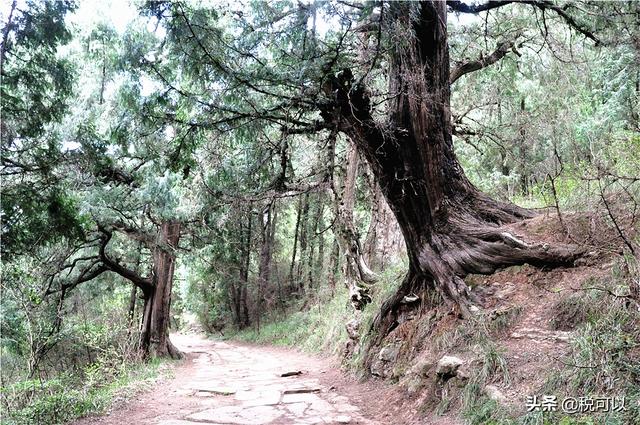
It’s currently noon, not many tourists, Tax can and tiger are driving slowly, one by one towering ancient cypresses, gnarled branches waving, dense shade, occasionally sunlight shines down from the treetops, shining brightly, falling on the ancient tea horse road stone road, creating a feeling of time-traveling trance, as if seeing the distant Qin and Han Dynasties.
Cypress trees are towering, the ancient road is deep
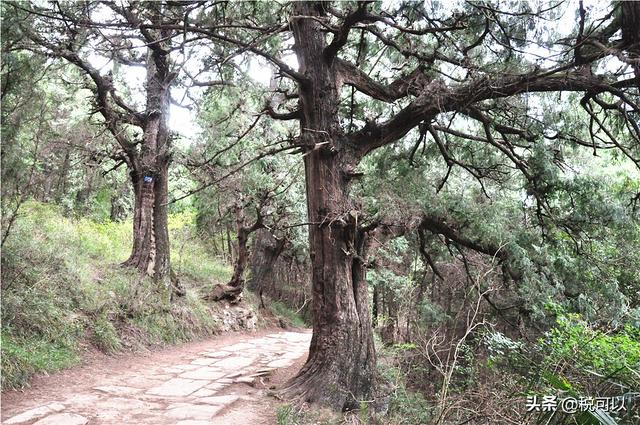
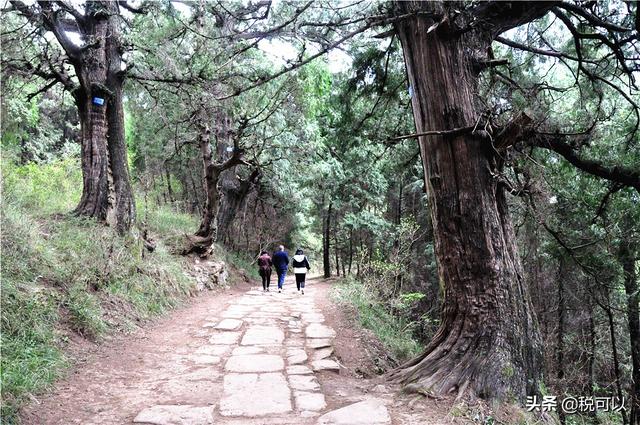
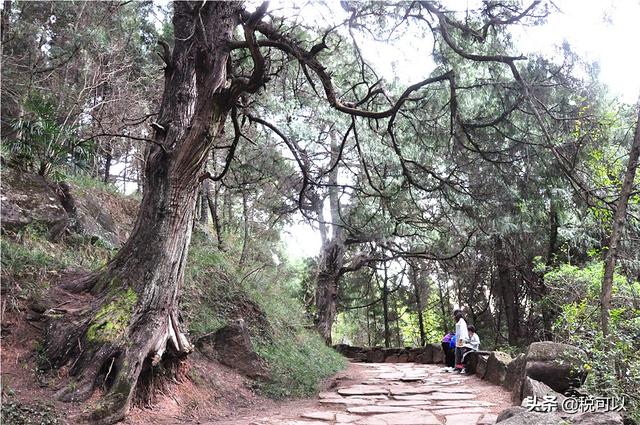
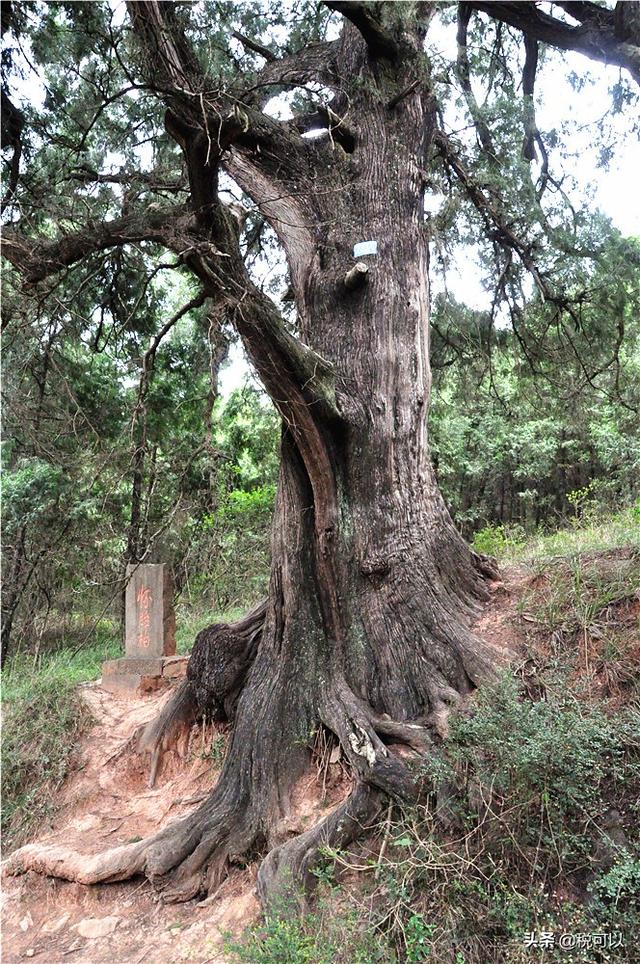
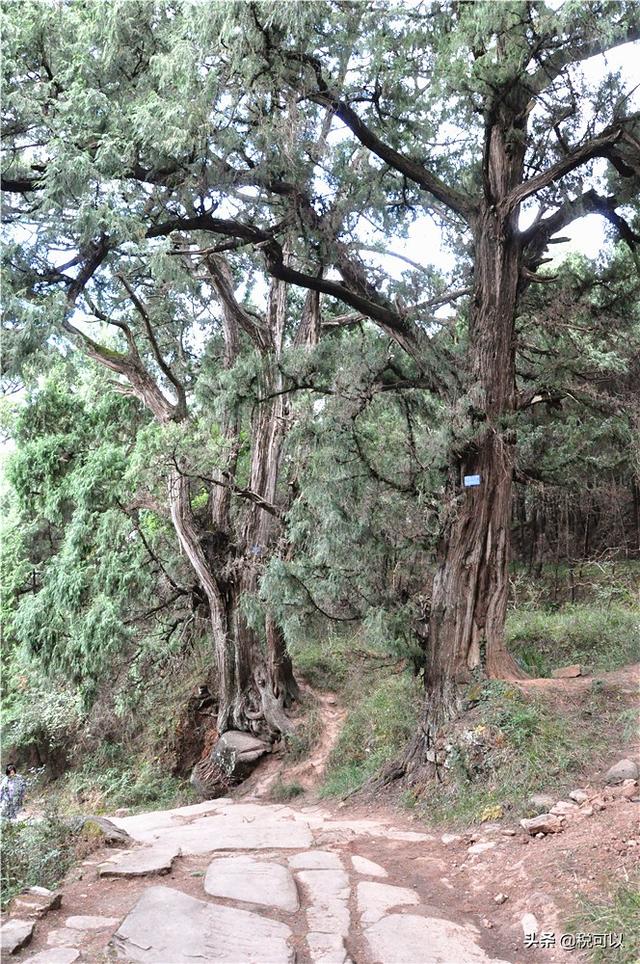
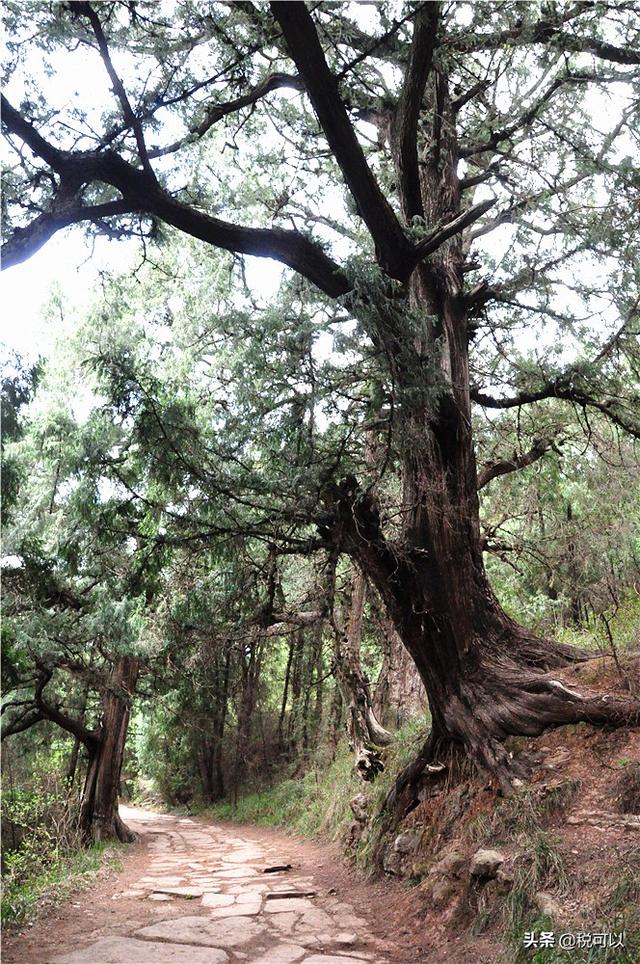
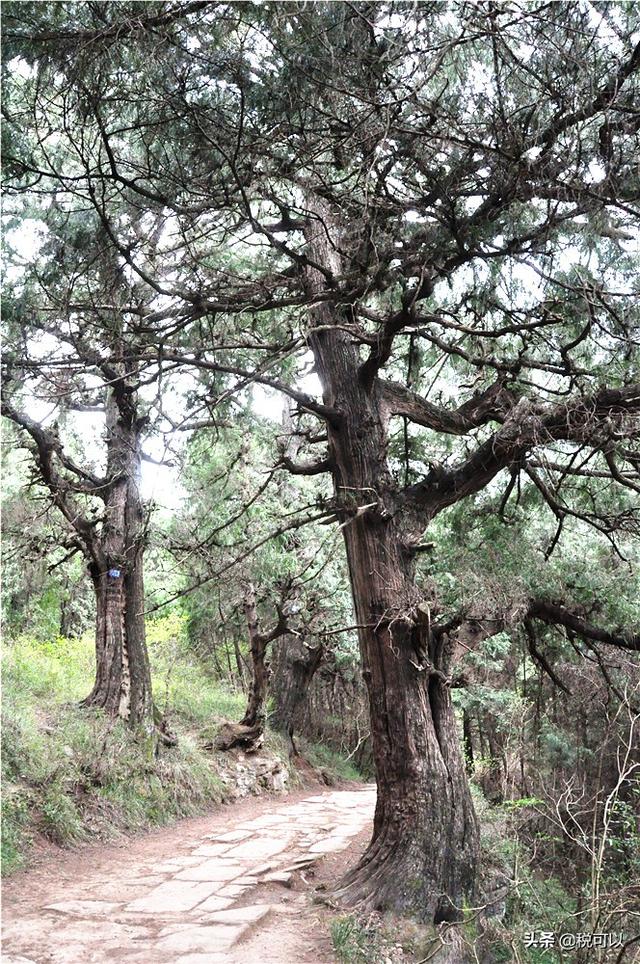
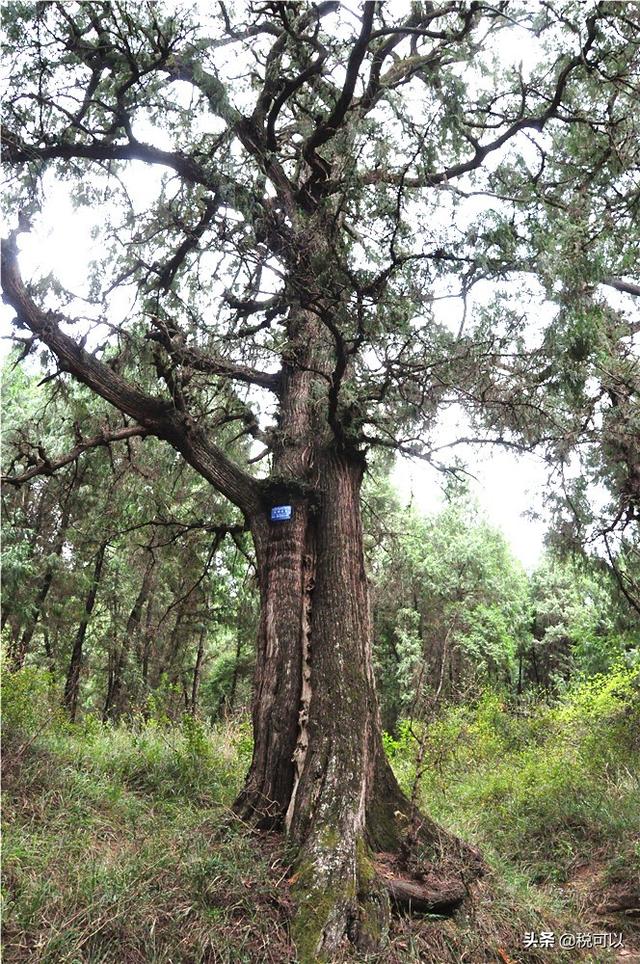

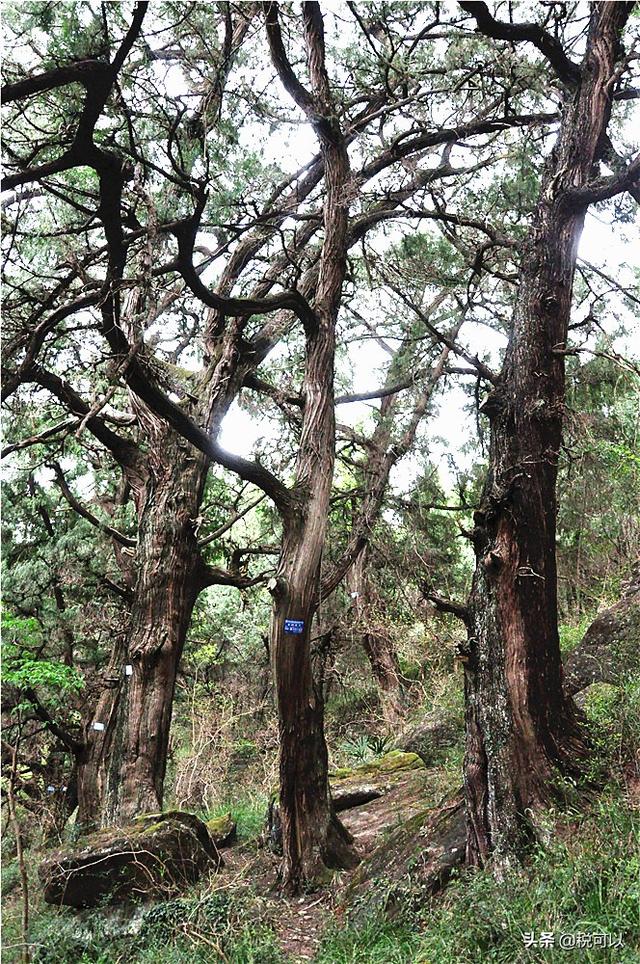
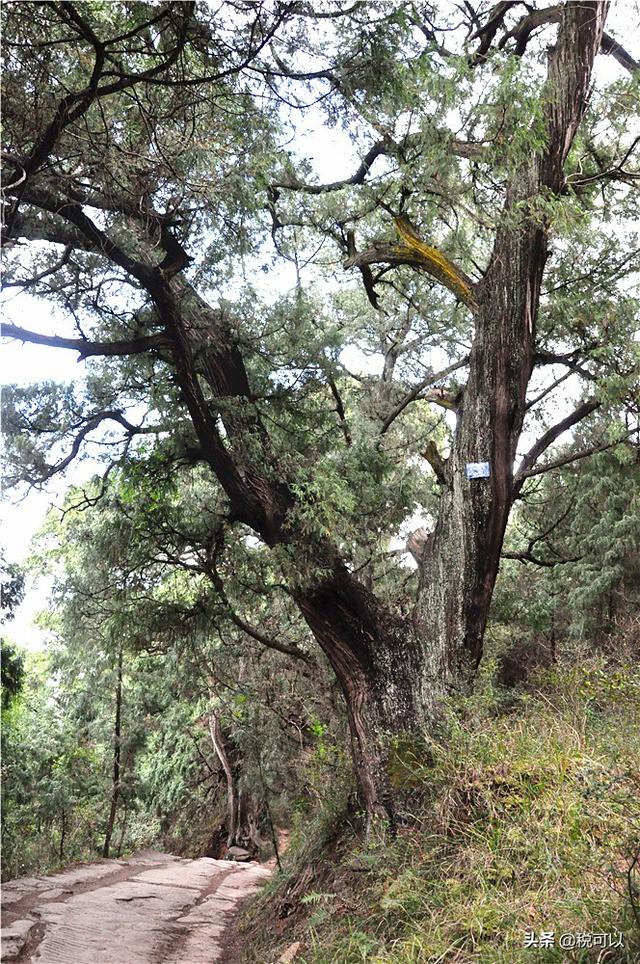
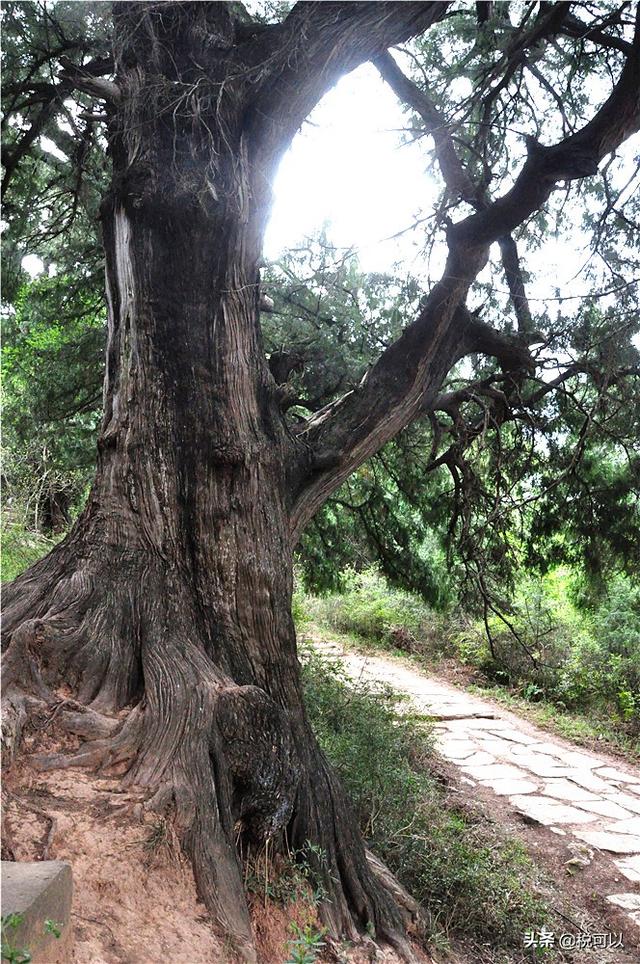
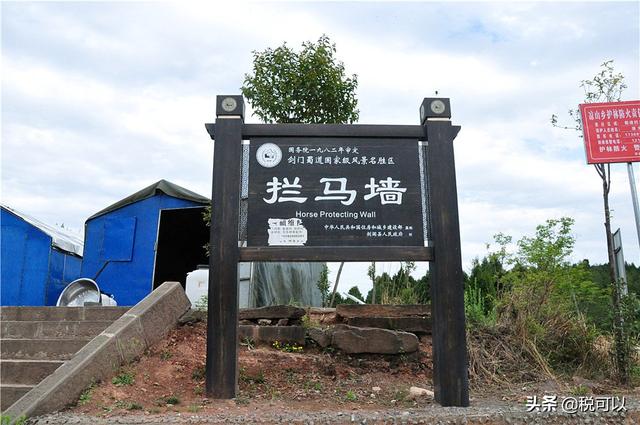
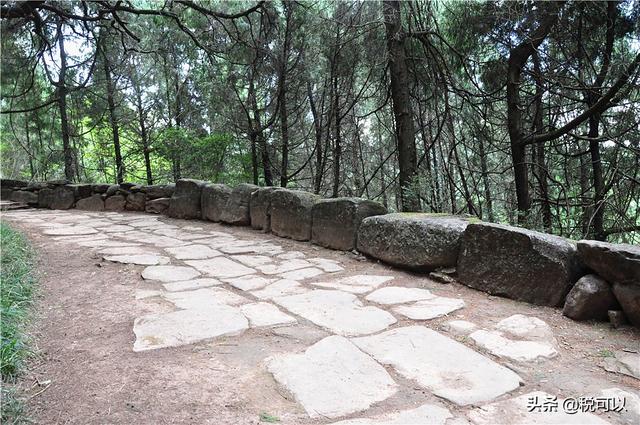
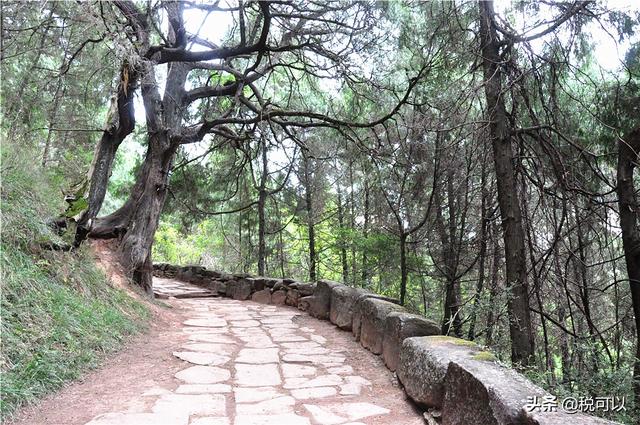
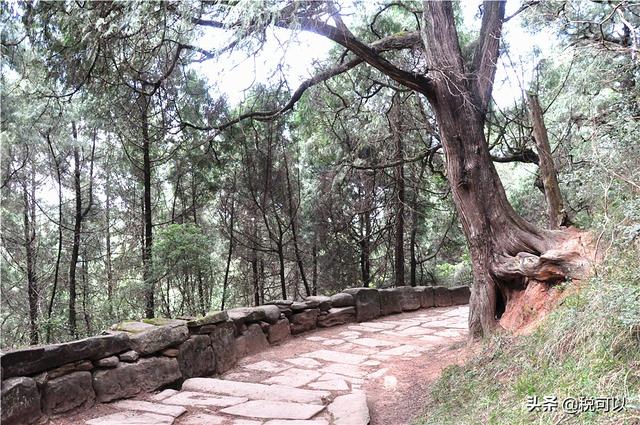
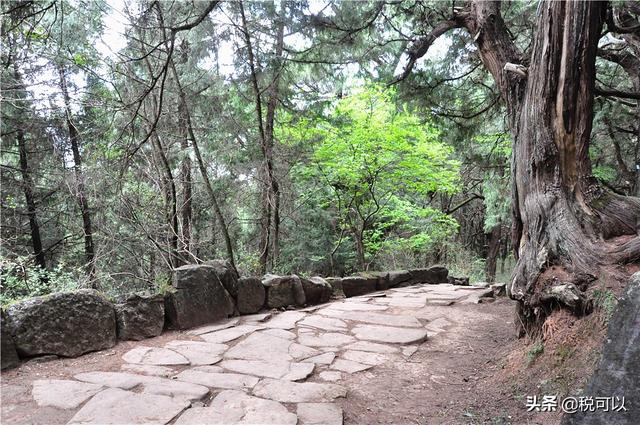
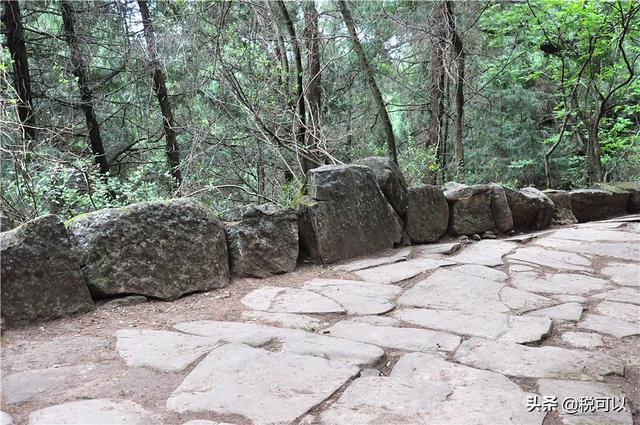
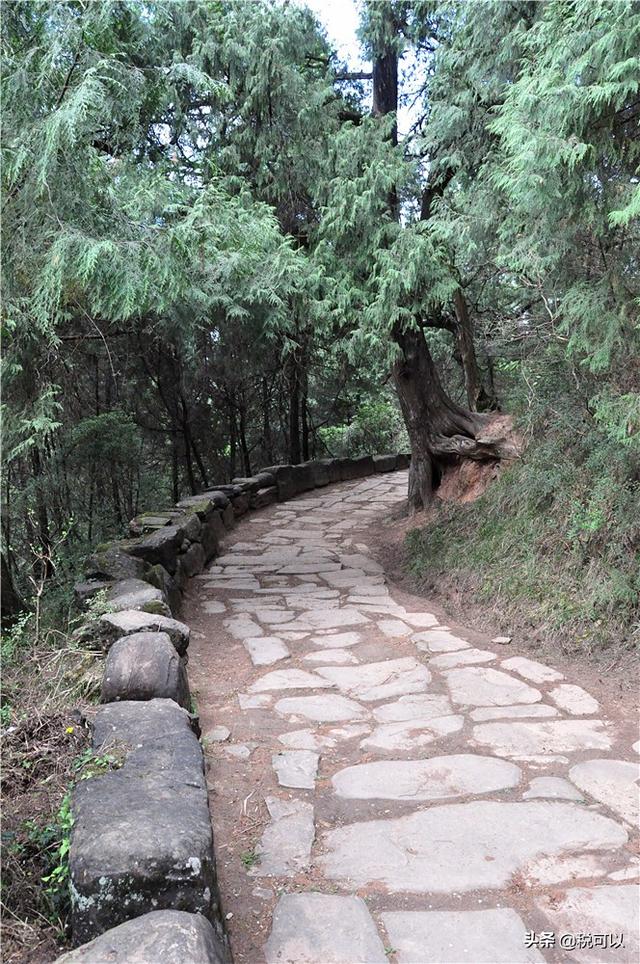
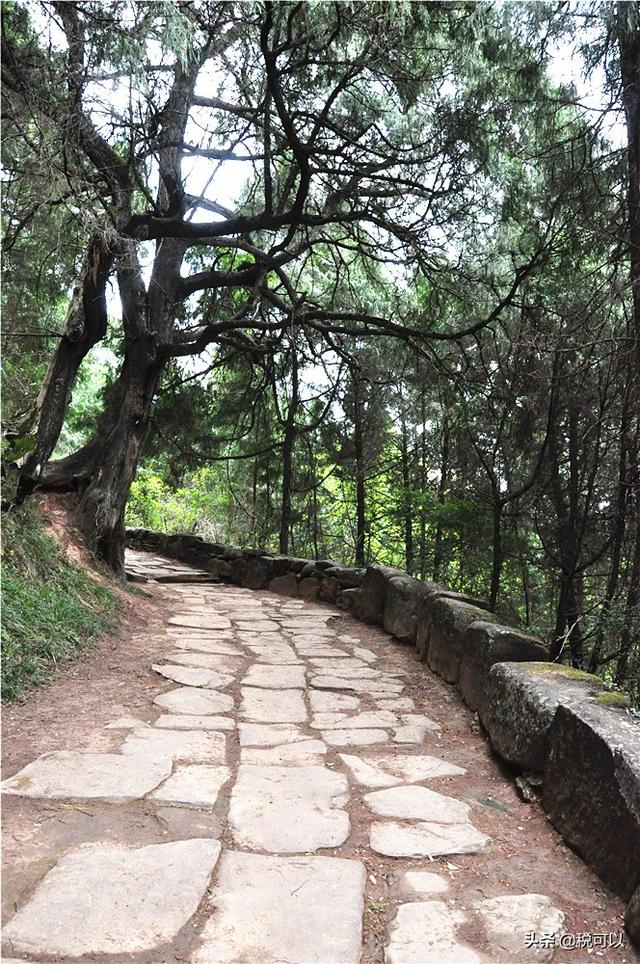
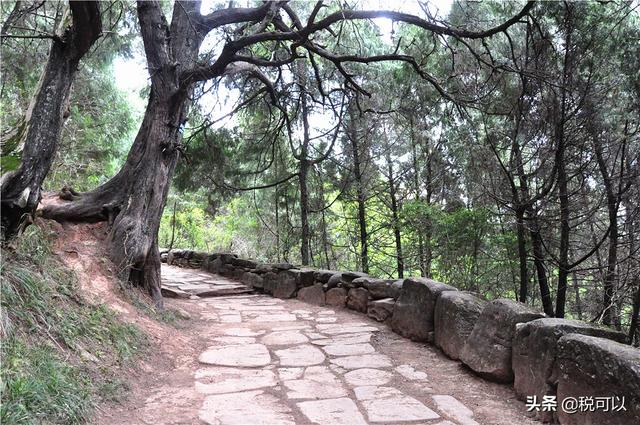
The Longma Wall is the only remaining section of the roadside protective wall on Jianmen Shu Road, it is a masterpiece of the Ancient Tea Horse Road, it is also a popular check-in point in today’s Cuiyun Lang scenic area.
The so-called Longma Wall refers to the walls built in dangerous places such as sharp bends, steep slopes, and cliffs on the ancient road to prevent horses from slipping off the road into the mountains, similar to today’s roadside protective barriers. The height of these Longma Walls is generally around 1 meter, some are made of large Qingstone, and some are made of rubble and soil, and the walls are painted with whitewash to remind riders to be careful.
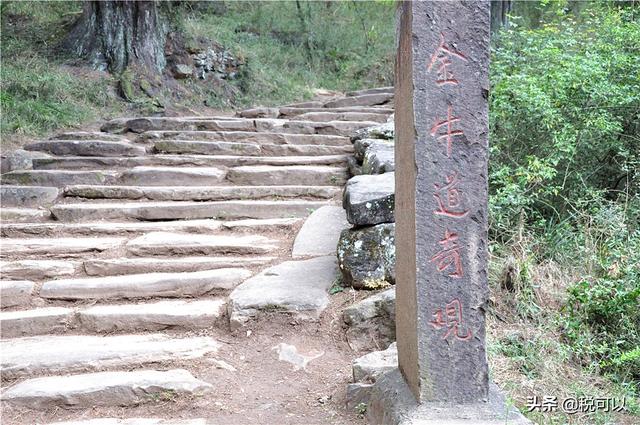
Walking along the ancient stone road of Cuiyun Lang, we cannot help but sigh, for thousands of years, countless pedestrians, horses and vehicles have come and gone from this stone road, either in small groups or in large numbers, either galloping or walking with careful steps. On the roadside of the ancient road, on the Longma Wall with high and low steps, the moss and depressions left behind countless changes in times and human vicissitudes. (Photo/Text: Tax can, male, writer, media person, traveler)
Longma Wall, a living fossil of ancient transportation