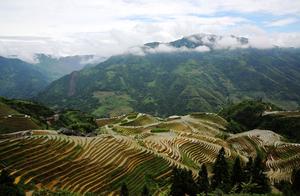
Seeking Paradise – A Journey to Bama, Guangxi
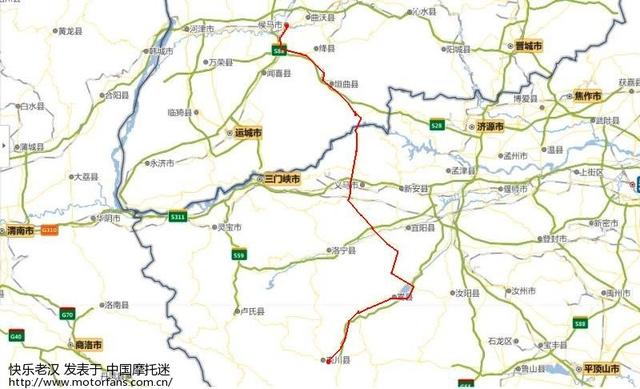
126th, Chinamotorfan blew up the world's longest-lived hometown - Guangxi Bama's Ju Zhipao (gathering horn). Unable to resist saying 'let's go' with an impulsive spirit. The departure was on November 26th.
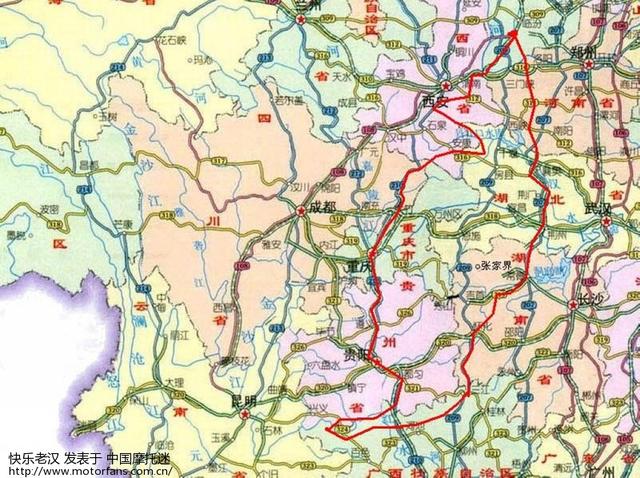
November 26th, Day 1: Houma, Yiqu, Mengchi, Songxian, Luancun Temple Town. Mileage: 352 km.
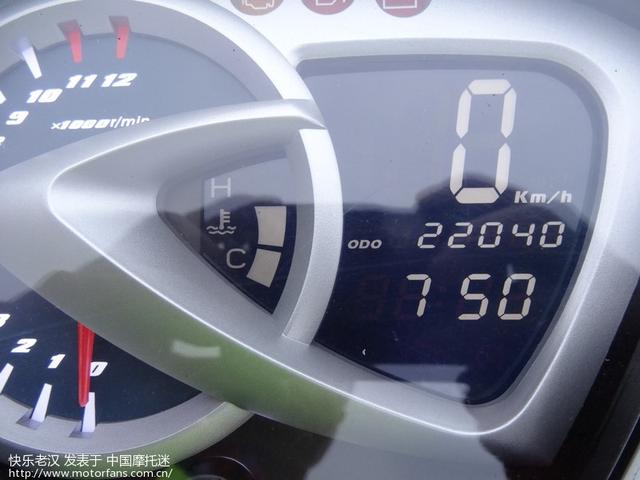
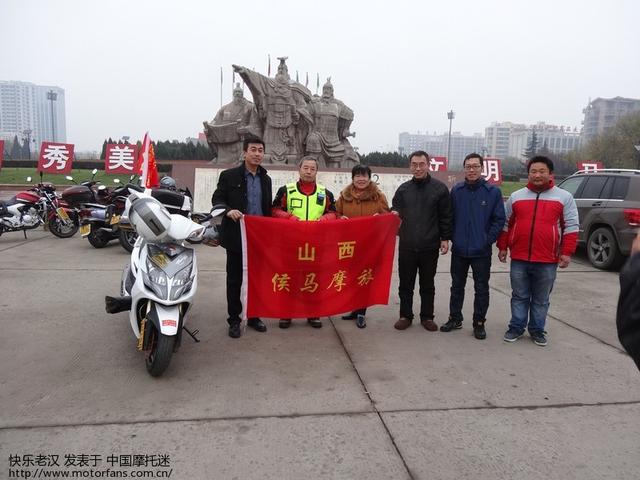
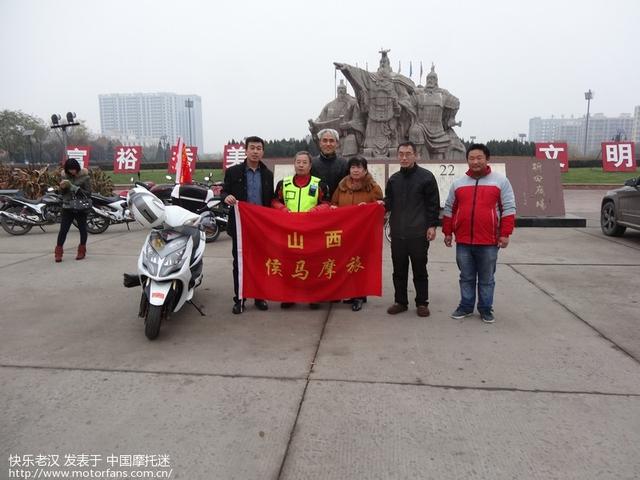
I originally planned to set off quietly alone, but luckily several motorcycle buddies arrived to send me off, expressing their gratitude and bringing their family's blessings, and I set off.
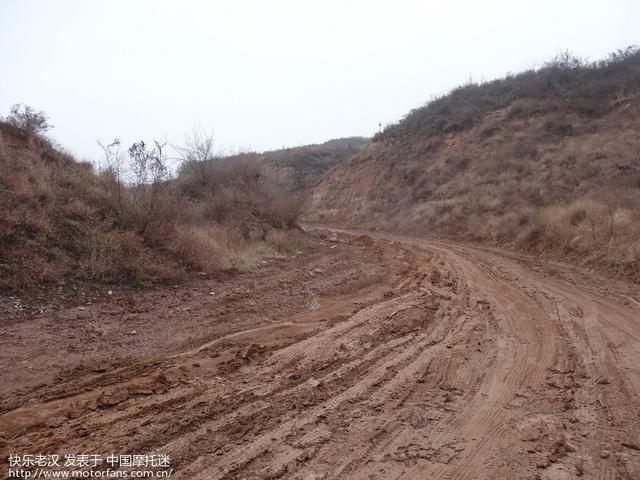
Before setting off, I investigated the road conditions, and I was told that the road from Yiqu to Mengchi was already renovated. In reality, it was still several kilometers of muddy road.
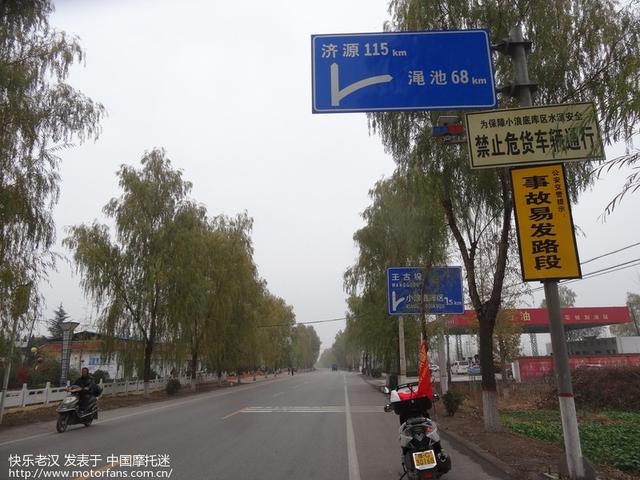
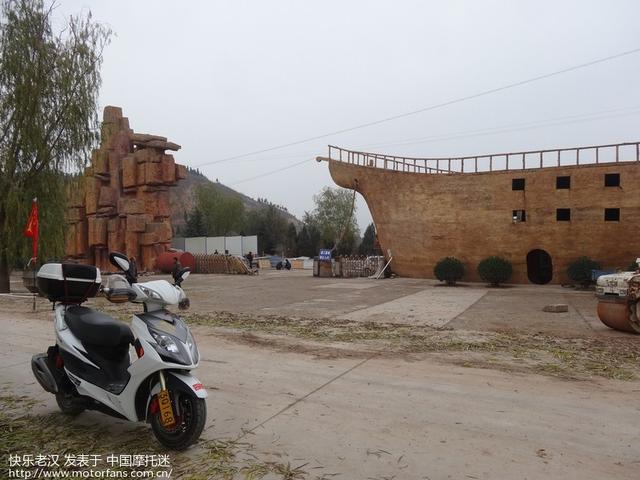
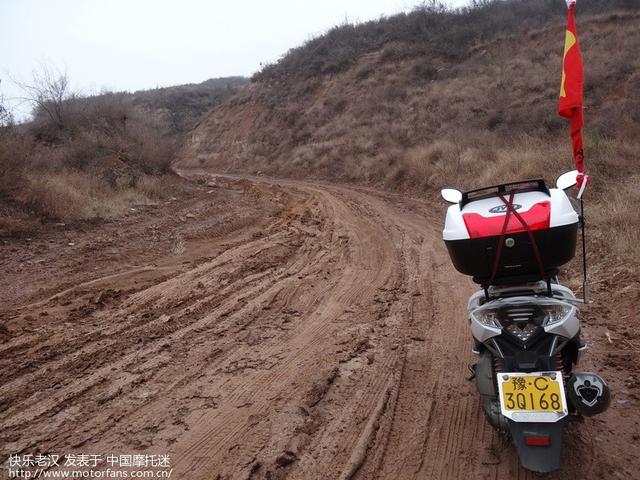
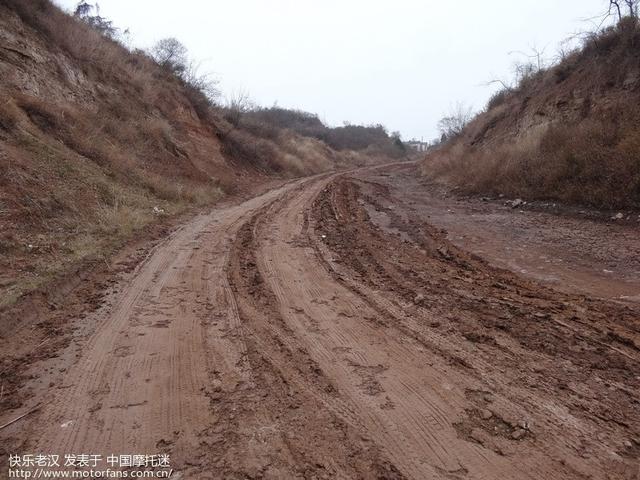
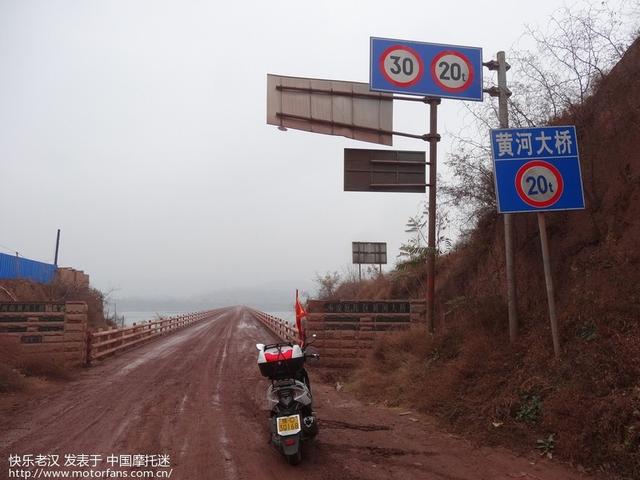
After finishing breakfast, the rain stopped, I packed my luggage and set off. Because of the rain, I didn't take any pictures. The road conditions in the intersection of Henan and Hubei were very bad, and I got on the highway before.
At the exit of the highway, the toll station charged me 50 yuan for the toll.
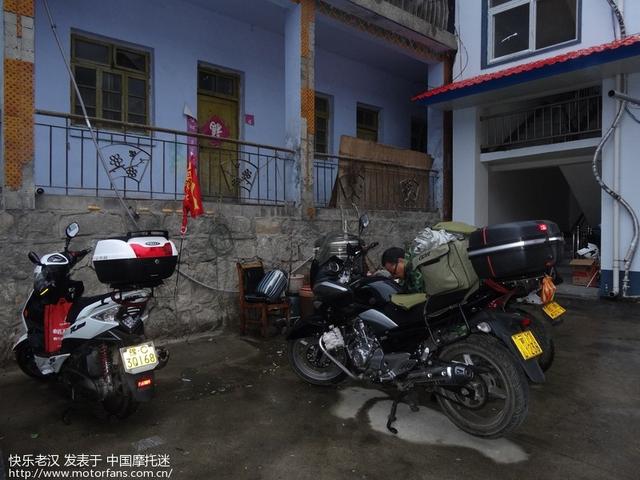
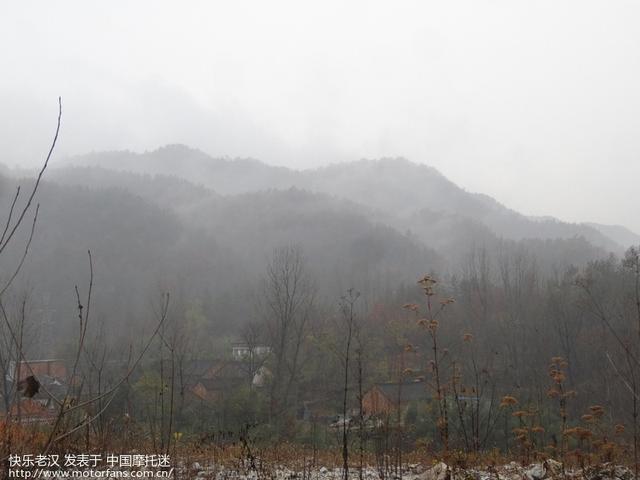
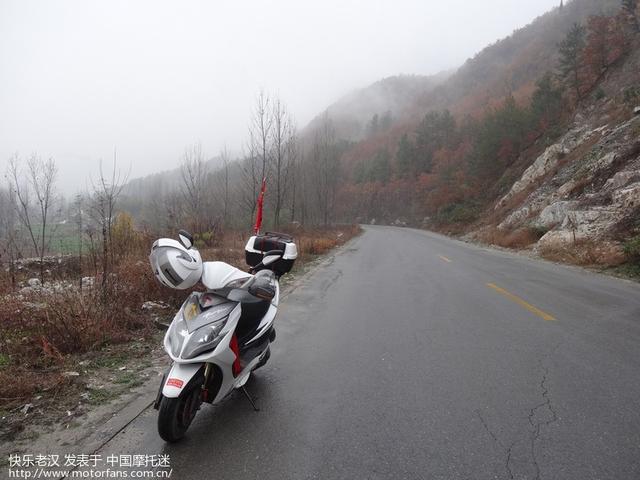
November 28th, Day 3: Dongyue Temple, Changde, Taoyuan Tea Village.
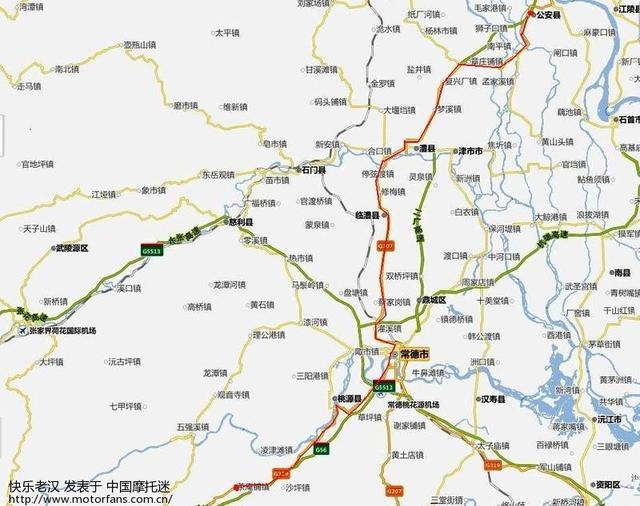
Mileage: 223 km.
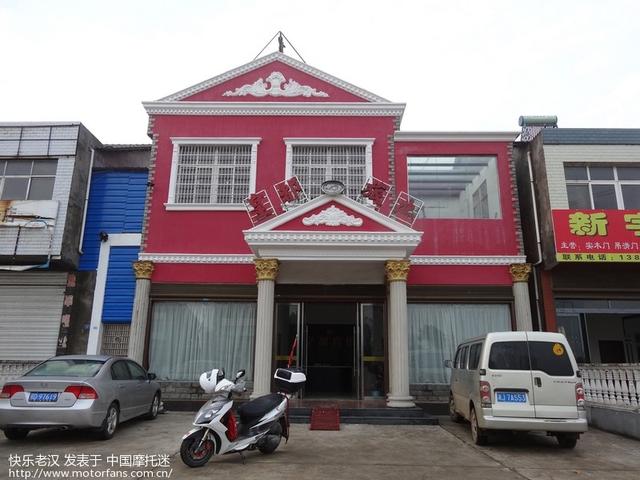
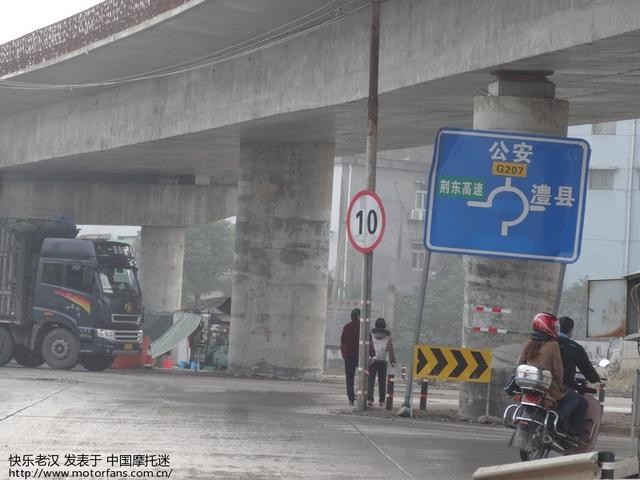
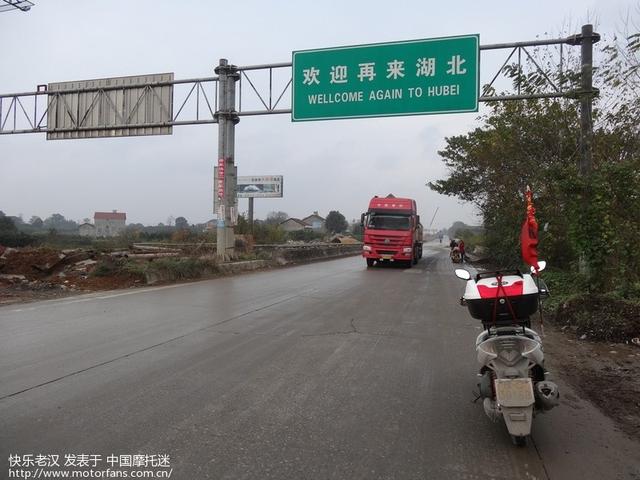
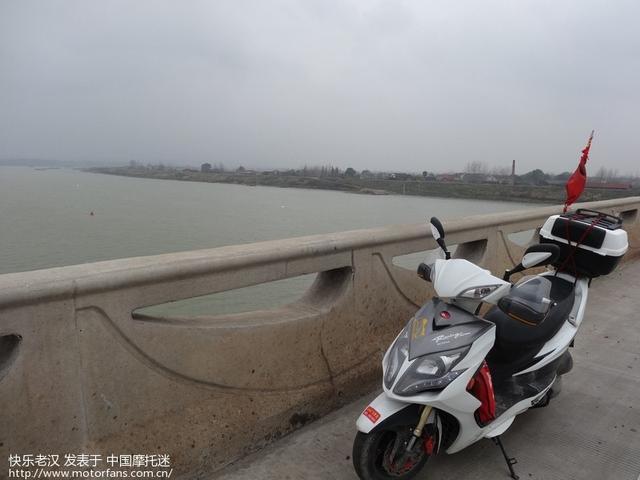
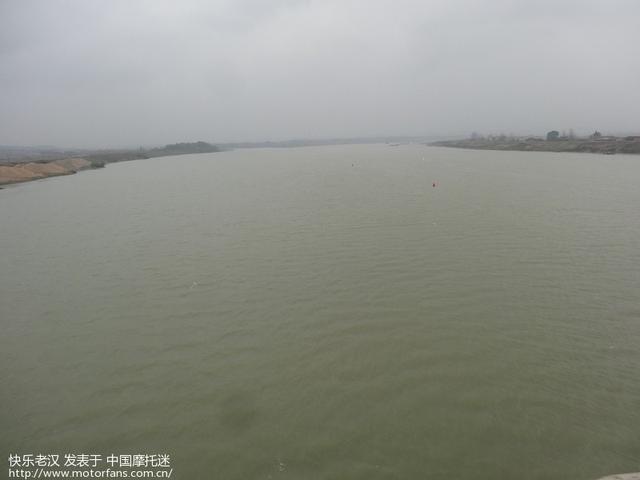
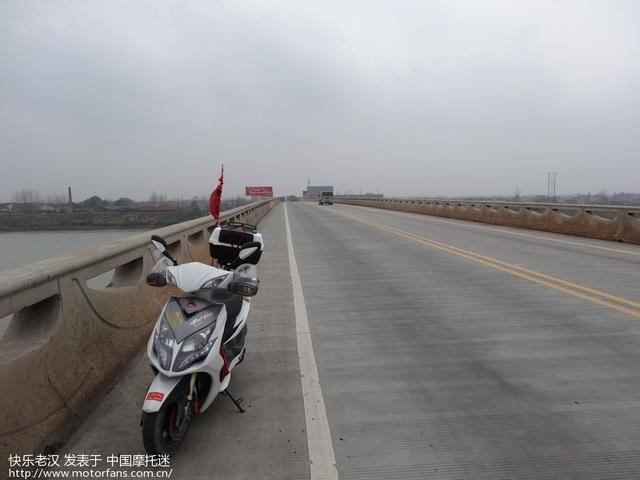
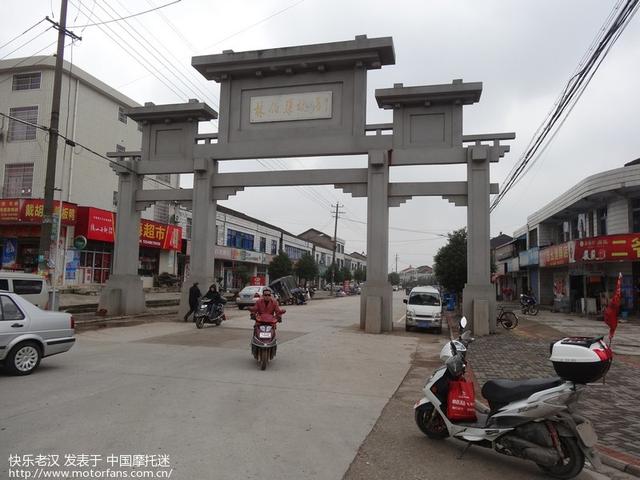
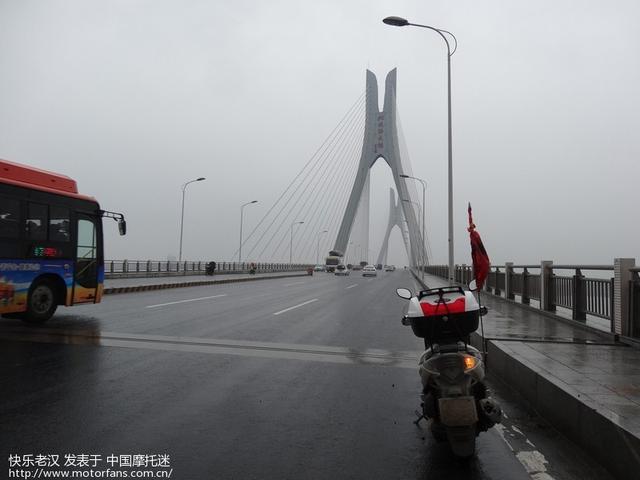
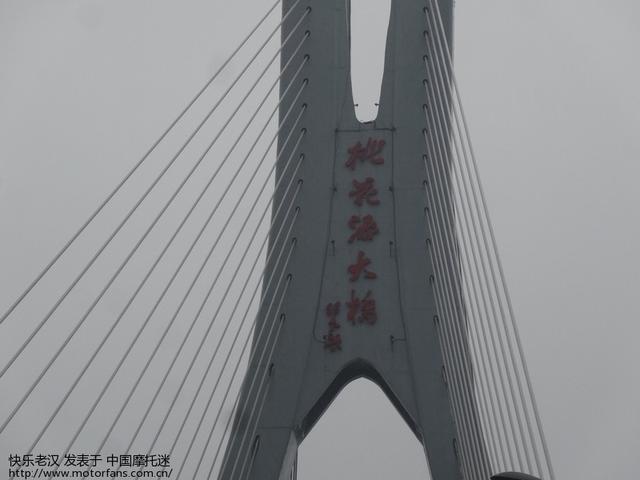
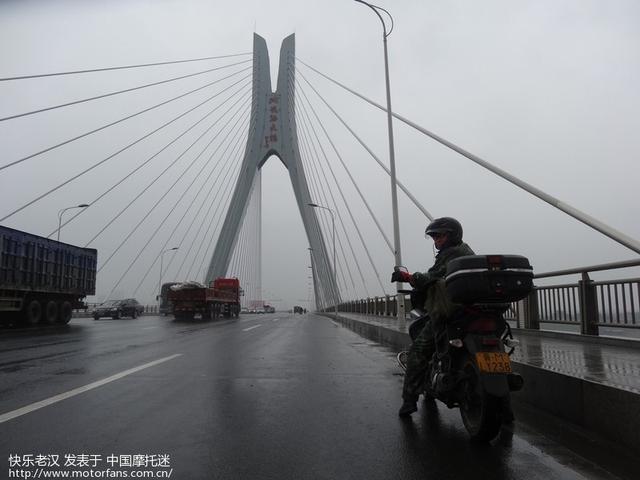
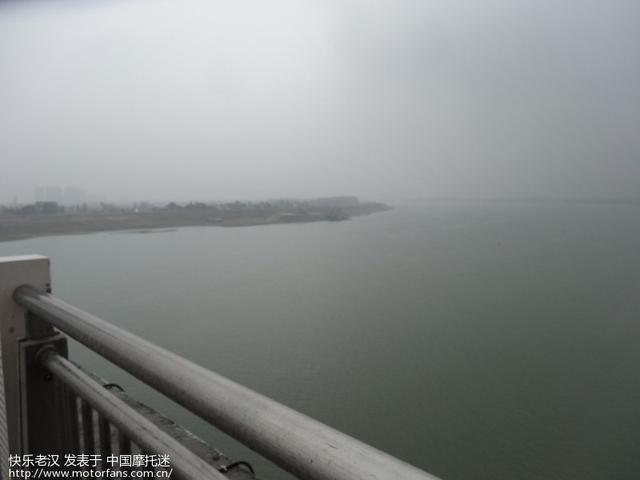
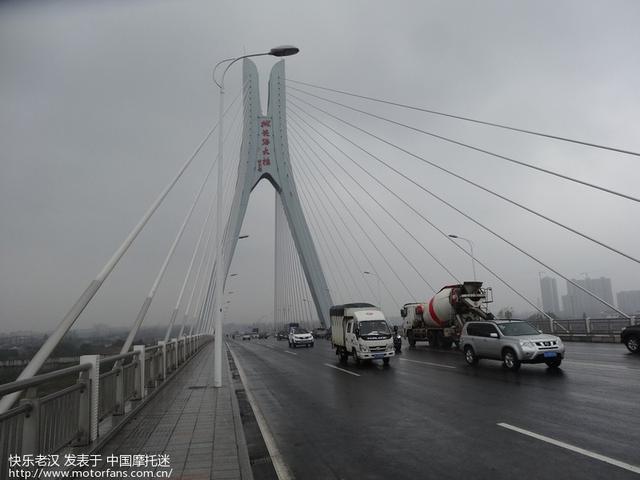
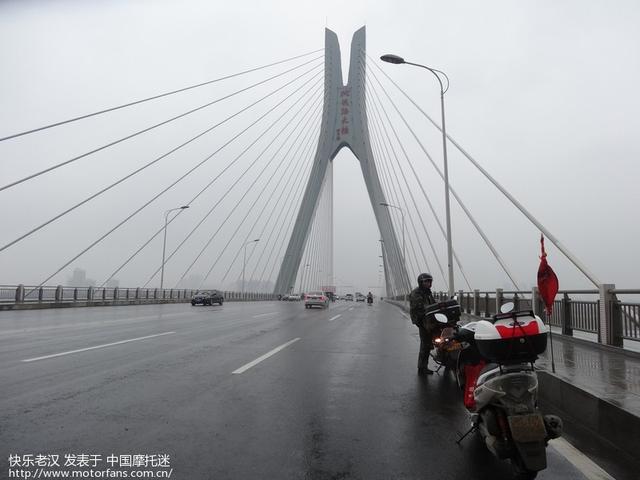
During the journey, I took some snapshots.
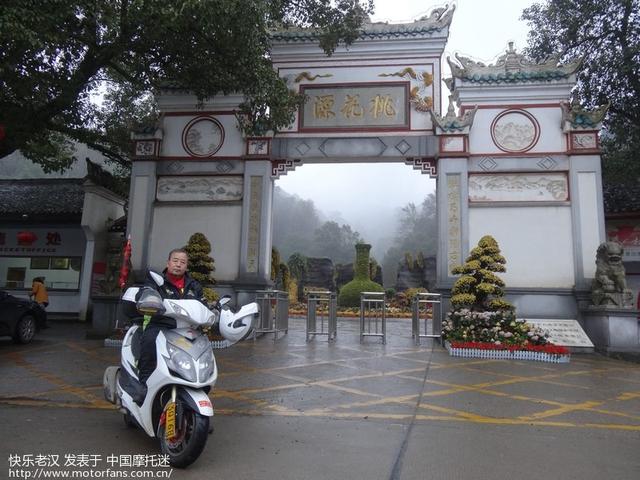
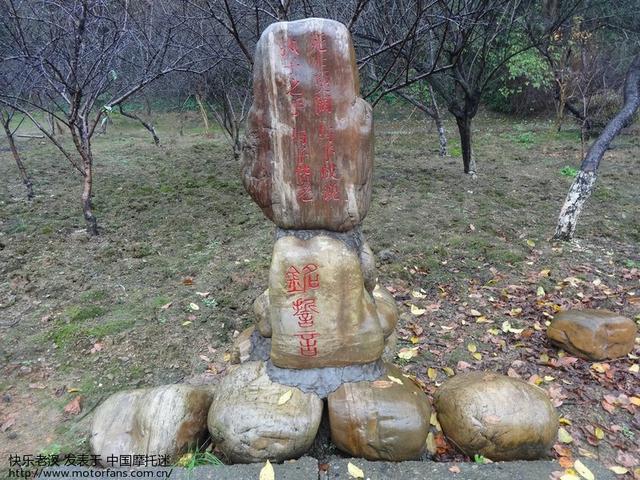
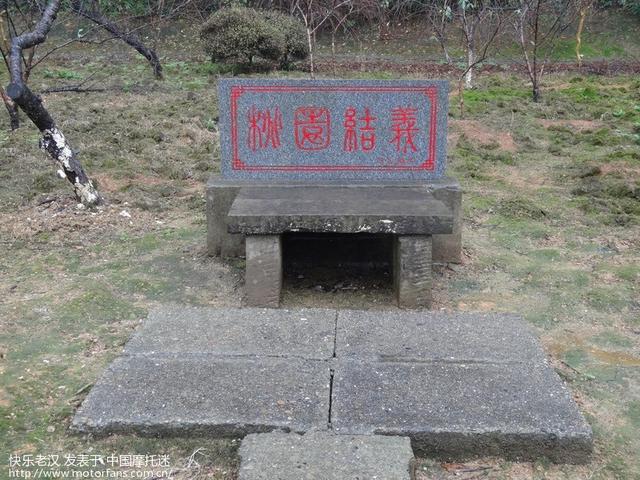
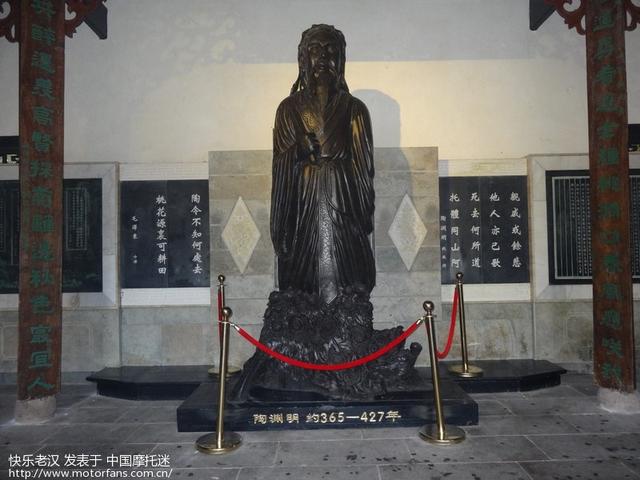
Tao Yuanming, a famous poet of the Eastern Jin Dynasty, described a world that people yearn for in his famous poem 'Peach Blossom Source'. According to historical records, it is located in the north of Hunan Province. The Peach Blossom Source was established during the Jin Dynasty, developed to its peak during the Tang and Song Dynasties, and was destroyed due to war in the Yuan and Ming Dynasties. It was revived in the Qing Dynasty. Many famous writers such as Meng Haoran, Li Bai, Han Yu, and Su Shi visited here and left their calligraphy.
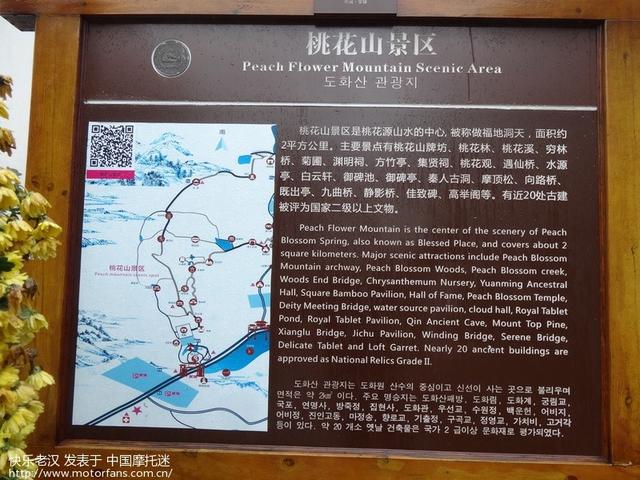
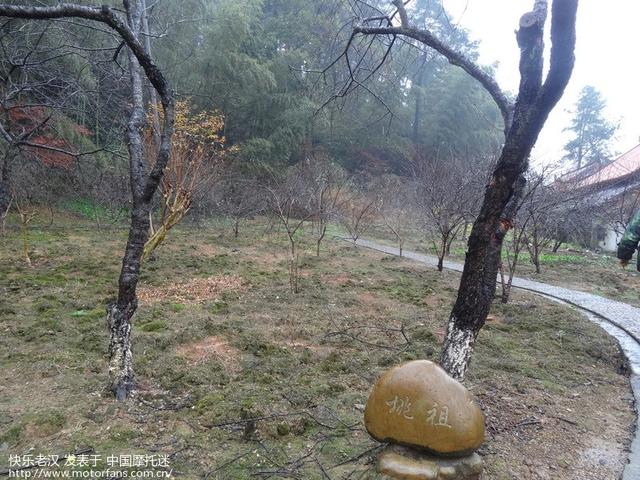
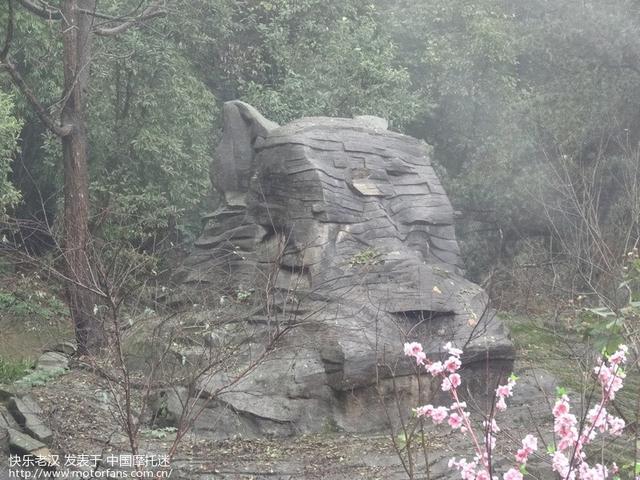
The Peach Blossom Source Scenic Area now has attractions such as Peach Blossom Ridge, Peach Blossom Mountain, Peach Blossom Valley, Qin Village, and an area of over 150 square kilometers. I was not interested in the newly built pavilions and towers, but I liked the quiet rural scenery. This scenery is definitely worth seeing.
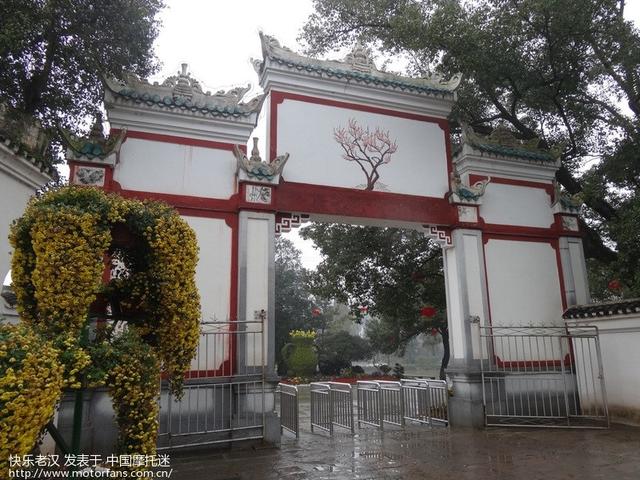
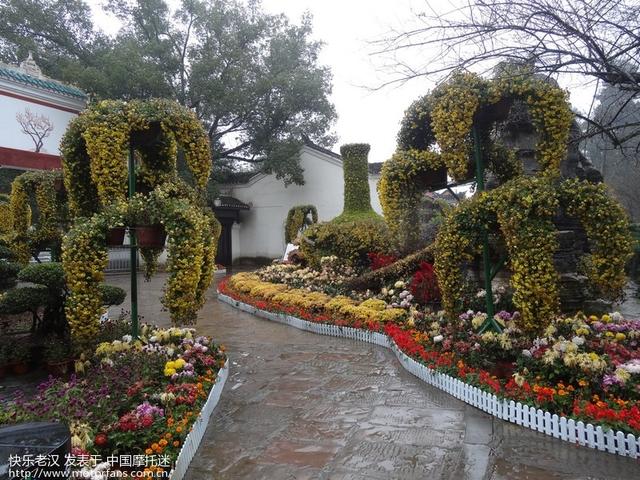
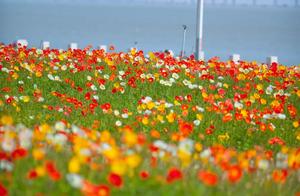
The name of the flower - 'Lotus Phoenix Shape'
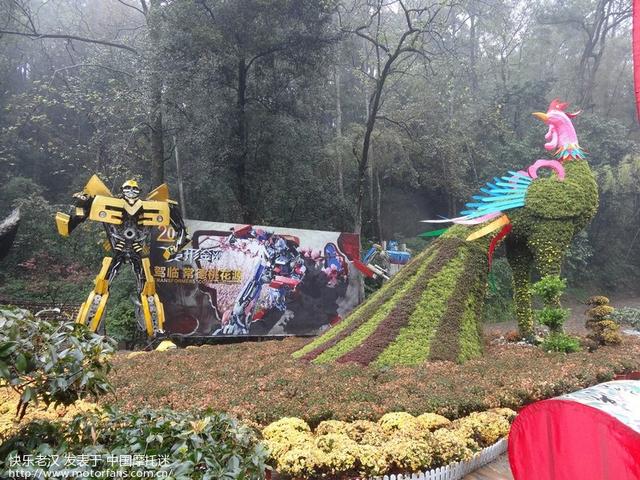
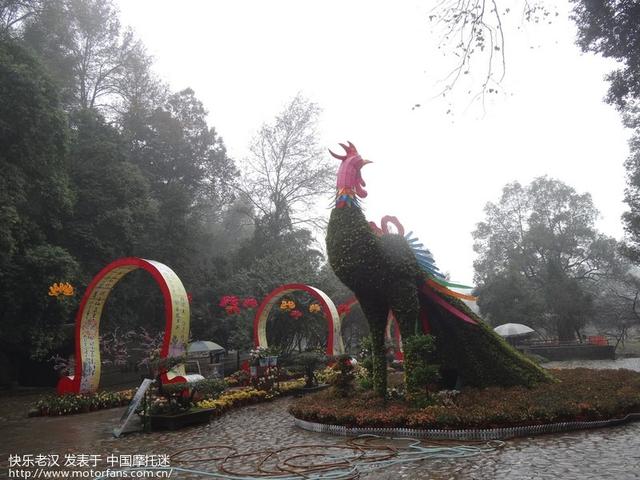
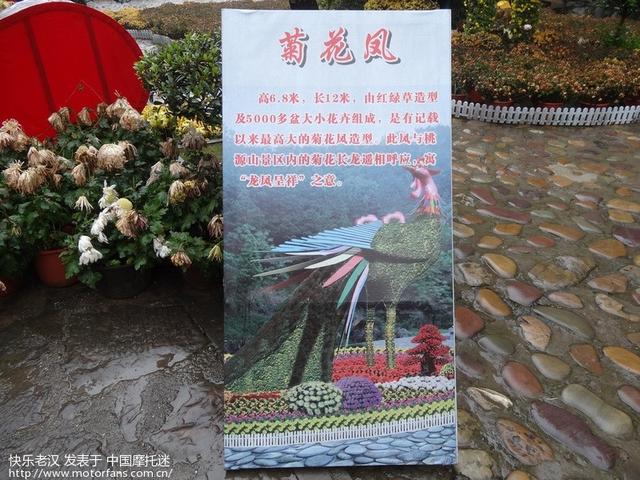
The name of the flower - 'Lotus Exhibition'
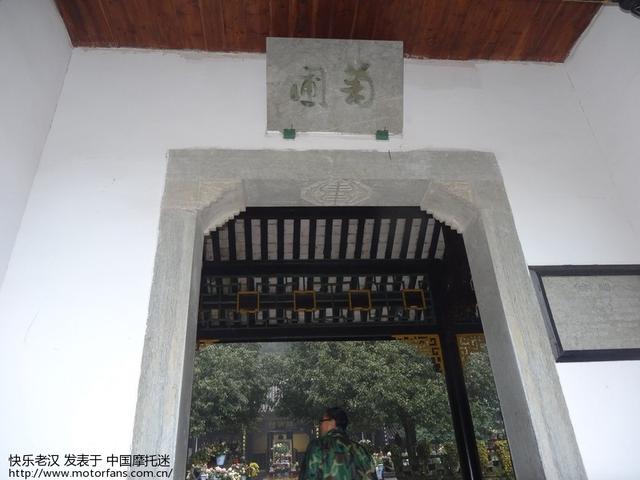
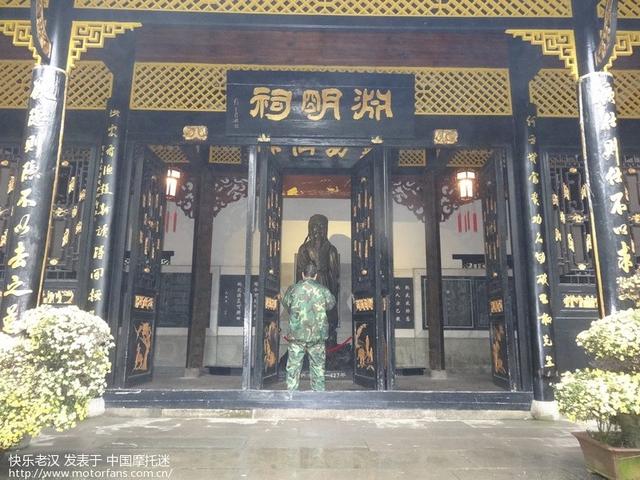
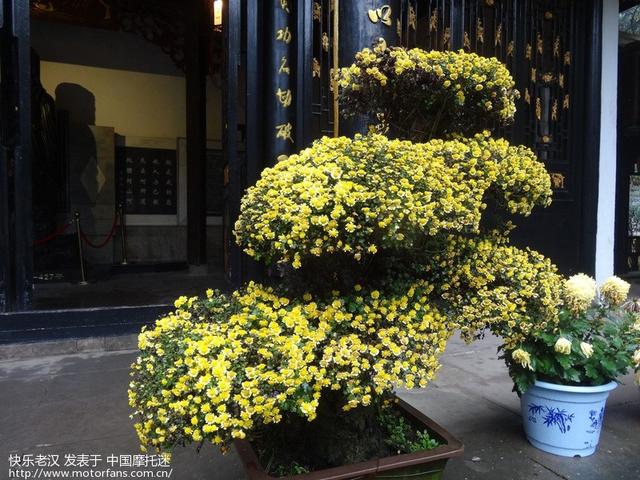
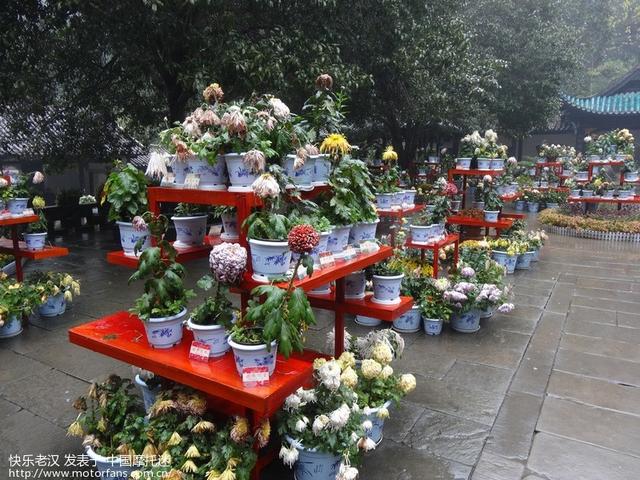
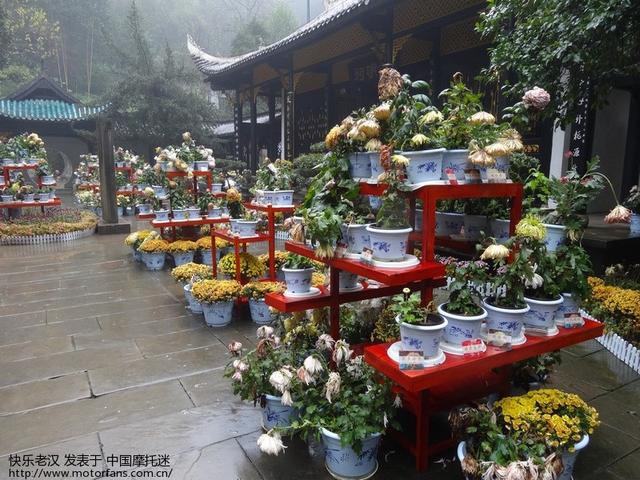
The name of the flower - 'Fangzhitang'
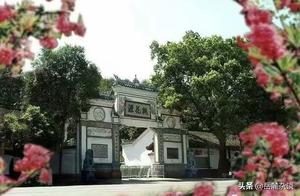
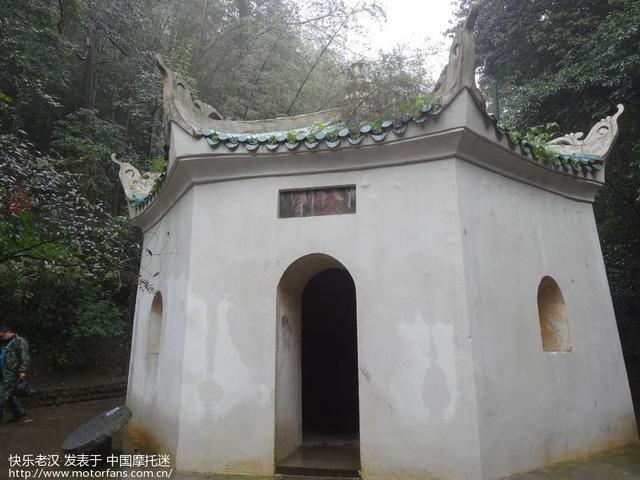
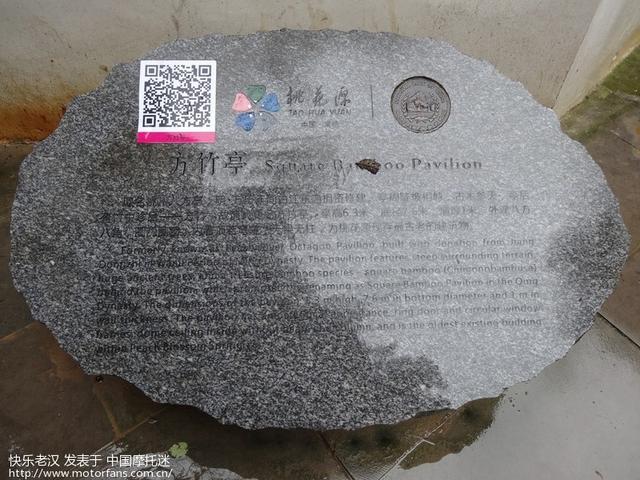
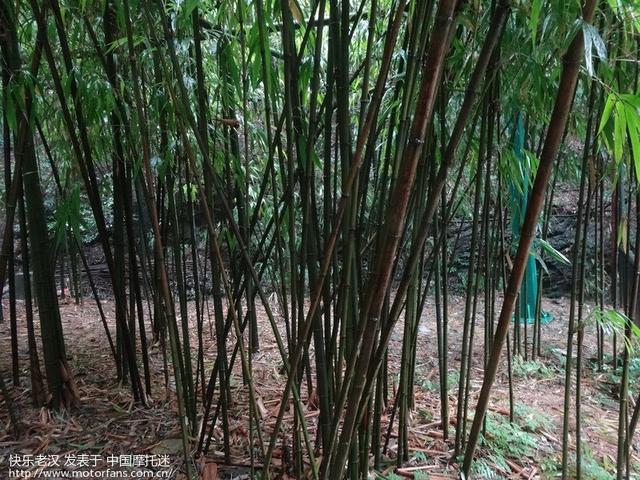
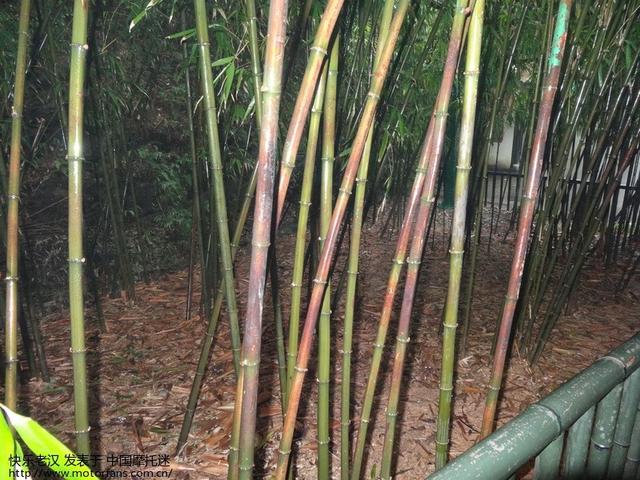
The original name of the pavilion was Taocuan Ba Fangting, built in 1595 by Chen Xiang, a inspector from the Hukou Prefecture in the Province of Huai, during the 23rd year of the Wanli reign of the Ming Dynasty. The pavilion is an octagon with three doors and four windows, 6 meters high, with walls 1 meter thick and a brick-stone structure. The pavilion is whitewashed, with a green glazed tile roof, and a semi-spherical interior. There are six ancient stone carvings inside the pavilion. Around the pavilion are rows of bamboo. Fangzhitang is famous for its unique, hand-carved bamboo.
Yixian Bridge
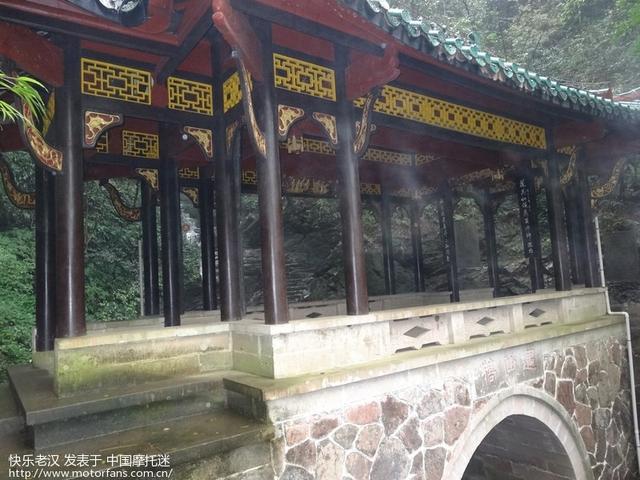
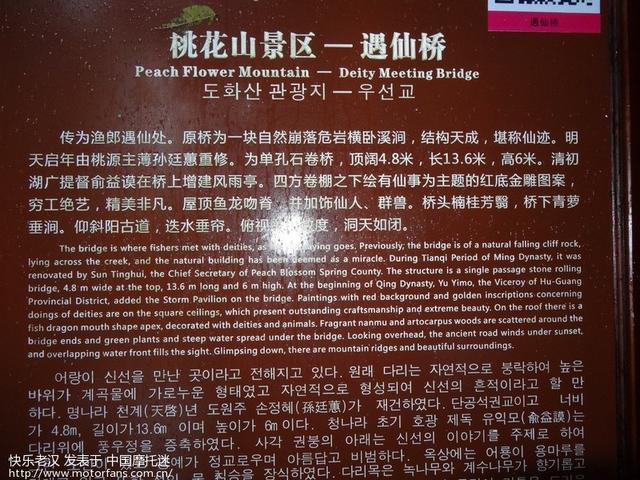
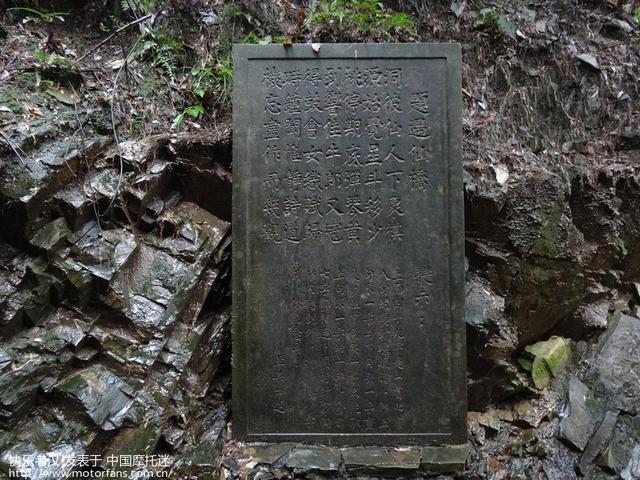
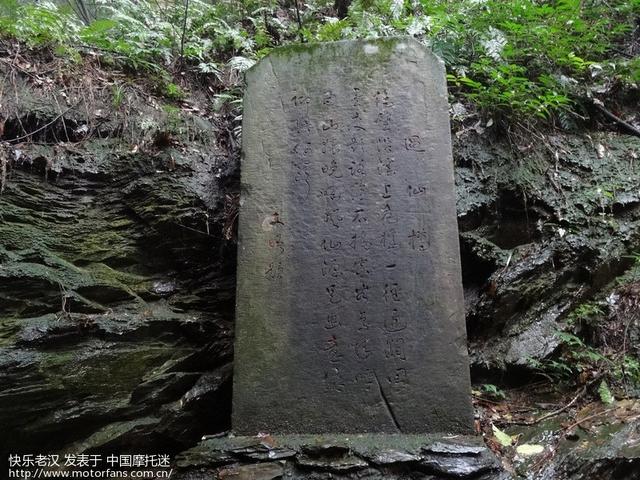
Continue forward and take snapshots.
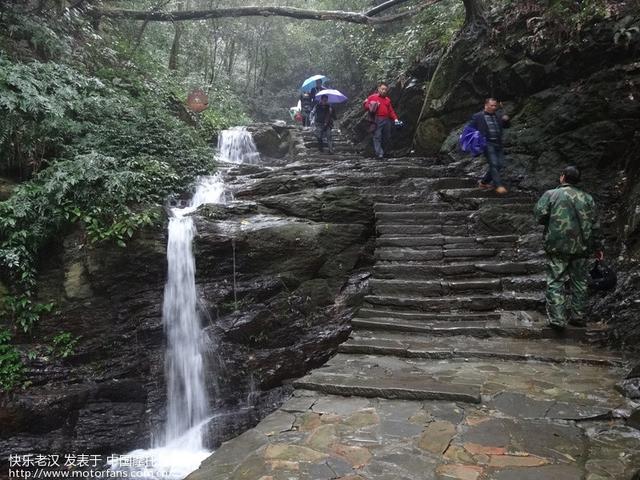
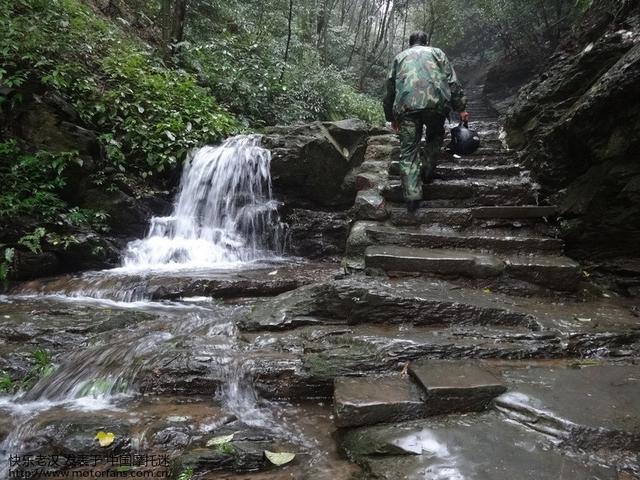
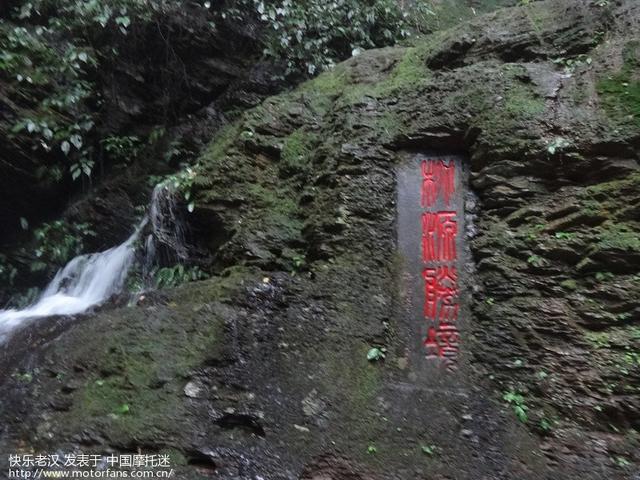
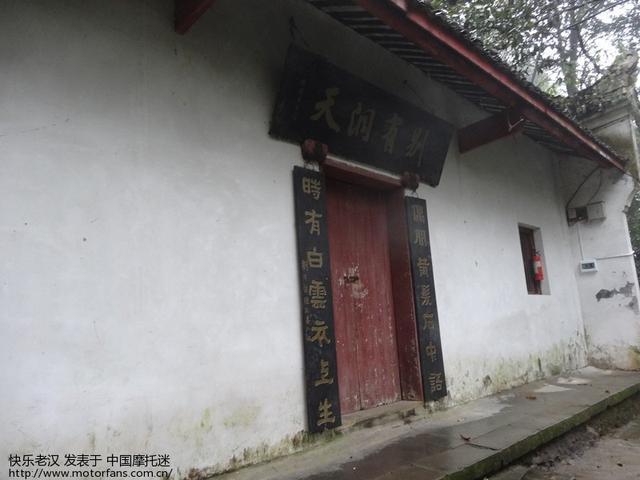
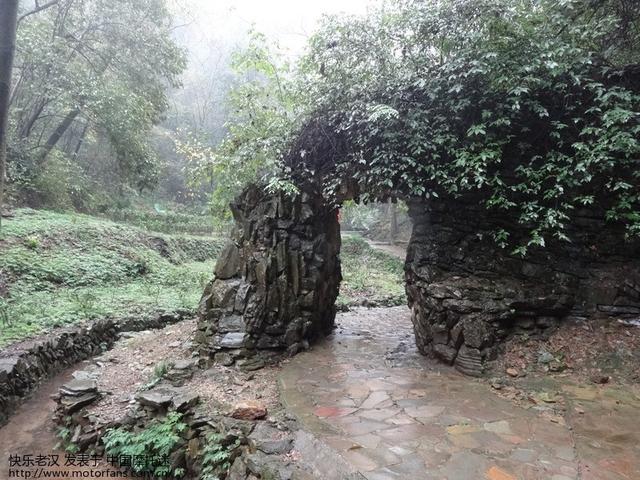
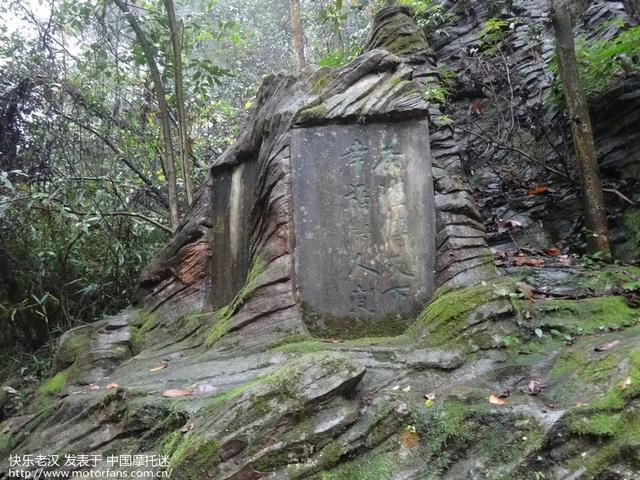
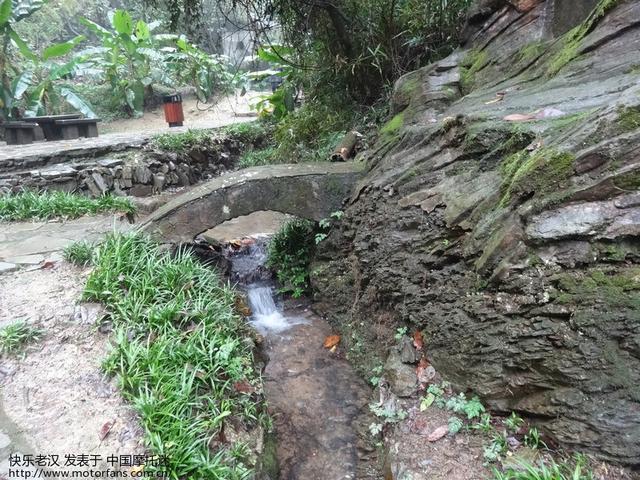
I didn't change out of my riding gear, and I became too hot.
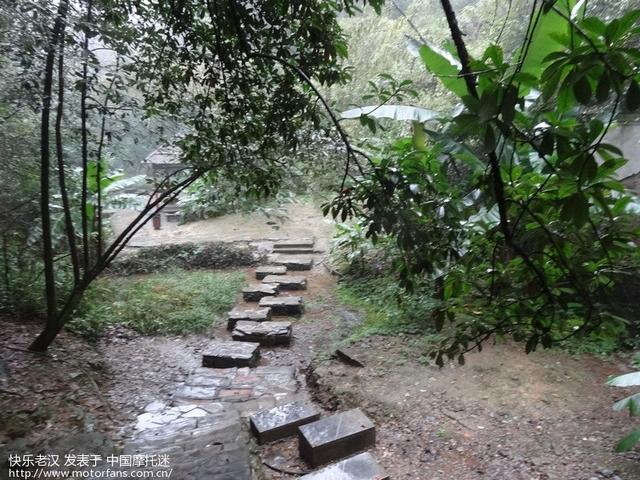
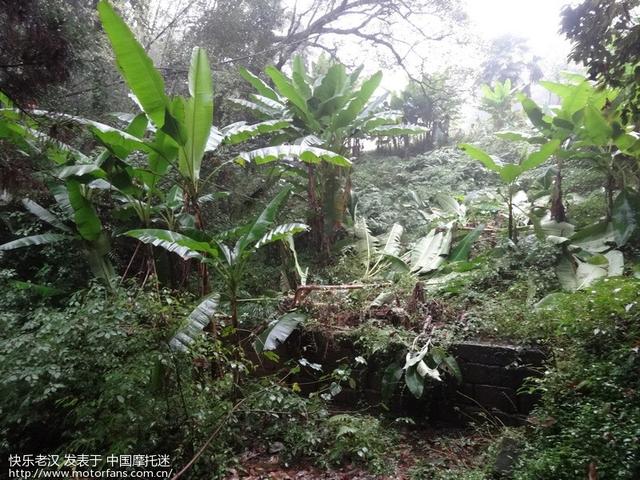
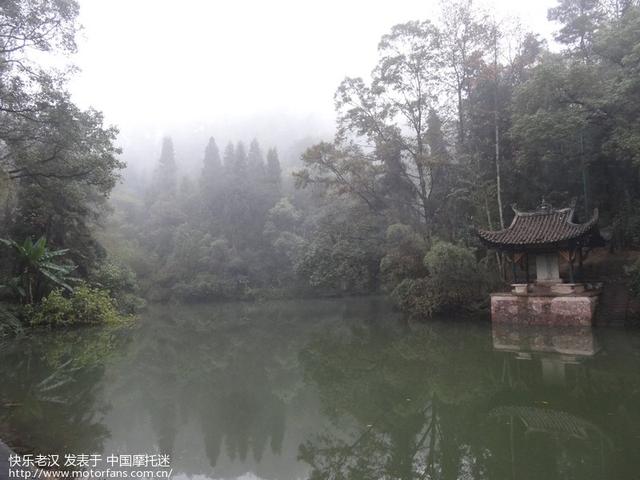
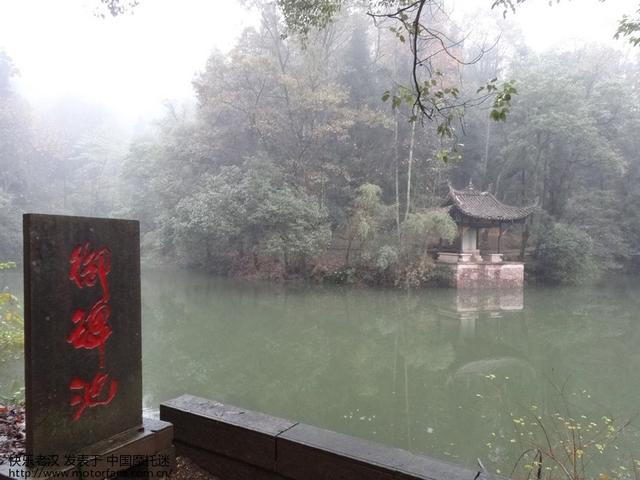
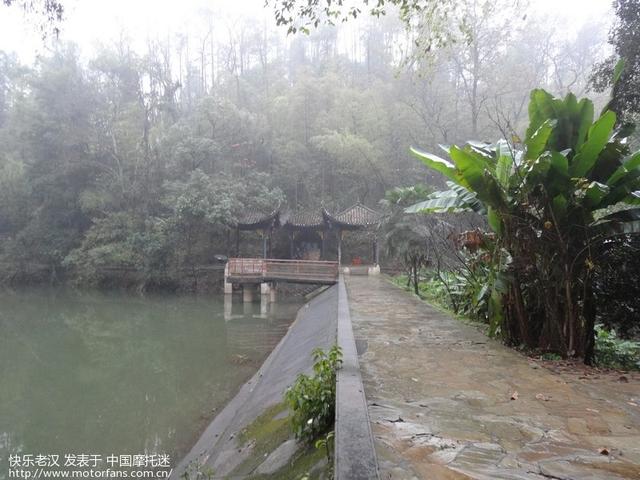
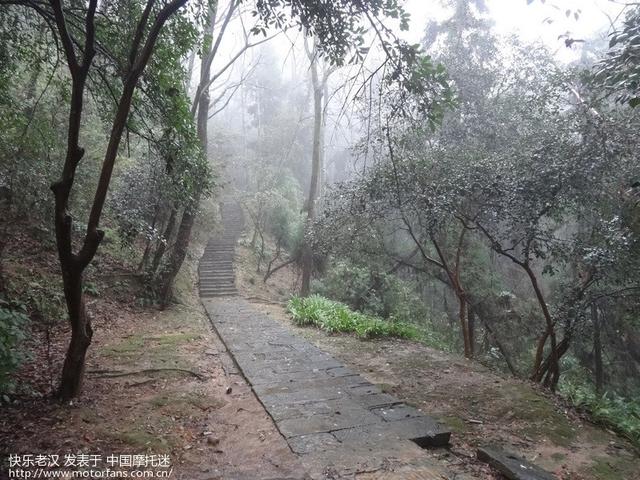
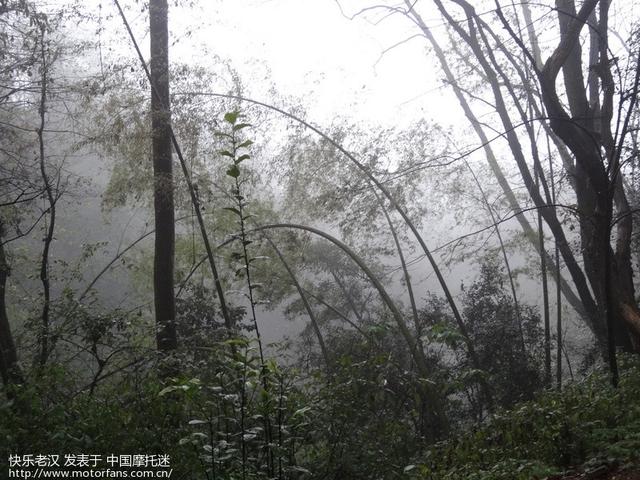
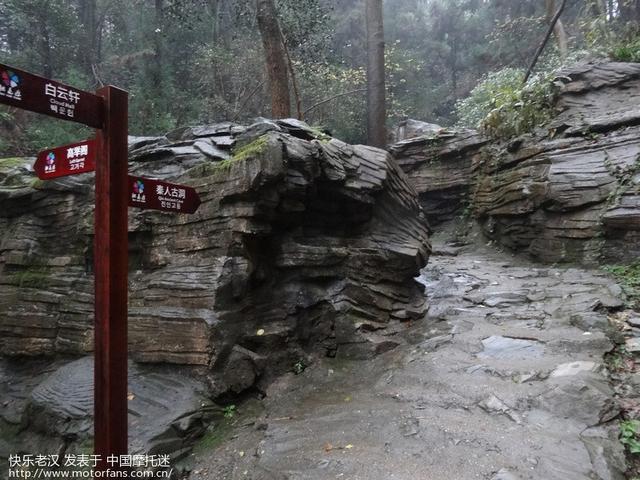
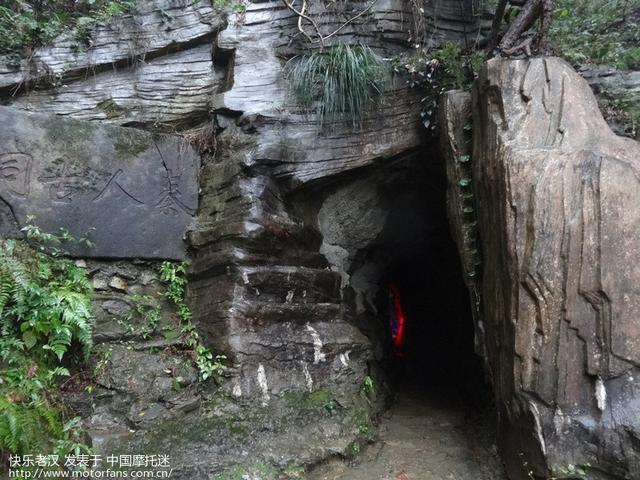
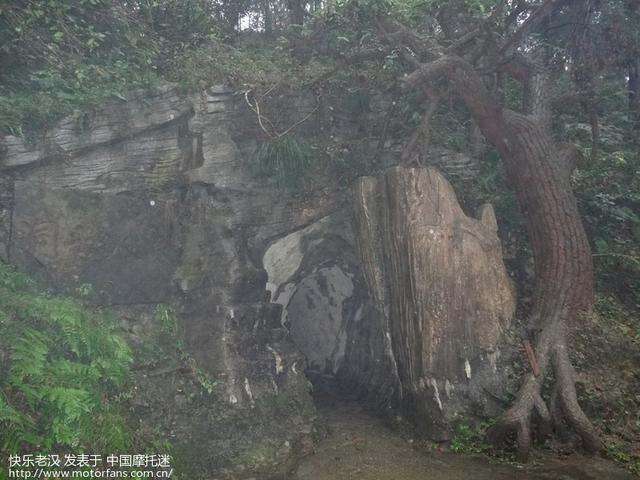
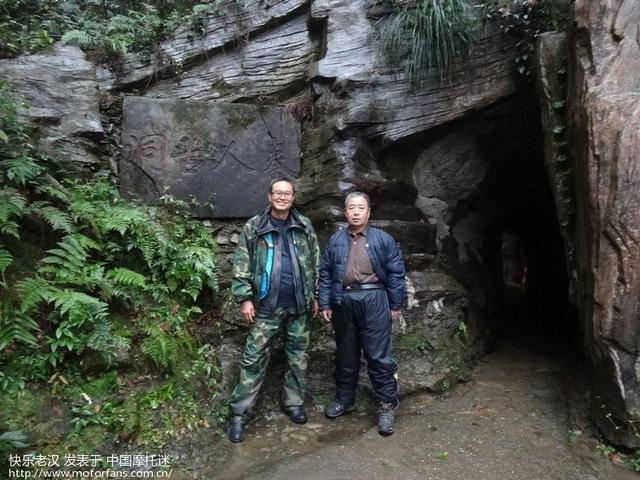
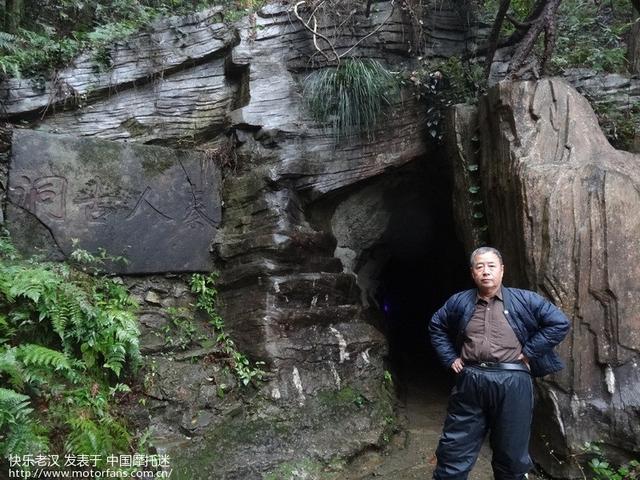
Qin People Village
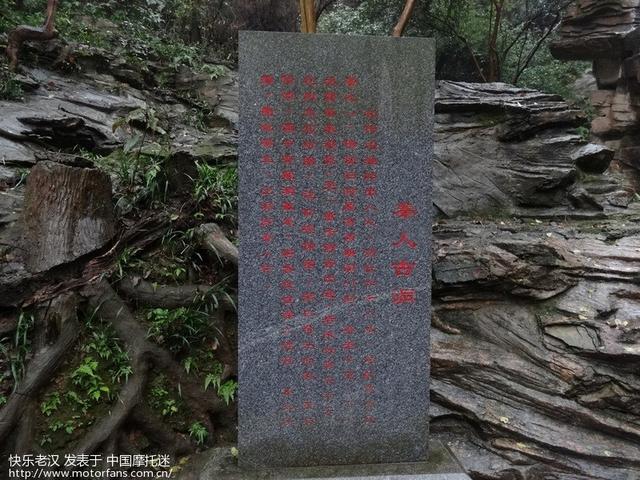
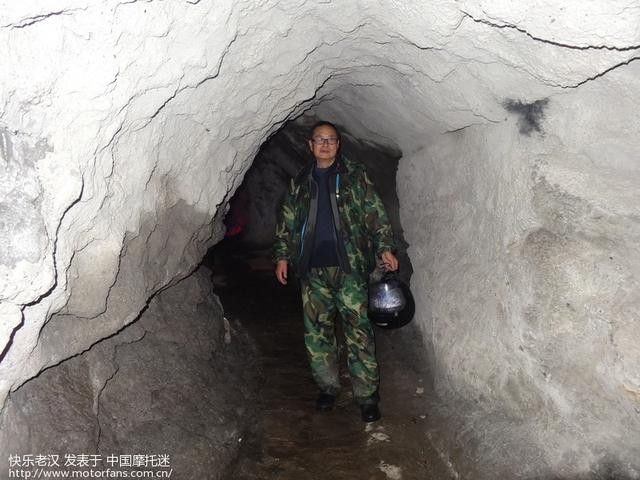
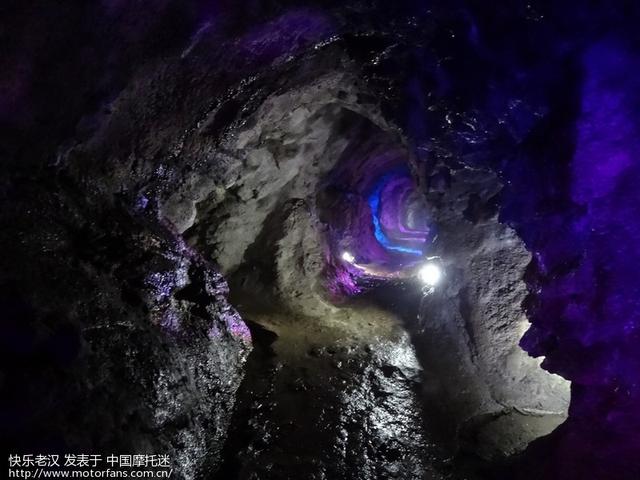
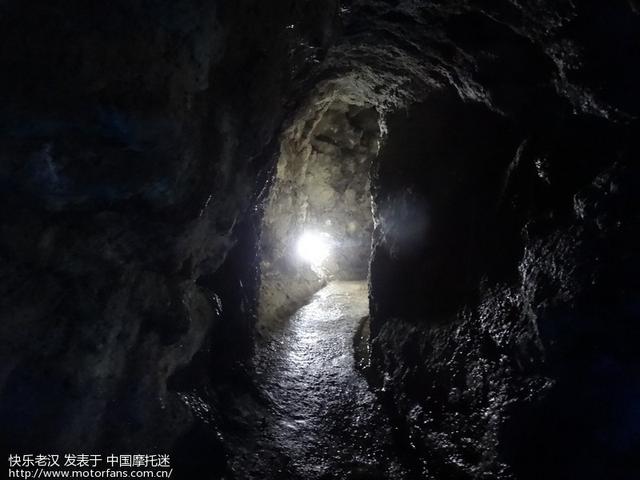
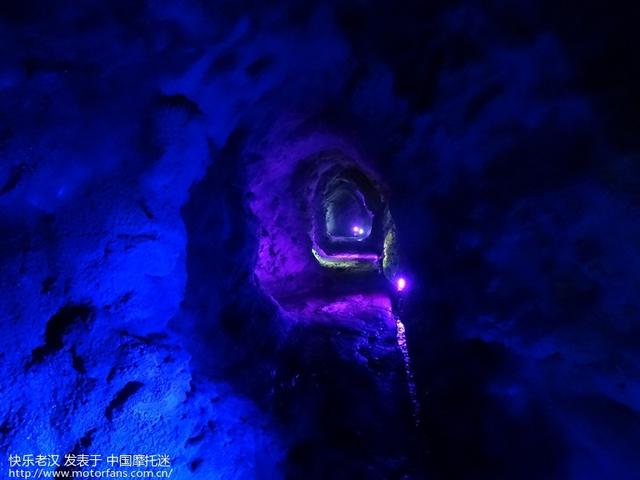
Including Qin Ancient Road, Qin Ancient Cave, Qin People Residence, Qin People Workshop and Bamboo Corridor. Qin Ancient Road is located at the foot of Yushan, which is said to be the secret path used by Qin people to take fishermen out of the Peach Blossom Source during the chaos. It is about 1000 meters long, composed of ancient archways, ancient roads, ancient castles, ancient soldiering platforms and ancient caves. Qin Ancient Cave is located above the Qin River, with a cave length of 67 meters. The entrance of the cave is inscribed with the words 'Qin Ancient Cave'. There are strange stones and ancient trees. It's said to be the passage used by fishermen entering the village.