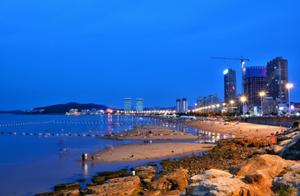
Kurasiki: A Lesser-Known Japanese Travel City
If you have the opportunity to travel to Japan, I recommend to you my favorite Japanese water towns, Okayama Prefecture Kurashiki City.
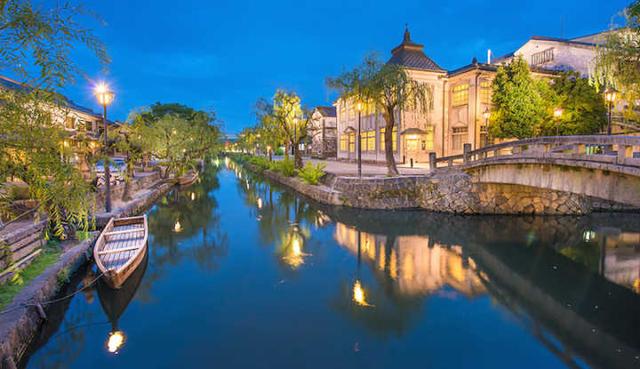
'Kurashiki Historic District' is a national important traditional building preservation area. This 21-hectare protected area has water, small bridges, weeping willows, and residences.
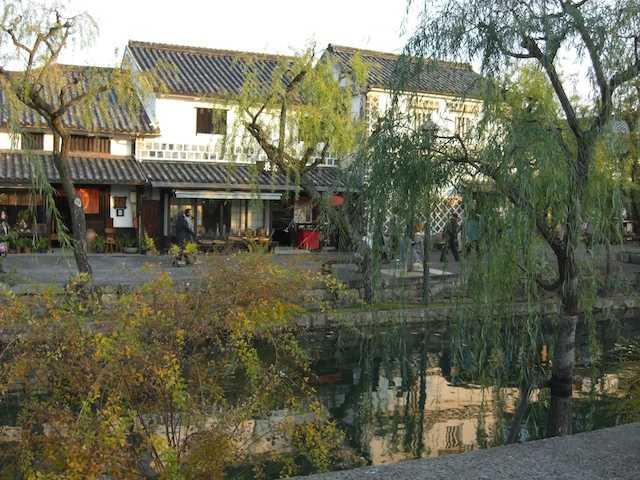
The riverside on both banks is a collection of historical buildings from the Edo period, this place was once an important supply gathering place, the ancient and ancient buildings are lined up one after another, it seems that the bustling scene of years ago can still be seen. I think this city has the charm of Yangzhou.
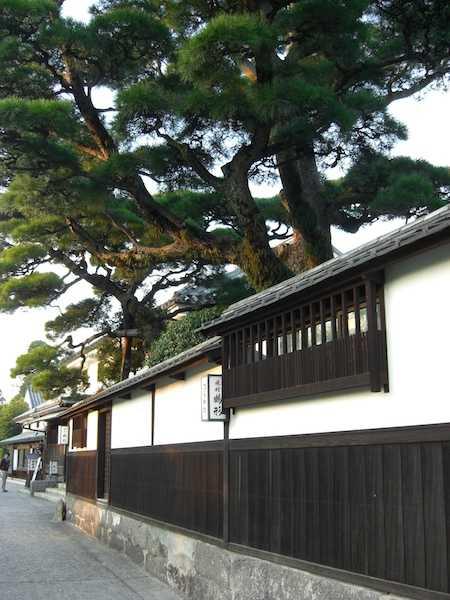
I and my wife used to live in the famous hotel 'Tsuruha' within the protected area, located in the center of the scenic area, it is the oldest and most traditional Japanese-style hotel.
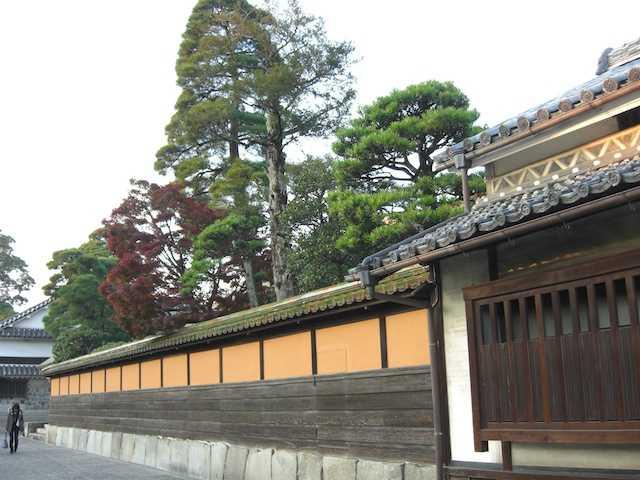
Next to Tsuruha is 'Nishizono' (Nishizono), which is the villa of the O하라 family during the Meiji period, later it was also the place where Emperor Showa stayed, unfortunately it is not open to the public during normal times.
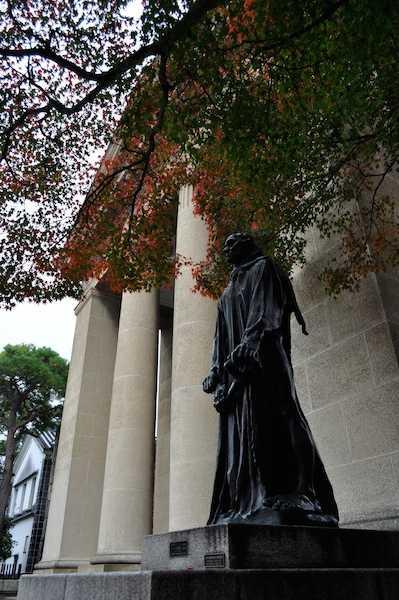
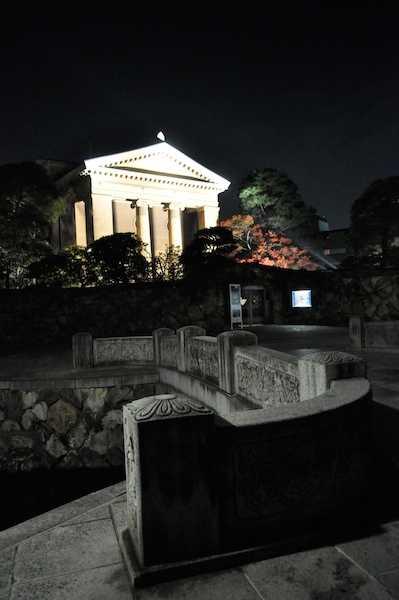
The river across from Nishizono is the famous O하라 Art Museum. It is the earliest Western-style modern art museum in Japan, and also the largest private museum in Japan.
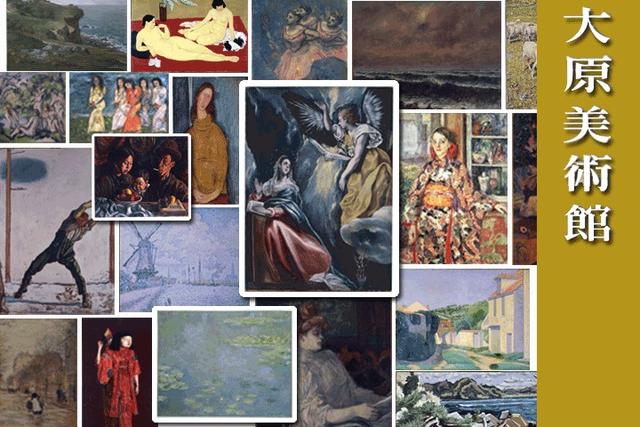
The museum collects a large number of modern Western art masterpieces, including Girodetto's 'Annunciation,' Cézanne's 'Bathers,' Manet's 'Woman in a Chemise,' Monet's 'Water Lilies,' Millet's 'The Cliff of Greve,' Degas's 'The Dancing Girl in Red,' Bissaro's 'Picking Apples,' Courbet's 'Autumn Sea,' Gauguin's 'The Land of Frankincense,' Van Gogh's 'Les Alpilles,' Courbet's 'The Noblewoman,' and Lautréc's 'The Lady.' Each one is worth a fortune and is the private collection of the O하라 family. It can be said without exaggeration that it is one of the top Western modern art museums in Asia and even the world.
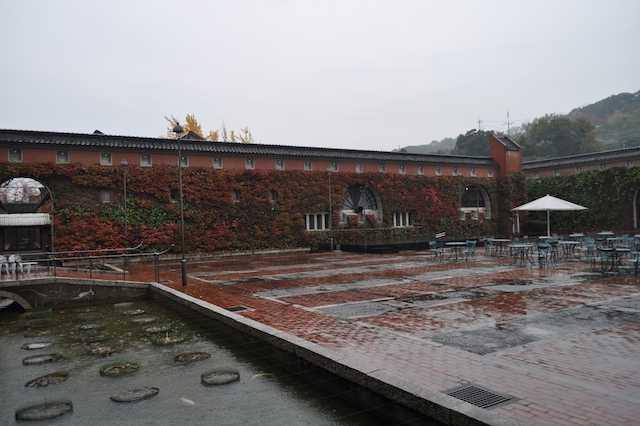
KURASHIKI IVY SQUARE is the old site of the O하라 family's textile factory, which has been converted into a comprehensive facility with hotels, restaurants and exhibition halls. It was awarded as an industrialized heritage of the modern era.
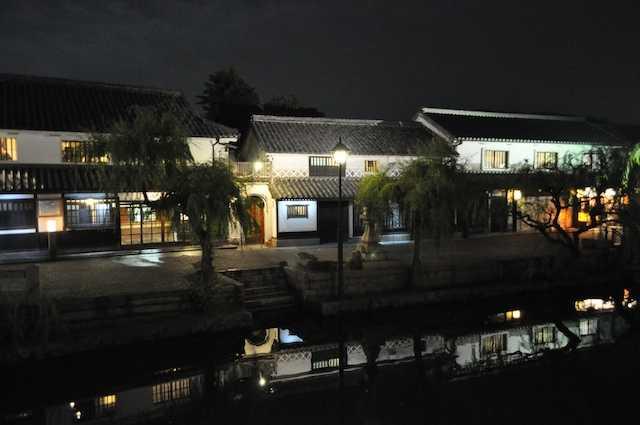
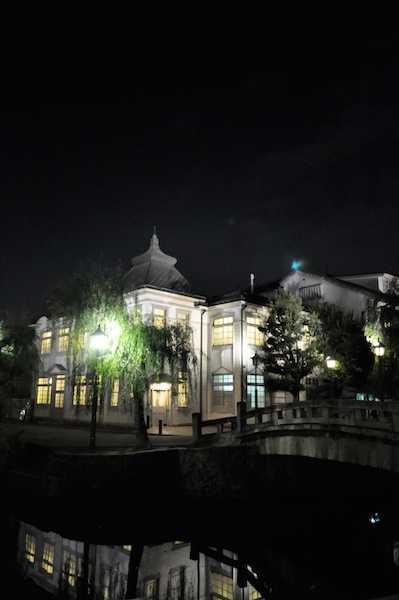
The advantage of living in the scenic area is that after the tourists leave in the evening, you can quietly enjoy the beauty of the entire scenic area. Sometimes it makes you have a sense of time reversal and return to the past. Finally, I will share a few photos I took when I went out for a walk at night.
The scenic area also has many various memorial exhibitions, such as Kurashiki Archaeological Museum, Japan Folk Toy Museum, Kurashiki Folk Craft Museum, Shinobu Ishii Memorial Museum, and Kagetaka Art Museum. There are many sights to see and play in this area.
It takes only one and a half hours by Shinkansen from Osaka to Kurashiki. If you are traveling in the Kansai region, I strongly recommend coming here to see it. You can see the Edo, Meiji and Showa eras through the buildings, with Eastern water town scenery and Western art treasures. Visiting Kurashiki will not be in vain!