Exploring the Mysterious ‘Burning Temples’ in Nepal: A Journey Through Life and Death
Witnessing a cycle of life and the ascetic life of Baba at Pashupati Temple left me deeply moved.
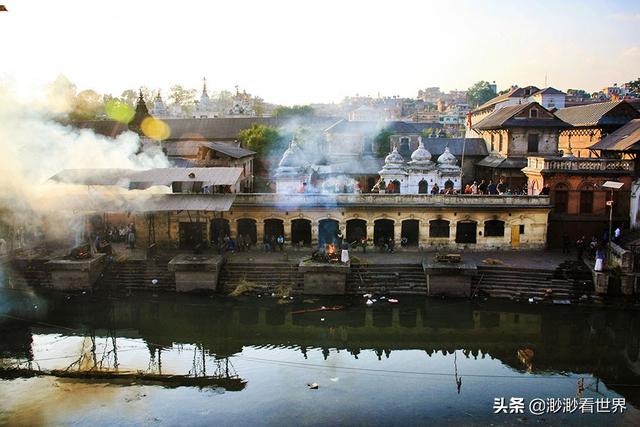
Pashupati Temple is holding a cremation ceremony.
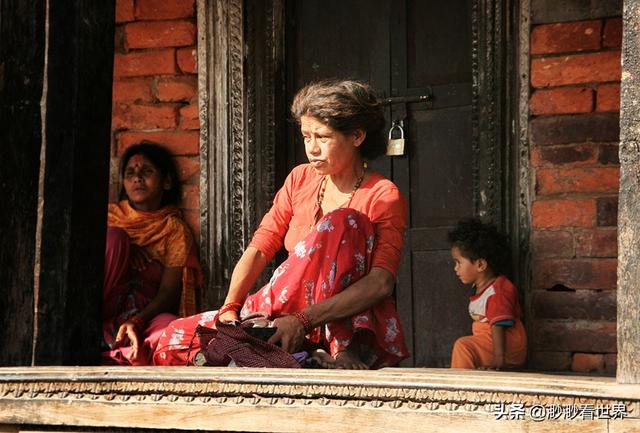
I believe that the pigeons most abundant in Kathmandu's squares and the elderly meditating under the ancient temple roofs are the most common sights. At Pashupatinath (Pashupati), the square is filled with pigeons foraging, and not far away, several elderly people sit meditating, contemplating the world. A cute little child caught my eye; her red sari-clad mother was intently watching something in the distance. A mischievous monkey was mimicking humans, lying on the ground and enjoying 'K-powder.' All of this made me feel like time stood still here.
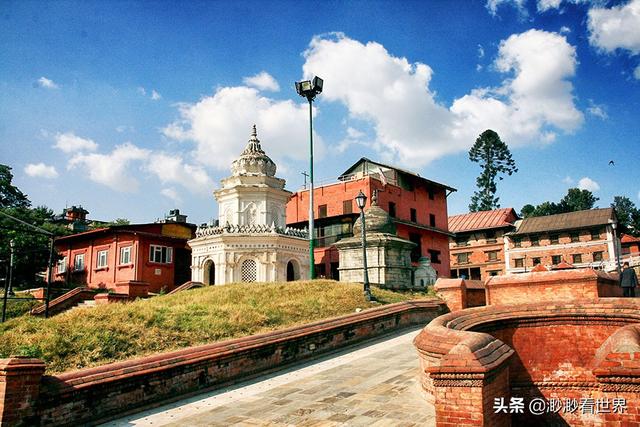
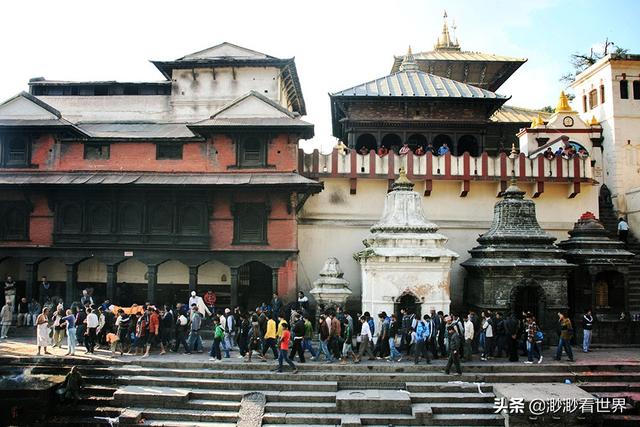
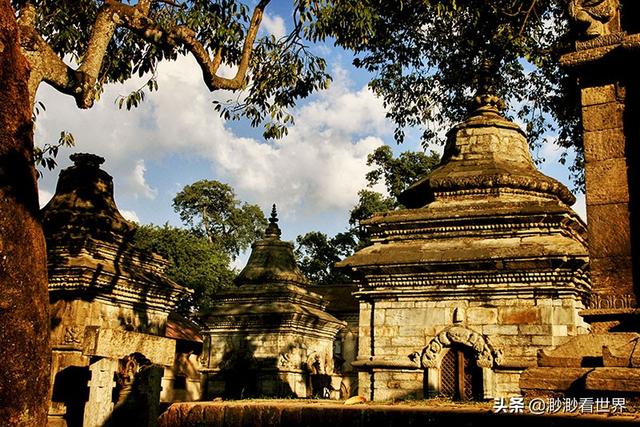
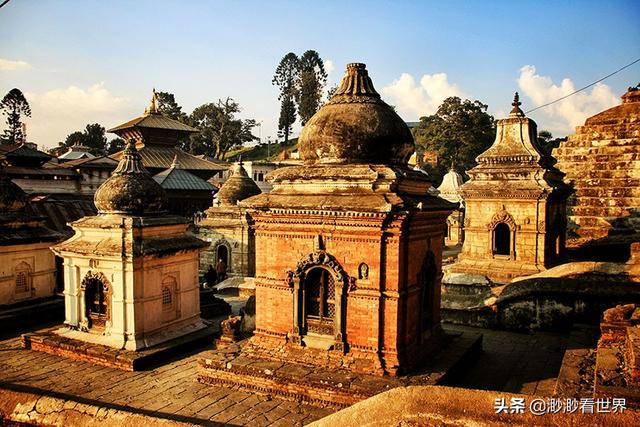
The ancient temple, with its reddish bricks, tells of a thousand-year history.
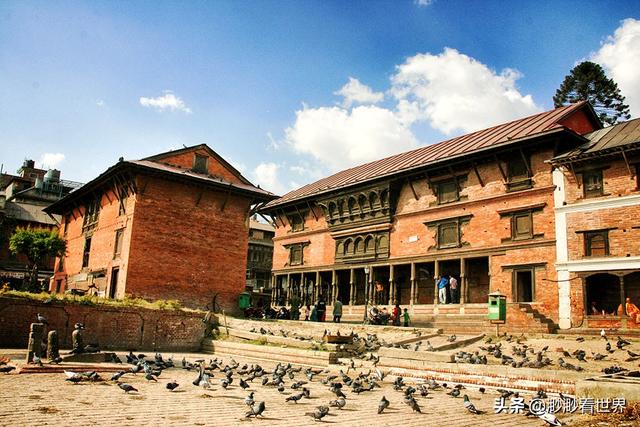
Pigeons freely forage and stroll around Pashupati Temple.
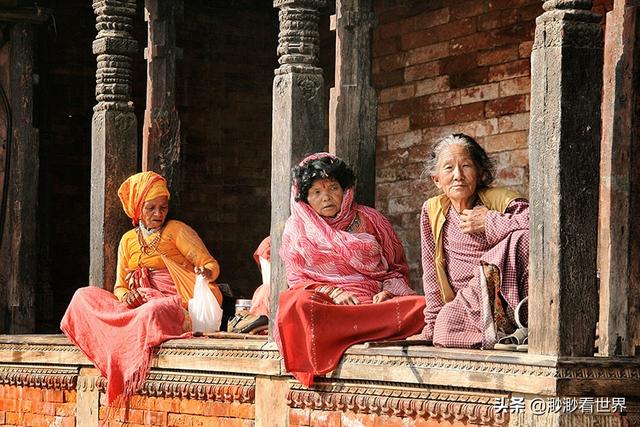
Elderly people meditate under the ancient temple roofs.
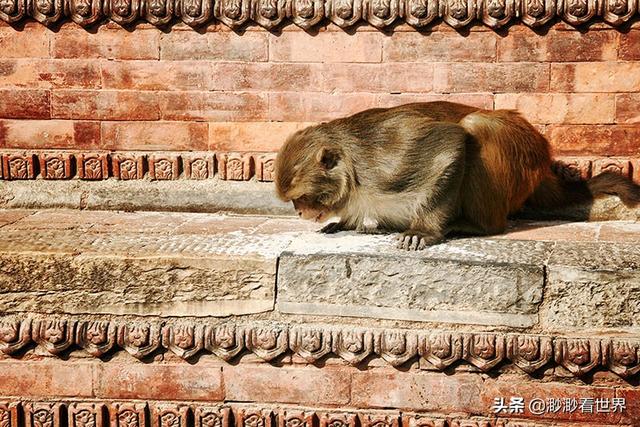
A monkey enjoys 'K-powder'.
On the way from the back hill to Pashupati Temple, I was attracted by the dusty scene. A group of children were playing football barefoot on the dusty field, unconcerned about scrapes on their feet. Nearby residents seemed uninterested in the game, simply watching from afar. Across the lawn, a large residential area stretched out, with houses of varying heights and ages. Perhaps this is what the newly liberated nation presented – a glimpse of its past.
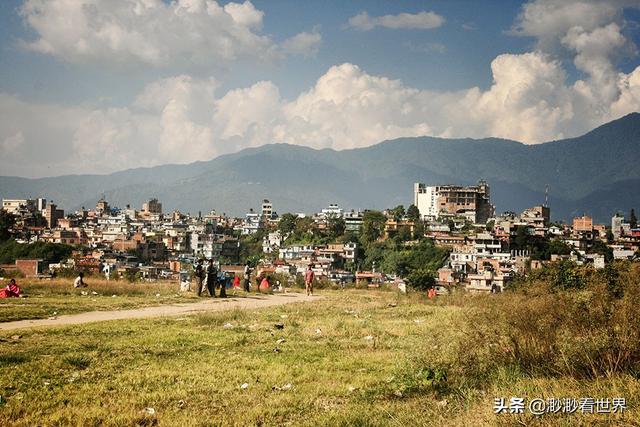
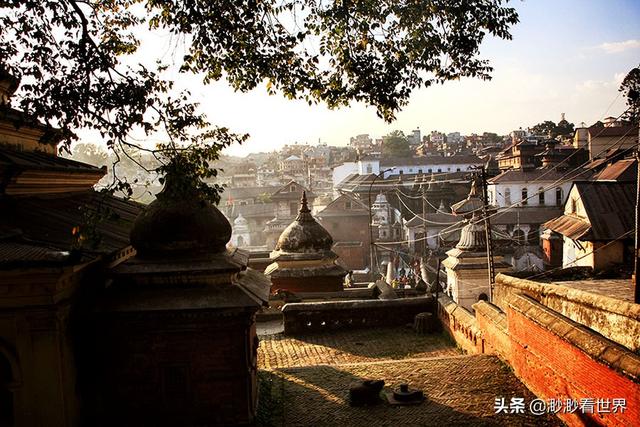
Observing the distant Kathmandu residential area with its varied heights and ages.
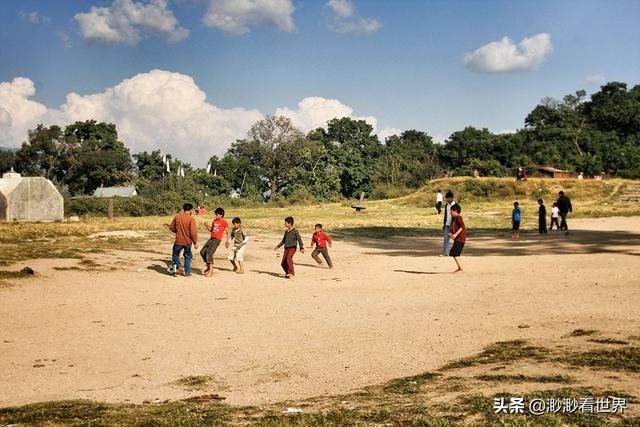
Simple conditions did not prevent the youthful passion for football in Nepal.
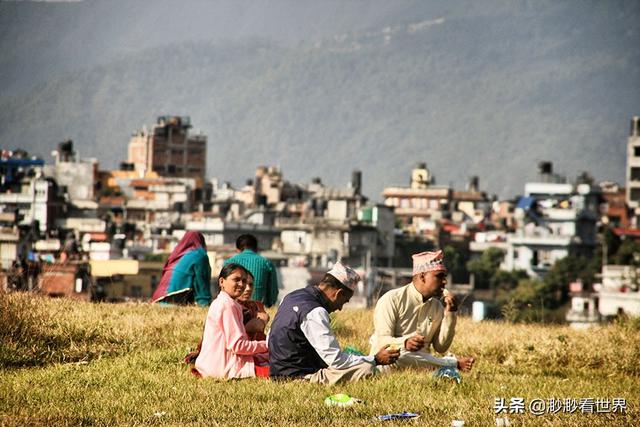
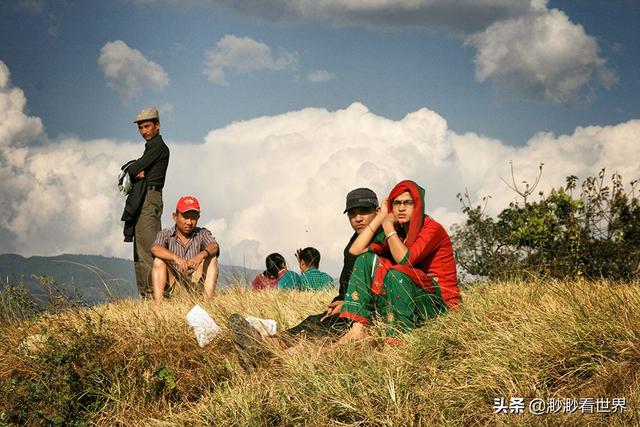
Relaxed Nepali people lounge on the lawn.
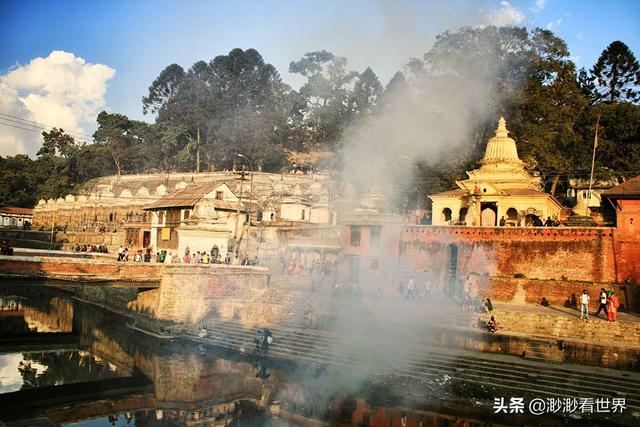
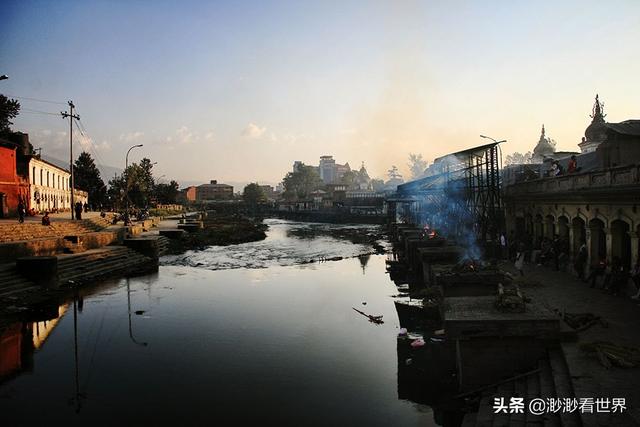
The holy Bagmati River, considered sacred by the Nepalese, flows gently in front of the temple. As soon as I arrived at the riverbank, I strongly felt a smoky atmosphere. People gathered on the riverbank, observing the ceremony – both locals and many curious tourists.
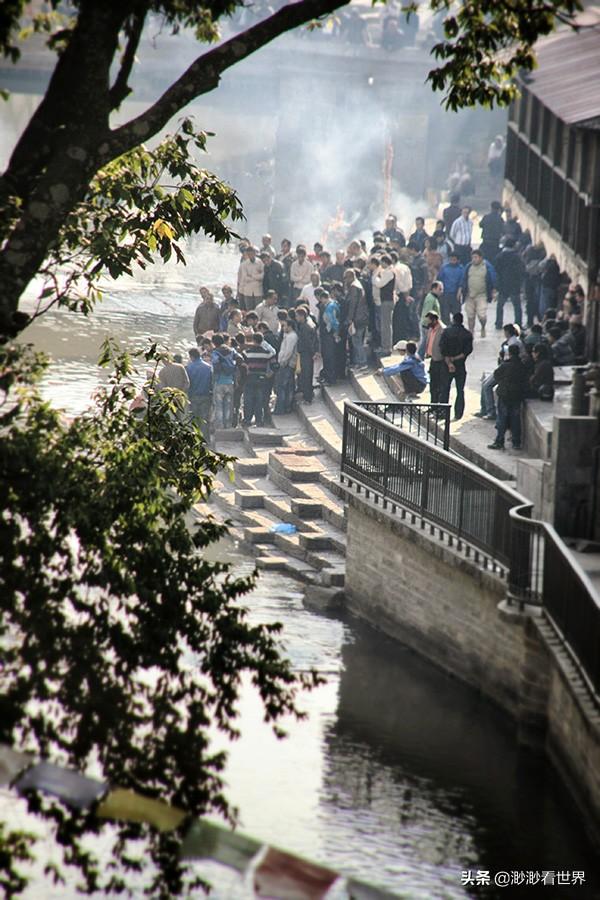
A long-distance view of Pashupati Temple shows a cycle of life ceremony in progress.
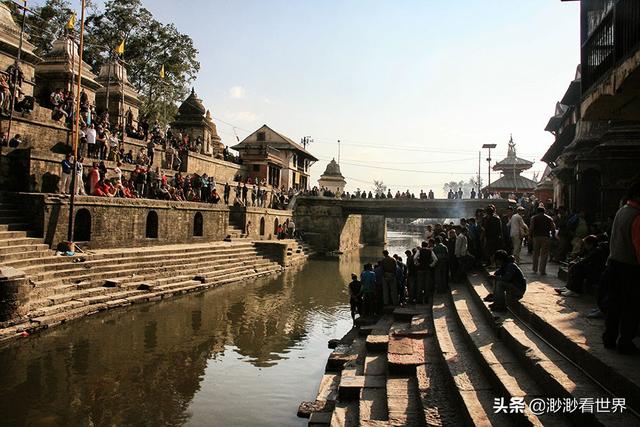
Every day, a large number of people, including foreign tourists, come to watch the ceremony.
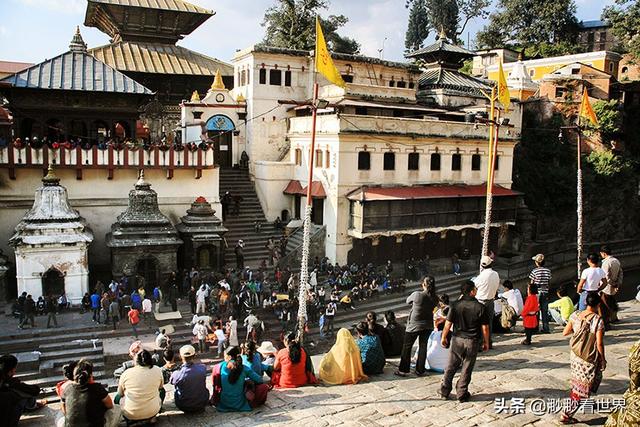
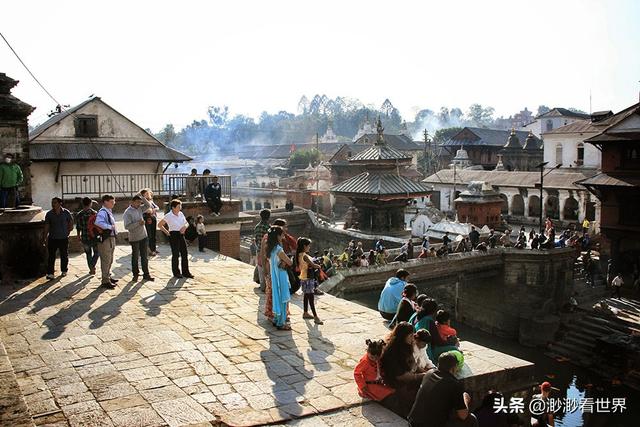
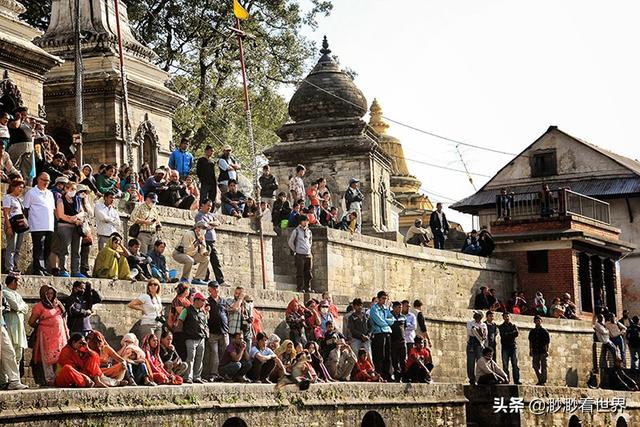
Standing across the river, I watched the ceremony taking place on the riverbank. First, the feet of the deceased are washed in the upper reaches of the holy river, followed by washing of the face and body, to cleanse the deceased and set them on the path to life. After washing, the deceased is carried to the cremation platform and circled, representing the cycle of life, before being ignited with a flame from the deceased's mouth. The riverbank's cremation platform witnesses this ceremony every day. The remains are then cast into the Bagmati River, considered holy by the Nepalese.
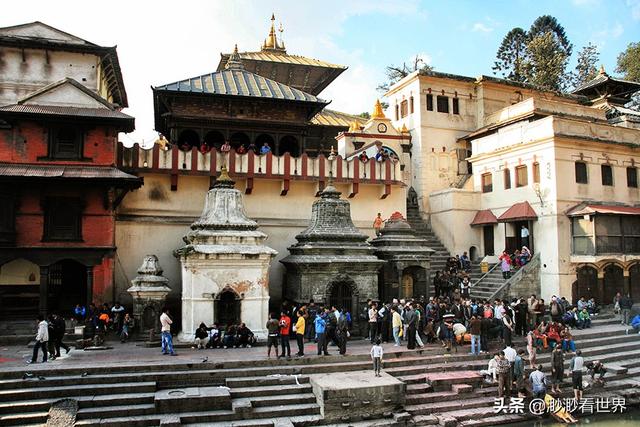
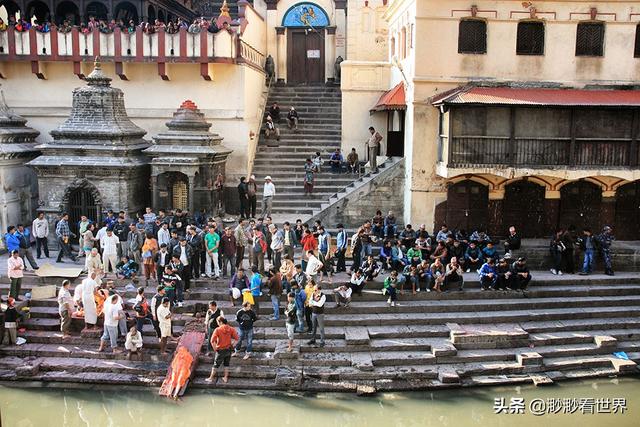
First, the deceased's feet are washed in the upper reaches of the holy river; then, the face and body are washed.
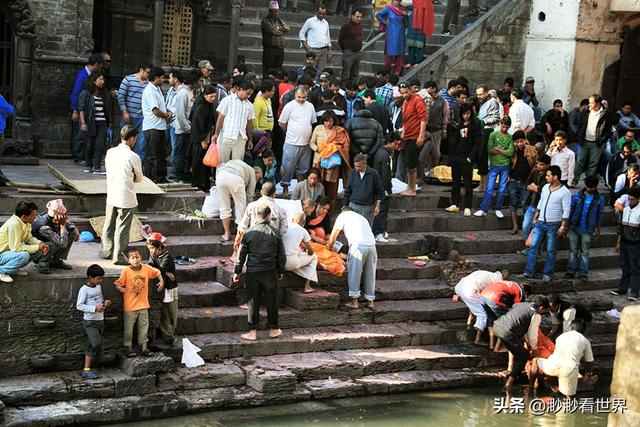
This entire ritual witnesses the end of a life and the beginning of a cycle. I was deeply moved, and I couldn't help but marvel at the Nepalese respect and gratitude for life. In their view, life is the best gift from God, and when it ends, it should be quietly prayed for, seeking a better existence. Before passing away, many have donated their corneas.
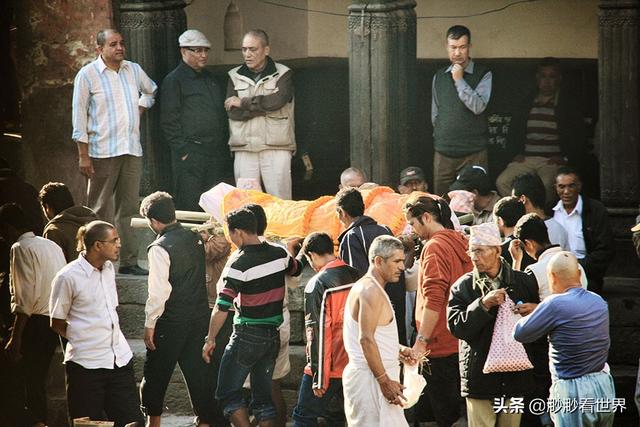
After washing, the deceased is carried to the cremation platform.
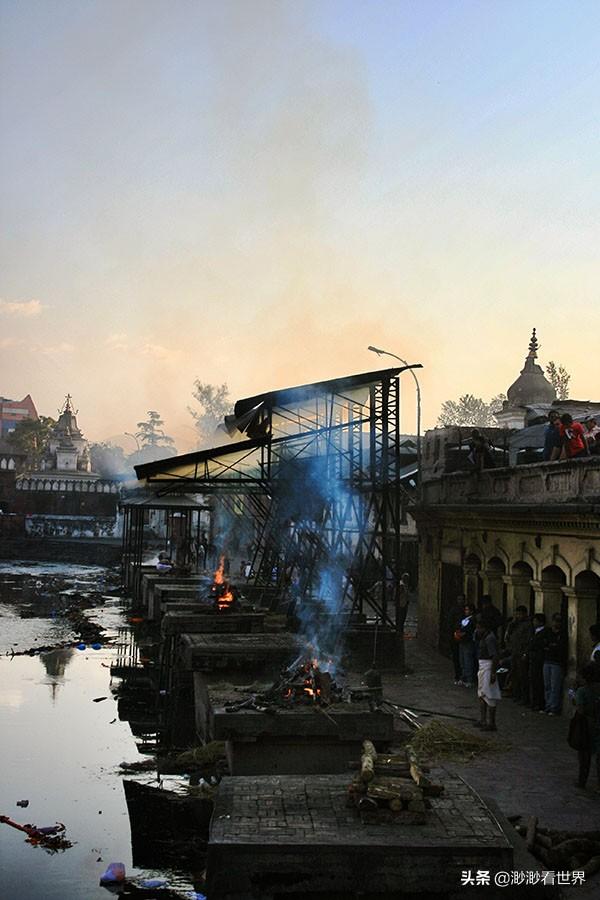
During the cremation ceremony, there is no crying or lamenting. The Bagmati River, without tears or sorrow, appears so peaceful. The Nepalese have long considered death an inevitable part of life, not an end, but a new beginning. Furthermore, the deceased often donate their corneas. The Nepalese believe that every soul has eight million four hundred thousand lifetimes, and with each cycle of reincarnation, one ascends a level. Therefore, death is not a sad thing.
The holy Bagmati River carries the faith and spiritual aspirations of the Nepalese.
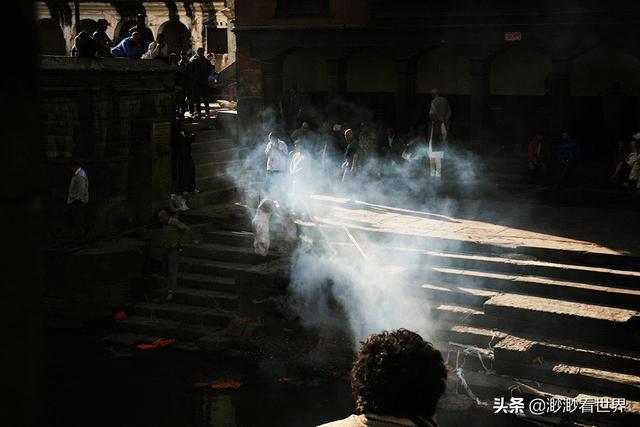
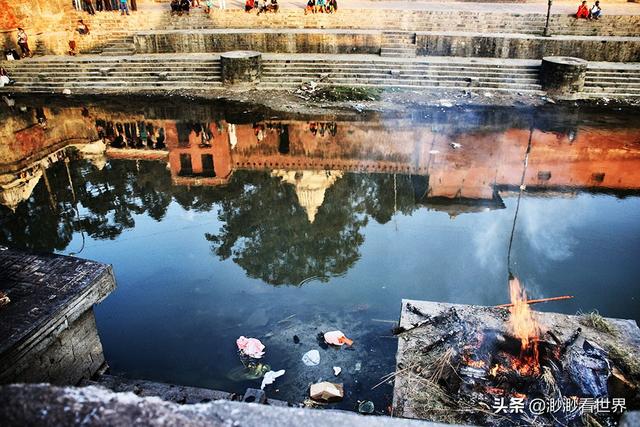
In the minds of the Nepalese, life and death are separated only by a river; on one side of the river is the cremation platform symbolizing destruction and death, while the other side represents life. On the last day of Women's Day, women come here to bathe and pay homage to the destructive god, Shiva, washing away their souls.
Many of the Baba (also known as ascetics) living on the other side of the river come from India, often from poor families, and among them are wealthy and powerful people. Before becoming ascetics, they squandered their fortunes and made solemn vows to die, and they would wait for 'business' to come to them every day, dressed in makeup and sitting in their designated spots. Many tourists wanted to take photos with them, and it required a certain fee. Some ascetics even had their own agents.
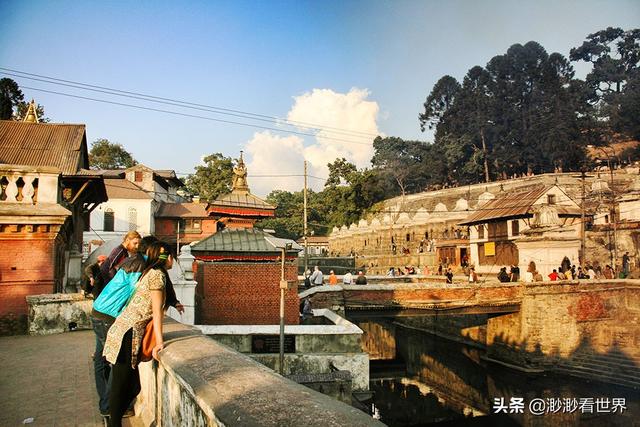
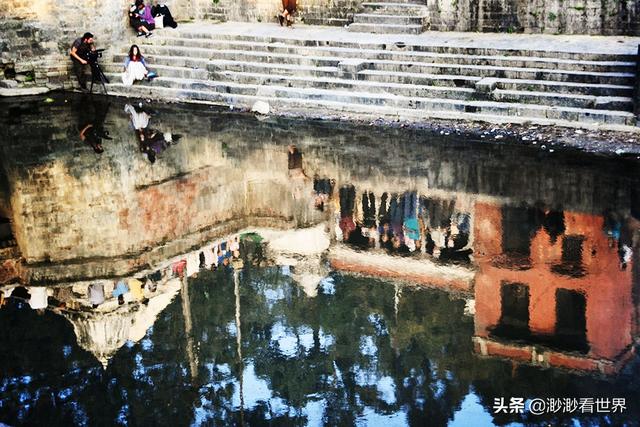
On the other side of the river is a new world.
The ascetics were chatting with locals.
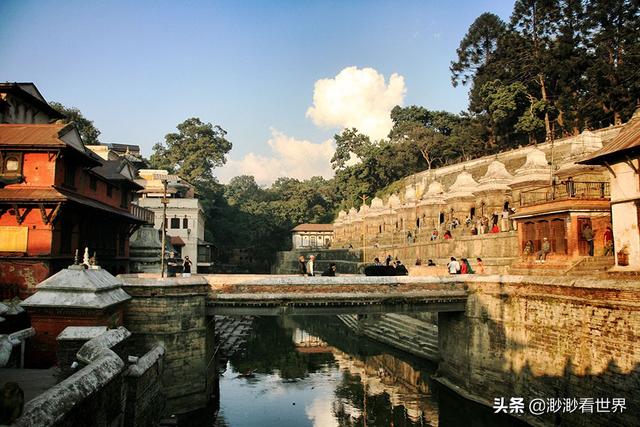
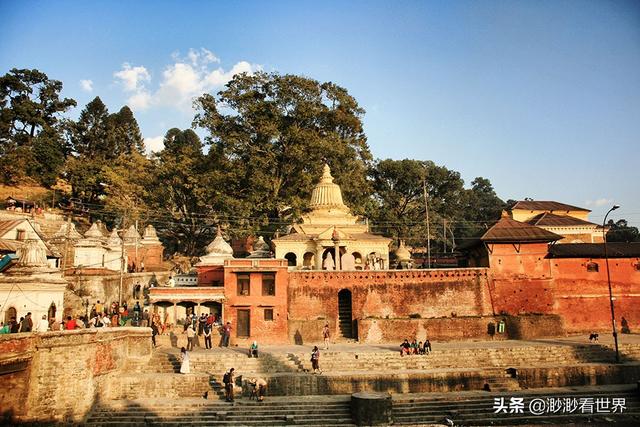
Today, the ascetic culture has evolved into a commercial culture. In reality, they have only a bowl, and nothing else. They earn money and hand it over to the temple. Before they become ascetics, they must undergo years or even longer of asceticism and endure hardship before beginning their asceticism and truly becoming ascetics. They seek to escape the world and pursue a higher spiritual state. Life and death are naturally gathered at a peaceful river.
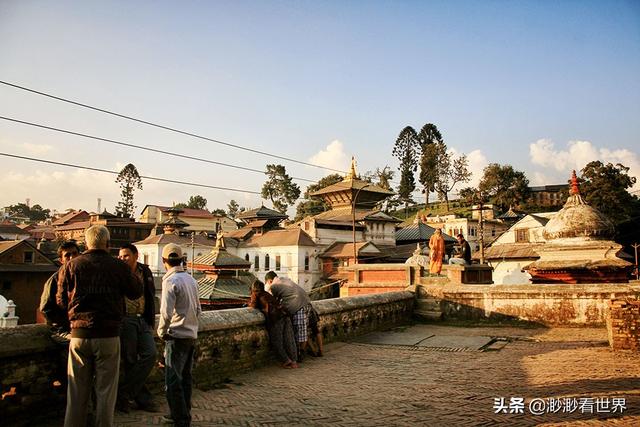
Under the ancient trees in the setting sun, the temple tells of a long-standing history.
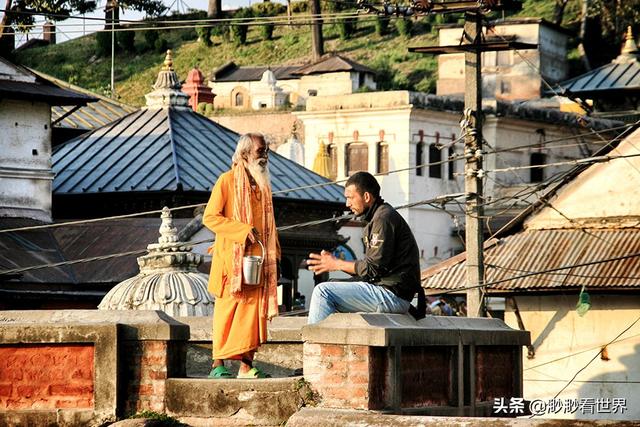
As the sun sets, standing at the temple in front of the riverbank, the shadows of the ancient trees reflected on the stone road. It seemed like I was still immersed in what just happened. May the deceased rest in peace, and may the living be so. Time at the riverbank has stopped for the departed, but for me, time seems to have stood still, as if I had aged.
After learning about these customs of Nepal, I couldn't help but marvel at the mystery of this ancient kingdom. Perhaps these special customs are what shaped the optimistic and cheerful attitudes of the locals and what we are instinctively looking for – 'happiness.' And here, in this way, it does exist and is within our sight.
“”