Yala, Sri Lanka: A World of Freedom and Wildlife
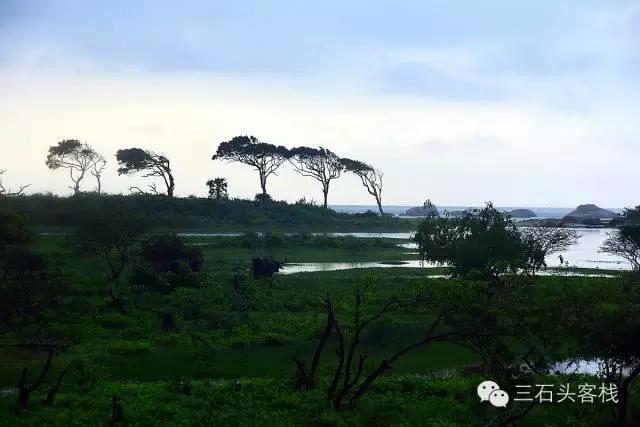
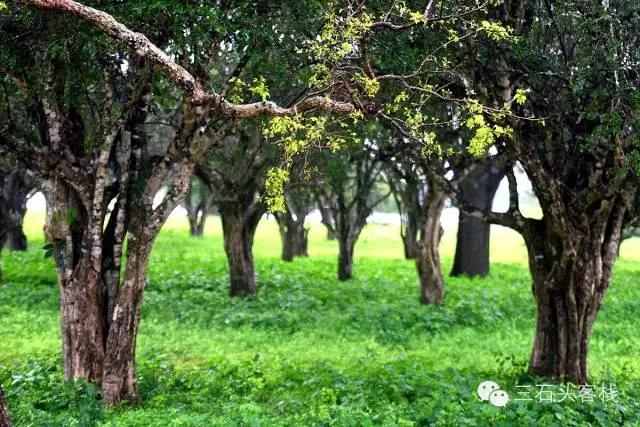
The car bounced violently as it entered the dirt road from the paved road, and Kevin said we were already at the border of the Yala National Park. One tree after another, forests stretched endlessly, interspersed with occasional riverbank wetlands, and a little to the left was the vast Indian Ocean.
It was almost dusk, and the sunlight peeked out occasionally, creating a joyful spectacle, but quickly disappeared in the cloud layer. The sky showed a gentle rose color, and the weather here was difficult to predict, I was a little worried about tomorrow's weather, so that it wouldn't rain and disrupt our plans.
Yala National Park was established in 1938 and is the largest natural reserve in Sri Lanka, covering an area of 1259 square kilometers, which is one-fifth of Sri Lanka's total land area. The park is divided into five zones, and only two are open to the public, while the other three zones are in their original state and are not allowed to be entered. The park's terrain is diverse, including primary forests, grasslands, beaches, rivers, lakes, swamps, and wastelands. This rich and varied ecosystem has created Yala, a paradise for wildlife. Besides the common elephants, crocodiles, buffalos, peacocks, lizards, and various birds, the leopards, bears, and black bears in the park are always the targets of people's pursuit.
We chose to go early to see the animals, saying it was the time when everything would wake up and various animals would come out to wander. We didn't choose that way, because the winding and rugged roads of Sri Lanka couldn't judge the time spent on the road, and it was easy to delay for an hour or two. So, when we started from one place in the morning, we basically couldn't reach the destination before noon.
To enter the park as early as possible, we set off before midnight, but when we arrived at the scenic spot, we found that there were already several off-road vehicles waiting for us.
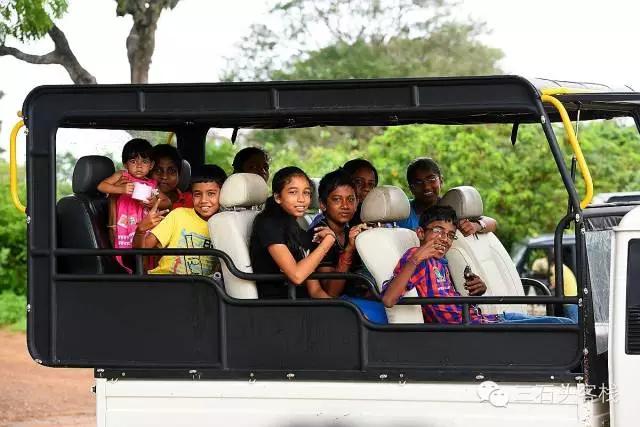
The off-road vehicles here are all vintage, and the driver said that our car was from the 1970s, but it looked quite sturdy overall. When we drove, we gave it a foot to make it rumble. Off-road vehicles have been specially modified, with the rear50360
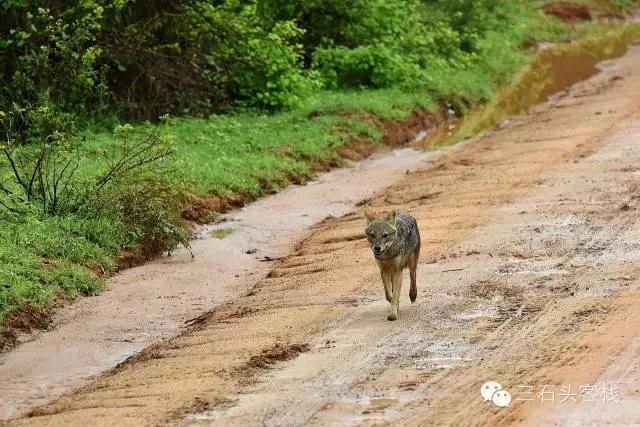
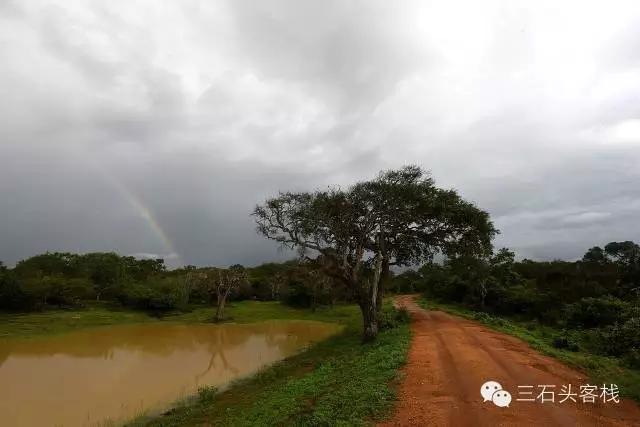
The sky was gloomy, and it seemed that there was no sign of clearing. The night before, there was a heavy rain with lightning and thunder, and now it had stopped, but the red earth roads in many sections of the park were full of potholes and water. Fortunately, it was an off-road vehicle, which could roam freely. However, some sections were too narrow, and there were animals to be seen, so there were occasional brief traffic jams, because drivers were always running around here, skillfully driving the steering wheel, forward and backward, left and right, seemingly several vehicles crowded together, soon each found their own way out.
It is precisely this unadorned red earth road that is both appropriate and exciting, with the lush trees on both sides extending into the unknown, sometimes the dense forests interlaced overhead, and driving through it, the scene is just like the scene in a movie. The branches of shrubs on the roadside would hit the off-road vehicle, and accidentally scratched your body, causing a dramatic exclamation.
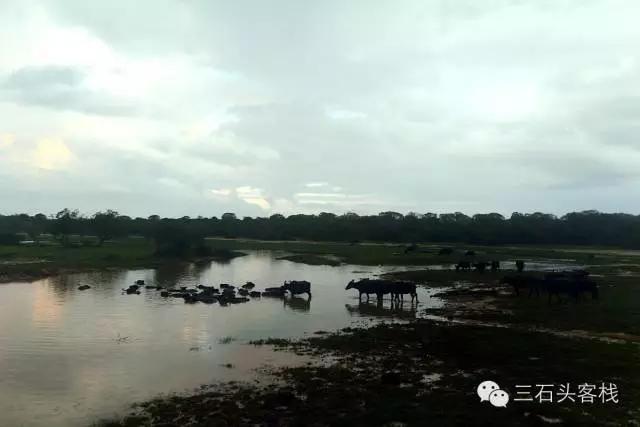
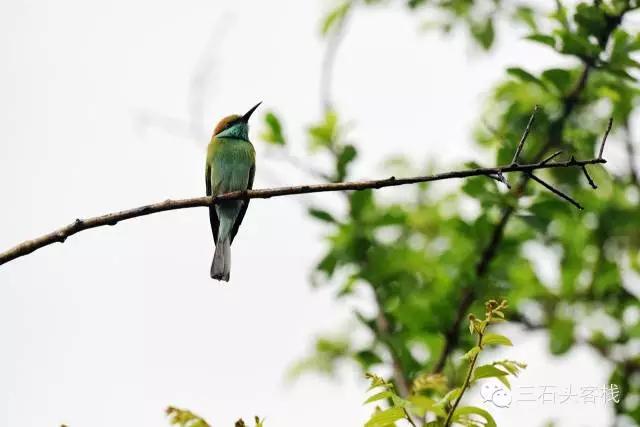
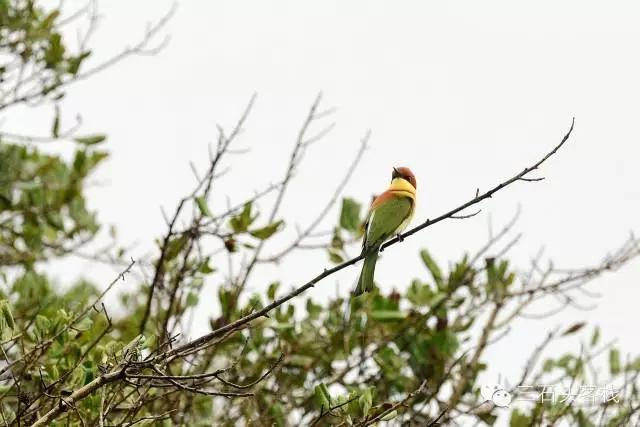
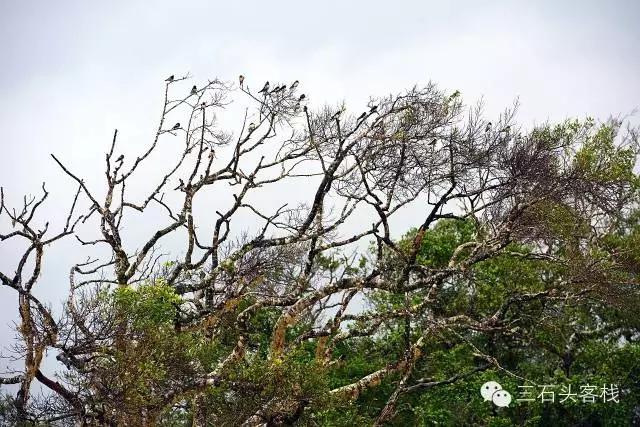
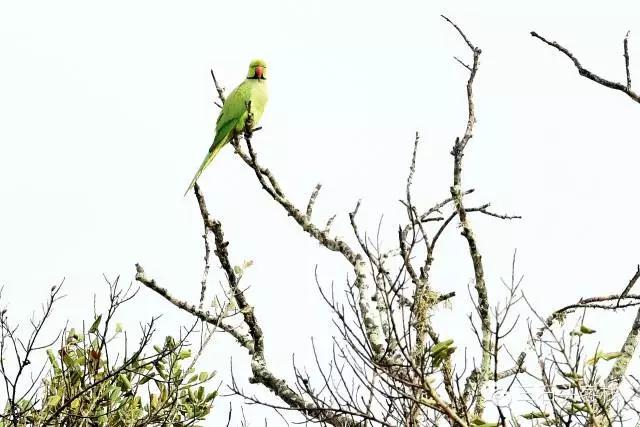
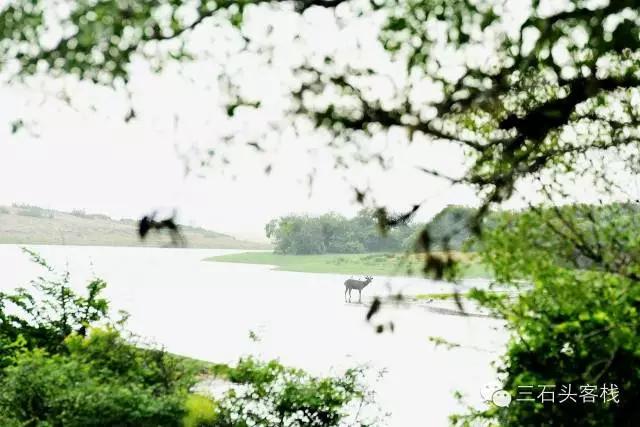
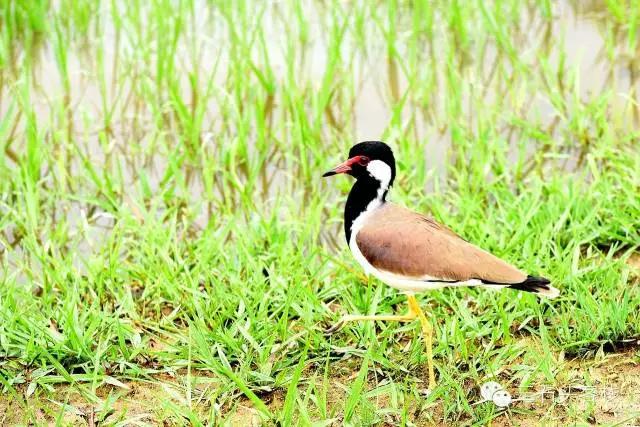
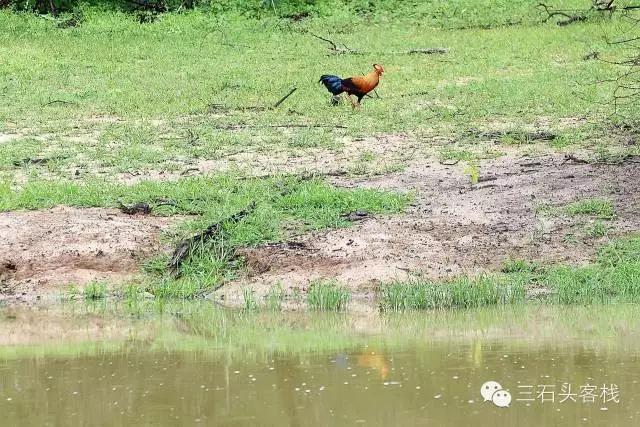
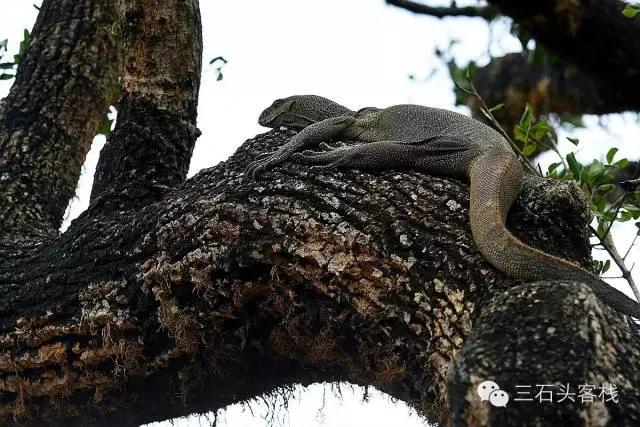
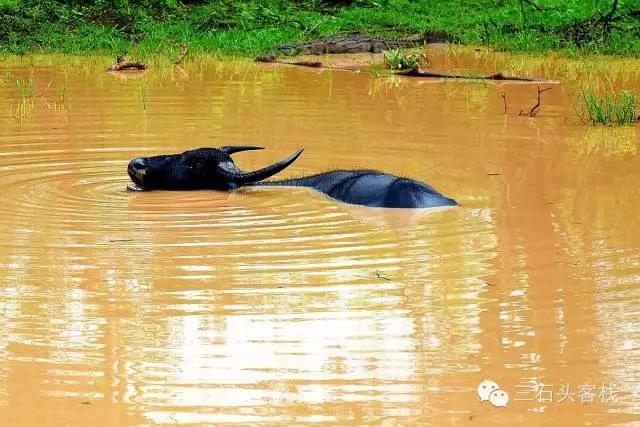
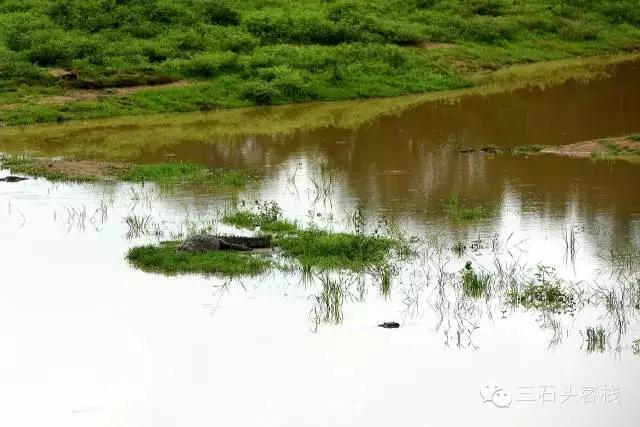
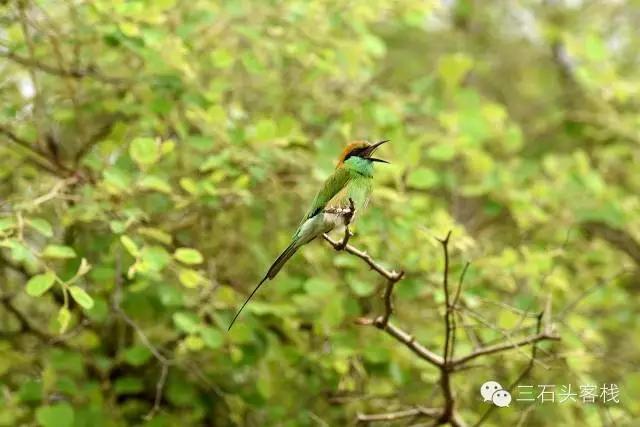
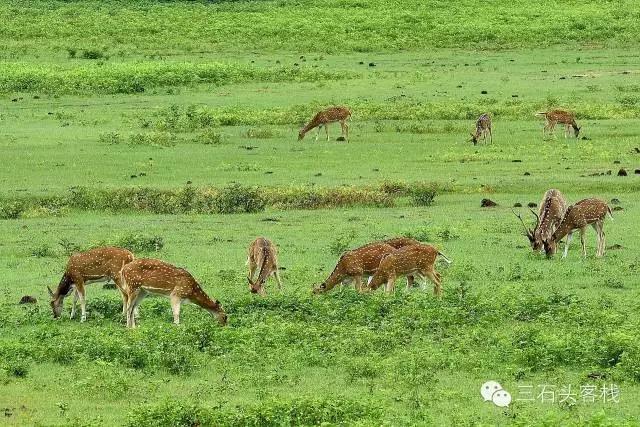
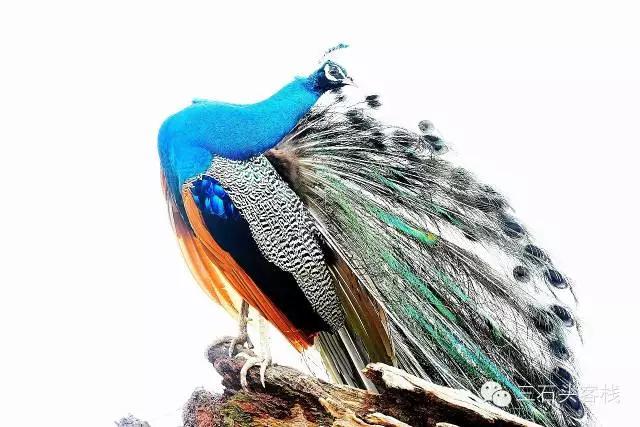
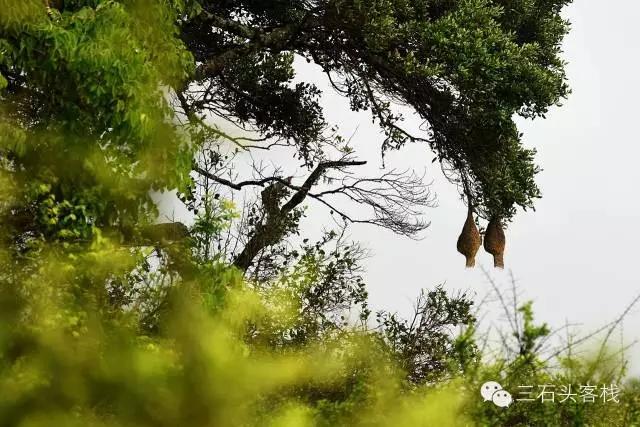
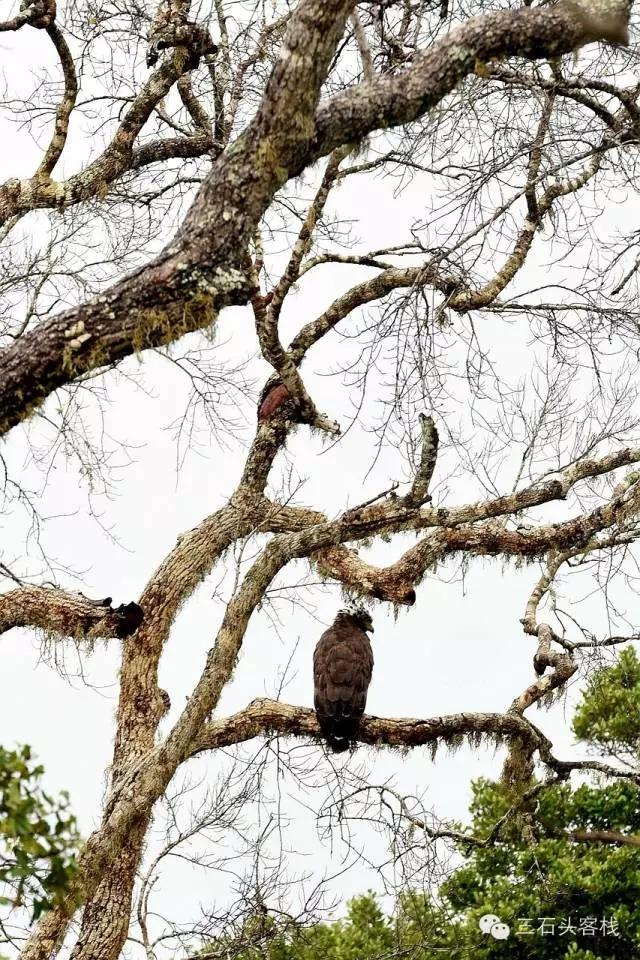
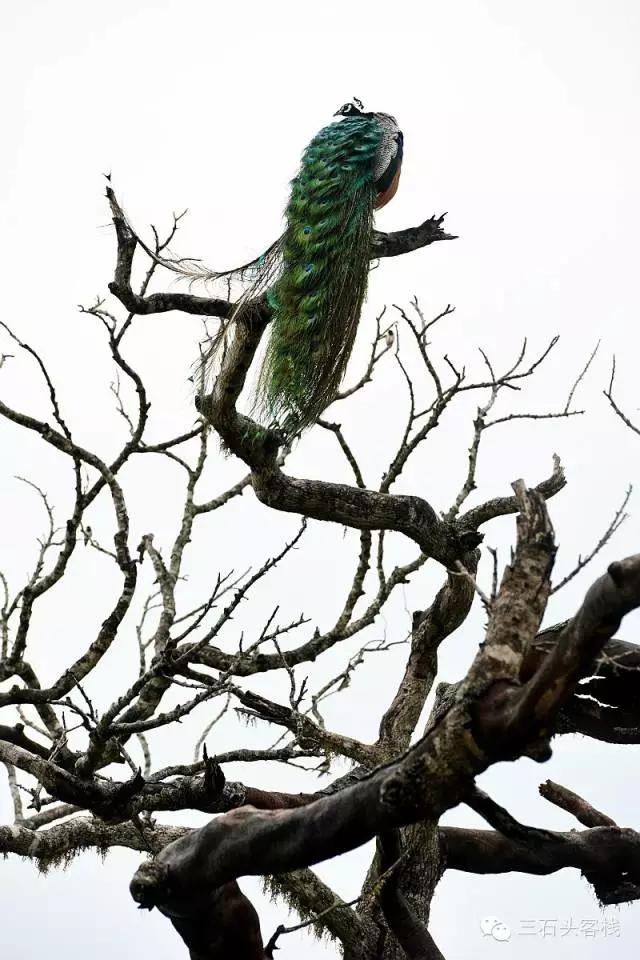
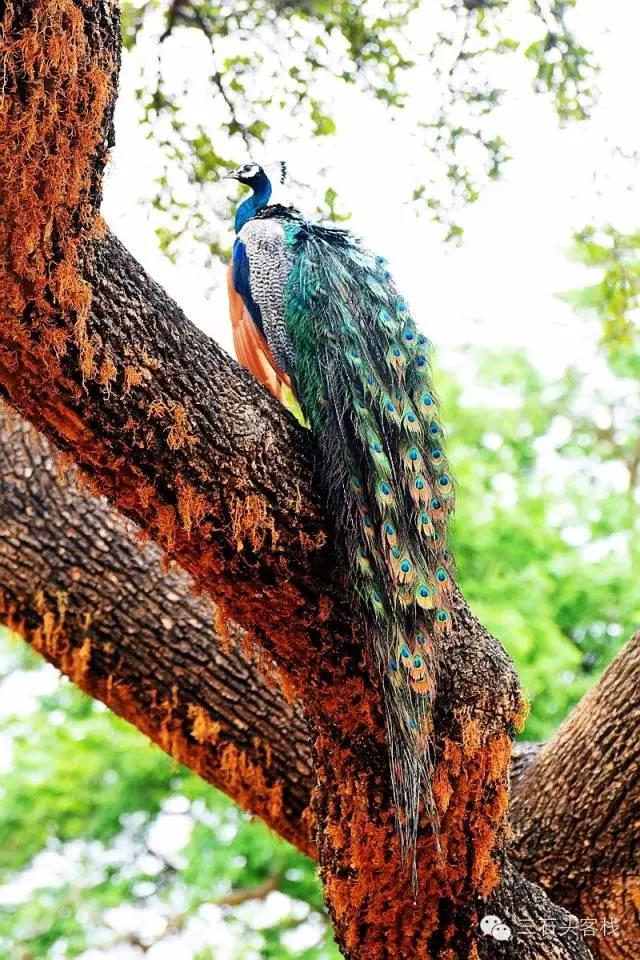
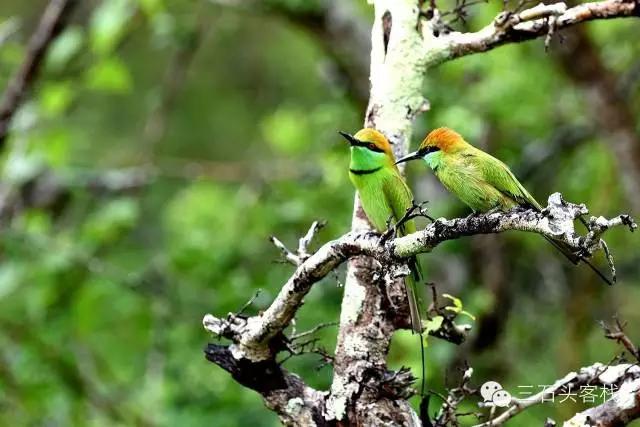
The driver's experience and dedication are worthy of praise. His dark eyes shone with wisdom, and while he drove the car quickly, he could accurately find the shadows of various animals. The birds from India, the crocodiles on the pond, the lazy buffaloes basking in the water, the deer looking at the shore, the lizards dreaming on the trees, the wolves walking along the road, the agile Sri Lankan chickens, the passing armored bears, just a glimpse of the owl, the scattered peacocks, the singing small bluebirds, the blue peacocks showing various states of beauty, and many unnamed birds were unforgettable.
'Traveling through the jungles and wildlands of Yala is like being in the live scene of the Discovery Wildlife Documentary.' Someone said online. Isn't it? Many unexpected surprises will never repeat.
However, where is the flower leopard? Elephants aren't rare, and I don't pay attention to the black bear. But I said I came to chase the flower leopard. Kevin said that she had come to Yala seven times before, and she had seen three times, twice of which she had only seen a fleeting tail. The guides said that the probability of seeing it was very high, which was completely unreliable. Perhaps this is another chance for me to come again.
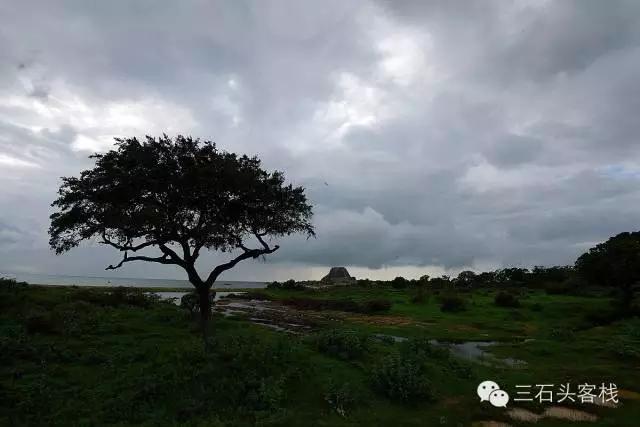
Of course, the park also has beautiful scenery, and the scenery can be opened after the rain and show a rainbow. Along the way, we stopped by the Ayala River to rest, with ancient trees and at least hundreds of years old. The beach was clean and soft, and it felt good to step on it. In the distance, the curved corner of the beach had a large rock in the shape of a volcano, which was a beautiful painting in itself.
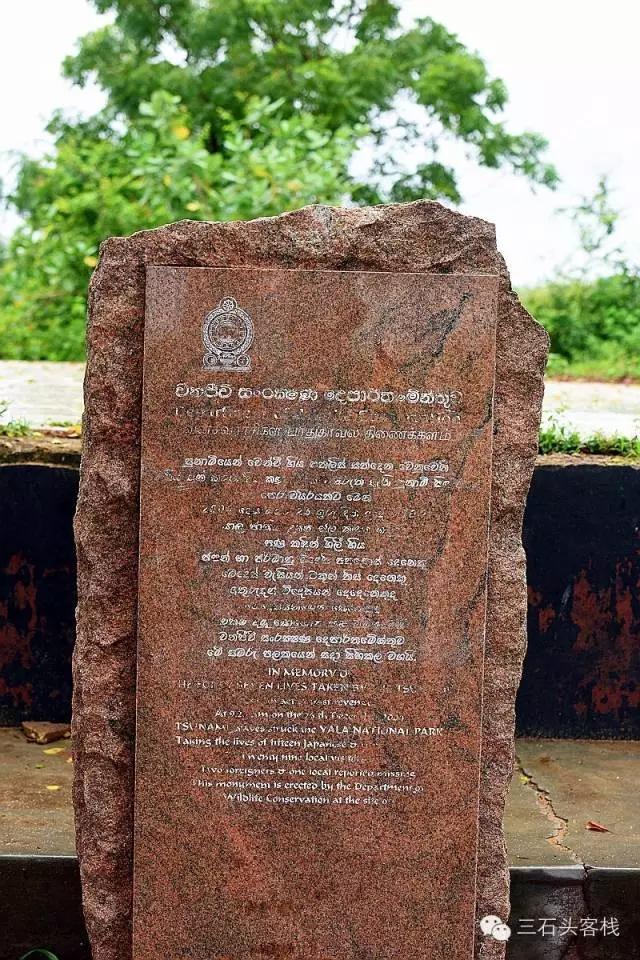
Here, there is also a monument commemorating the 2004 Indian Ocean tsunami. It was engraved with the names of those who had perished. 'The tsunami flooded 3.5 square kilometers of Yala National Park, most of the park's infrastructure was destroyed, and 250 people, including staff, tourists, and nearby residents, were killed.' Kevin said, 'Surprisingly, the tsunami caused little damage to the animals in Yala, and they didn't see any animal carcasses after the disaster. The animals had escaped in time.' The animals' super 'sixth sense' perception of disasters was once again confirmed.