The only city in Anhui with a World Heritage Site, renamed for development, with numerous well-known attractions.
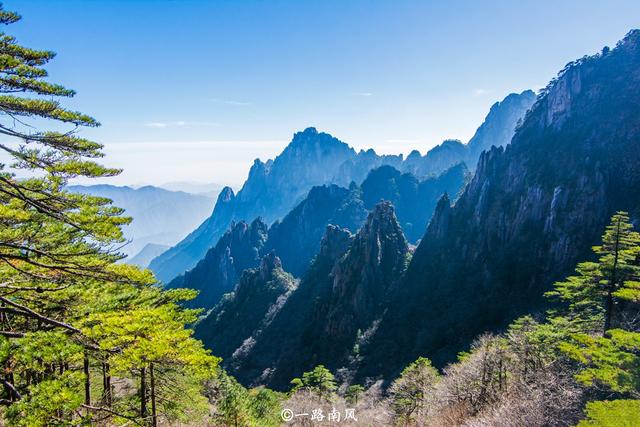
Which city in Anhui is the most popular for tourism?
Not the current capital, Hefei, nor the former capital, Anqing City, but rather, Huangshan City.
Huangshan boasts countless scenic areas, with over a dozen well-known ones, and two UNESCO World Heritage sites, representing a comprehensive coverage as the only two UNESCO World Heritage sites for the entire Anhui Province.
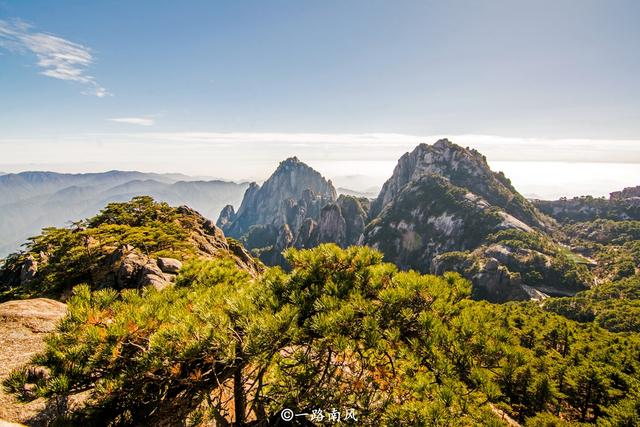
Huangshan's two UNESCO World Heritage sites areNanping Ancient Villages – Xidi and HongcunandHuangshanHuangshan is a cultural and natural heritage site.
Huangshan was originally called Hugizhou; it was abolished in 1987, and renamed Huangshan City. Because of the renaming, many tourists often confuse Huangshan with Huangshan City, and further confused by Huangshan's Hui Province district, reiterating its association with the past Hugizhou Prefecture and Region.
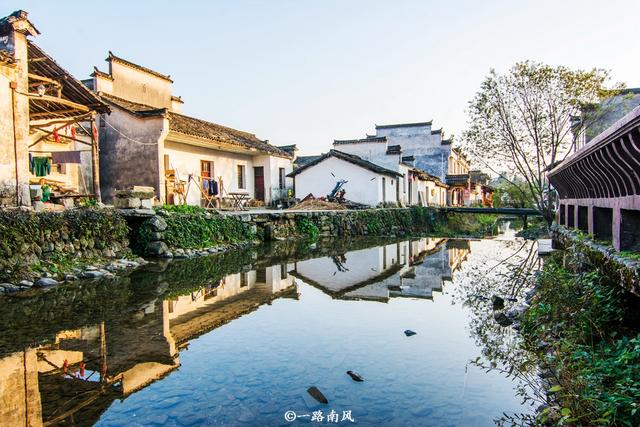
Hugizhou was once the most representative prefecture of Anhui; merchants and scholars who came from here for a long time influenced China's economic landscape and culture, and Hugizhou merchants brought the architectural art of their hometowns to all over the country, especially in the Jiangnan region, where you can still see many Hui style dwellings in Nanjing, Yangzhou, Suzhou, Hangzhou, and Jiaxing,
The renaming of Hugizhou to Huangshan is subject to debate, but it does not diminish its beauty. It is precisely because of the renaming that the city's international recognition has risen to a new level.
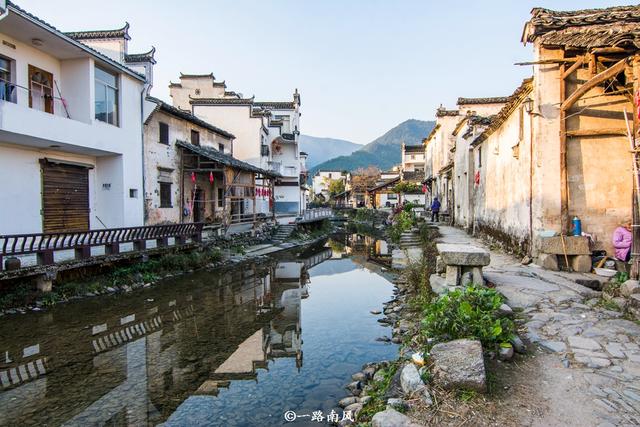
In addition to Huangshan Scenic Area and the ancient villages of Xidi and Hongcun, Huangshan City has many beautiful corners, one of which is located in Yixian, less than two kilometers from Hongcun.
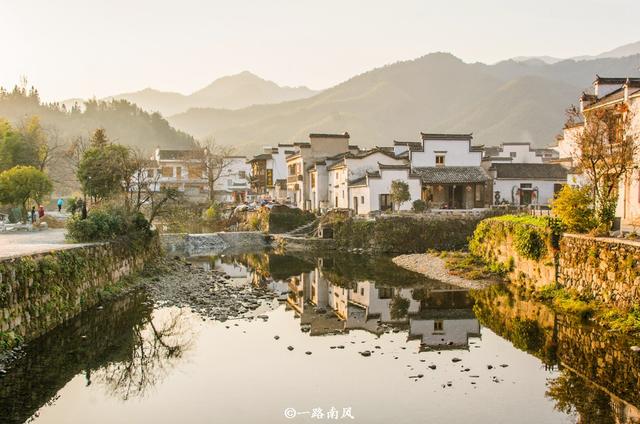
That's Lu Village.
Lu Village was built in the late Southern Tang Dynasty, and has a history of over a thousand years. Although it is close to Hongcun, tourists are relatively scarce. It's like a young girl who hasn't yet gone through the engagement ceremony, and only those with a heart will come to visit it specifically.
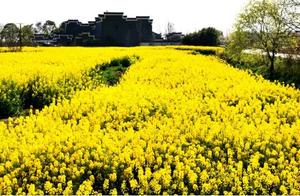
Lu Village is situated beside the mountains and water, with many Hui style dwellings distributed within the mountains and rivers, forests, and landscapes, creating a beautiful landscape painting, especially at dusk, when the scenery is the most beautiful.
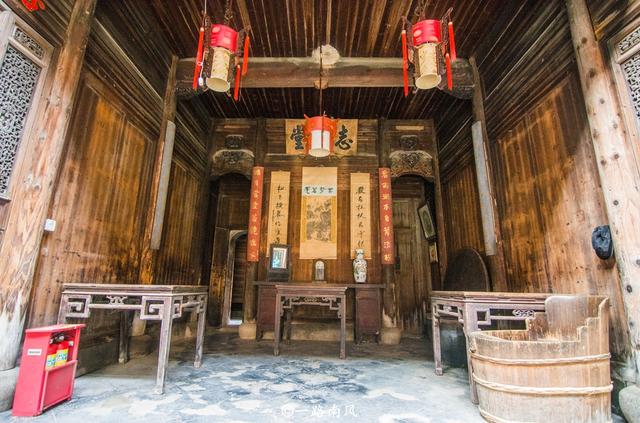
The ancient Hui dwellings in Lu Village were built during the Ming and Qing dynasties, the most representative of which is the wooden carving building, many people even call Lu Village 'Wooden Carving Village'.
Wooden Carvings are comprised of the ZhiCheng Hall, SiJi Hall, and SiCheng Hall, the carvings are regarded as the top representative of Hugizhou wooden carvings, its content is rich, its decoration is exquisite, and the details are complex and layered, often visited by scholars, photographers, and cultural enthusiasts.
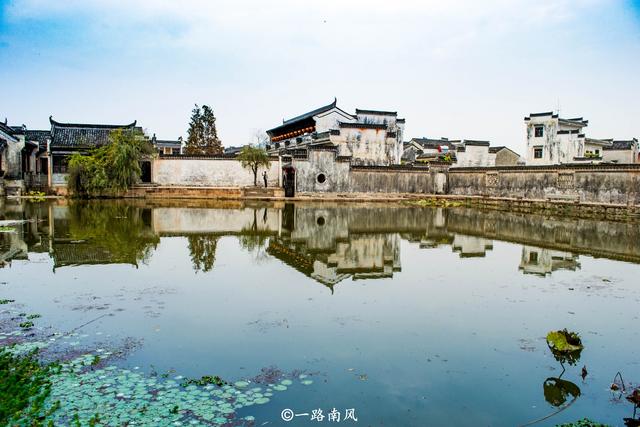
Chengkan is Huangshan's other distinctive ancient village, located in the northern part of Hugizhou, and was founded during the Three Kingdoms period. This ancient village is also situated beside the mountains and water, with 21 national-level key historical protection sites.
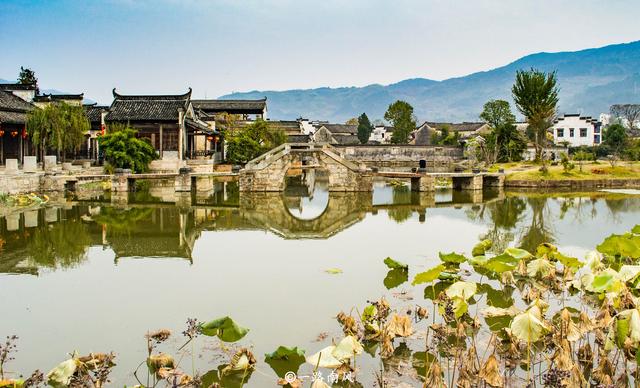
Chengkan is one of Huangshan's ancient villages that is closest to the styles of ancient villages in Zhejiang and Jiangsu provinces.
If you compare Hongcun to a secluded Confucian scholar, then Chengkan is like a beautiful young lady with an elegant demeanor.
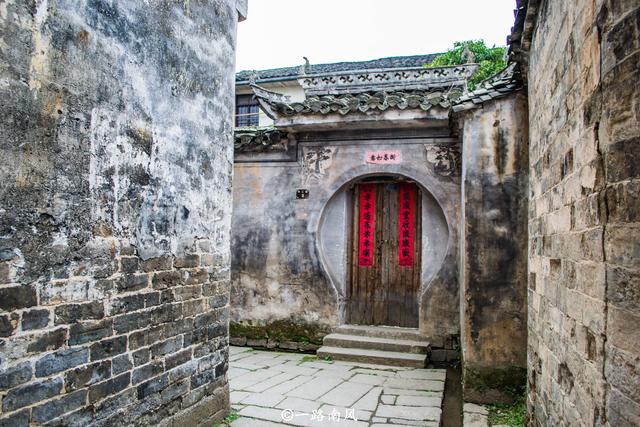
The old walls are mottled, the alleys are quaint, and over one hundred Ming and Qing Dynasty buildings take tourists back to the ancient times.