Self-Driving in Morocco Part 2: Discovering a Different Africa
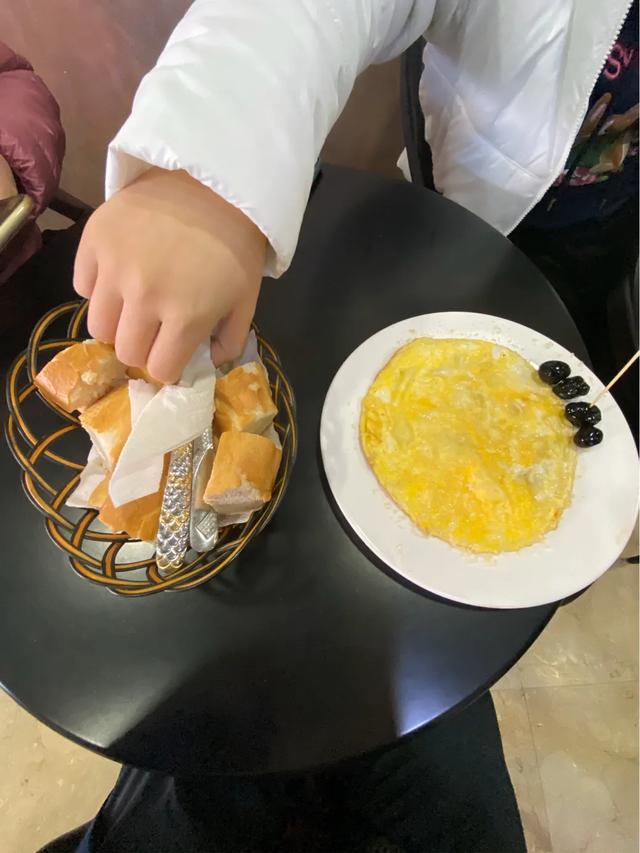
Morocco operates on a time zone, eight hours ahead of Beijing. We arrived late at night on the first day, the hostel owner was extremely friendly and waited for us to check in. After ten hours of flying, we slept soundly and woke up at midnight, only to find that Morocco had switched to daylight saving time, resulting in a time difference of seven hours with Beijing. We wanted to go and have a cup of the legendary sweet mint tea, but realized we hadn't exchanged money. At 8:30 PM, there were a few scattered people on the street, and a car collided with a motorcycle. It's clear they drive very aggressively. After struggling to find an exchange shop, we exchanged 200 euros. Coffee shops usually have breakfast, but the menus were only in French and Arabic, thus beginning the picture-guessing mode.
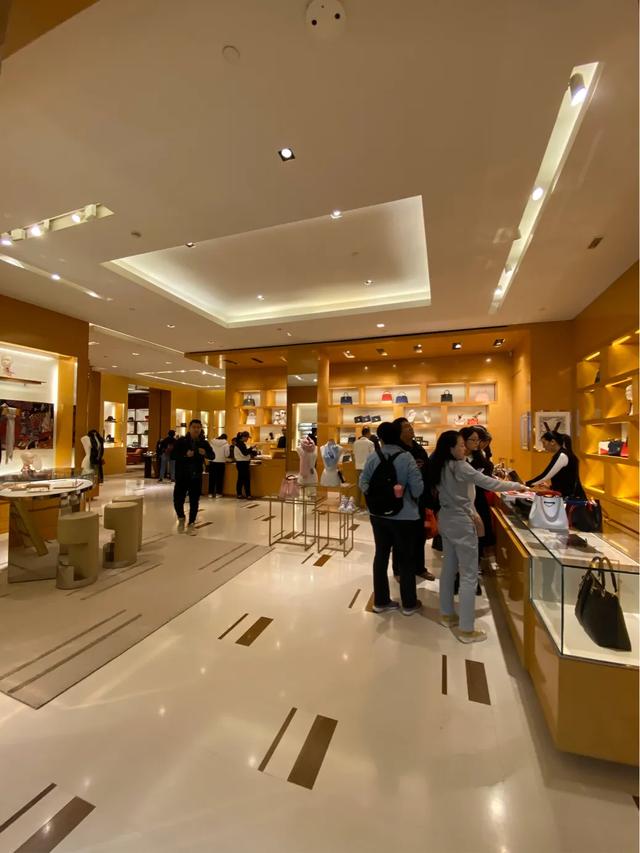
Casablanca is the largest city in Morocco and a common transit point, but it's often just a final stop. After finishing breakfast, we set off for the next city, Souira. We passed by the largest shopping center in Morocco, also a favorite destination for Chinese people, featuring the largest LV store in Morocco. Due to Morocco's tax refund rate of 13%, the prices could be as much as 70% cheaper than domestic prices. The Dior store even had Chinese shop assistants, reflecting the purchasing power of Chinese people.
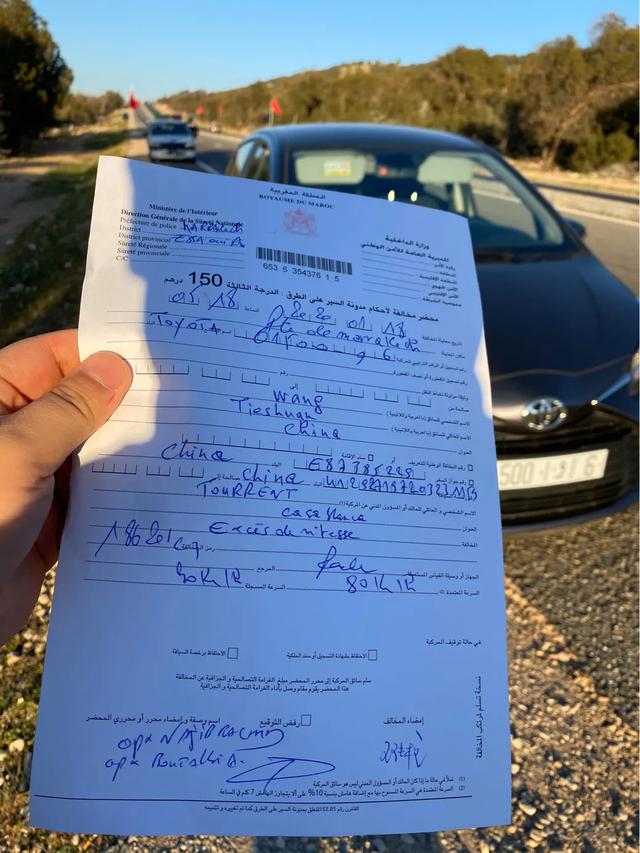
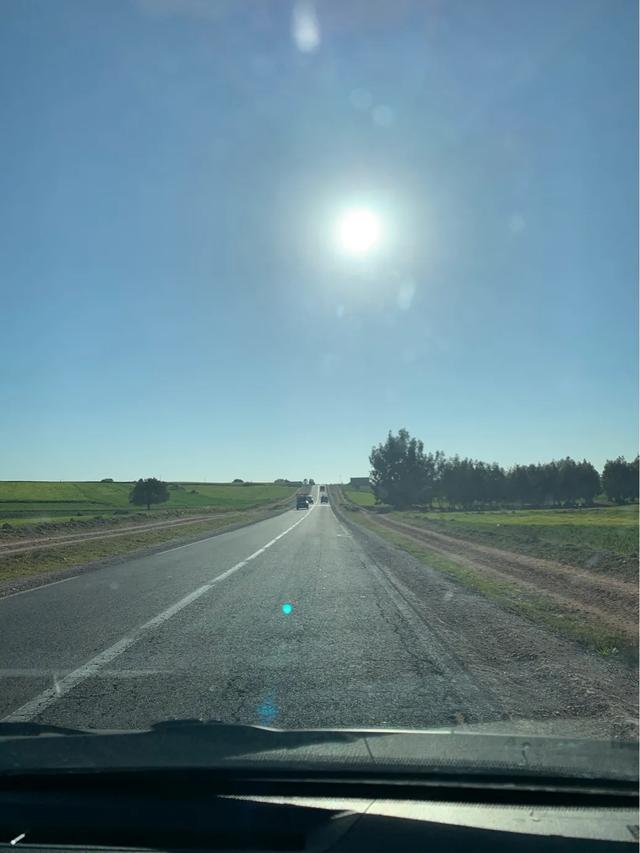
Casablanca, along the coast south, leads to Souira. It's a coastal city that doesn't have train stations, and many people who visit Morocco choose to skip it because it's time-consuming to travel back and forth. Even on the highway, the road surface isn't as good as domestic roads, and the cars are driving very fast, mostly one-lane. So self-driving drivers must be very cautious. When we were approaching Souira town, the police checked for speeding, and we were fined for not communicating well, and everyone was let go with a fine of 150 euros. It seems like they deliberately set up a checkpoint on the downhill.
Moroccan cities all have medinas, which means old towns, with winding alleys and all vehicles parked outside the town. It's similar to domestic tourist towns, with small stalls lining both sides of the alleys, unchanged for centuries.
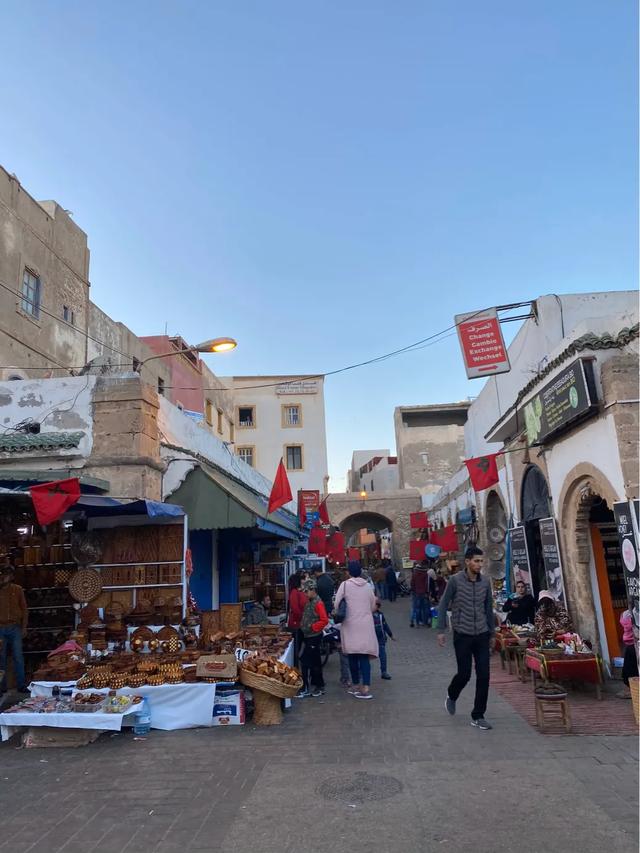
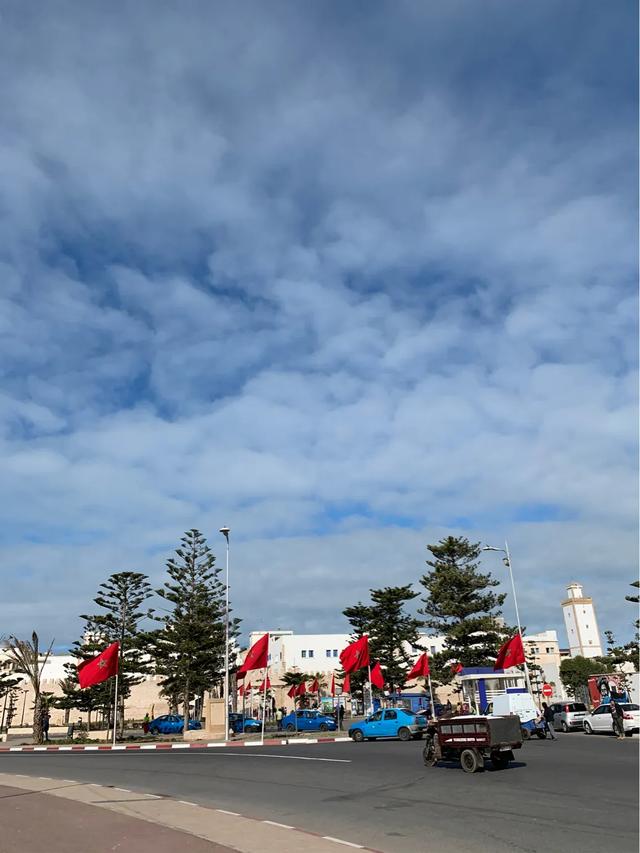
The locals really love their national flag, and you can see it everywhere.
The dirt roads on the side of the road are for horse-drawn carriages, and the asphalt is only paved along the car lane.
Unfinished