Exploring the Yongkangli Street Museum: Discovering Historical Events of this Place
Editor's Note
I am a retired elderly person who enjoys solo trips to unfamiliar cities in my spare time, exploring the human cultural imprints by wandering through streets and alleys, getting closer to gradually fading human cultural history, and appreciating texts with warmth. I don't care if it's worth it, I just want to avoid missing out. Four years of traveling through 85 cities, a journey of 67550 kilometers, spanning 15 provinces and municipalities, recording 2052 cultural sites. These shining imprints are like a traveling horn urging me forward.
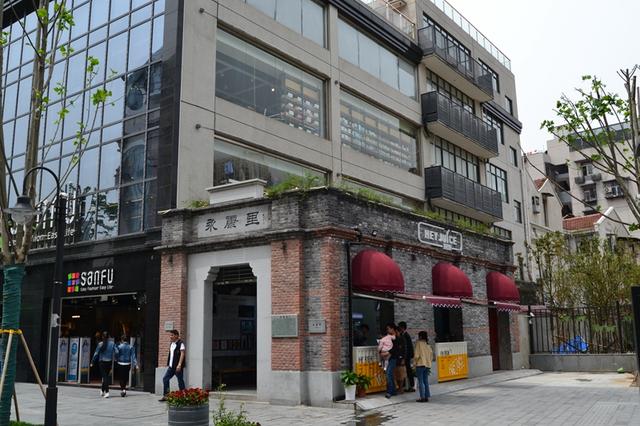
The southernmost point of Yongkangli starts from Zhongshan Avenue, a collection of early 20th-century vernacular architecture. Built in 1920, originally known as Wuchangli, it was the center of the Five Chang businesses—salt, textile, and money exchange—during the Republic of China's early years. It was once the location for business activities overseeing the three cities. In the early days of the war, the China National Literary Anti-Fascist Association was established in the Hanjiang Chamber of Commerce, gathering more than 500 literary figures from all over the country, making it the national literary center at that time.
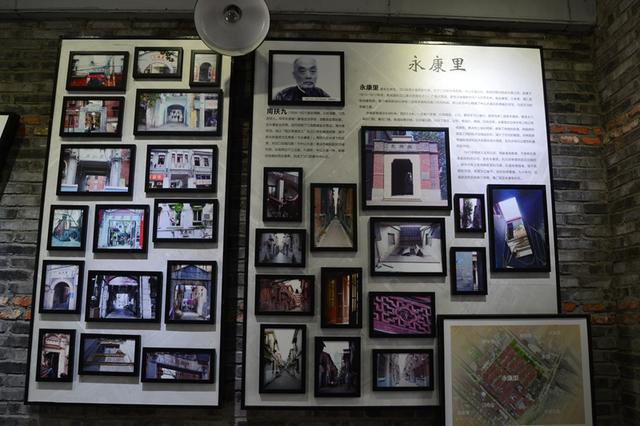
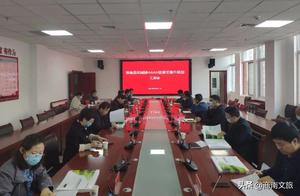
In a street-facing house, there's a museum. It showcases historical facts and images to tell people about the events that once happened here.
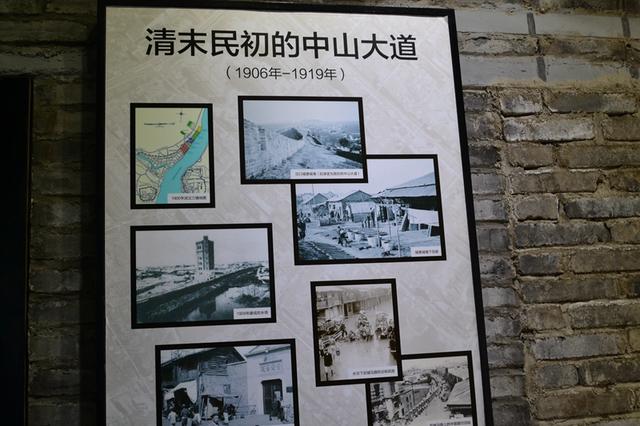
The executive council of the China National Literary Anti-Fascist Association was located at No. 42 and No. 20 of Yongkangli. Lu Shiguang was the Director of the General Affairs Department, and Chiang Kai-shek, Zhou Enlai, Song Qingling, Guo Moruo, Cai Yuanpei, Mo Shancun, Tian Han, Ba Jin, Shen Congwen, Zhu Ziqing, and Xiaoyan all lived and worked here.
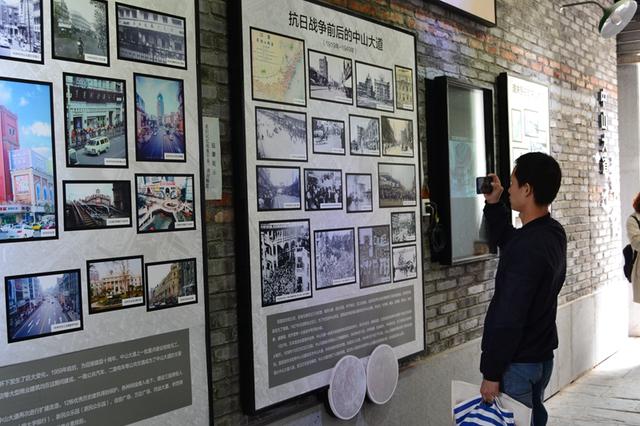
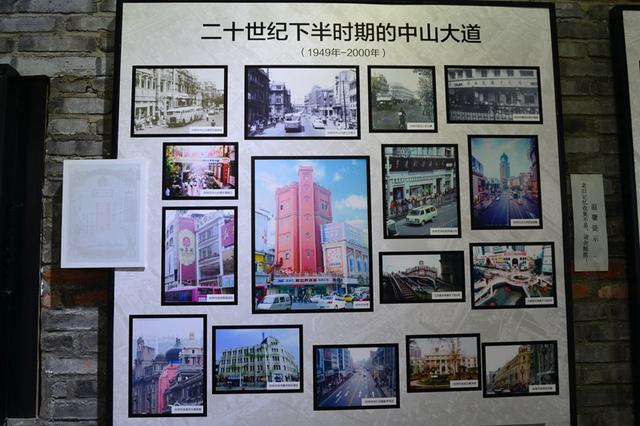
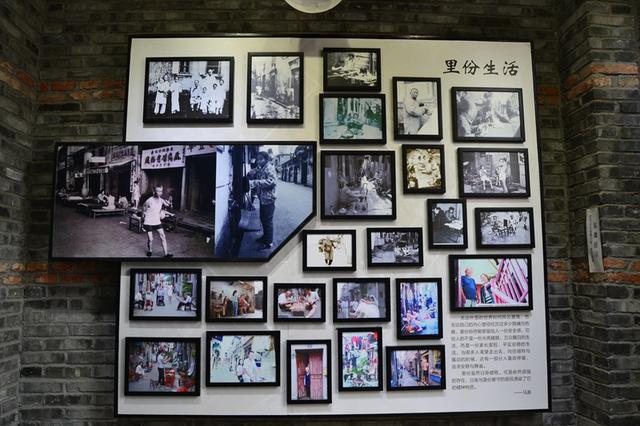
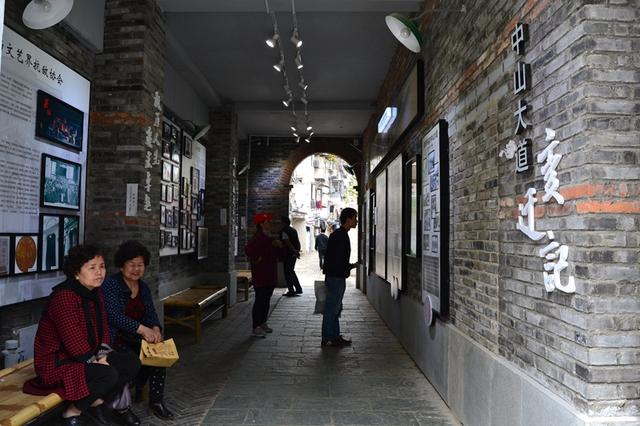
Don't miss, don't miss, shoppers tired from browsing like to rest here and learn about the historical events that happened here.