Ushuaia Bay of the Strait of Magellan
The Beagle Channel is located south of Tierra del Fuego in South America, one of the three straits connecting the Atlantic and Pacific Oceans. Cruise ships offer sightseeing of snow-capped mountains, glaciers, seabirds, sea lions, sea dogs, and the breathtaking Bird Island and Penguin Island.
The channel is 322 kilometers long, with a maximum width of approximately 10 kilometers and a narrowest point of only 1 kilometer.
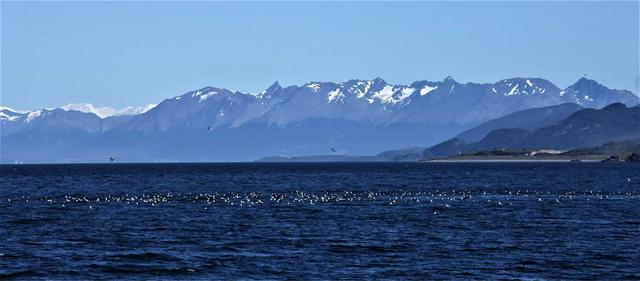
Located in Argentina's northern part, Ushuaia is renowned worldwide as 'the southernmost point' and 'the end of the world'.
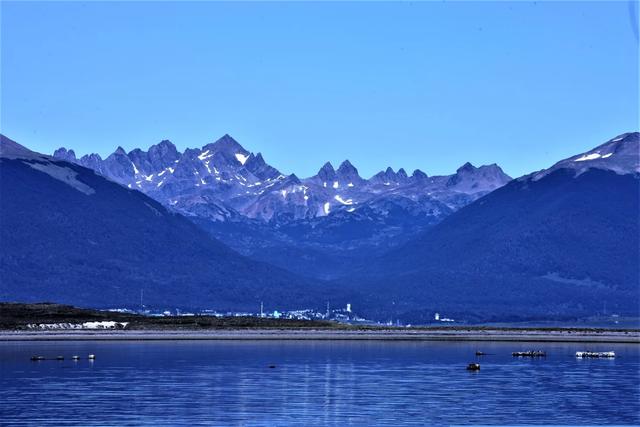
Situated on the southern coast of the channel in Chile, Williamstown is approximately 7 kilometers south of Ushuaia and is rightfully considered 'the southernmost city'.
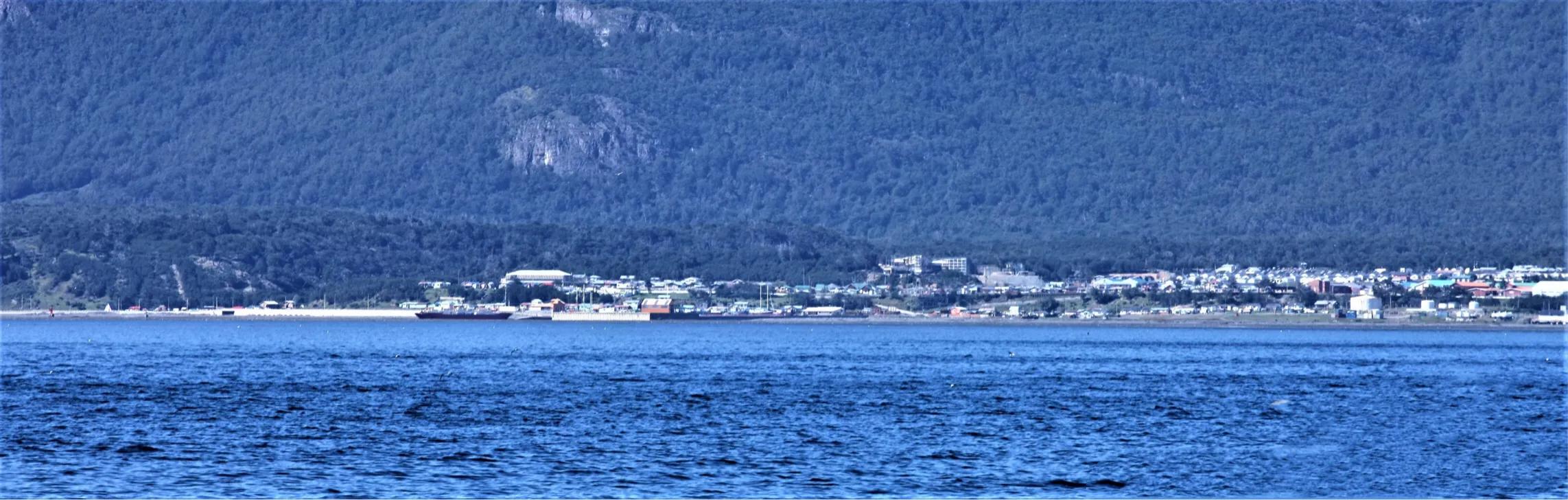
Facing Williamstown on the Chilean coast is Argentina's Puerto Almanza, known for its famous king crab.

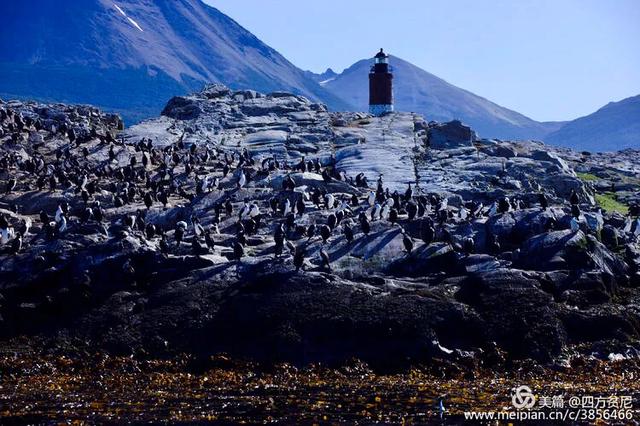
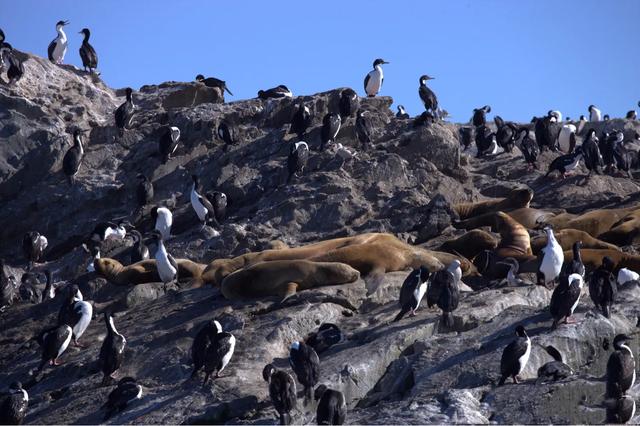
The cruise ships pass through numerous islets, with the Bird Island, a few kilometers from Ushuaia, attracting the most attention.

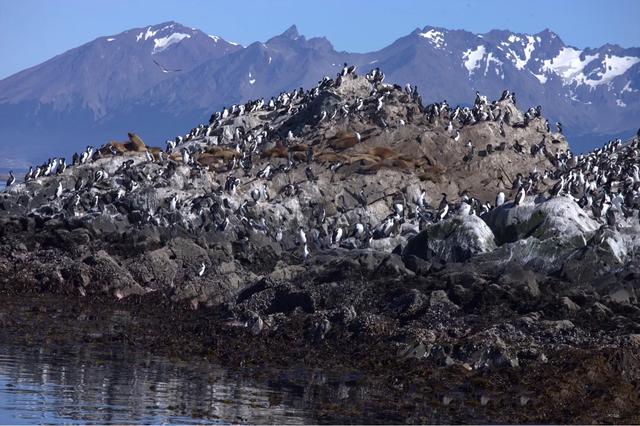
The bird density is extremely high, comparable to Peru's Bayas National Natural Reserve.
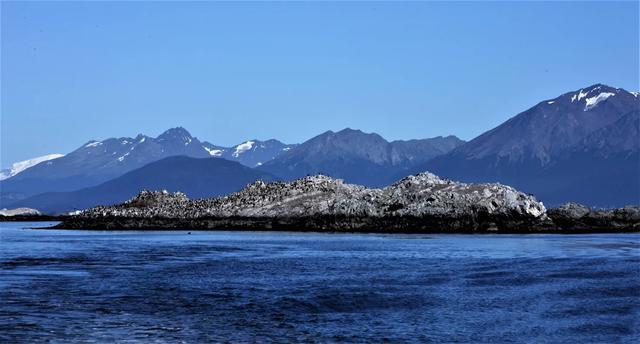
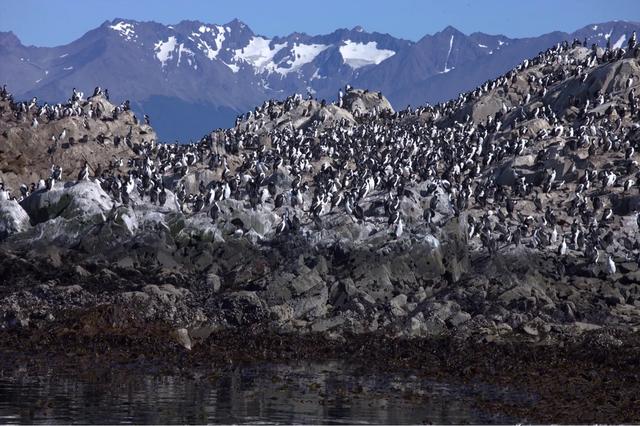
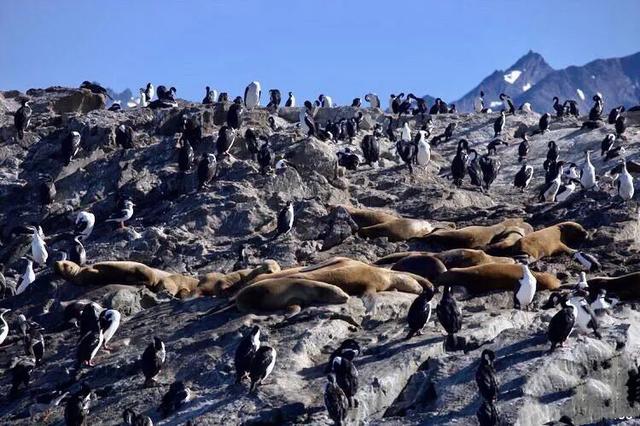
The primary wild birds in this area include guillemots and great shearwaters, along with sea lions, seagulls, and Magellan ducks.
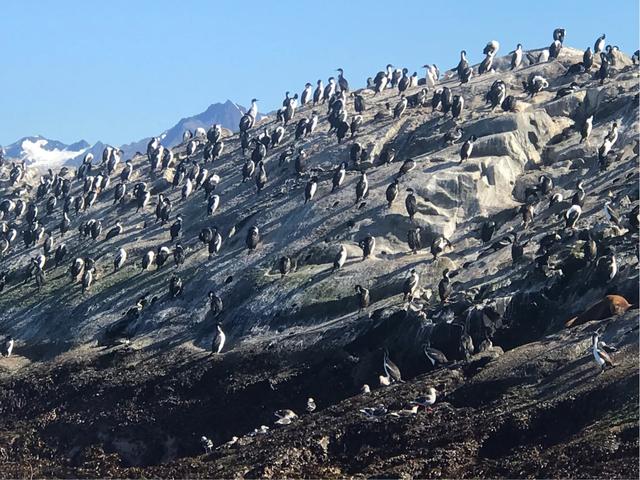
Birds and sea lions coexist peacefully.
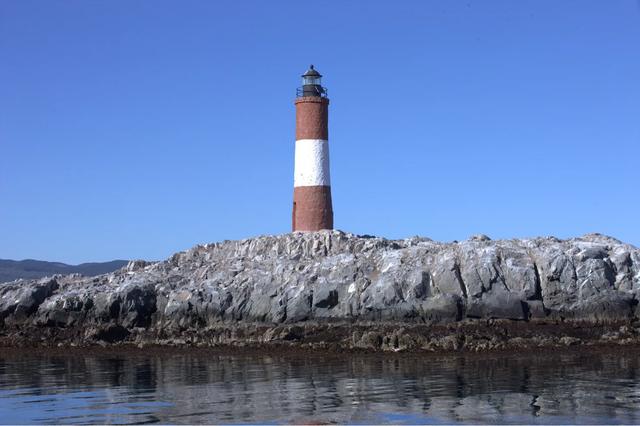
Lighthouses with alternating red and white stripes stand in the channel, the southernmost landmark, guarding Ushuaia's entrance to the sea. It was put into operation on December 23, 1920 and has remained so until today.
The highlight of the journey is Penguin Island, a privately owned natural reserve. Tens of thousands of pairs of penguins migrate to the island to feed and breed annually, and then migrate north in March.
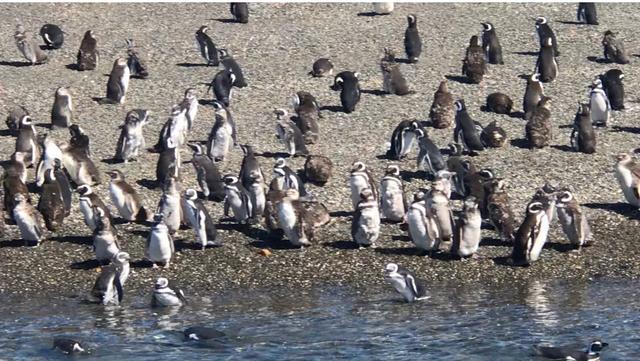
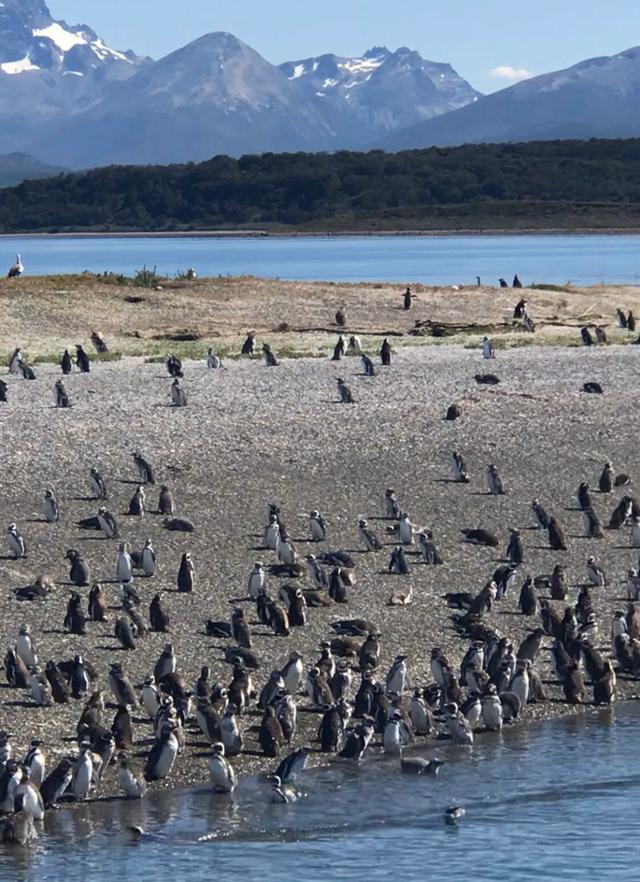
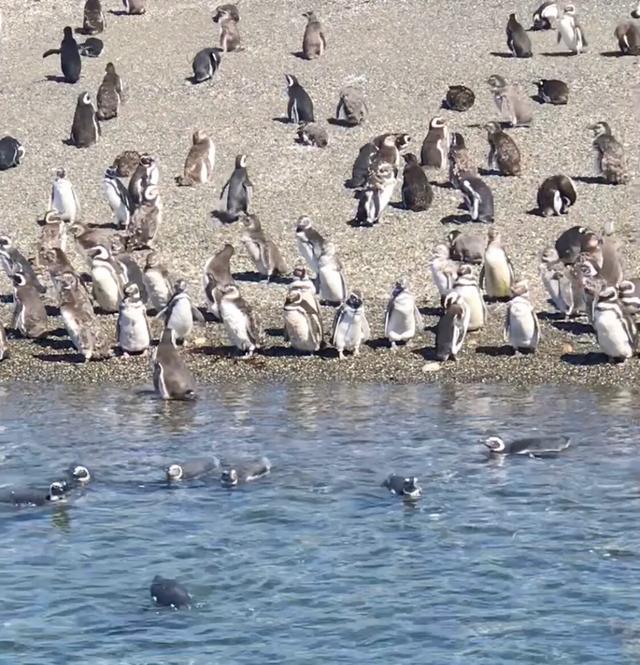
This area is mainly inhabited by Magellan penguins, with some South American penguins. Its density is far higher than the penguin natural reserve in Chile.