People of the Past Developed Numerous Virgin Lands and Turned Them into Tourist Attractions Today
In today's era, transportation is becoming more and more convenient, and the living and residential facilities in various places are also becoming more and more complete, which provides very convenient conditions for travel to various places, making the current era the most suitable era for travel in history.
But in fact, the mountains and rivers we walked through and the rivers we saw were all walked through by our predecessors. Besides extreme sports like Mount Everest and the deep sea, most of them have been frequently traveled by our ancestors. For thousands of years, countless 'tourists' have explored countless virgin lands and turned them into tourist attractions,
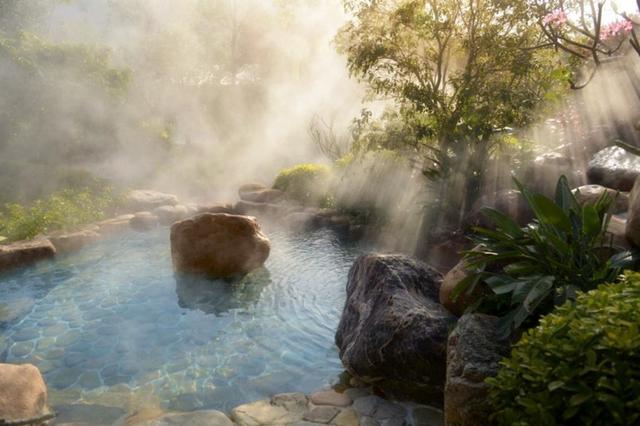
In recent years, hot spring tourism has become a hot project, but in fact, the history of visiting hot springs is long, especially in ancient times. Emperors of all dynasties were very fond of hot springs. Many large-scale hot spring projects today are based on emperors as 'products', promoting and propagating. As early as the Western Zhou Dynasty, China began to 'develop' hot spring tourism,
During the Western Zhou Dynasty, King You established 'You Wang City' and 'Li' in Muli Mountain, and because the place where he bathed could see the stars, it was named 'Starry Spring'. Muli hot spring was also a favorite of the Qin Dynasty and the Han Dynasty. Qin Shi Huang built a hot spring palace in Muli Mountain, and Emperor Wu of the Han Dynasty renovated and decorated this palace. At that time, the infrastructure construction of Muli hot spring was very complete and the scale was very large,
Through the continuous renovation of two dynasties, it has become a place that integrates viewing and health with various functions, equipped and a perfect place for emperors to entertain and relax. During the Northern Wei Dynasty, emperors were also very enthusiastic about bathing in hot springs. They established many hot spring palaces in the surrounding areas of Hebei, and many emperors came to preside over them. During the Sui and Tang Dynasties, the economy developed rapidly and national strength was prosperous. Many emperors who liked hot spring tourism also built multiple hot spring palaces with luxurious and fashionable specifications, and frequently invited them to rest, which was very comfortable,
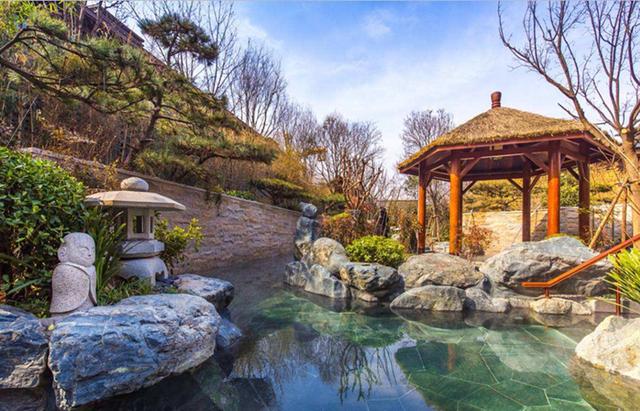
Emperor Wen of Sui built a hot spring palace in Muli Mountain, repaired the palace, planted pine trees, and the environment was very beautiful. Because Tang Taizong liked short-distance travel, he rarely took long-distance travel and large-scale tours, but instead, hot spring tourism emerged in the surrounding area of Chengdu. During the Tang Dynasty, in Chang'an and Luoyang, hot spring palaces were successively established in many places.
Among these, Muli hot spring, Huaqing Palace and the hot spring palace in Liang County are the most famous. Among the Tang emperors, Emperor Xuanzong was the most obsessed with hot spring tourism, and he is considered the 'big bathing star' in Chinese history. Huaqing Palace is a famous hot spring resort, which was gradually constructed and expanded by all dynasties in Muli hot spring, and it was also the place where Emperor Xuanzong and Empress Yang Guifei often went.
During the prosperous Tang Dynasty, it had already become a place with pavilions, towers, gardens and beautiful scenery, and various large-scale buildings were arranged in a staggered manner, which was fashionable and stylish. Emperor Xuanzong was particularly fond of Muli hot spring, and he reigned for 44 years, and the number of times he went to Muli hot spring was 41, which can be said to be almost every year. At that time, Huaqing Palace had an opening gate to the east, and outside the gate was a garden, a tennis court, a darting platform, and many other entertainment venues; to the west was Wanguanmen, a place to admire flowers; and to the south was Zhao Yangmen, which directly connected to the hot spring recreational area.
At that time, it had already become a comprehensive entertainment venue, with food, drink, fun and scenery, and health.
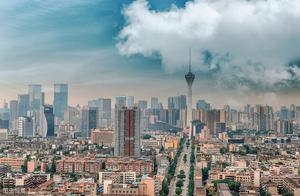
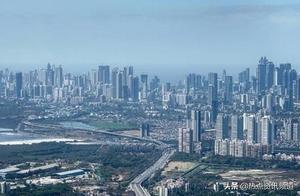
City tourism plays an important role in modern tourism. Many large cities, such as Beijing, Shanghai, Paris and London, are popular tourist destinations. Whether it is business or official duties, or purely for fun, these places are hot spots. Because the huge income brought by city tourism and its promotion of the overall development of cities, many cities want to attract more tourists to come to their places.
In addition, many smaller cities that were not well-known before have also joined the competition of city tourism. Many originally inconspicuous small cities can suddenly become popular tourist cities because of a certain attraction. This has happened many times in the past. According to relevant research, China's city tourism has developed to a very mature level as early as the Warring States period.
At that time, because of economic development, commodity sales and goods transportation, there were many economic center cities, such as Xianyang and Yiyang, attracting many merchants to these cities to engage in trade activities. This period also saw the emergence of independent businessmen, and many wealthy merchants were born.
During the Sui and Tang Dynasties, urban development reached a new height. Because of Tang Taizong's 'far-sighted tour' and 'near-sighted tour', the development of cities around Kyoto was stimulated, and in addition, the opening of the Grand Canal provided great convenience for the transportation between cities, which also gave opportunities for the development of places outside the Central Plains, such as Yangzhou, Guangzhou and Quanzhou.
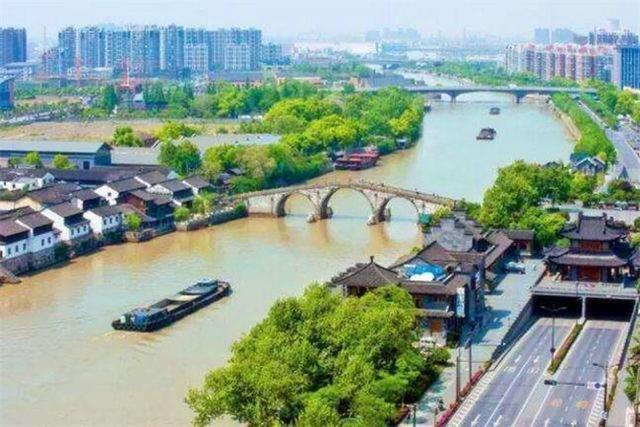
At the same time, Chang'an and Luoyang still maintained their unshakable political and economic center status, and new urban functions also emerged, namely 'tourism cities'.
Domestic scholars, merchants and officials were happy to choose these cities to visit, and the beautiful city landscape also attracted many foreign tourists to visit here. At that time, a large number of foreigners came to China. Taking Chang'an as an example, there were more than 70 countries' diplomatic missions in Chang'an, and more than 30,000 students were gathered here. It can be seen that Chang'an City was so prosperous and bustling, it truly deserved to be an international trade and tourism city. Among Chang'an and Luoyang, the largest tourist resort was Huaqing Palace, which was a royal garden located in the suburbs of the city, and the most famous was Jiexing Gorge.
In addition, Luoyang's White Horse Temple, Xiangshan Temple, Longmen Grottoes and West Lake in Hangzhou were also famous. In addition, as everyone admired, the Tang Dynasty had a 'short-vacation system' similar to the current annual leave. People with money and time liked to travel east and west, and tourism and leisure were their first choices.
By the Song Dynasty, the city was even more prosperous, as can be seen from 'Thriving Upwards Map'.
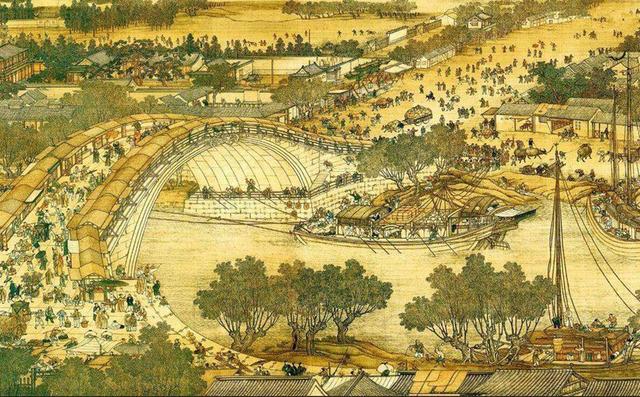
During the Northern Song Dynasty, the capital Tokyo was the largest political and economic center at that time, and it was the largest tourism and leisure resort in the East. Hangzhou, known as West Lake Ten Scenes, is famous in the world, with various natural resources and beautiful scenery, which is a gift from heaven, and the development speed of city tourism is accelerating. Moreover, Luoyang's peony has been famous for a long time, and the garden landscape is beautiful.
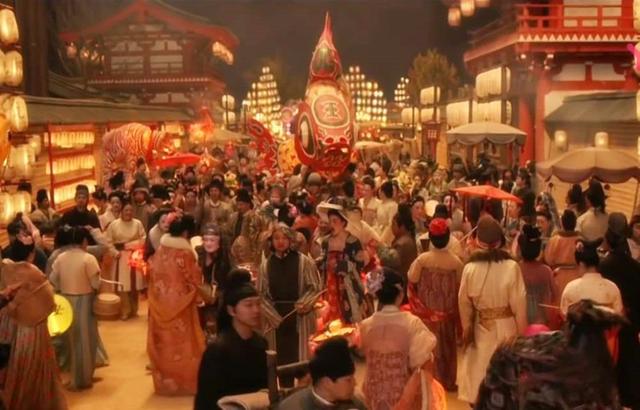
It can be said that every tourist city has its own unique side, and you can find beautiful scenery to play and watch in any place. Moreover, at this time, night markets, taxis, tourist maps and other travel essential products appeared. During the Yuan and Ming Dynasties, the city culture developed rapidly, and a variety of interactive leisure and entertainment activities made city tourism a favorite leisure and entertainment way for people.
The Canadian-made Sunshine Circus is a national treasure, just like the Broadway, the Folies Bergère and the Moulin Rouge, it is a high-end configuration in tourism products. In recent years, domestic tourism has also used similar projects as promotional highlights to attract tourists' attention. But in fact, this 'hook' was played out by our ancestors thousands of years ago.
“”
“”“”
“”
·