Wuhan Revival! This Spring, Come to Guanggu to Listen to the Echoes of Birds
On August 8th, Wuhan officially 'unlocked'. At this time, the flowers were in full bloom and the weather was pleasant.
Especially after Qingming Festival, 'clear skies and bright scenery, with all things flourishing,' people would naturally want to go outdoors to 'let loose'.
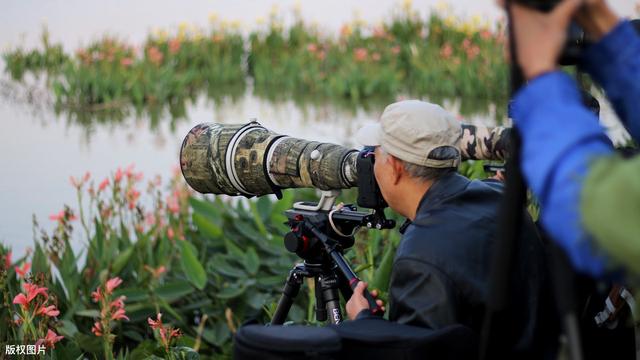
In fact, April, besides appreciating the scenery and viewing the blossoming flowers and new greenery, is also a good time to watch birds.
Hubei Province's 'Birdwatching Week' is held every April for the first week. During this time, on the branches and beside the small rivers, there are traces of birds everywhere, with the constant chirping of birds.
Whether you are a bird enthusiast seeking rare species or simply want to 'tune your ears' with the bird songs, you can try birdwatching to get closer to nature.
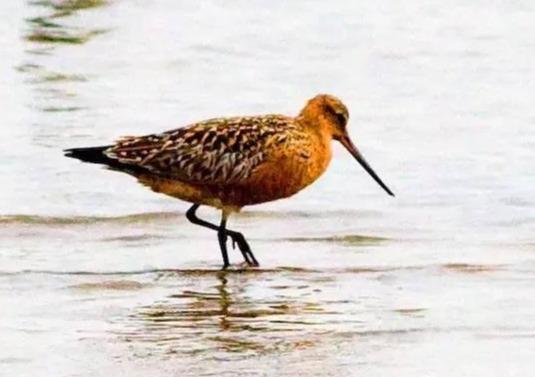
Ruddy Knot (Photography: Li Mingpu)
Tufted Duck (Photography: Yunfei Yu)
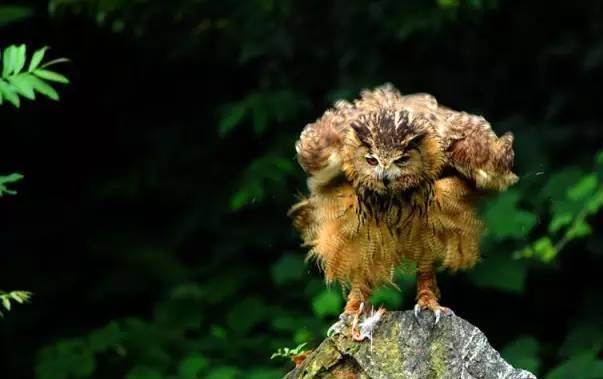
Eurasian Eagle-Owl (Photography: Jun Xiang)
Wuhan is a 'city of hundreds of lakes' and also an important habitat for birds in China, with a total of 1561.86 square kilometers of natural wetlands, accounting for 18.39% of the city's total land area. Wetlands are the birds' 'homes' and 'paradises' because they provide places for birds to reside, breed, forage, and transit.
According to preliminary statistics, there are currently 357 species of forest and water birds in the city, including 38 protected species at the first and second levels, such as Oriental White Stork, White Stork, Grey Heron, Chinese Rosy Starling, White-Bellied Plover, Little Egret, Mandarin Duck, and Tufted Duck.
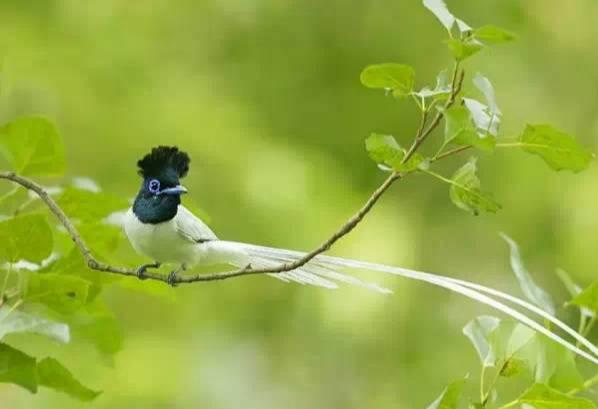
Shaking Pogonogamma (Photography: Benran)
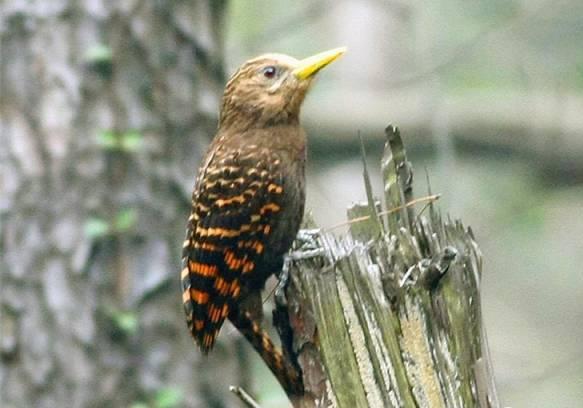
Red-Flanked Bluetail (Photography: Wan Wenqing)
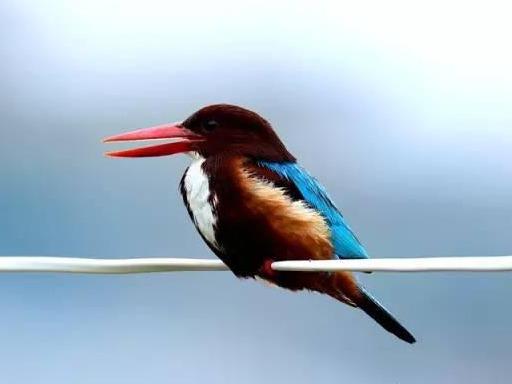
Night Heron (Photography: Wan Wenqing)
Birds are very sensitive to environmental changes, especially migratory birds; this year they may be able to see some, but may not appear next year due to environmental changes.
Ten years ago, due to environmental factors, there were rarely water chickens in Hubei Province for a long time; the key was that the Quackgrass, which was a popular dish, had become a delicacy on people's tables. In recent years, with the efforts of various parties, water chickens have returned.

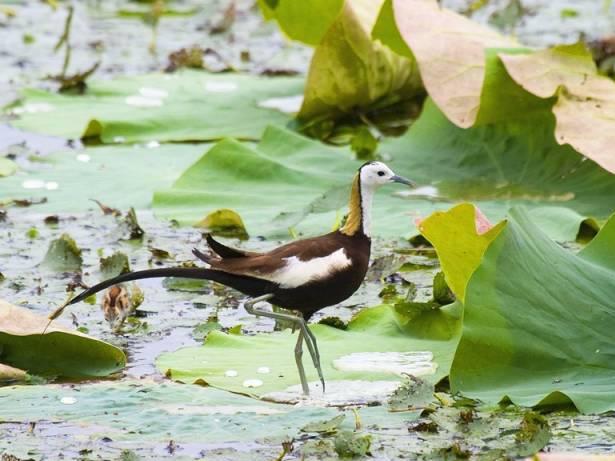
To attract birds back, many Quackgrass plants were planted along the banks of the Thames Lake. Whenever the Quackgrass blooms, water chickens fly north from the north to nest and incubate, until the little birds can fly away. From May to September, you can enjoy this 'water phoenix' in the East Lake High-Tech Zone.
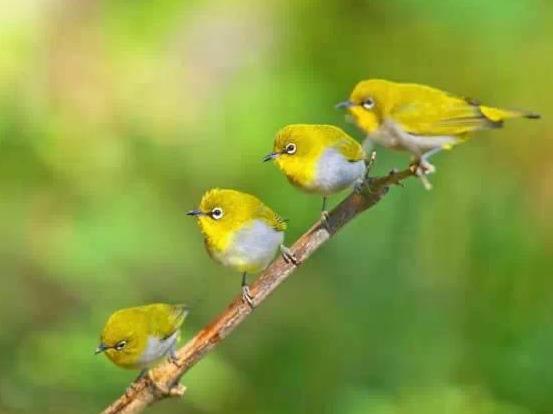
Dai Sheng (Photography: Li Mingpu)
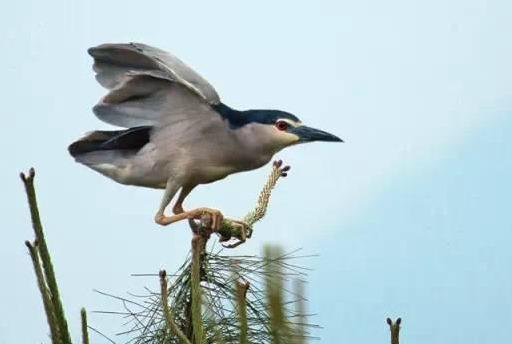
Yellow-Bellied Whistler (Photography: Benran)
Red-Breasted Robin (Photography: Wan Wenqing)
In the past ten years, the line along the Jiufeng Mountain Forest Park to the Masan Mountain Forest Park has planted more than a million trees and shrubs, which has made more and more birds there. In the past, red-flanked robin and yellow-bellied whistler were only seen sporadically, but now they appear in pairs and groups.
Blue-Throated Bee-eater (Photography: Yunfei Yu)
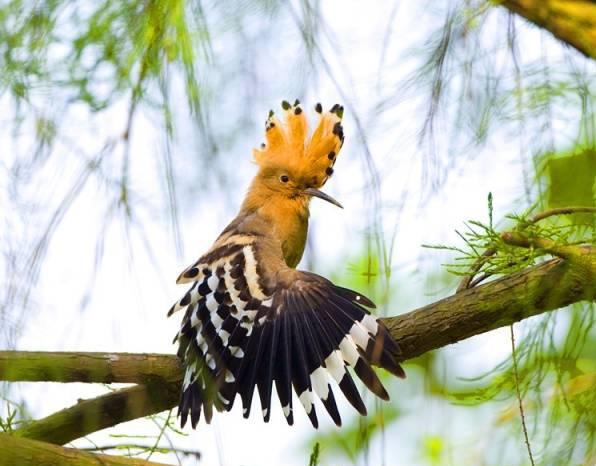
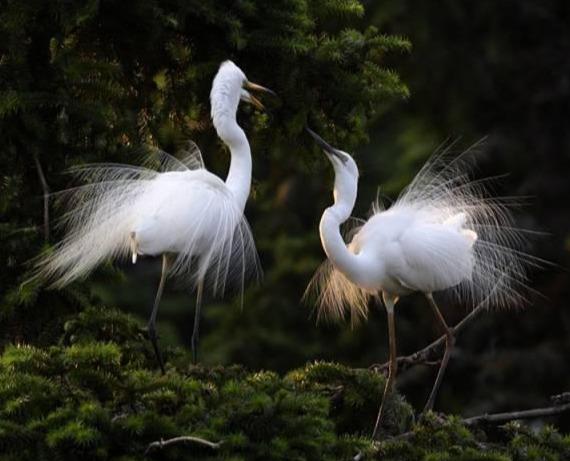
White Egret (Photography: Jun Xiang)
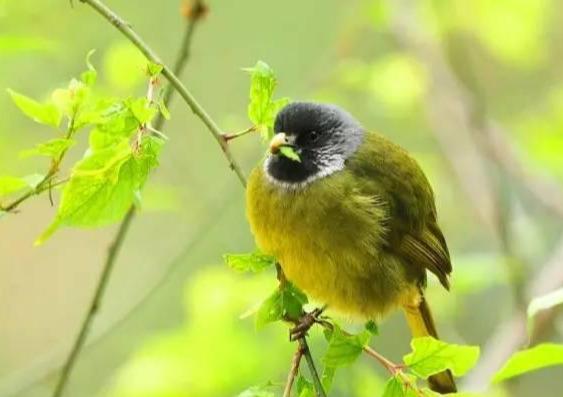
Brown-Headed Thrush (Photography: Benran)
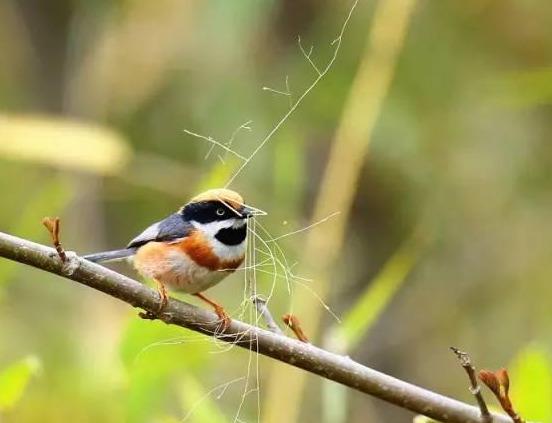
Birds and humans are at a distance, and the first principle of birdwatching is to follow the normal habits of birds and maintain a certain distance. Birdwatching does not disturb the birds, especially during the breeding period, once someone disturbs them, they will abandon their nests, which is a disaster for the little birds.
Swallow (Photography: Li Mingpu)
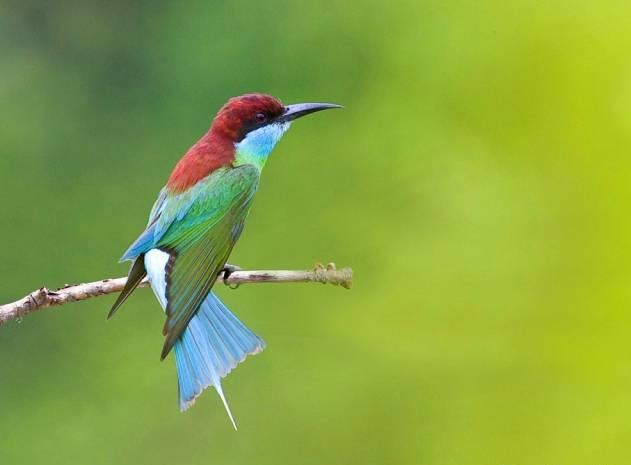
Ringed Plover (Photography: Benran)
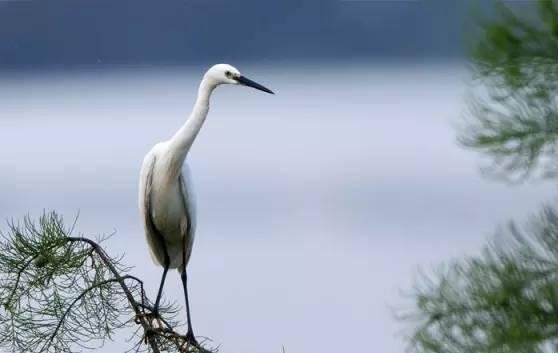
Red-Breasted Snipes (Photography: Wan Wenqing)
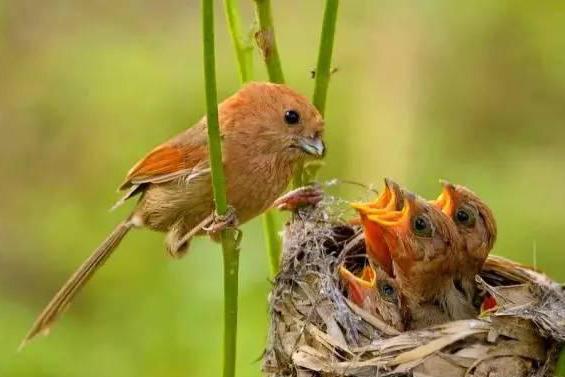
In Guangfu,
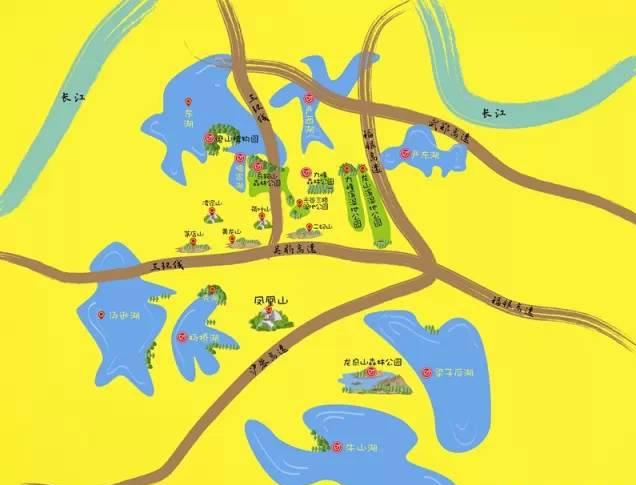
Best bird-watching points for topography
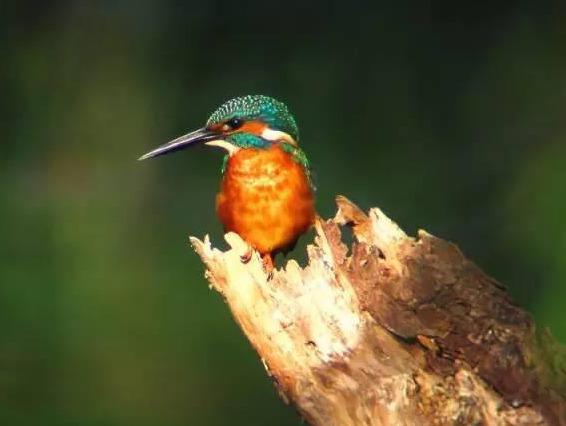
In Jiufeng Mountain Forest Park, Masan Mountain Forest Park, Jiufeng Mountain Forest Park, Longquan Mountain Forest Park, and various university campuses and city parks.
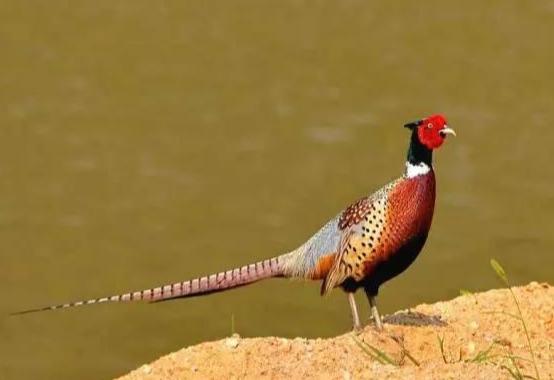
In these areas, forest birds are mainly observed, the most common of which are pheasants, Tufted Duck, Grey Magpie, Four-Sound Mandarin, Magpie, Pearl Peacock, White-Bellied Starling, Azure Jay, Grey Jay, Red-Avian Flinch, Brown-Headed Thrush, Crowned Finch, Gold Finch, Yellow-Lored Warbler, Brown-Headed Thrush, Grey Winged Thrush, and White Faced Woodpecker.

Best water-watching points
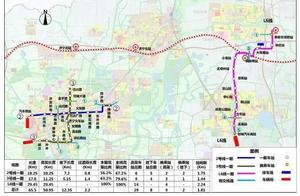
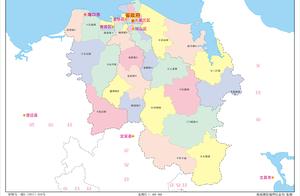
In Yan Dong Lake, Yu Jia Lake, Yangqiao Lake, Liangzihe Lake, Niushan Lake, etc., there are also East Lake, South Lake, West Lake, Thames Lake, etc.In these areas, water birds are mainly observed, the most common of which are Gadwall, Northern Shoveler, Little Egret, Black-Necked Duck, Green-Winged Teal, Blue-Throated Parrot, Tufted Duck, Water Chicken, Black-Winged Long-Legged Snipe, Water Chicken, Ruddy Turnstone, Moorhen, Grey Heron, Little Egret, Red-Necked Grebe, Spoonbill, Red-Footed Stilt, Black-Breasted Grebe, White-Bellied Plover.Guangfu Birdwatching Map
Leave-over birds:
Birds that live in the same area all year round, such as sparrows, magpies, pigeons, etc.Wintering birds:
Birds that migrate from elsewhere to spend the winter in the local area, such as geese.
Summering birds:
Birds that breed in the local area and migrate south for the winter, such as swallows.Transiting birds:
Birds that pass through during the spring and autumn migrations, such as some shorebirds.Forest birds:
Generally, birds that live in the forest are called forest birds.Water birds:
Generally, birds that live by the water are called water birds.Silk-Light Swallow (Photography: Jun Xiang)
How to birdwatch:Binoculars:
Binoculars can bring the distance closer and observe the details of the birds, and reduce the disturbance to the birds. Double-barrelled binoculars are flexible and easy to carry, which is suitable for observing birds in forests. The magnification of single-barrelled binoculars is relatively high, which is suitable for observing distant, stationary or slow-moving birds, such as water birds like geese and ducks. To maintain stability, a 20-60x magnification single-barrelled binoculars is generally used, and it is usually equipped with a tripod.Equipment:

If you wear clothing that matches the color of the surrounding nature, you will be closer to the birds. Other outdoor activities equipment will make your outdoor activities more convenient and comfortable.
Fork-tailed Drongo (Photography: Benran)
Birdwatching Precautions:1. Maintain quietness and not making loud noises, and keep a reasonable distance;
2. Do not chase, drive away, or lure, or disturb the normal life of the birds;3. When the birds are nesting or raising their young, only observe from a distance, do not look too closely;
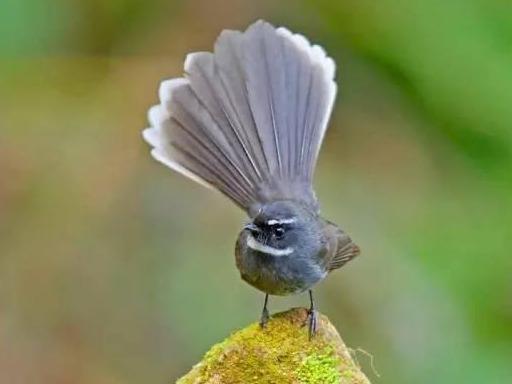
4. Absolutely no collection of bird eggs or capturing wild birds;
5. Do not tell others about the nesting grounds and feeding grounds of rare birds;
6. Bring your own trash and do not damage the bird's habitat environment.
White-Bellied Egret (Photography: Li Mingpu)
3
4
5
6