It is a historic water town of the Jiangnan region, possessing the magnificent Tides of the Qiantang River, and the Qianlong Emperor visited it many times.
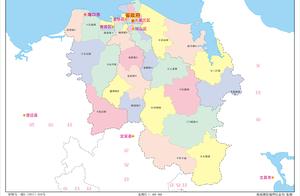
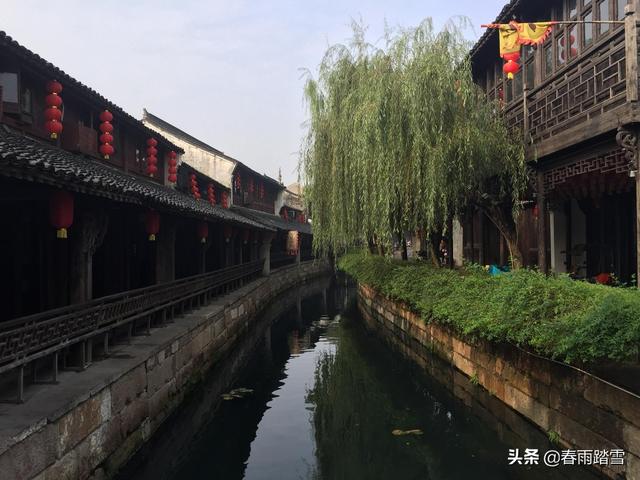
Located fifty kilometers from Hangzhou, in the coastal town of Hai Ning, along the Qiantang River, is a civilization ancient town with a history of over two thousand years, one of the origins of the Lianghu Culture. It was named 'Yan Gong Town' due to its salt production and drying from the Han Dynasty, which served as a major trading hub for goods flowing from south to north and east to west. Consequently, past dynasties highly valued the construction of the canal, and most of the canal you see today is a Qing Dynasty reconstruction.
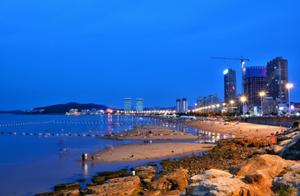
Hai Ning has always been renowned for its long and brilliant history and culture, beautiful folk legends, and spectacular Tides of the Qiantang River. Every August 18th, the local traditional 'Viewing Tide Festival' takes place, when the tides, characterized by their high, changeable, turbulent, and perilous nature, roll in from the east of the Qiantang River. Tens of thousands of tourists gather on the riverbank, eager to witness this magnificent spectacle, presenting a scene of 'Thousands of horses galloping, Hai Ning tide and river tide mingling'.
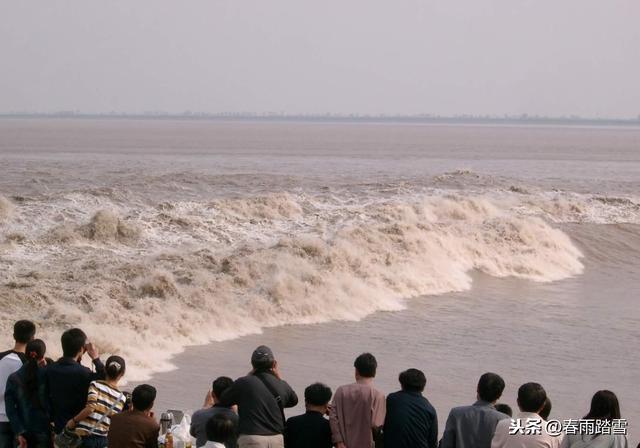
What makes Yan Gong Town unique is that it is the premier viewing spot for the 'Tides of the Qiantang River,' alongside the Jiufa Waterfall and Huangfutuo Waterfall, forming the 'Three Grand Tide Viewing Sites.' Most visitors come here specifically to view the 'Tides of the Qiantang River.' However, Yan Gong Town is also a standard Jiangnan water town, picturesque and rich in historical and cultural sites, boasting over ten state-level and municipal-level cultural relics protection units, earning it the reputation of 'Miniature Historical City.'
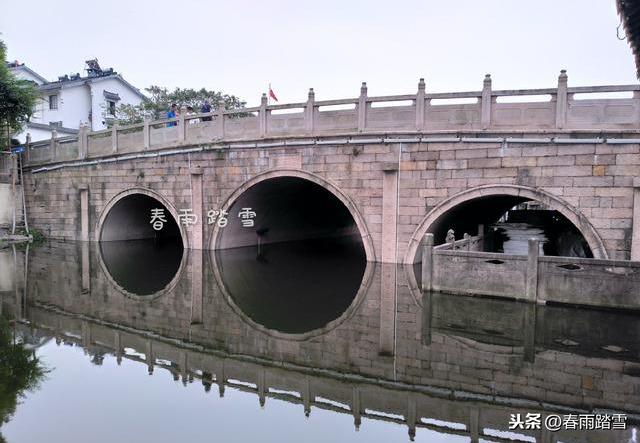
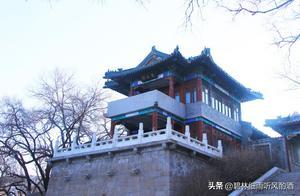
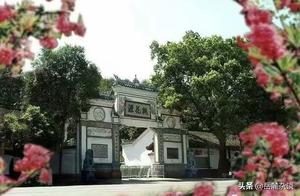
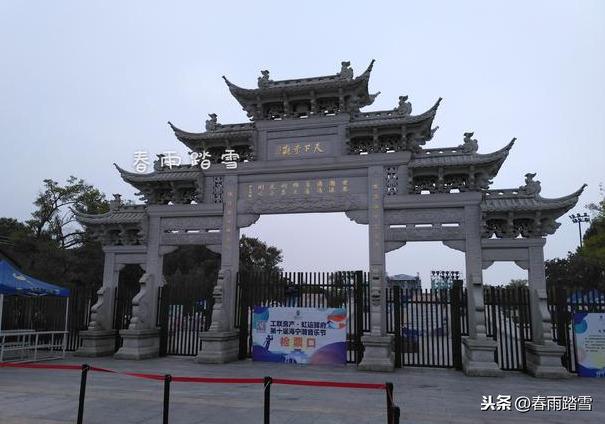
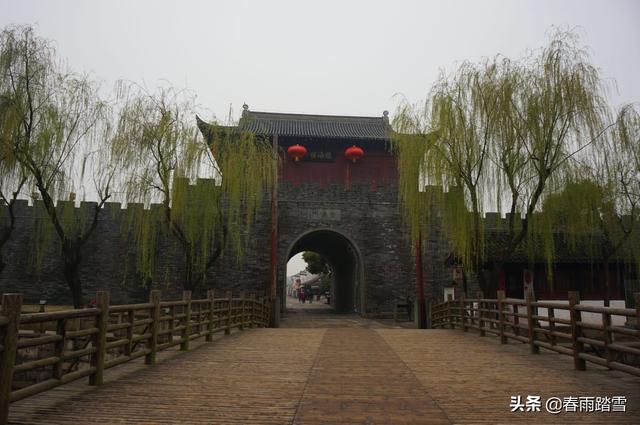
Upon entering the ancient town, you'll first see 'Xuande Gate,' a typical Yan Gong Town ancient building. Legend has it that the Qianlong Emperor visited this gate four times. The characters 'Zhenhai Lou' (Suppressing the Sea) above the gate were also bestowed upon him by Qianlong, hoping to quell the turbulent tides and protect the residents along the river from floods. Standing on the watchtower, you can overlook the entire canal and the ancient town, appreciating the blue bricks, stone pavements, and flowing streams within this thousand-year-old city.
'Zhaiguan Official Residence Street,' a street that recreates the ancient town's thousand-year-old atmosphere, is located on the east street of Hai Ning's small east gate. It's dominated by the Qianlong Emperor's residence, 'Chen Ge Lao' (Chen's Old Residence), and extends westwards, featuring sites like Yang's Ministry Residence, Chengguan Temple (City God Temple), and Wutuo Temple (Five Soil Temple). Additionally, there are unique city walls, suspension bridges, a parade ground, and galleries, all serving as historical relics.
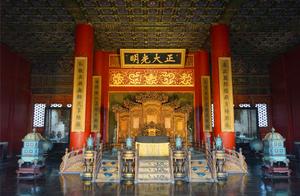
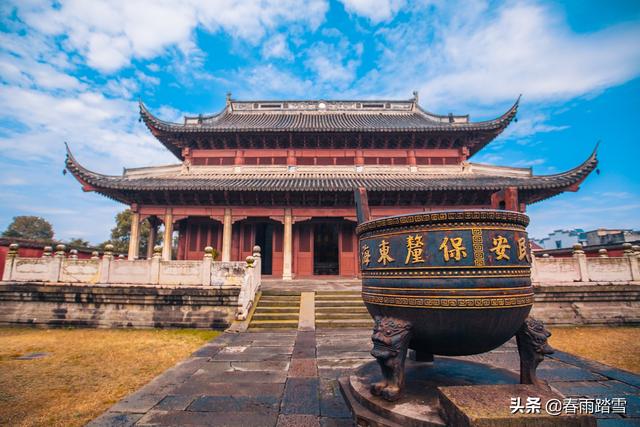
In Yan Gong Town, there is also a Qing Dynasty-style Temple of the Sea God, known as 'Jiangnan Purple Forbidden City' due to its magnificent and opulent appearance. The temple occupies over forty acres and dedicates itself to the 'God of the Zhejiang Sea.' The complex extends five deep levels along a central axis, with the main hall in the middle and surrounding ( – side rooms) and within it, imperial edicts from the four emperors of the Qing Dynasty, along with an imperial inscription jointly written by Emperor Yongzheng and Emperor Qianlong. This shows the Qing imperial court's great fondness for this place.
The prosperous economy fostered the development of local culture, and Yan Gong Town has always produced talented people. Just the Chen family is said to have 'Three Old Officials in One Family, Five Ministers and Five Secretaries.' The scenic area also features the former residence of Wang Shouyong (Kingdom Hu), and the Jin Yong School, worth visiting. Welcome your brilliant review!