The Most Famous Forbidden City in China: Why Was It Formerly Called Purple Forbidden City?
As one of China's many tourist attractions, Beijing draws numerous domestic and international visitors each year. When it comes to Beijing's attractions, the Great Wall and the Forbidden City are undoubtedly two of the most famous. Specifically, the Forbidden City is renowned globally as China's most famous imperial palace, considered one of the 'Five Great Palaces' alongside the Palace of Versailles in France, Buckingham Palace in the United Kingdom, the White House in the United States, and the Kremlin in Russia.
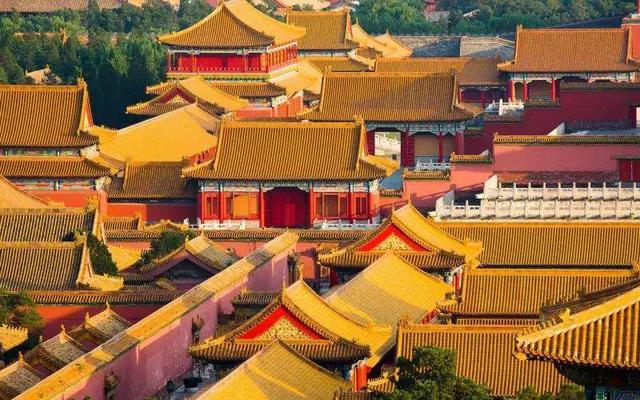
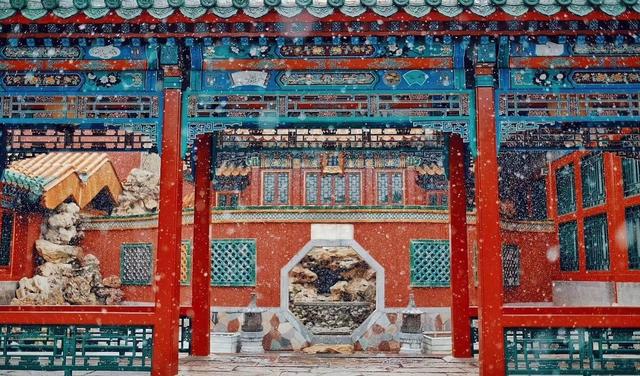
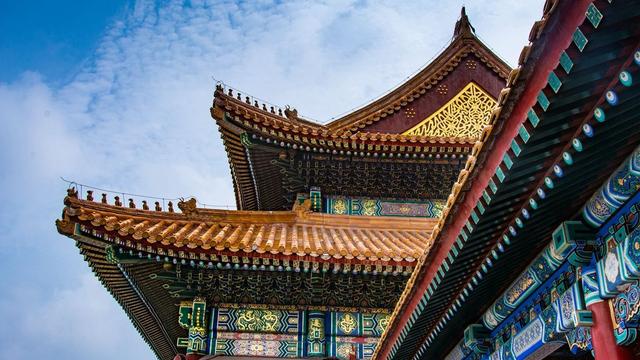
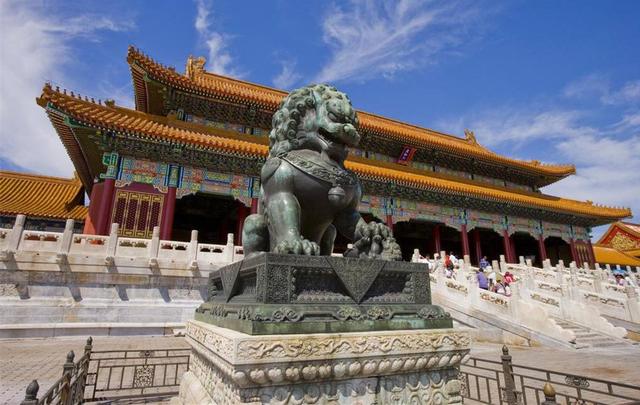
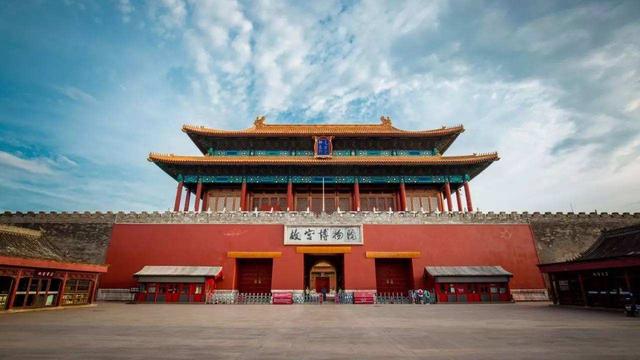
The Forbidden City, now known as the Palace Museum, is located at the center of Beijing's political axis. It represents the finest achievements of ancient Chinese imperial architecture, characterized by its grand scale, red walls, yellow glazed tiles, and magnificent gold decorations. It served as the dwelling place of the 24 emperors of the Ming and Qing dynasties. The Forbidden City has 980 buildings and over 8,700 rooms, covering an area of 720,000 square meters – one of the largest and best-preserved wooden structure ancient buildings in the world. We all know that the Forbidden City was formerly known as the Purple Forbidden City, so why does it have this name? There are three reasons.
The concept of 'Purple Cloud'
In the late Spring and Autumn period, when Lao Tzu was about to depart from Gansu Pass, a purple aura appeared from the east, which was seen by the guard. Shortly afterwards, Lao Tzu returned on a chariot pulled by a purple ox. The guard recognized him as a sage and asked Lao Tzu to write the famous 'Tao Te Ching'. Because of this, 'Purple Cloud' was considered to have auspicious meaning, representing sages, emperors, and treasures. After this, people called the auspicious aura 'Purple Cloud', the residence of immortals was called 'Purple Sea', and immortals were referred to as 'Purple Springs'. This demonstrates the origin of the name 'Purple Forbidden City' within the Forbidden City.
Astrological Beliefs
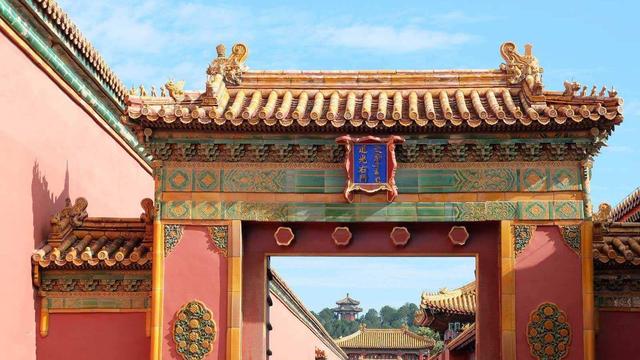
In ancient times, the stars and constellations in the heavens were divided into three groups by astronomers – the Three Stars (Taiwei, Tianshi, and Ziwu), twenty-eight constellations, and other star groups. The Three Stars consisted of Taiwei, Tianshi, and Ziwu. Ziwu was a substitute for the emperor, occupying the central position among the Three Stars. Historically, it was believed that 'Ziwu was at the center'. Since the emperor was considered 'Ziwu', the emperor's palace was naturally called 'Purple Palace'. Throughout the dynasties, emperors wished to be regarded as the 'Son of Heaven', or 'Emperor', the son of the Jade Emperor. Because Lao Tzu lived in the 'Purple Palace' in heaven, his son's residence on earth should also be called 'Purple Palace'. Furthermore, the emperor's palace was surrounded by strict guardposts and prohibited ordinary people from entering, lest they 'violate the prohibitions'. Therefore, 'Purple Palace' became a 'forbidden city', and the combined name is 'Purple Forbidden City'.
Imperial Hubris
Emperors always wished for a long and prosperous reign and considered themselves the 'Son of Heaven'. The Jade Palace is the residence of the Jade Emperor, and therefore also the emperor's residence. The 'Great Compilation' states: 'The Jade Palace is called Purple Palace.' Throughout the dynasties, emperors wanted to be regarded as the 'Son of Heaven', or 'Emperor', the son of the Jade Emperor. Because Lao Tzu lived in the 'Purple Palace' in heaven, his son's residence on earth should also be called 'Purple Palace'. Furthermore, the emperor's palace was surrounded by strict guardposts and prohibited ordinary people from entering, lest they 'violate the prohibitions'. Therefore, 'Purple Palace' became a 'forbidden city', and the combined name is 'Purple Forbidden City'.
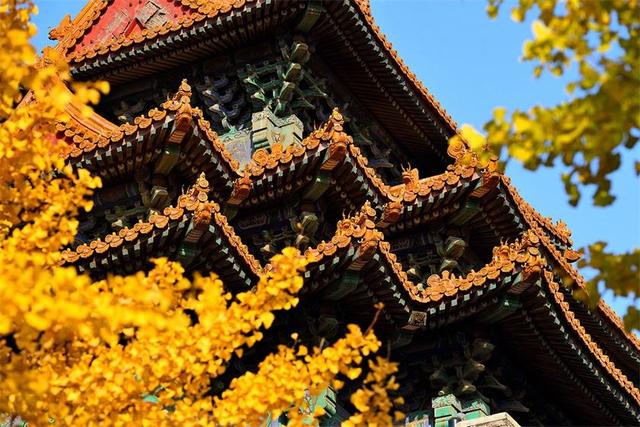
Although it is no longer called the Purple Forbidden City, the Palace Museum's reputation is even more prominent today. With the development of tourism, more and more people visit the museum. Do you prefer to call it the Palace Museum or the Purple Forbidden City?
•“”“”“”“”“”“”“”“”“”