Lhasa Independent Tour
Recommendation: Spring clothing, ibuprofen (effective for altitude sickness), sunscreen.
Lhasa, Tibet's altitude is 3650 meters. Normal people will experience some altitude sickness, and stronger individuals may not feel it as intensely. You might say you feel fine in Lhasa, but don't be complacent; it could be that your blood oxygen levels haven't fully depleted.
When first arriving in Lhasa, avoid strenuous exercise and deep breathing. Walk slowly and evenly to prevent altitude sickness from worsening. We recommend resting for 1-3 days.
Potala Palace (paid).
Visiting Lhasa without visiting the Potala Palace is like not having come to Lhasa. Of course, the Potala Palace is a must-see. You can take buses 2, 6, 7, 14, 16, 17, 25 to reach the Potala Palace area. Be sure to book your tickets in advance.
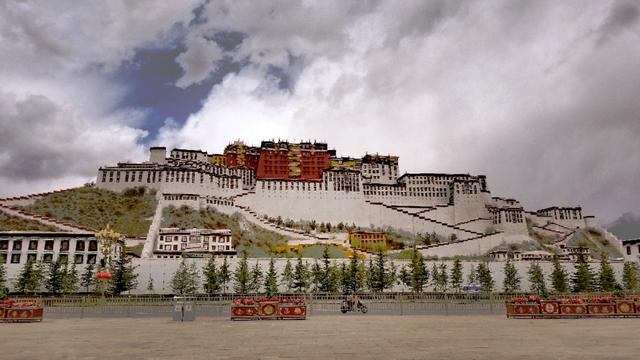
Photography is prohibited inside the Potala Palace, and daily entry numbers are limited. Liquids (water, drinks, cosmetics) are not allowed, and neither are fire sources. You cannot wear skirts, shorts, or slippers, and you must not step on the thresholds. The visit lasts 1 hour.
Wangyao Mountain (free).
This place offers a panoramic view of the Potala Palace; however, the entrance is small, so check it on the map. It's easily missed!
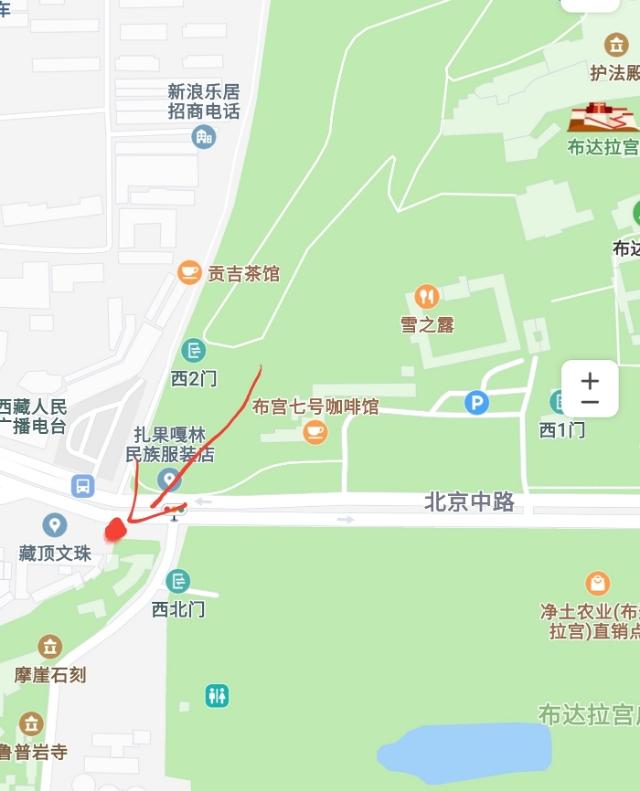
Wangyao Mountain has a viewing platform that's a photo spot, perfect for watching the sunrise and sunset. Many people like to take pictures there,
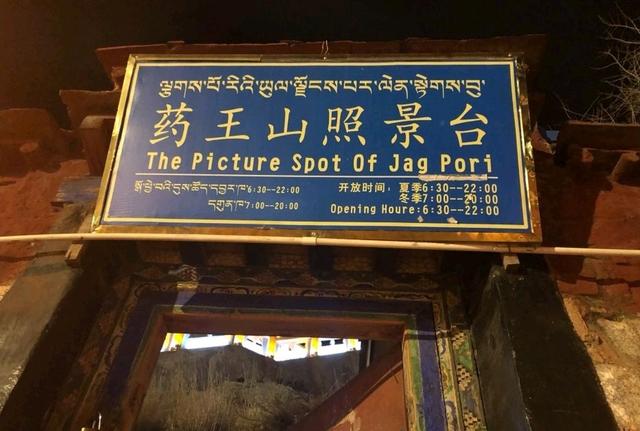
Also a free place to watch the sunrise and sunset and see the Potala Palace. It's worth a visit,Longwangtan (paid).
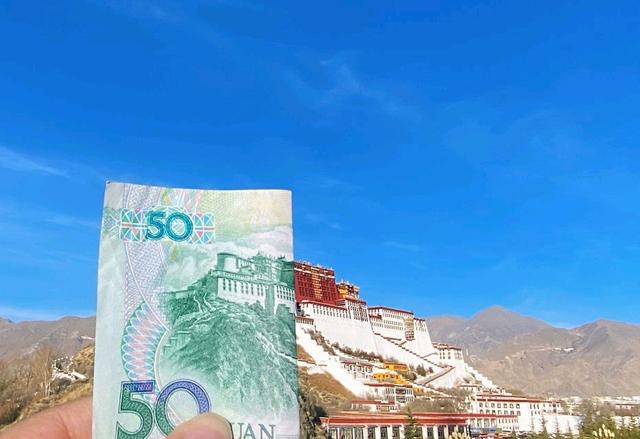
After visiting Wangyao Mountain, you can directly exit to Longwangtan for a stroll. This place costs 30 yuan, but it's not recommended; I simply had no desire to take pictures there.
30